
Architecture in Aix-en-Provence: A 2025 Travel Guide
Discover the best architecture in Aix-en-Provence for 2025. Explore Baroque mansions, fountains, and modern designs with our expert guide. Plan your trip now!
On this page
Aix-en-Provence remains a crown jewel of southern France. Visitors in 2025 will discover a city built on deep history. The architecture in Aix-en-Provence reflects centuries of wealth and artistic growth. Every street corner offers a new visual treasure for travelers.
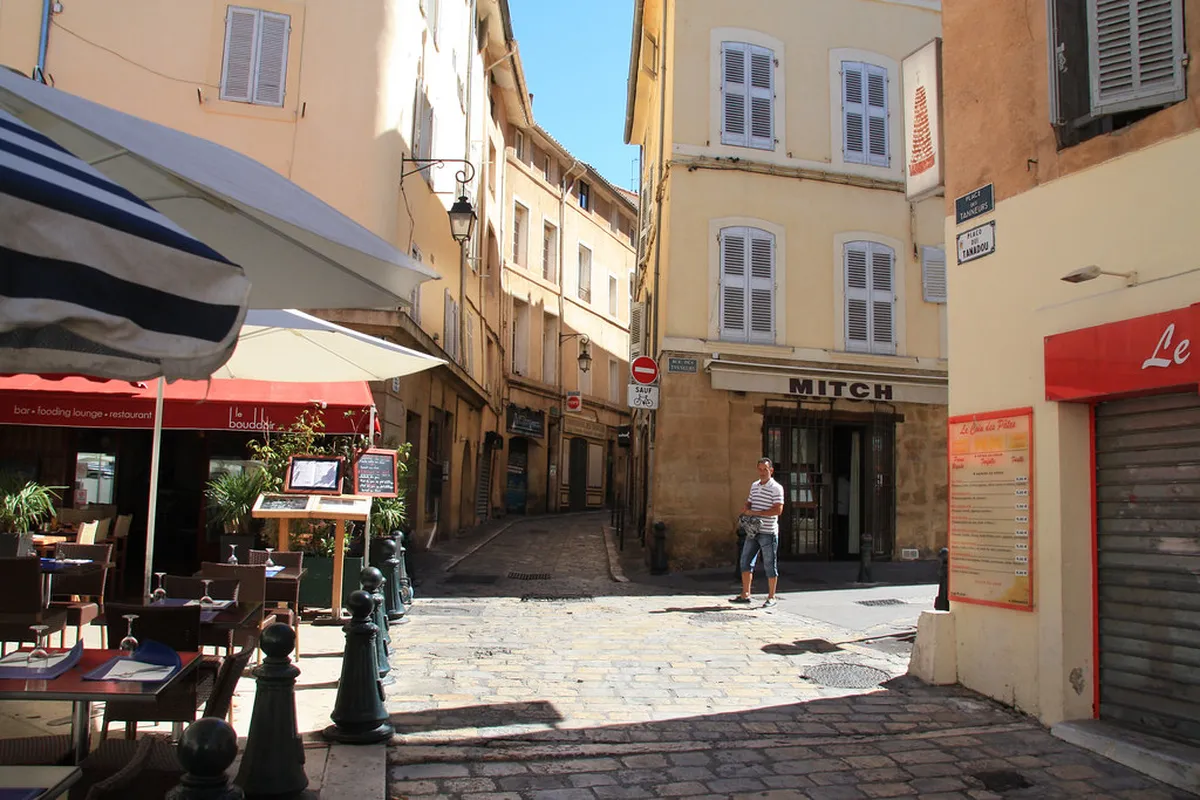
This city is famous for its warm honey-colored stone. The limestone glows under the bright Mediterranean sun. You will find a mix of Roman remnants and medieval paths. Grand 17th-century mansions line the wide boulevards today. It is a perfect place for those who love design and history.
Exploring this city requires a slow and steady pace. You can walk through centuries of design in one afternoon. Our guide helps you find the most iconic structures easily. Let us explore the magnificent Baroque architecture in Aix-en-Provence together. This journey through time will surely inspire your next vacation.
The Golden Age of Baroque Mansions
Aix-en-Provence flourished during the 17th and 18th centuries. Local aristocrats built grand private homes called Hôtels Particuliers. These buildings define the city's elegant and noble character. Most features include ornate carvings and massive wooden doors. You can see these structures throughout the historic center.
The facades often showcase the famous yellow stone from Bibémus. This material gives the city its warm and welcoming glow. Sculpted atlantes often support the heavy stone balconies. These figures add a sense of drama to the streets. Many of these mansions now serve as museums or offices.
One of the finest examples is the Hôtel de Caumont architecture and history. This site offers a glimpse into high-society life. The courtyard is grand and perfectly symmetrical. Inside, the decorative arts reflect the French Rococo style. It is a must-see for any design enthusiast in 2025.
Wrought iron work is another staple of this era. Look up to see intricate balcony designs on every block. These details were symbols of status for wealthy families. The craftsmanship remains impressive even after several hundred years. They represent the peak of local artistic skill.
Walking past these buildings feels like visiting an open-air museum. The scale of the windows suggests a need for light. Tall ceilings kept the rooms cool during hot summers. These design choices were both beautiful and very practical. They continue to define the city's luxury today.
The Symmetrical Beauty of Quartier Mazarin
The Quartier Mazarin represents a major shift in urban planning. Archbishop Michel Mazarin designed this district in the 1640s. He wanted a layout based on a strict grid system. This area contrasts sharply with the winding medieval streets nearby. It feels organized and very spacious for pedestrians.
Symmetry is the core principle of this beautiful neighborhood. Each street follows a clear and logical path. The houses share similar heights and decorative styles. This uniformity creates a sense of peace and order. It is the perfect place for a quiet morning walk.
You can learn more about the Quartier Mazarin urban design by visiting. The Rue Cardinale serves as the main axis here. It leads directly to the stunning Fountain of the Four Dolphins. This fountain sits at the center of a perfect square. The balance of the architecture is truly remarkable.
Most buildings here feature hidden interior courtyards. These private spaces offer shade and quiet from the city. Thick stone walls provide excellent insulation against the heat. Residents in the 17th century valued their privacy and comfort. You can still see these elements in modern renovations.
The district remains one of the most prestigious areas. Many international schools and galleries occupy these historic buildings. Real estate prices here are among the highest in France. Travelers enjoy the district for its photogenic and clean lines. It is a masterpiece of early modern urban planning.
Sacred Stones of the Saint-Sauveur Cathedral
The Cathedrale Saint-Sauveur is a living history of local faith. It combines styles from the 5th to the 18th century. You will see Romanesque, Gothic, and Baroque elements joined together. This mix makes it a unique architectural puzzle for visitors. Each century left a distinct mark on the walls.
The Romanesque section features a quiet and peaceful cloister. It was built in the late 12th century for monks. The carved columns depict various scenes from the holy bible. They show incredible detail for such ancient stone work. It remains a spot for quiet reflection today.
Check out the Cathedrale Saint-Sauveur architecture to see the Gothic portals. These massive doors feature intricate walnut carvings from 1505. They are often protected by wooden shutters to prevent damage. The height of the nave inside is truly breathtaking. It creates an atmosphere of immense scale and light.
The Merovingian baptistery is the oldest part of the site. It dates back to the early 6th century. Eight ancient columns surround the central stone baptismal font. These columns were likely taken from a nearby Roman temple. This reuse of materials was common in medieval times.
Visiting the cathedral is free for all travelers in 2025. Guided tours are available for the hidden upper sections. Be sure to check the opening hours before arriving. The cathedral sits at the top of the old town. It serves as a landmark for your entire trip.
Water and Stone: The City of Fountains
Aix-en-Provence is often called the city of a thousand fountains. These structures are essential to the city's architectural identity. They served as vital water sources for the local population. Today, they function as beautiful decorative landmarks for tourists. Each fountain has its own unique style and history.
The Fontaine de la Rotonde is the most famous example. It was built in 1860 at the city entrance. Three statues represent Justice, Agriculture, and the Fine Arts. This massive fountain uses a complex hydraulic system for water. It creates a grand welcome for all arriving visitors.
You should explore the historic fountains and hydraulic architecture across town. Some fountains are covered in thick green moss. The Fontaine d’Eau Thermale is a great example of this. Natural warm spring water flows through it all year. The moss grows quickly due to the constant moisture.
Smaller fountains sit tucked away in quiet neighborhood squares. The Fontaine des Quatre Dauphins is a local favorite. It features four dolphins carved from solid white stone. It stands in the heart of the Mazarin district. These fountains provided a social gathering spot for residents.
Maintaining these stone structures is a significant city expense. Regular cleaning prevents the limestone from eroding too quickly. The city uses recycled water to stay environmentally friendly. Seeing them at night is a magical experience for travelers. The water reflects the soft city lights beautifully.
Contemporary Architecture in Aix-en-Provence
Modern design is also changing the city's famous skyline. Architects now blend new materials with traditional stone styles. This creates a bridge between the past and the future. You will find several striking modern buildings near the center. They offer a sharp contrast to the Baroque mansions.
The Pavillon Noir is a bold example of modern art. Architect Rudy Ricciotti designed this black concrete structure. It serves as a national center for contemporary dance. The tangled concrete facade resembles a dark forest of trees. It is a masterpiece of modern structural engineering.
The contemporary architecture in Aix-en-Provence includes the Grand Theatre. This building features a circular glass and metal design. It sits near the modern district of Sextius-Mirabeau. This area was recently redeveloped for modern urban life. It includes shops, offices, and luxury apartments today.
The Cite du Livre is another impressive modern project. It is located inside a former match factory building. The entrance features giant books sculpted into the wall. It shows how old industrial sites can find new life. This library is a hub for local culture and students.
These new buildings use sustainable technology to save energy. Glass walls allow natural light to fill the interiors. Architects often include green spaces and rooftop gardens here. This focus on nature honors the Provencal landscape. It keeps the city modern while respecting its roots.
Practical Tips for Your Architecture Walk
Planning a walking tour is the best way to see everything. Start your journey at the Tourist Office near the Rotonde. They provide maps showing the most important architectural sites. Wear comfortable shoes as most streets are made of cobblestone. The city center is mostly flat and easy to walk.
Photography is best during the golden hour in Provence. The yellow limestone glows warmly just before the sun sets. This lighting makes the Baroque facades look truly spectacular. Avoid the midday sun for the best high-contrast photos. Many squares offer outdoor cafes for a quick rest.
Joining Aix-en-Provence architecture walking tours is very helpful. Professional guides explain the hidden symbols on the buildings. They can take you inside private courtyards usually closed. Most tours last about two to three hours total. They are worth the small fee for the knowledge.
Check the weather forecast before you head out today. Summers can be very hot with temperatures over 30°C. Carry a bottle of water to stay well hydrated. Many fountains offer drinkable water if they have a sign. Always look for the 'eau potable' label first.
Respect the residents while taking photos of their homes. Some mansions are still private residences for local families. Stay on the public paths and avoid blocking doorways. The city is very safe for solo travelers and families. Enjoy the peaceful atmosphere of this historic French town.
Frequently Asked Questions
What is the most famous building in Aix-en-Provence?
The Fontaine de la Rotonde is the city's most iconic landmark. It marks the entrance to the famous Cours Mirabeau. The Cathedral of Saint-Sauveur is also very well known. Both represent different eras of the city's long history.
Are the historic mansions open to the public?
Many mansions are private or serve as government offices. However, the Hôtel de Caumont is open as a museum. You can tour its grand rooms and gardens daily. Some other buildings open during special heritage days.
Why are the buildings in Aix-en-Provence yellow?
The buildings are made from local Bibémus limestone. This stone has a high iron content which creates gold hues. It glows beautifully under the strong Mediterranean sunlight. This color is a signature of the local architecture.
Can you walk to most architectural sites?
Yes, the historic center is very compact and walkable. Most major sites are within a fifteen-minute walk. The Quartier Mazarin is also adjacent to the old town. Walking is the best way to see the details.
Aix-en-Provence is a living tribute to French architectural history. From Roman foundations to modern glass theaters, the variety is stunning. The architecture in Aix-en-Provence tells a story of local pride and wealth. You will leave the city with a new appreciation for design. Start planning your 2025 trip to this beautiful French destination today.
Key Takeaways
- Explore the golden limestone mansions of the Baroque era.
- Visit the Quartier Mazarin for perfect 17th-century grid planning.
- See the diverse architectural styles at the Saint-Sauveur Cathedral.
- Photograph the iconic fountains scattered throughout the historic center.
- Check out the Pavillon Noir for a taste of modern design.