
Cathédrale Saint-Sauveur Architecture: 2025 Guide
Explore the unique Cathédrale Saint-Sauveur architecture in Aix-en-Provence. Learn about its 1,500-year history from Romanesque to Gothic styles. Plan your tour!
On this page
Aix-en-Provence hosts one of France’s most intriguing religious sites. The Cathédrale Saint-Sauveur architecture reveals layers of history spanning fifteen centuries. Visitors will see Roman, Romanesque, Gothic, and Baroque elements in one place. This site reflects the long history of architecture in Aix-en-Provence through the ages.
Legend says the cathedral stands on the site of a Roman forum. Ancient stones form the foundation of this majestic structure today. The building grew over centuries as styles and rulers changed. You can see these changes in every wall and window. Walking through the doors feels like entering a living history book.
The cathedral remains an active place of worship for the city. It welcomes thousands of visitors who seek beauty and silence. In 2025, the building continues to inspire architects and history buffs. Its mix of styles creates a visual puzzle for everyone to enjoy. This guide explores the details of this Provençal masterpiece.
Ancient Foundations and Roman Roots
The cathedral sits atop the old Roman forum of Aquae Sextiae. Builders used ancient Roman materials to create the new church walls. This practice was common during the early medieval period in France. Look closely at the lower masonry to see these ancient blocks. You will find clear evidence of the city's deep Roman history.
Archaeologists discovered remains of a Roman temple under the current floor. These ruins suggest the site was sacred for many millennia. The transition from pagan temple to Christian church took several centuries. Today, the cathedral stands as a bridge between two worlds. It connects the Roman era to the modern French landscape.
The layout of the site follows the original Roman street grid. This design influenced the orientation of the various nave sections. Large stones from the forum provide a sturdy base for the walls. These repurposed materials are visible near the base of the baptistery. They remind us of the city's ancient architectural heritage.
Visiting the site allows you to walk through different eras easily. The southern wall contains some of the oldest structural components found here. Most of these stones date back to the first or second century. They have supported the building through wars and natural disasters. This strength is a testament to Roman engineering skills.
The Serene Romanesque Cloister
The Saint-Sauveur Romanesque cloister is a highlight for many visitors. It dates back to the late twelfth century and offers peace. Small twin columns support the delicate arches around the courtyard. Each column features unique carvings that tell biblical or local stories. The craftsmanship shows the skill of medieval stone masons.
The capitals of the columns are particularly famous for their detail. You can see depictions of the apostles and mythical creatures here. One capital shows the three kings visiting the baby Jesus. Another features the Resurrection of Christ with great artistic clarity. These carvings were intended to educate those who could not read.
The cloister provided a space for prayer and quiet meditation. Canons lived here and walked these paths for many generations. The atmosphere remains calm despite the busy city streets nearby. Sunlight filters through the arches to create beautiful shadows on the floor. It is a perfect spot for architectural photography in 2025.
Maintenance of the cloister is a priority for the local heritage office. The delicate marble requires protection from the harsh elements of Provence. You should book a guided tour to see this section properly. Access is often restricted to preserve the ancient stone surfaces. The small fee is worth the chance to see this art.
Gothic Magnificence and the Main Portal
The central nave displays the soaring heights of the Gothic style. Builders added this section during the fourteenth and fifteenth centuries. Pointed arches and ribbed vaults dominate the internal visual space here. These features allowed for taller walls and much larger windows. Light floods the interior, creating a sense of divine space.
The Gothic portals of Aix-en-Provence cathedral are truly masterpieces of woodcarving. Artisans carved the main doors from walnut in the early sixteenth century. They feature statues of the prophets and the various sybils. These doors are usually protected by wooden shutters to prevent damage. They are only revealed on special occasions or during tours.
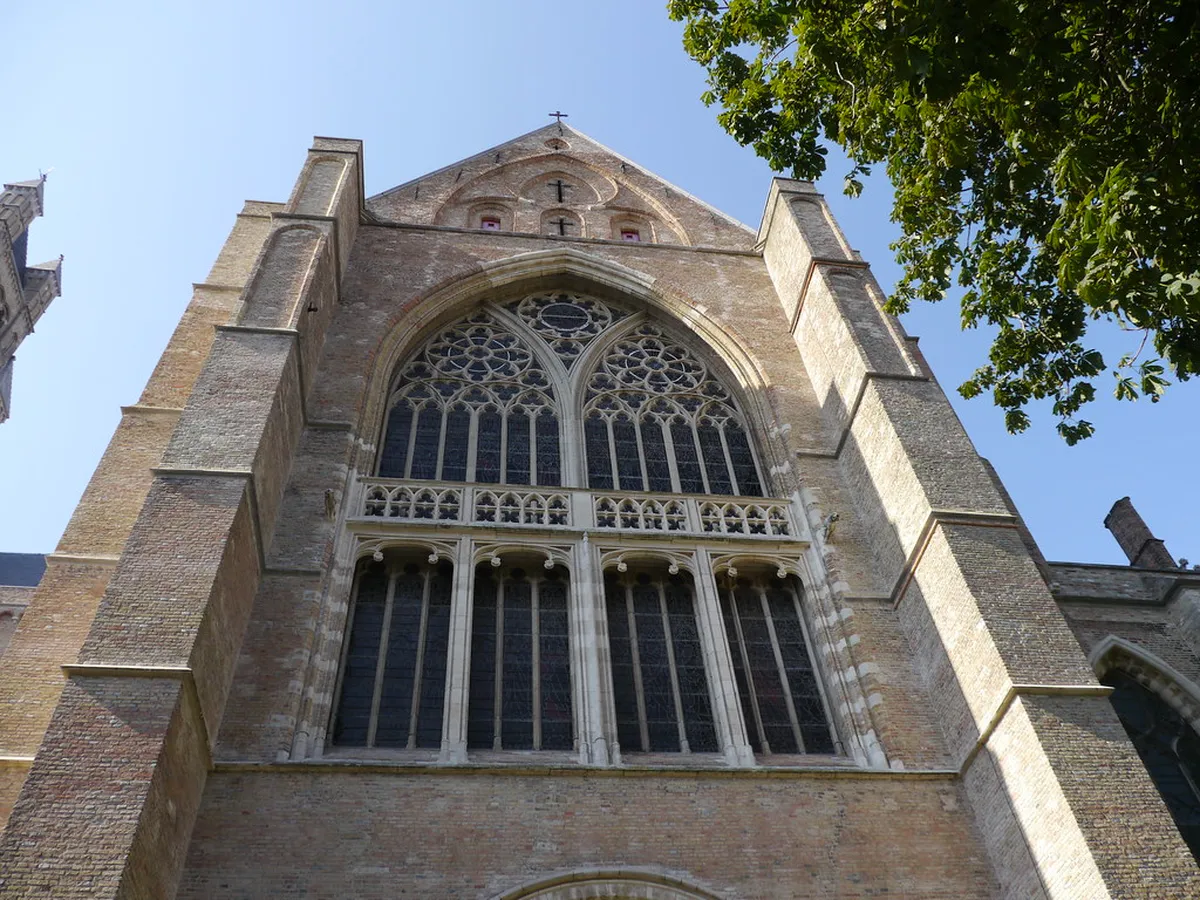
Flamboyant Gothic details adorn the upper sections of the facade. The bell tower rises high above the square with intricate stone tracery. It was completed in stages between 1323 and 1425. The tower houses several historic bells that still ring today. Its silhouette is a defining feature of the city's skyline.
The transition between the different naves is quite visible inside. You can stand in the middle and see three distinct styles. To the left is the Romanesque nave with its heavy walls. The center holds the Gothic nave with its elegant height. This architectural variety makes the cathedral unique in all of France.
The Mysterious Merovingian Baptistery
The merovingian baptistery in Aix-en-Provence is one of France's oldest. It dates back to the sixth century and remains largely intact. The room has an octagonal shape which was traditional for early baptisteries. Eight ancient Roman columns surround the central baptismal pool in the floor. These columns were taken from a nearby Roman temple.
The baptistery was used for full immersion baptisms in ancient times. Converts would step down into the water to show their faith. The dome above the pool was added during the Renaissance period. It replaced an earlier structure that had fallen into total disrepair. This mix of eras is typical of the whole cathedral.
The floor around the pool contains original marble from the early church. You can see the wear from centuries of use by pilgrims. Modern lighting now highlights the textures of the old brickwork. The space feels cool and quiet even on hot summer days. It is one of the most sacred parts of the building.
Visitors can enter the baptistery during specific hours of the day. It is located to the right of the Romanesque nave. A small gate usually protects the ancient central immersion pool area. Respectful silence is required while exploring this very old space. It offers a rare look at early Christian architectural design.
Baroque Additions and Artistic Treasures
The seventeenth century brought Baroque influences to the cathedral's interior. Builders added new chapels and decorative elements to the side aisles. You will see ornate altars finished with gold leaf and marble. These additions reflect the wealth of the church during that era. They provide a sharp contrast to the simpler Romanesque sections.
One of the greatest treasures is the Triptych of the Burning Bush. Nicolas Froment painted this masterpiece for King René in 1476. It sits in a side chapel and is usually kept closed. The painting shows the Virgin Mary and the infant Jesus. It is considered a pinnacle of fifteenth-century European religious art.
Large tapestries from the sixteenth century also decorate the cathedral walls. These Flemish works depict the life of Christ in great detail. They were originally made for Canterbury Cathedral in England. During the Reformation, they were sold and brought to Provence. They have remained in Aix for over three hundred years.
The organ is another impressive piece of Baroque architectural design. It features a grand wooden case with many carved figures. The pipes produce a rich sound that fills the large Gothic nave. Organ concerts are held frequently during the summer months in 2025. Hearing the music in this space is a memorable experience.
Practical Tips for Architecture Lovers
The cathedral is located at 34 Place des Martyrs-de-la-Résistance. It is open daily from 8:30 AM to 6:00 PM. Entry to the main cathedral areas is free for everyone. You should check the mass schedule before planning your visit. Avoid taking photos during religious services to respect the local worshippers.
Guided tours are the best way to see the cloister. These tours usually cost around 5 Euros per person. You can find tickets at the nearby tourism office. The guides provide deep insights into the stone carvings and history. They explain the complex timeline of the building's construction phases.
Wear comfortable shoes as the floors are often uneven and old. Some areas are dimly lit to protect the ancient artwork. Bring a small flashlight to see details on the Romanesque capitals. The square outside the cathedral is perfect for a coffee break. You can sit and admire the Gothic bell tower from afar.
The cathedral is most beautiful in the late afternoon sun. Light hits the facade and brings out the golden stone colors. This is the best time for taking high-quality exterior photos. Winter visits are also great because the crowds are much smaller. The interior stays cool in summer and mild in the winter.
Frequently Asked Questions
Is the Cathédrale Saint-Sauveur free to enter?
Yes, entry to the main cathedral is free for all visitors. You may need to pay for guided tours of the cloister. These tours offer access to restricted areas with historic carvings. Donations are always welcome to help with the building's maintenance.
When was the Cathédrale Saint-Sauveur built?
The cathedral was built in stages from the 6th to the 18th century. It features a Merovingian baptistery and a 12th-century Romanesque cloister. The main Gothic nave was added during the 14th and 15th centuries. This long construction period created its unique architectural mix.
Can I see the Triptych of the Burning Bush?
The Triptych is located in a side chapel within the cathedral. It is usually closed to protect the delicate paint from light. It is opened on specific feast days or for special guided tours. Check the local schedule to see if it is visible.
How do I get to the cathedral in Aix-en-Provence?
The cathedral is located in the northern part of the old town. It is a short walk from the famous Cours Mirabeau. Most visitors arrive on foot while exploring the historic city center. Parking is available in public garages located just outside the pedestrian zone.
The Cathédrale Saint-Sauveur is a must-see for any architecture enthusiast visiting France. Its blend of Roman, Gothic, and Baroque styles is truly rare. You will enjoy discovering the medieval and roman remnants in Aix through this site. The building tells the story of the city's growth over two millennia. Plan your visit in 2025 to experience this historic beauty firsthand. Do not forget to explore the surrounding streets for more architectural gems.
Key Takeaways
- See 1,500 years of architectural history in one building.
- Visit the 6th-century baptistery, one of the oldest in France.
- Book a tour to see the intricate Romanesque cloister carvings.
- Admire the rare Triptych of the Burning Bush masterpiece.
- The cathedral is free to enter and centrally located.
Related reads: architecturebycity.com.