
Explore Gothic Portals of Aix-en-Provence Cathedral
Discover the intricate Gothic portals of Aix-en-Provence Cathedral. Explore this 2025 Flamboyant masterpiece and learn about its history and design today.
On this page
The Gothic portals of Aix-en-Provence Cathedral are a stunning example of late medieval French craftsmanship. You will find these impressive portals on the western facade of the famous Cathédrale Saint-Sauveur. Visitors in 2025 can still admire the intricate details of this historic and religious city entrance. It remains one of the most significant parts of the diverse Aix-en-Provence architecture found today.
This masterpiece stands as a testament to the Flamboyant style of the early sixteenth century period. The construction of the portal was a major event for the local community during that time. Builders worked for many years to create the complex patterns seen in the local limestone walls. You can see the transition from the Middle Ages to the Renaissance in these stone carvings.
History of the Flamboyant Gothic Facade
Construction of the great Gothic portal began in 1472 during a time of great local growth. It took several decades for the master masons to complete the entire western cathedral facade. The project reflected the immense wealth of Provence during this very prosperous golden age of art. King René of Anjou supported many local building projects and influenced the design of the city.
Architects chose the Flamboyant style for its incredible decorative potential and visual impact on visitors. This style uses thin stone ribs to create complex patterns that look like flickering flames. You can see these flame-like patterns in the delicate stone tracery above the main wooden doors. The design successfully reflects the cultural transition into the early French Renaissance period and style.
The stone used for the portal came from local quarries located near the city of Aix. This warm limestone glows with a soft golden hue when the sun hits the western facade. Workers carved the stone with great care to ensure the details would last for many centuries. Today the facade stands as a symbol of the creative spirit of the late medieval era.
Many changes occurred to the facade during the social unrest of the late eighteenth century. Some original statues were damaged or removed by the groups during the French Revolution period. Restoration efforts in later centuries helped to bring back the original glory of the cathedral entrance. Modern visitors can appreciate the work of both original builders and careful historical restoration teams.
The Masterful Carved Walnut Doors
The cathedral is famous for its massive doors carved from rich walnut wood in 1504. Master craftsman Jean Guiramand created these detailed scenes over a period of many busy months. Each panel displays intricate figures from both the Old and the New Testaments of the Bible. These doors remain some of the finest examples of wood carving in the southern French region.
To protect the wood the church keeps the doors behind heavy protective wooden shutters most days. You must ask a guide or staff member to open the shutters for a full view. Seeing the dark wood against the light stone of the facade is a truly remarkable sight. This preservation effort ensures that the fine details remain visible for many future generations of travelers.
The figures on the doors represent various prophets and sibyls from ancient religious traditions and texts. Each figure possesses unique features and clothing that show the high skill of the Renaissance artist. These carvings highlight the transition from the medieval style to more realistic human forms and poses. You should take your time to study the delicate patterns found on the surrounding wooden frames.
In 2025 these doors continue to draw historians and art lovers from all over the world. The rich patina of the walnut wood has only grown more beautiful with the passage of time. They serve as a centerpiece for any study of Cathédrale Saint-Sauveur architecture and design. Make sure to check the cathedral schedule to see when the doors are fully revealed.
Sculptural Details and Religious Iconography
The sculptural program of the portal was designed to teach religious stories to the local people. Large statues of the twelve apostles once stood in the niches flanking the central door. While some statues are modern replacements they still convey the original intent of the medieval builders. These figures stand as silent guardians of the sacred space located behind the heavy walnut doors.
The tympanum above the door is surprisingly plain compared to other large French Gothic cathedrals. Architects often used this space for complex scenes of the Last Judgment or other biblical events. In Aix the focus remains on the surrounding arches and the beautiful tracery of the upper levels. This unique design choice sets the cathedral apart from the traditional Gothic cathedrals of the north.
Look closely at the smaller carvings found at the base and the sides of the portal. You will find small animals and floral patterns hidden among the complex stone foliage and decorations. These small details show the playfulness and the deep observational skills of the late medieval stone carvers. They represent the natural world that the builders saw around them in the Provencal countryside.
The upper part of the portal features a large window with very delicate stone supporting the glass. This window allows light to flood into the nave while adding to the beauty of the facade. The vertical lines of the Gothic style draw the eyes of the viewer upward toward the sky. This verticality was a key feature of the religious architecture during the late Middle Ages.
Integration with Saint-Sauveur Architecture
The Gothic portal is just one part of a very complex and multi-layered religious building. It stands right next to a Romanesque portal that dates back to the twelfth century. This mix of styles creates a fascinating visual history of the city and the church itself. You can see how architectural tastes changed over hundreds of years in a single location.
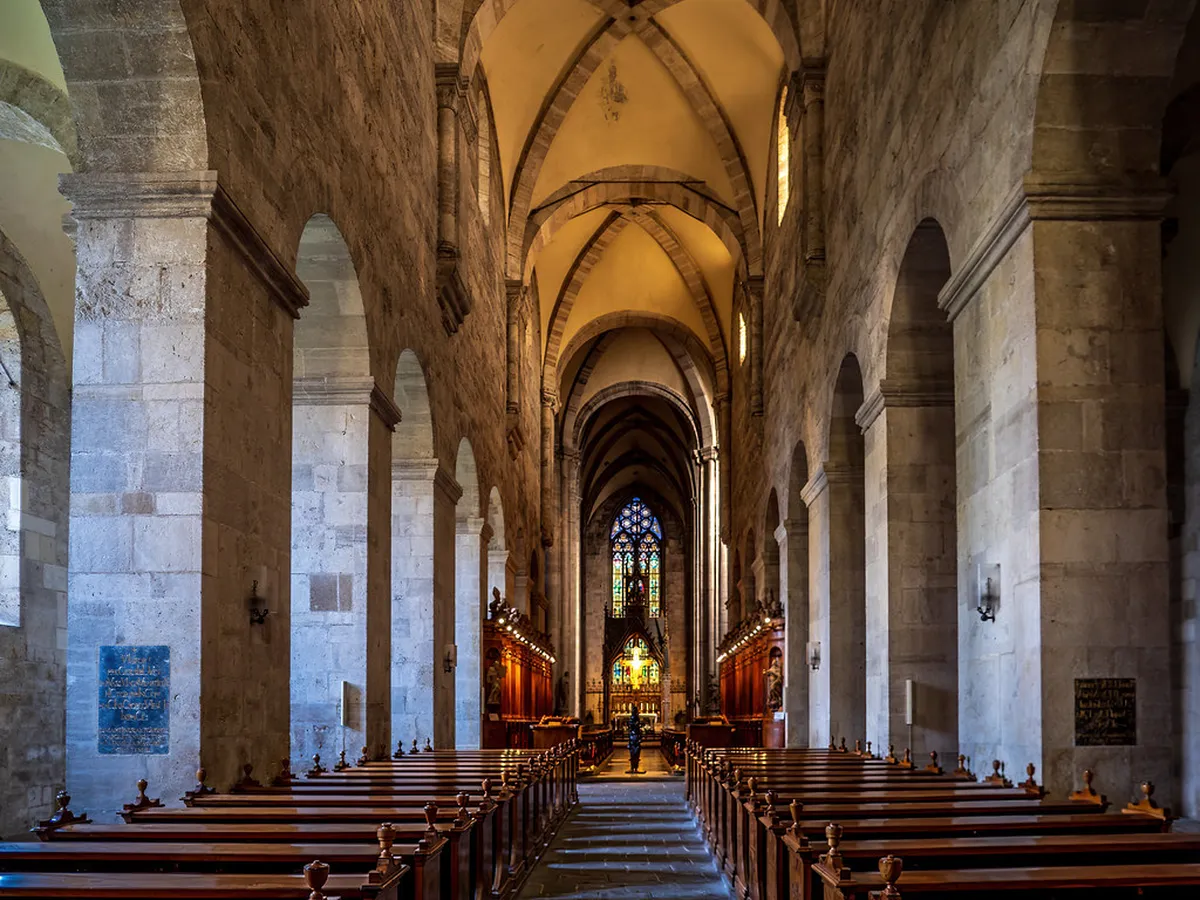
The interior of the cathedral also reflects this mix of different historical periods and architectural styles. Roman columns stand near Gothic arches while a Romanesque cloister remains a peaceful place for quiet reflection. The Gothic portal serves as the grand entrance to this complex world of stone and history. It bridges the gap between the older Roman foundations and the later Renaissance additions.
Placing the Gothic facade on the west side was a standard practice for many European cathedrals. This orientation allowed the portal to catch the light of the setting sun every evening. The golden hour provides the best lighting for seeing the deep shadows in the stone carvings. Many photographers visit at this time to capture the best images of the historic cathedral exterior.
Today the cathedral remains a functional place of worship and a key site for cultural events. The Gothic portals provide a grand backdrop for many local festivals and religious processions throughout the year. They are not just museum pieces but a living part of the community in Aix-en-Provence. The architecture continues to inspire those who walk through these doors every single day.
Guide for Architectural Photography in 2025
Capturing the beauty of the Gothic portals requires some planning regarding the time of day and light. The west-facing facade receives the best direct sunlight during the late afternoon and early evening hours. You should bring a tripod to capture the fine details of the stone and wood carvings. Early morning light offers a softer glow that is also very beautiful for architectural photography.
Focus your lens on the individual figures of the prophets found on the walnut door panels. Use a wide aperture to blur the background and make the carvings stand out in your photos. The texture of the old wood provides a great subject for macro photography and close-up shots. Be sure to respect the quiet nature of the space if you are taking photos inside.
Step back across the square to capture the full scale of the Gothic facade in one shot. The square in front of the cathedral can get busy with many tourists and local people. Try to visit early in the week to avoid the largest crowds of the weekend visitors. In 2025 the city of Aix-en-Provence remains a very popular destination for European travelers.
Wide-angle lenses are helpful for capturing the height of the portal and the surrounding cathedral towers. Look for unique angles that show the relationship between the Gothic stone and the older Romanesque sections. Photography is a great way to document your study of the unique architecture of this region. Share your photos with other art lovers to help promote the preservation of these sites.
Frequently Asked Questions
When were the Gothic portals of Aix-en-Provence Cathedral built?
The construction of the main Gothic portal began in 1472 and continued into the early sixteenth century. It was finished around 1505 under the direction of several master masons and local architects. This period represents the peak of the Flamboyant Gothic style in the southern region of France.
Who carved the famous wooden doors of the cathedral?
The walnut doors were carved by the master craftsman Jean Guiramand between 1504 and 1505. They feature detailed scenes of prophets and sibyls in a style that transitions into the Renaissance. You can learn more about these treasures on aix-en-provence architecture walking tours led by experts.
Can you see the walnut doors every day?
The doors are often covered by heavy wooden shutters to protect the delicate carvings from the weather. You usually need to join a guided tour or ask a staff member to see them. The cathedral is generally open daily but the doors may not always be visible to everyone.
The Gothic portals of Aix-en-Provence Cathedral are an essential stop for any lover of historic architecture. They represent the artistic transition of France from the medieval world into the bright light of the Renaissance. Plan your visit in 2025 to see these incredible stone and wood carvings with your own eyes. You will gain a deeper appreciation for the skill and the dedication of the ancient builders.
Key Takeaways
- Admire the 1504 walnut doors by Jean Guiramand.
- Visit in the late afternoon for the best photography light.
- Look for the Flamboyant flame-like patterns in the stonework.
Related reads: architecturebycity.com, saint sauveur romanesque cloister, merovingian baptistery in aix en provence.