
Merovingian Baptistery in Aix-en-Provence: A Guide
Discover the Merovingian baptistery in Aix-en-Provence. Explore 6th-century architecture and history. Plan your 2025 trip to this ancient French site today!
On this page
Aix-en-Provence is a historic city known for its deep and fascinating history. It features many stunning buildings that come from several different time periods. One of the greatest treasures here is the Merovingian baptistery in Aix-en-Provence. This stone structure stands as a rare and vital witness to early Christian history.
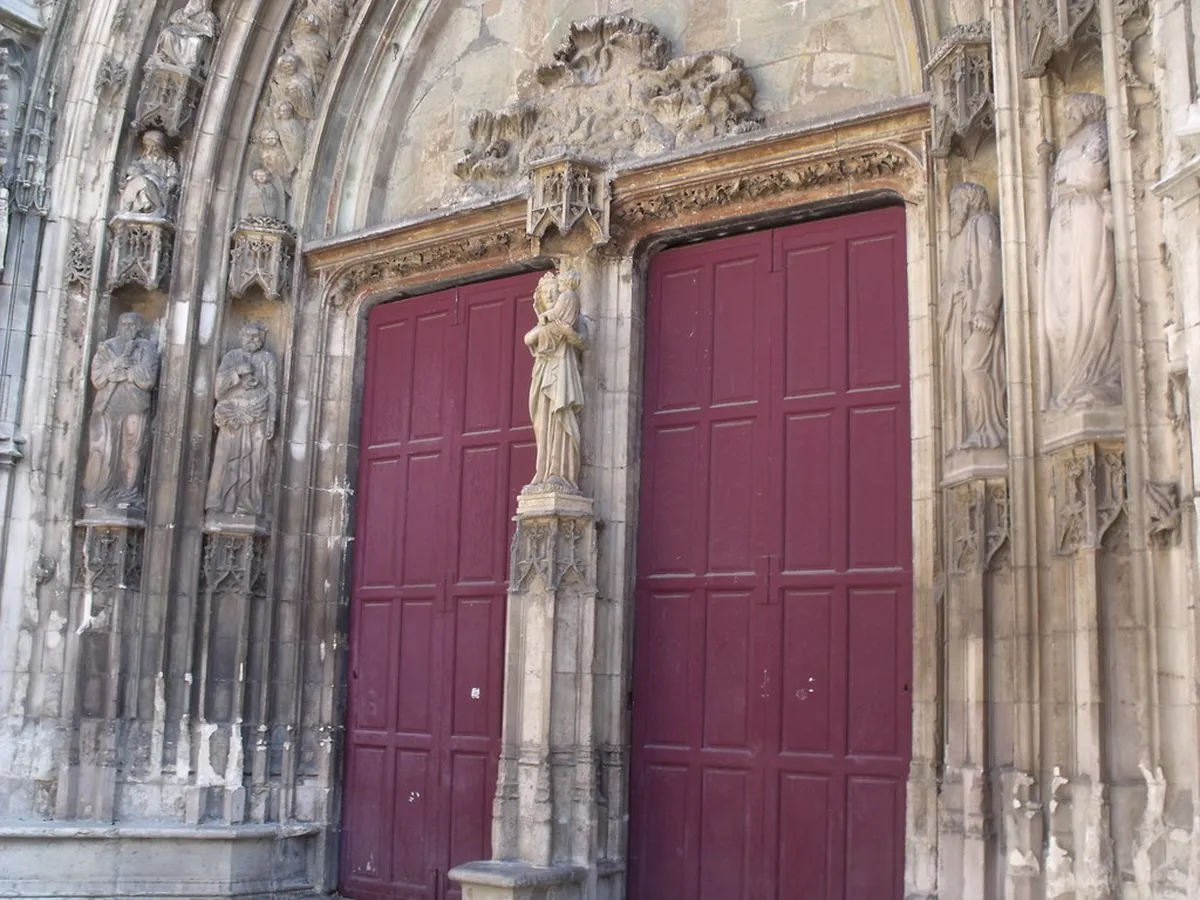
Located inside the Saint-Sauveur Cathedral, the baptistery draws many curious visitors every year. It offers a peaceful space for quiet reflection and detailed historical study. You will find incredible examples of ancient engineering within these thick stone walls. Let us explore the rich details of this archaeological wonder in southern France.
History of the Merovingian Baptistery
The Merovingian baptistery in Aix-en-Provence dates back to the late sixth century. Builders constructed this holy site during a time of great and rapid cultural change. It served as a vital spiritual center for the growing local Christian community. Its survival through many centuries is a truly remarkable and rare historical feat.
Most of the materials used in the original construction were carefully recycled. Workers took marble columns and stone blocks from older Roman public buildings nearby. This practice was quite common during the early Middle Ages across southern France. It helped preserve beautiful Roman craftsmanship within a new and sacred religious context.
The site is a key part of the Cathédrale Saint-Sauveur architecture today. It represents the oldest standing portion of this massive and ancient church complex. Visiting this area allows you to step back over fourteen hundred years easily. You can feel the weight of deep history in every single stone block.
Throughout the following centuries, the baptistery underwent several important and necessary structural changes. Local leaders wanted to ensure the building remained safe and fully functional. They added a new roof and reinforced the walls during the later Renaissance. These layers tell the story of a city that never stopped growing.
Today, the baptistery is recognized as a protected national monument of France. It attracts many historians, architects, and curious travelers from all over the world. Protecting this site ensures that future generations can learn about ancient Merovingian life. It remains a crown jewel of the rich Provencal archaeological heritage.
Core Architectural Features and Design
The baptistery features a classic octagonal layout that is very visually impressive. This eight-sided shape was chosen for its deep spiritual and symbolic meaning. It allowed for easy movement around the central baptismal font during religious rituals. The symmetry creates a sense of balance and calm for everyone standing inside.
Eight magnificent marble columns support the weight of the central upper roof structure. These columns are examples of ancient spolia, which means repurposed building materials. They likely came from a Roman temple originally dedicated to a pagan deity. Their presence links the classical past with the early Christian era perfectly.
At the center of the floor sits the original and ancient baptismal pool. It is deep enough for the full immersion ceremonies used in the past. Modern visitors can see the pipes that once carried fresh water inside regularly. This level of hydraulic engineering shows the skill of ancient local builders.
The upper dome was modified during the sixteenth century to add modern strength. However, the original proportions of the Merovingian design are still very clear today. Sunlight enters through small openings located high up in the thick stone walls. This lighting creates a dramatic effect on the ancient and textured surfaces.
Decorative elements such as carved capitals sit atop the ancient marble columns. These carvings show traditional patterns from the late Roman and early medieval periods. Each detail provides a clue about the aesthetic values of that distant time. You should bring a good camera to capture these intricate artistic features.
Archaeological Discoveries in the Cathedral
Extensive excavations have revealed many medieval and Roman remnants in Aix. Archaeologists began working inside the cathedral grounds during the late twentieth century. They found layers of older structures buried deep beneath the current church floor. These finds provide a clear timeline of human activity in the city.
One major discovery was the physical footprint of the original Roman forum. The cathedral was built directly on top of this ancient and busy center. This location choice shows how the city transitioned from paganism to Christianity. The forum was once the heart of all public life in Roman Aix.
Researchers also found ancient pottery shards and metal tools near the baptistery. These items suggest that the area was used for daily living and trade. The artifacts help historians understand the diet and habits of early citizens. Each small piece adds to the larger story of ancient Provencal life.
Scientific dating methods have confirmed the true age of the baptistery walls. Experts used mortar analysis and tree-ring dating on ancient wooden roof supports. This data proves the structure was built around the year 500 AD. Such precision helps archaeologists map the spread of early Christian architecture.
Ongoing conservation work helps to protect these fragile and unique archaeological finds today. Specialists use laser scanning to monitor any shifts in the ancient stone foundations. This technology ensures that the baptistery remains stable for many more years. Visitors are often lucky enough to see these experts at work.
Symbolic Importance of the Octagon
The eight-sided design of the baptistery carries a heavy and spiritual weight. In early Christian theology, the number eight represented the day of resurrection. It signifies the start of a new life after the week of creation. This made the shape perfect for a place of sacred ritual baptism.
Many other famous baptisteries across Europe also use this specific and octagonal form. It became a standard architectural language for early church builders in the West. The shape provides an ideal path for processions around the central water source. This movement was a key part of the religious experience.
The geometry of the room also enhances the acoustics of the space. Chants and prayers would echo beautifully against the eight flat wall sections. This creates a powerful auditory experience for those gathered inside the room. It was designed to inspire awe and devotion in the faithful.
You can see how the octagon bridges the gap between circles and squares. In ancient philosophy, the square represented the earth while the circle represented heaven. The octagon was the transition point where the two realms finally met. This symbolism would have been clear to the educated elite of Aix.
Understanding these symbols makes a visit to the site much more meaningful. It is not just a room made of old stone and marble. It is a carefully crafted space intended to communicate complex religious ideas. Take a moment to sit and appreciate the silent wisdom here.
Planning Your Visit in 2025
Visiting the Merovingian baptistery in Aix-en-Provence is easy for most travelers today. The cathedral is located in the heart of the historic Old Town area. You can walk there from the famous Cours Mirabeau in ten minutes. It is a perfect stop during a day of city exploration.
Entry to the main cathedral is usually free for all members of the public. However, access to the baptistery area might require a small guided tour fee. These funds help the local diocese maintain the ancient structure for guests. Always check the official cathedral website for the latest 2025 pricing.
Many people choose to join Aix-en-Provence architecture walking tours. These professional tours provide deep context that you might miss on your own. Expert guides explain the history of the columns and the font clearly. It is the best way to see the hidden details.
Remember that the cathedral is still an active place of religious worship. Be respectful of ongoing services or private prayers while you are visiting. Wear modest clothing and keep your voice low as you walk through. This ensures a pleasant experience for both tourists and local residents.
The best time to visit is during the early morning hours on weekdays. You will avoid the large tour groups that often arrive in the afternoon. This allows you to photograph the baptistery without many people in your shot. The morning light also highlights the texture of the marble.
Preserving the Heritage of Provence
The Merovingian baptistery is a vital part of the regional identity of Provence. It reminds locals of their long history as a center of culture. The preservation of such sites requires constant funding and very hard work. The French government provides significant support for these important architectural landmarks.
Local schools often bring children here to learn about their ancient ancestors. Seeing the physical stones makes history feel much more real for students. It sparks an interest in archaeology and the conservation of old buildings. This education is key to keeping the heritage of Aix alive.
Global warming and rising humidity levels pose new threats to stone structures. Conservationists use climate control systems to manage the air inside the baptistery. They must balance the need for airflow with the protection of stones. This delicate work happens mostly behind the scenes during the year.
You can support these efforts by visiting and sharing your experiences with others. Word of mouth helps bring more attention to these lesser-known historical gems. Travel blogs and social media posts can highlight the beauty of design. Every visitor plays a small role in the survival of the site.
As we look toward the future, the baptistery remains a steady anchor. It has survived wars, plagues, and the slow passage of many centuries. Its presence in 2025 is a testament to the durability of architecture. Do not miss the chance to see it for yourself.
Frequently Asked Questions
When is the best time to visit the baptistery?
The best time to visit is on weekday mornings in 2025. You should arrive when the cathedral opens to avoid the large crowds. This allows for a much more peaceful and detailed historical experience. Always check the service schedule before you plan your trip.
Are guided tours available for the Merovingian baptistery?
Yes, the cathedral offers guided tours that include the ancient baptistery area. You can also join city-wide walking tours that stop at this site. These tours provide expert insights into the unique Merovingian and Roman architecture. Booking in advance is recommended during the busy summer season.
Is photography allowed inside the ancient baptistery?
Personal photography is generally allowed inside the cathedral and the baptistery area. You should avoid using a flash to protect the ancient stone surfaces. Professional equipment like tripods may require special permission from the cathedral staff. Always be respectful of other visitors while you take your photos.
How much does it cost to enter the baptistery?
Entry to the Saint-Sauveur Cathedral is free for all visitors in 2025. Access to the specific baptistery room may involve a small tour fee. These small costs go directly toward the preservation of the archaeological site. Check the entrance signs for the most current pricing information.
The Merovingian baptistery in Aix-en-Provence is a truly unique historical site. It blends Roman materials with early Christian design in a beautiful way. You will walk away with a deeper understanding of French history. It is a highlight of any trip to the region.
Make sure to plan your visit soon to experience this ancient wonder. Explore the cathedral and the surrounding streets of the historic Old Town. The city of Aix-en-Provence awaits you with many more treasures. Enjoy your journey through the layers of time in southern France.
Key Takeaways
- The baptistery dates back to the late 6th century and is a rare Merovingian site.
- It features an octagonal design with eight recycled Roman marble columns.
- Located inside Saint-Sauveur Cathedral, it is easily accessible in the Old Town.
- The site represents a transition from Roman forum life to early Christian worship.
- Guided tours are the best way to understand the complex history and symbolism.
Related reads: architecturebycity.com, architecture in aix en provence, saint sauveur romanesque cloister.