
Discover the Saint-Sauveur Romanesque Cloister
Explore the Saint-Sauveur Romanesque cloister in Aix-en-Provence. Discover 12th-century art and history in our 2025 guide for travelers and architecture fans.
On this page
The Saint-Sauveur Romanesque cloister is a peaceful sanctuary located in the heart of Aix-en-Provence. This historic site showcases the incredible skill of 12th-century stonemasons and architects. Visitors can explore the quiet galleries and admire the detailed carvings on every column. This architectural masterpiece stands as a testament to the medieval power of Provence.
You will find this hidden gem tucked away inside the famous cathedral complex in the city center. The cloister offers a quiet retreat from the busy city streets of modern France. It remains one of the most significant examples of architecture in Aix-en-Provence today. A visit here provides a deep connection to the religious history of southern France.
In 2025, the cloister continues to attract travelers who appreciate medieval art and serene environments. The sunlight filters through the arches and creates beautiful patterns on the ancient stone floors. You should take a moment to sit in the garden and listen to the birds. This experience offers a rare sense of peace amidst the lively streets of the town.
History of the Saint-Sauveur Romanesque Cloister
The Saint-Sauveur Romanesque cloister was built during the late 12th century for the local canons. These religious men lived according to the Rule of Saint Augustine within the cathedral grounds. They required a private space for prayer, meditation, and walking between their daily duties. The construction reflects the Romanesque style that dominated the region during the Middle Ages.
This period in history saw a great expansion of religious building projects across the south of France. Builders utilized high-quality limestone to ensure the structure would last for many centuries. The design follows a traditional square layout with four distinct galleries facing a central courtyard. Each gallery served a specific purpose for the community of canons living in the city.
The cloister survived many centuries of political change and religious shifts in the Provencal region. It remains largely intact despite the various expansions of the larger cathedral building over time. Modern historians value this site for its preservation of medieval artistic techniques and symbolic meanings. It provides a clear window into the daily lives of clergy during the 1100s.
Preservation efforts in recent years have helped protect the delicate stone carvings from natural erosion. Experts work carefully to maintain the structural integrity of the columns and the vaulted ceilings. You can see the results of this careful work during your visit in 2025. The site stands as a bridge between the ancient past and the modern world.
The history of the cloister is deeply tied to the growth of the surrounding Cathédrale Saint-Sauveur architecture projects. As the cathedral grew, the cloister remained a focal point for the spiritual life of the city. It represents a time when faith and art were perfectly combined in stone. Learning about this history enhances the experience of walking through these ancient halls.
Many visitors feel a sense of awe when they realize how old these stones truly are. The craftsmanship reflects a devotion that goes beyond simple construction or basic building needs. Each arch and pillar was designed to inspire the soul and provide a sense of order. This history is still very much alive in the quiet corners of the galleries.
Architectural Design and the Four Galleries
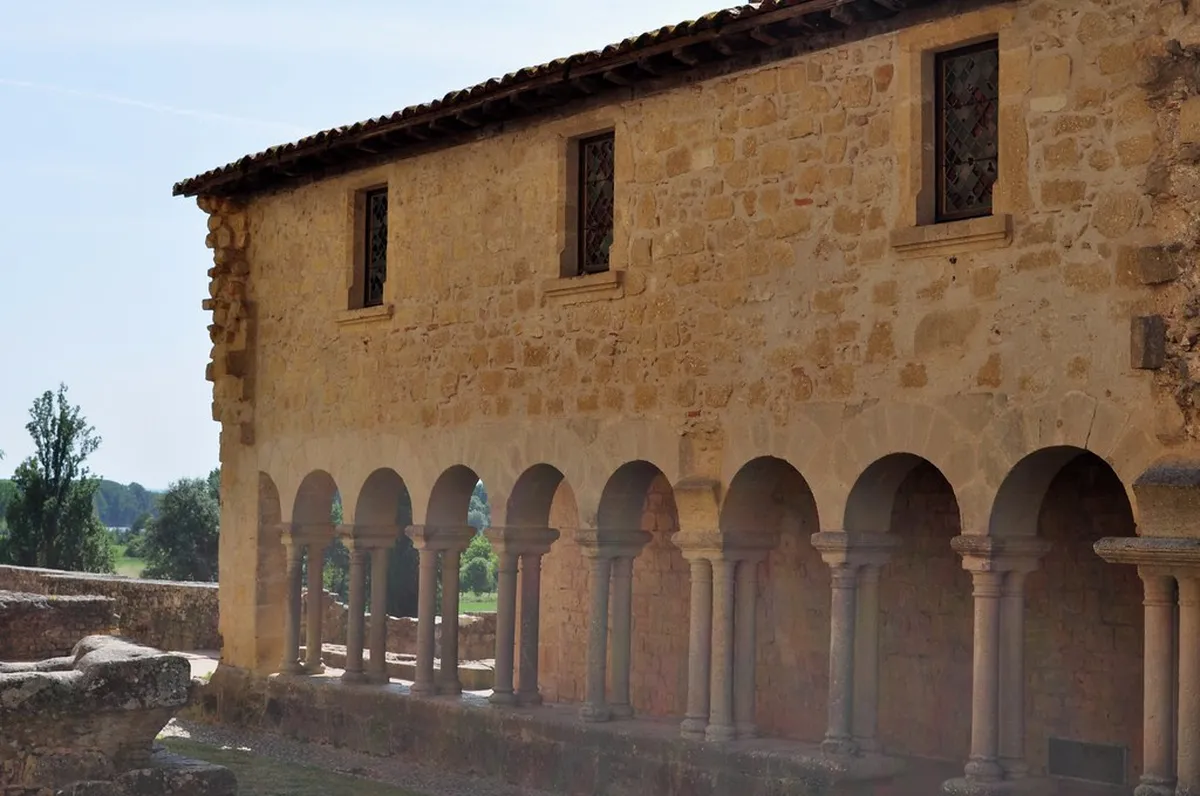
The Saint-Sauveur Romanesque cloister features a sophisticated design that balances light and heavy stone elements. Each of the four galleries has a unique character based on its location and carvings. The slender twin columns support the weight of the roof with surprising grace and elegance. This creates a sense of openness despite the heavy materials used in the construction process.
Architects used local limestone which ages beautifully into a warm and golden hue over time. This stone is soft enough for detailed carving but strong enough to withstand the elements. You will notice that the columns are grouped in pairs to provide extra stability and style. The arches between the columns are perfectly rounded in the classic Romanesque tradition of the era.
The northern gallery is often considered the most beautiful due to its highly detailed carvings. It features scenes that depict important moments from the life of Saint Peter and other figures. The southern gallery offers a simpler design that highlights the pure geometry of the medieval structure. Each side of the cloister provides a different perspective on the central garden space.
The roof of the galleries consists of simple wooden beams and traditional terracotta tiles. This design keeps the interior cool even during the hot summer months in Provence. The contrast between the dark interior and the bright central garden is truly striking. Photographers will find endless opportunities to capture the interplay of light and shadow here.
The central garden was once a place for growing medicinal herbs and quiet reflection. Today, it remains a green space that adds life to the surrounding stone walls. The sound of wind through the trees creates a soothing atmosphere for all who visit. It is the perfect place to pause and appreciate the architectural harmony of the site.
Small details like the floor stones show the wear and tear of millions of footsteps. These marks tell a story of centuries of human presence in this sacred space. You can feel the history beneath your feet as you walk through the shaded galleries. The architecture serves as a silent witness to the passing of time in Aix-en-Provence.
Symbolism of the Carved Capitals
The carved capitals of the Saint-Sauveur Romanesque cloister are the highlight of any visit. Each stone block at the top of a column tells a specific religious story. These carvings acted as a visual Bible for those who could not read during the Middle Ages. They depict scenes from the Old and New Testaments with incredible detail and emotion.
One famous capital shows the Adoration of the Magi with three kings bringing their gifts. The artist captured the movement of their robes and the expressions on their faces. Another capital illustrates the Resurrection of Christ with symbolic figures and traditional religious motifs. These stones were meant to be studied and contemplated during daily prayer sessions.
Floral and geometric patterns also decorate many of the pillars throughout the four galleries. These designs often represent the beauty of God's creation and the order of the natural world. Acanthus leaves and vines wrap around the columns in complex and flowing arrangements. The variety of designs ensures that no two capitals are exactly the same in the cloister.
The corner pillars are particularly impressive and feature large statues of the four evangelists. These figures stand as guardians of the spiritual space and the truths of the faith. Their presence adds a sense of monumentality to the corners of the medieval square. You can see the individual symbols associated with each saint carved into the stone.
Art historians study these carvings to understand the evolution of sculpture in the 12th century. The style shows a transition toward more realistic figures while maintaining Romanesque symbolic forms. It is a rare chance to see high-quality medieval art in its original setting. The level of detail on the small figures remains impressive even by modern standards.
Take your time to examine the details on the west side of the cloister. The carvings there include mythical beasts and fantastic creatures from medieval folklore. These images remind us of the complex imagination of the people who built this site. Every stone has a purpose and a message for the careful observer.
Visiting the Cloister in 2025
Planning a visit to the Saint-Sauveur Romanesque cloister in 2025 is a very straightforward process. The cloister is located at 34 Place des Martyrs-de-la-Résistance in the old town area. It is usually open to the public from 9:00 AM until 6:00 PM every day. You should check the official schedule for any special religious services or events.
Entry to the main cathedral is free but the cloister often requires a guided tour. These tours cost approximately 5 Euros and provide excellent information about the history and art. You can book your tickets at the small desk located near the entrance of the building. The tours are available in several languages to accommodate international visitors from around the world.
Photography is allowed but you must be respectful and avoid using a flash inside the galleries. The best time for photos is early in the morning when the light is soft. You will find that the crowds are smaller during the weekdays compared to the weekends. Wear comfortable shoes as the old stone floors can be uneven in certain sections.
The cloister is easily accessible by walking from any point in the historic center of the city. There are several public parking garages located within a ten-minute walk of the cathedral complex. Local buses also stop nearby at the Place de l'Université for those using public transport. It is a very convenient destination for any traveler staying in the Provence region.
After your visit, you can explore the nearby shops and cafes in the lively university district. The area is full of local charm and offers many places to enjoy a traditional meal. You might also want to visit the nearby Merovingian baptistery in Aix-en-Provence for more history. This allows you to see the full range of architectural styles in the city.
Many people find that one hour is enough time to see the cloister and the carvings. However, you may want to stay longer to soak in the peaceful atmosphere of the garden. It is a perfect spot for a quiet break during a busy day of sightseeing. The 2025 season promises to be a great time to experience this ancient site.
Frequently Asked Questions
Is the Saint-Sauveur Romanesque cloister free to visit?
The main cathedral is free to enter for all visitors during regular hours. However, the cloister usually requires a guided tour which costs a small fee. This fee helps with the ongoing maintenance and preservation of the historic site.
Where is the cloister located in Aix-en-Provence?
You can find the cloister inside the Cathédrale Saint-Sauveur in the historic city center. The address is 34 Place des Martyrs-de-la-Résistance near the University of Law. It is within easy walking distance of the main shopping streets and fountains.
Can I take photos inside the Romanesque cloister?
Yes, photography is permitted for personal use within the cloister and the cathedral. You are asked to turn off your flash to protect the ancient stone carvings. Most visitors find that the natural light provides the best results for their pictures.
What is the best time to visit the cloister?
The best time to visit is during the morning hours when the site is quietest. Spring and autumn offer pleasant weather for exploring the outdoor galleries and the garden. In 2025, weekdays are generally less crowded than Saturdays or Sundays.
The Saint-Sauveur Romanesque cloister remains a must-see destination for any architecture lover visiting France. It offers a unique combination of historical depth, artistic beauty, and spiritual peace. You will leave with a greater appreciation for the medieval craftsmen who built this site. Plan your 2025 visit today to experience this incredible piece of Provencal heritage in person.
Key Takeaways
- The cloister dates back to the 12th century and features exquisite Romanesque carvings.
- Guided tours are the best way to see the cloister and learn about its symbolism.
- Visit during the morning for the best light and a peaceful atmosphere.
Related reads: architecturebycity.com, gothic portals of aix en provence cathedral, hotels particuliers of aix en provence.