
The Hôtels Particuliers of Aix-en-Provence Guide
Discover the elegant Hôtels Particuliers of Aix-en-Provence. Explore their history and plan your 2025 walking tour with our expert guide today.
On this page
The Hôtels Particuliers of Aix-en-Provence represent the peak of French luxury and noble heritage for all visitors. These private mansions tell fascinating stories of noble families who lived here many long centuries ago. Exploring these grand buildings is a highlight for anyone visiting this beautiful part of southern France. Today, they define the unique architecture in Aix-en-Provence for every curious traveler visiting during the year 2025.
The Heritage of the Quartier Mazarin
The development of the Quartier Mazarin urban design changed the city during the seventeenth century. Archbishop Michel Mazarin planned this new district to house the growing number of wealthy nobles. He wanted a strictly organized layout that featured wide streets and beautiful private garden spaces. This expansion allowed families to build much larger homes than were possible in the old town.
Most of these mansions follow a specific floor plan designed for privacy and social functions. The ground floor usually housed service rooms and stables for the family horses and carriages. A grand staircase would then lead guests up to the main reception rooms and formal salons. These upper floors featured high ceilings and large windows that overlooked the private gardens behind.
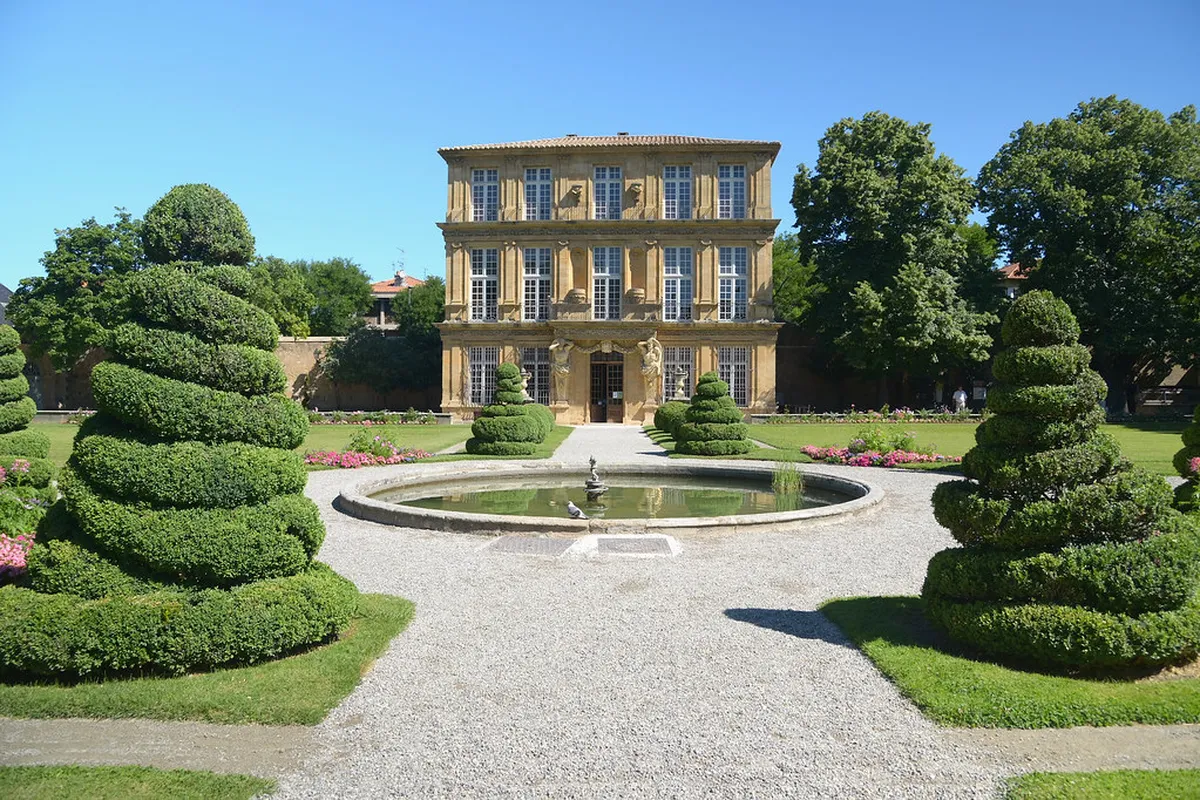
The facades of these buildings often use the famous yellow limestone from the nearby Bibémus quarries. This warm stone creates a glowing effect when the sun sets over the narrow city streets. Walking through this neighborhood feels like stepping back into the golden age of French aristocratic life. You can still see the original wooden doors that guarded these homes from the public world.
The Magic of Baroque Style
The golden age of building began during the middle of the seventeenth century in the city of Aix. Wealthy nobles and lawyers built these grand homes to show their high status to the local community. Many of these buildings still stand proudly in the heart of the historic center for all visitors. They represent a time of great prosperity and growth for the entire southern region of modern France.
Many mansions showcase the incredible beauty of the baroque architecture in Aix-en-Provence through their facades. Architects used the local yellow limestone to create warm and glowing facades for these massive private homes. This unique stone comes from nearby quarries located in the beautiful Luberon area of the French countryside. It gives the entire city its famous golden hue during the sunset hours of the warm summer months.
You will see elaborate decorations on many of the main doorways located throughout the historic city center. These architectural elements include stone carvings and detailed sculptures of mythical creatures and famous local figures. Each decorative detail displays the owner's wealth and social position to the rest of the viewing public. Common decorative features include the following:
- Stone carvings of mythical creatures
- Detailed sculptures of famous figures
- Ornate floral patterns and leaf motifs
- Intricate stone masks above windows
The Iconic Hôtel de Caumont
The Hôtel de Caumont architecture and history is truly exceptional among the many mansions in the city. It serves as a prime example of high-class Provencal living during the height of the eighteenth century. This mansion underwent a massive renovation project to restore its former glory for the modern visiting public. It now operates as a world-class art center that hosts famous exhibitions throughout the entire calendar year.
The interior features original period furniture and stunning silk wall coverings in the main reception rooms. You can walk through the music room and admire the private salons where noble families once entertained. The grand staircase is a masterpiece of design and features a very beautiful wrought iron handrail system. Every room has been carefully preserved to give visitors an authentic taste of life in the past.
The French garden located behind the mansion offers a peaceful escape from the busy streets of Aix. It features geometric hedges and elegant fountains that create a cooling atmosphere during the hot summer days. Entry prices for the major art exhibitions usually cost around fifteen euros for most adult visiting guests. You can also enjoy a light lunch or tea in the elegant cafe located within the mansion.
Hidden Architectural Details
Look closely at the beautiful wrought iron balconies of Aix-en-Provence while you are walking. Skilled local blacksmiths created these intricate patterns by hand for the wealthiest families in the city center. They often feature family initials or delicate vine motifs that wrap around the sturdy metal railing bars. These balconies offer a perfect view of the busy streets and public squares located down below them.
Hidden courtyards remain a secret treasure of these grand private homes found throughout the historic city center. Most mansions feature a massive wooden gate that leads directly into a large central stone courtyard space. This architectural design provided privacy and security for the noble families and their many invited house guests. It also allowed horses and large carriages to enter the property easily without blocking the narrow streets.
Many of these courtyards feature small fountains that provided fresh water to the residents and their animals. The sound of running water helped to create a calm and relaxing environment within the private home. In the summer months these spaces stay much cooler than the sunny streets outside the thick stone walls. You can sometimes catch a glimpse of these gardens through the bars of the heavy front gates.
Exploring the Hôtels Particuliers of Aix-en-Provence Today
Visiting the Hôtels Particuliers of Aix-en-Provence allows you to experience the rich history of the French nobility. Many of these buildings have been carefully restored to their original beauty over the last several decades. The Hôtels Particuliers of Aix-en-Provence serve as a powerful reminder of the wealth once held by the parliament. You can see the evolution of architectural styles from the late Renaissance to the elegant Neoclassical era.
The facades often feature elaborate carvings that represent the unique family history of the original mansion owners. Look for specific symbols like sea shells or acanthus leaves carved into the soft yellow limestone stone. These decorative elements were meant to impress the neighbors and demonstrate the wealth of the noble family. Each building has a unique character that reflects the personal tastes of its very first wealthy inhabitants.
Some mansions now house important public institutions like the town hall or local administrative offices for the city. This ensures that the historic structures are properly maintained and protected for all future generations of residents. Visitors can often enter the main courtyards during normal business hours to see the architecture up close. Always remember to be respectful of the local residents who still live in some of these properties.
Walking Through the Historic Streets
The best way to experience the Hôtels Particuliers of Aix-en-Provence is by taking a slow and steady walk. The Cours Mirabeau is a great place to start your journey into the world of noble architecture. This wide boulevard is lined with some of the most impressive mansions in the entire southern region. You can admire the grand facades while enjoying a coffee at one of the many outdoor cafes nearby.
Many of the mansions on the Cours Mirabeau were built for the wealthiest members of the local society. They feature massive front doors and tall windows that reflect the sun throughout the long summer days. The Hôtel de Maurel de Pontevès is famous for the two stone giants that support its main balcony. These statues are known as Atlantes and are a very popular spot for tourists to take photographs.
From the Cours Mirabeau you can easily walk into the narrow streets of the old city center. The Place d'Albertas is another must-see location for anyone interested in the local history and style. This small square is surrounded by elegant mansions that create a very symmetrical and beautiful urban space. The central fountain adds a sense of peace to this busy part of the modern city of Aix.
Frequently Asked Questions
How many of the famous Hôtels Particuliers of Aix-en-Provence can be seen by visitors today?
There are over one hundred and fifty private mansions located within the historic center of the city. Most of these structures were built during the seventeenth and eighteenth centuries for the local ruling class. You can find the highest concentration of these buildings in the famous and beautiful Mazarin district.
Can you visit the inside of these private mansions?
Some mansions like the Hôtel de Caumont are open to the public as art galleries and museums. Others are used for private residences or government offices and can only be viewed from the street. Check with the local tourism office for a list of buildings that offer public tours and visits.
When is the best time to see these buildings?
The best time to visit is during the spring when the gardens are in full bloom and colorful. Early morning light provides the best conditions for taking photographs of the golden limestone facades in the sun. Avoid the hot summer afternoons when the streets become very crowded with many tourists and large groups.
The Hôtels Particuliers of Aix-en-Provence offer a beautiful window into the history of this famous French city. You can spend many days exploring the narrow streets and admiring the grand architecture of the past. Plan your next trip to southern France to experience these amazing historical treasures for yourself in 2025. Exploring the town on foot is the best way to see these amazing structures and hidden courtyards.
Key Takeaways
- Visit the Quartier Mazarin to see the highest concentration of seventeenth-century private mansions.
- Book tickets for the Hôtel de Caumont to experience a fully restored noble interior and garden.
- Look for the yellow Bibémus limestone facades that give the city its famous golden glow at sunset.
Related reads: architecturebycity.com.