
Wrought Iron Balconies of Aix-en-Provence Guide
Discover the historic wrought iron balconies of Aix-en-Provence. Explore 2025 travel tips and local history for your next architectural tour. Read more now!
On this page
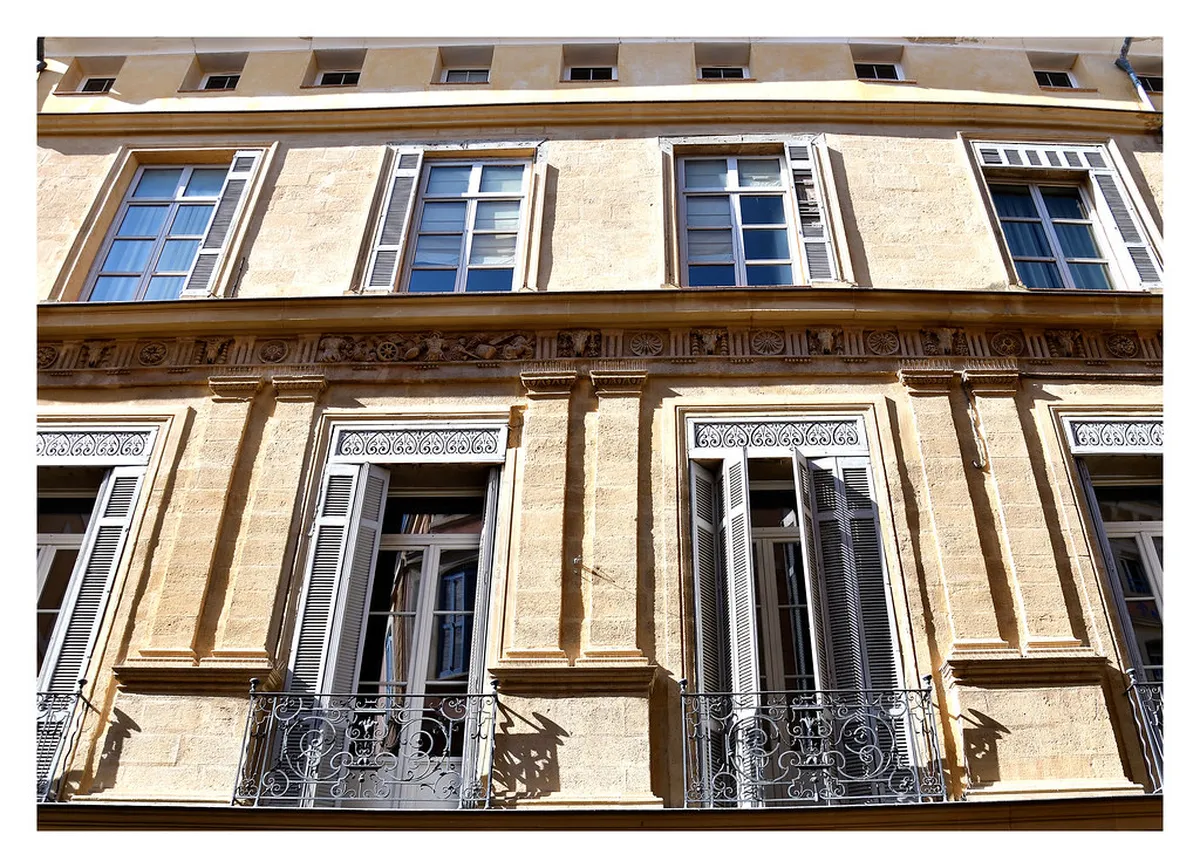
Aix-en-Provence is a city of elegant streets and sun-drenched stone walls. One of its most striking features is the wrought iron balconies of Aix-en-Provence. These delicate structures adorn many of the historic Hôtels Particuliers of Aix-en-Provence. They showcase the incredible skill of French blacksmiths from past centuries. Visitors in 2025 will find these metal masterpieces throughout the historic center.
These railings are more than just safety features for windows. They represent the wealth and status of noble families during the 17th century. Every spiral and leaf was forged by hand in a local workshop. The iron contrasts beautifully against the warm yellow limestone of the buildings. Walking through the city feels like visiting an open-air art museum.
The Craft of Wrought Iron Balconies of Aix-en-Provence
The art of ironwork in Provence reached its peak during the Baroque era. Master smiths used fire and heavy hammers to create intricate patterns. These balconies were status symbols for the growing merchant class. Today, they remain iconic symbols of the architecture in Aix-en-Provence. Every piece tells a story of local craftsmanship.
Blacksmiths in the 17th century used charcoal fires to heat heavy iron bars. They would strike the glowing metal until it formed delicate spirals. Many designs include floral motifs and elegant S-shaped curves. You will notice symmetrical patterns that draw the eye upward toward the sky. This level of detail makes every building unique and visually interesting.
Common design elements found on these balconies include:
- Acanthus leaves which mimic local Mediterranean plants
- S-scrolls and C-scrolls that create a sense of movement
- Family monograms often placed in the center of the railing
- Gilded accents added to the most prestigious mansion fronts
Maintaining these iron structures is a continuous task for the city today. Specialized artisans use traditional methods to prevent rust and decay. They apply protective coatings that preserve the deep black or dark green finish. This ensures the balconies remain safe and beautiful for future generations to enjoy. Observing these craftsmen at work is a rare but wonderful sight.
The Evolution of Styles in the Quartier Mazarin
The Quartier Mazarin is home to some of the finest ironwork in France. This district was designed in the mid-17th century for the city’s elite residents. The balconies here reflect the shift from heavy Baroque to lighter Rococo styles. Each street offers a timeline of changing architectural tastes over several decades. Walking through these grid-like streets reveals many hidden artistic treasures.
Earlier designs tend to be more substantial and geometric in their appearance. They often feature thick bars and simple repeating patterns along the base. As artistic styles evolved, the ironwork became much more airy and light. Blacksmiths began to experiment with thinner rods to create complex lace-like effects. This transition shows the growing confidence of the local metalworking guilds.
You can find stunning examples on mansions like the Hôtel d'Estienne de Saint-Jean. This building features exceptionally wide balconies that wrap around its corner facade. The ironwork here is famous for its balance and perfect proportions. It provides a striking shadow against the golden facade during the late afternoon sun. Photographers often gather here to capture the intricate shadow patterns.
In 2025, many of these mansions remain private residences or law offices. Visitors should respect the privacy of the people living inside these historic walls. You can still admire the details from the public sidewalk without any trouble. Always look up to catch the best views of the upper floors. The most ornate details are often found on the second-floor windows.
Exploring the Masterpieces on Cours Mirabeau
The Cours Mirabeau is the most famous boulevard in all of Aix-en-Provence. It is lined with massive plane trees and grand 17th-century mansions. Each building features unique wrought iron balconies that overlook the bustling cafe terraces. These balconies allowed noble families to watch the local parades and social gatherings safely. They served as private stages for the city’s most important citizens.
Look closely at the brackets supporting the heavy stone balcony slabs. You will often see iron supports shaped like mythical creatures or faces. These functional elements are disguised as works of art by clever designers. The transition between the stone and the iron is often seamless and elegant. It shows a high level of cooperation between different building trades.
Some of the most impressive railings belong to the Hôtel de Maurel de Pontevès. This mansion is famous for the stone giants that support its main balcony. The ironwork above these figures is equally impressive and very well preserved. It features a dense pattern of interlocking scrolls and decorative floral finials. This building is a must-see for anyone interested in classic French design.
Walking tours in 2025 typically cost between 15 and 25 Euros per person. These tours provide deep insights into the families who commissioned such expensive work. Guides can point out subtle details that most casual tourists would likely miss. It is best to book your tour online a few days in advance. Many tours start near the Rotonde fountain at the boulevard's end.
Techniques Used by Provençal Ironworkers
The durability of these balconies is due to the traditional riveting technique used. Blacksmiths did not use modern welding to join the different pieces of iron. Instead, they punched holes through the metal and used hot iron rivets. This allowed the structure to expand and contract slightly with the temperature. It is a brilliant engineering solution that has lasted for hundreds of years.
Hand-forged iron has a unique texture that machines cannot easily replicate. You can see the slight indentations left by the blacksmith’s hammer on the surface. These small imperfections give the metal a soul and a sense of history. In the bright sun of Provence, these textures create a beautiful play of light. This is why many modern architects still study these historic methods.
Artisans also used a technique called repoussé to create three-dimensional decorative elements. They would beat thin sheets of iron from the back to create raised designs. These elements were then attached to the main frame of the balcony railing. This added a layer of depth and complexity to the overall design. It was a time-consuming process that required immense skill and patience.
Today, the city hosts several workshops that still teach these ancient metalworking skills. You can sometimes visit these places to see how iron is shaped today. Many students come from around the world to learn the secrets of Provençal ironwork. Preserving these skills is vital for the ongoing restoration of the city's landmarks. It keeps the connection between the past and the present alive.
Practical Tips for Your Architectural Walking Tour
The best time to see the balconies is during the early morning hours. The soft light helps to highlight the delicate details of the metalwork. You will also avoid the heavy crowds that fill the streets later. Morning temperatures are also much more comfortable for walking in the summer. Wear comfortable shoes as the old cobblestone streets can be quite uneven.
Bring a camera with a good zoom lens for the best photos. Many of the most interesting details are located high above the street level. A zoom lens allows you to capture the fine textures and monograms clearly. Be sure to check the light direction before you start your photography session. Some streets are in deep shadow during the middle of the day.
Consider these locations for your 2025 architecture tour:
- Rue Cardinale for its consistent 17th-century style mansions
- Place d'Albertas for a stunning symmetrical Baroque square
- Rue Gaston de Saporta for historic buildings near the cathedral
- Cours Mirabeau for the largest and most grand iron structures
Most of the historic center is a pedestrian zone, making it easy to navigate. Public toilets are available near the main fountains but can be busy. Carry a small bottle of water to stay hydrated while you explore the city. Many cafes offer great views of balconies if you need a short break. Sitting with a coffee and looking up is a great way to spend an hour.
Frequently Asked Questions
What are the most famous wrought iron balconies in Aix-en-Provence?
The most famous examples are found on the Cours Mirabeau and in the Quartier Mazarin. The Hôtel de Maurel de Pontevès is particularly notable for its ornate railing. You can also find incredible detail at the Place d'Albertas. These spots offer the best views of historic French metalwork.
Can I visit the interiors of the Hôtels Particuliers?
Many of these mansions are private homes and are not open to visitors. However, some have been converted into museums or public offices you can enter. The Hôtel de Caumont is a popular choice for seeing restored historic interiors. Always check opening hours before you plan your visit.
How much does an architecture tour in Aix-en-Provence cost?
A standard guided walking tour usually costs between 15 and 25 Euros per adult. Private tours can be more expensive but offer a more personal experience. Many tours include a focus on the city's unique ironwork and fountains. You can book these through the local tourism office.
The wrought iron balconies of Aix-en-Provence are a vital part of the city’s identity. They represent a perfect blend of artistic beauty and historical significance. Exploring these details in 2025 will give you a deeper appreciation for French craftsmanship. Plan your visit today to see these incredible metal masterpieces in person. Do not forget to look up as you wander the ancient streets.
Key Takeaways
- Look for balconies in the Quartier Mazarin for the best examples.
- Morning light is ideal for photographing the intricate iron details.
- Respect private properties while admiring the historic mansion facades.
- The Cours Mirabeau offers some of the most accessible viewpoints.
Related reads: architecturebycity.com, hotel de caumont architecture and history, interior courtyards of rue cardinale.