
Interior Courtyards of Rue Cardinale Aix-en-Provence
Explore the hidden interior courtyards of Rue Cardinale in Aix-en-Provence. Discover 2025's best Hôtels Particuliers and historic architecture secrets here.
On this page
Rue Cardinale sits right at the heart of the very elegant Quartier Mazarin. This historic street showcases the stunning interior courtyards of Rue Cardinale for visitors to enjoy. These secret spaces reveal the private lives of the French nobility from the 17th century. Exploring these hidden gems is a highlight of any trip to Aix-en-Provence in 2025.
The street represents the pinnacle of classical French urban planning and aristocratic luxury. Every facade tells a story of wealth, power, and refined architectural taste. You can feel the history as you walk past the massive wooden carriage doors. This area remains the most prestigious part of the city for many local residents.
History of Rue Cardinale and Private Mansions
Michel Mazarin originally designed this grand district with very big intentions in the 1640s. He truly wanted to create a luxury space for the city's wealthiest aristocratic families. These noble families built the Hôtels Particuliers of Aix-en-Provence that truly define the area. Many of these grand residences still stand quite tall along the paved streets today.
This historic street serves as a perfect example of 17th-century French urban planning. Most buildings follow a strict architectural code to ensure visual harmony across the neighborhood. Visitors often notice the warm honey-colored stone used for every facade in this district. This local Pierre de Calissanne stone glows very beautifully under the warm Provencal sun.
Rue Cardinale connects the fountain of the Four Dolphins to the Saint-Jean-de-Malte church. This path was once the most prestigious address in the entire city of Aix. Walking here feels like stepping back into the height of the French Baroque period. You can still see the family crests carved above many of the massive entryways.
The development of this area changed the social landscape of the city forever. It moved the center of power away from the crowded medieval streets of the north. Wealthy parliament members and local judges quickly bought plots of land along this new street. They competed with each other to build the most impressive entrance and interior courtyard.
Today, the street maintains its reputation as one of the most beautiful in France. Preservation laws ensure that every detail of the original architecture remains intact for future generations. The quiet atmosphere of the street provides a stark contrast to the nearby Cours Mirabeau. It remains a favorite spot for those who appreciate the slower pace of Provencal life.
Architecture of the Interior Courtyards of Rue Cardinale
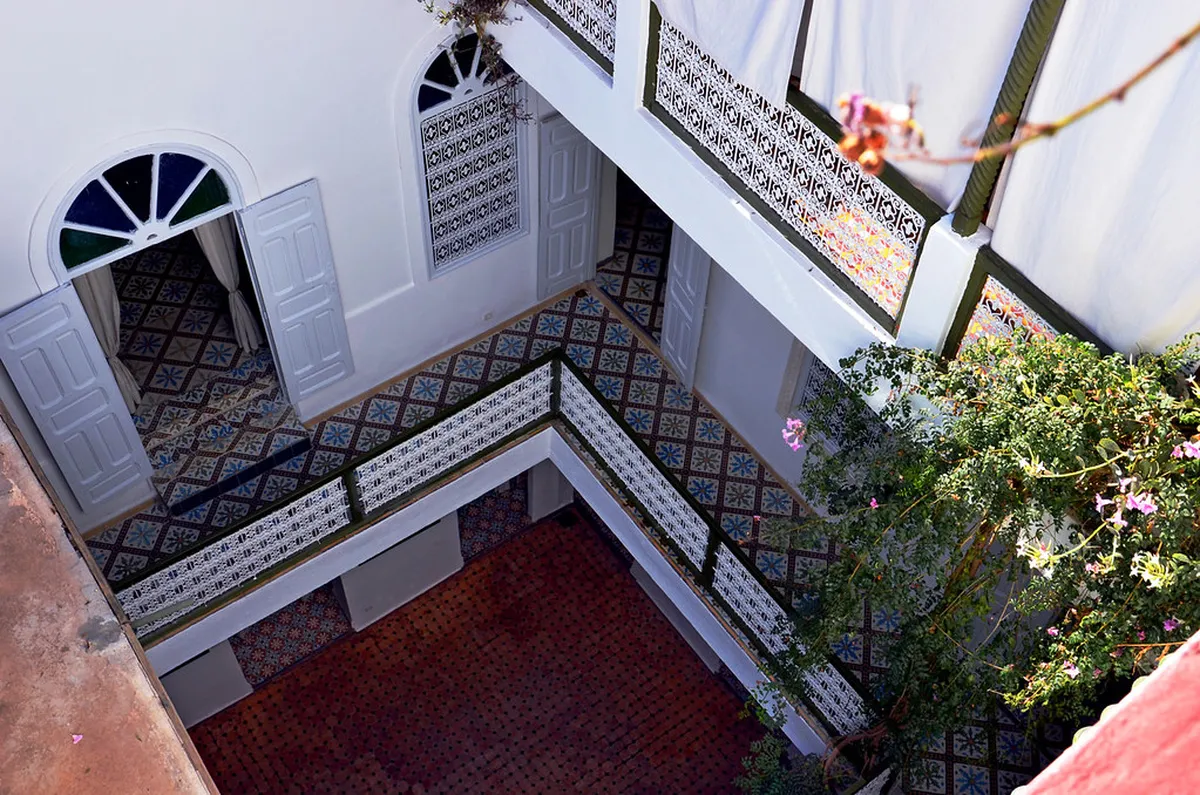
The interior courtyards of Rue Cardinale highlight the blend of privacy and prestige. Architects designed these spaces to impress guests while keeping the family life hidden. Most courtyards feature a central fountain or a carefully manicured small garden. These features provided a cooling effect during the hot summer months in Provence.
The Quartier Mazarin urban design emphasizes the use of light and shadow. Tall walls protect the courtyards from the harsh Mistral winds that blow through France. This design creates a microclimate that allows delicate plants to thrive year-round. Climbing jasmine and old ivy often cover the ancient stone walls.
Most courtyards follow a rectangular layout that focuses on a central axis. This symmetry is a hallmark of the classical French style popular during the 17th century. The floors usually feature cobblestones or large slabs of local limestone for durability. These materials have survived centuries of use by carriages and modern visitors alike.
Entryways include massive carriage doors called portes-cochères made of very heavy oak. These doors once allowed horse-drawn carriages to enter the inner grounds safely. Today, they guard the silence of these peaceful residential spaces from the outside world. The sheer size of these doors indicates the high status of the original owners.
Ironwork plays a significant role in the aesthetic appeal of these inner spaces. You might spot intricate lanterns or decorative railings through the gaps in the wooden gates. These details showcase the high level of craftsmanship available to the nobility in 2025. Many owners have carefully restored these metal elements to their original glory.
Notable Residences in the Quartier Mazarin
Several mansions along Rue Cardinale stand out for their exceptional architectural beauty. The Hôtel de Boisgelin features one of the most impressive facades on the entire street. Its courtyard remains a private sanctuary for its current residents and lucky guests. The scale of the grand staircase inside is visible from the main entrance.
The Hôtel d'Arbaud-Jouques is another masterpiece located just a short walk away. This building showcases the transition between the Baroque and Neoclassical styles of architecture. You can see the evolution of taste in the window shapes and stone carvings. Its courtyard often features seasonal flowers that add a splash of color to the stone.
Look for the delicate carvings of mythological figures and floral motifs on the stone. These decorations often represent the status and interests of the original merchant families. Some courtyards even contain small private chapels for the family's daily religious services. These details provide a unique window into the social history of Aix-en-Provence.
The Hôtel de Caumont is the most famous accessible building in the neighborhood. While its main entrance is on a nearby street, its gardens border the Cardinale district. It offers a public look at the luxury that once defined every house here. Visiting the interior rooms helps you imagine the scale of the private courtyards nearby.
Many buildings now house private law firms or high-end professional offices. This reuse of space has helped fund the expensive restoration projects needed for maintenance. It keeps the buildings active and prevents them from becoming simple museum pieces. The blend of modern business and ancient stone creates a very unique atmosphere.
Photography Guide for Historic Courtyards
Photography enthusiasts should look for the contrast between the dark wood and golden stone. The play of light during the golden hour makes the textures of the stone pop. Every corner of these spaces offers a new perspective on classical French elegance. Use a wide-angle lens to capture the full scope of the tall courtyard walls.
The best architecture photography spots in Aix-en-Provence are found here during the early morning. Soft sunlight hits the tops of the buildings and filters down into the courtyards. This creates a soft glow that is perfect for capturing the delicate stone carvings. Avoid shooting at noon when the shadows become too harsh and lose detail.
Focus on the details of the door knockers and the iron hinges. These small elements often contain artistic flourishes that most people walk past without noticing. A macro lens can reveal the texture of the old wood and rusted metal. These photos tell a story of time passing in this historic French city.
Be mindful of the local residents who live and work in these buildings. Always ask for permission if you see someone before taking photos of private hallways. Most people are happy to share their history if you are polite and respectful. Keep your movements quiet and avoid using a tripod in narrow pedestrian paths.
Frame your shots using the arches and doorways found along the street. This technique adds depth to your images and draws the eye toward the courtyards. Experiment with black and white photography to emphasize the strong lines and geometric shapes. The lack of color highlights the timeless quality of the Baroque architecture.
Practical Tips for Your 2025 Visit
Respecting the privacy of local residents is essential when exploring the Rue Cardinale. Many of these Hôtels Particuliers remain private homes or professional offices today. You should never try to force open a locked gate or enter a private hallway. Instead, look through the open gates during delivery hours or special heritage events.
The best time to see these courtyards is during the European Heritage Days in September. Many private owners open their doors to the public for one weekend each year. This is your best chance to see the full beauty of the hidden gardens. You can join guided tours that explain the history of each specific house.
Start your walk at the Place des Quatre-Dauphins early in the morning. The soft light makes the street look peaceful and highlights the architectural details. Wear comfortable shoes as the historic cobblestones can be quite uneven for walking. Bring a bottle of water to stay hydrated while you wander the quiet streets.
Entry to the street itself is free for all visitors to Aix-en-Provence. If you wish to enter the Hôtel de Caumont, expect to pay around 17 Euros. This price includes access to the temporary art exhibits and the historic private gardens. It is a worthwhile investment for those who love interior design and history.
Combine your visit with a stop at the nearby Granet Museum for more art. The museum is only a two-minute walk from the center of Rue Cardinale. This allows you to spend a full morning immersed in the culture of the district. Check the local tourism office for updated walking maps of the Quartier Mazarin.
Frequently Asked Questions
Are the interior courtyards of Rue Cardinale open to the public?
Most of these courtyards are private property and remain closed to the general public. You can often see them through the large open carriage doors during the day. Visit during the European Heritage Days in September for rare public access to many gardens. Always respect the privacy of the people living in these historic homes.
What is the best time of day to visit Rue Cardinale?
The best time to visit is during the early morning or the late afternoon. Early morning offers soft light and very few crowds for better photography opportunities. The late afternoon sun makes the yellow stone buildings glow with a beautiful golden color. Most shops and offices in the area close by early evening for peace.
Where is Rue Cardinale located in Aix-en-Provence?
Rue Cardinale is located in the Quartier Mazarin south of the Cours Mirabeau. It runs east to west between the church of Saint-Jean-de-Malte and the Rue d'Italie. You can easily walk there from the center of the old town in ten minutes. It is one of the most famous streets in the entire city.
How much does it cost to see the Hôtels Particuliers?
Walking down Rue Cardinale and viewing the facades is completely free for everyone. If you want to enter a museum like the Hôtel de Caumont, tickets cost 17 Euros. Many visitors enjoy the street without spending any money on entrance fees or tours. It is a great budget-friendly activity for architecture lovers visiting France.
Visiting the interior courtyards of Rue Cardinale offers a rare look at French history. These hidden spaces represent the peak of Baroque elegance and classical urban design in Aix-en-Provence. Make sure to include this historic walk in your next trip to southern France in 2025. You will discover the timeless beauty that makes this city so special to travelers.
Key Takeaways
- Respect local privacy while admiring open courtyard gates from the street.
- Visit during the early morning for the best lighting conditions for photos.
- Look for intricate ironwork and stone carvings on every building facade.
- Attend the European Heritage Days in September for rare indoor access.
Related reads: architecturebycity.com, architecture in aix en provence, hotel de caumont architecture and history.