
Exploring Quartier Mazarin Urban Design in Aix
Discover the Quartier Mazarin urban design in Aix-en-Provence. Explore 17th-century grid planning and Baroque style in 2025. Read our expert guide now!
On this page
The Quartier Mazarin urban design stands as a masterpiece of 17th-century planning in Southern France. Archbishop Michel Mazarin envisioned this elegant district in 1646 to house the local Provencal nobility. It represents a sharp contrast to the narrow, winding streets of the medieval Old Town. Today, visitors in 2025 still admire its perfectly straight avenues and grand private mansions.
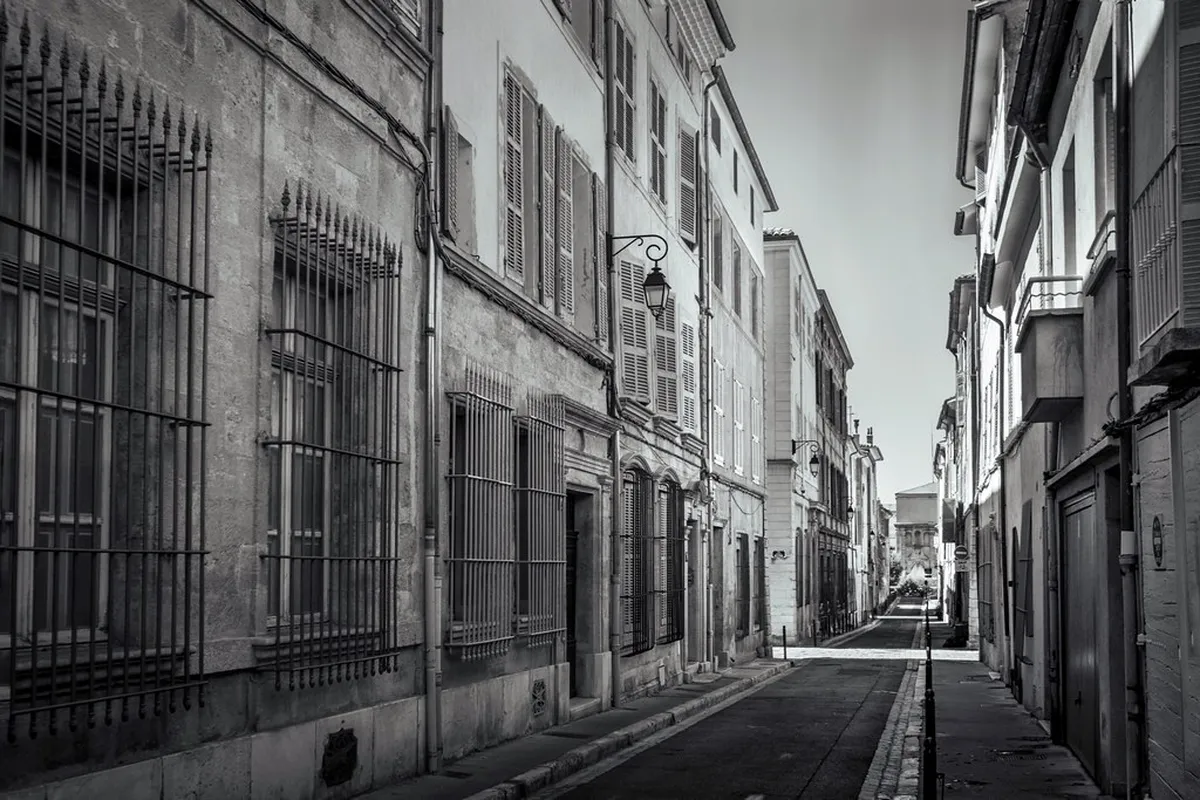
This residential neighborhood remains the most prestigious address in the city for many local residents. The streets are lined with golden stone buildings that reflect the warm Mediterranean sunshine every afternoon. You will find a unique blend of historical grandeur and quiet residential life in this area. Exploring this district is essential for anyone interested in the history of European city planning.
Origins of the Grid System
The 17th-century expansion of Aix-en-Provence required a bold vision from the local Catholic leadership. Archbishop Michel Mazarin successfully petitioned the French King to authorize this major urban development. This project allowed the city to grow beyond its ancient and crumbling Roman defensive walls. It created a new social center for the wealthy families who governed the local region.
Michel Mazarin sought to expand Aix-en-Provence toward the sun-drenched areas of the south. He hired architect Jean Lombard to design a rational city grid for the local elite. This new plan replaced the cramped medieval quarters with spacious residential blocks for the rich. It remains a prime example of 17th-century grid planning in Aix today.
The project began in 1646 and quickly transformed the southern outskirts of the historic city. Builders used a mathematical approach to ensure every street intersected at a perfect right angle. This rigid structure provided a sense of order that was previously unknown in medieval Provence. The design reflects the growing power of the French state during the entire mid-17th century.
The 17th-century grid system also improved the efficiency of transportation within the growing French town. Carriages could move easily through the wide streets without getting stuck in narrow and dark corners. This modern approach to city life made the neighborhood very desirable for the ruling merchant class. The Quartier Mazarin urban design provided a blueprint for all future developments in the larger region.
The Grand Hotels Particuliers
The grand hotels particuliers of Aix-en-Provence serve as the primary architectural anchors of this district. These private mansions showcase the incredible wealth of the 17th-century Provencal legal and social elite. Architects used local yellow limestone to build these impressive facades along the straight residential streets. Each mansion follows a strict set of proportions to maintain a harmonious and unified visual appearance.
Most of these buildings feature large internal courtyards and beautiful private gardens hidden from public view. The street-facing facades often display intricate stone carvings and decorative ironwork on the large windows. These artistic details reflect the transition from late Renaissance styles to the more ornate Baroque era. Wealthy owners competed to build the most impressive entrance gates to signal their high social status.
Walking through the district today allows you to see many well-preserved examples of these noble homes. Some mansions now house public offices or schools, while others remain in private hands as residences. The consistent use of warm ochre stone creates a beautiful glow during the famous Provencal sunsets. You should look for the elaborate sculptures that often decorate the main doorways of these houses.
The internal layouts of these mansions were designed to host grand social gatherings for the elite. Large staircases with decorative railings led guests to the formal reception rooms on the second floor. These buildings represent the peak of the Quartier Mazarin urban design during the reign of Louis XIV. Many families spent generations improving these properties with new art and expensive interior decorations.
The Fountain of the Four Dolphins
The Fontaine des Quatre Dauphins architecture provides a central focal point for the entire residential district. Created in 1667, this stunning fountain sits at the intersection of two major residential streets. It features four stone dolphins surrounding an Egyptian-style obelisk in the center of a circular basin. This landmark helped to define the social and visual heart of the new southern urban expansion.
Jean-Claude Rambot designed the fountain to provide water and a decorative center for the neighborhood. The flowing water cooled the surrounding air during the hot summer months of the French south. This hydraulic feature demonstrated the advanced engineering skills of the 17th-century builders in the city. It remains one of the most photographed spots for travelers visiting the region in 2025.
The fountain sits in a small square that encourages pedestrians to slow down and enjoy the space. Four large mansions surround the square, creating a feeling of an outdoor urban living room. This design choice highlights the importance of public art in early modern European city planning. The dolphins represent a connection to the sea and the maritime history of the broader region.
Many residents gathered at this fountain to hear local news and socialize with their wealthy neighbors. It stands as a symbol of the high standard of living found within the Quartier Mazarin urban design. The use of carved stone animals adds a playful touch to the otherwise formal and rigid layout. You can still hear the soothing sound of splashing water as you approach this historic intersection.
Layout of Quartier Mazarin Urban Design
The layout of the Quartier Mazarin urban design follows a very strict and repetitive mathematical grid. This system allows for better airflow and light compared to the dark alleys of the North. Wide streets were designed to accommodate the heavy horse-drawn carriages used by the 17th-century nobility. Modern urban planners still study this district as a successful model of organized city expansion.
Every residential block in the neighborhood was planned with specific dimensions to ensure a balanced look. The heights of the buildings were regulated to prevent any single structure from dominating the street. This commitment to symmetry creates a peaceful atmosphere that contrasts with the busy modern city outside. You will notice that the streets are remarkably quiet due to the original residential planning.
The district integrates several small squares and open spaces to provide a sense of relief and air. This thoughtful approach to baroque architecture in Aix-en-Provence emphasizes the comfort of the wealthy inhabitants. Lush gardens are often tucked behind the tall stone walls that line the major city streets. These green spaces provide a cooling effect during the intense heat of the Mediterranean summer.
The urban design also considered the views from the windows of the grand private mansions. Architects aligned the streets so that prominent landmarks would be visible from the main residential avenues. This visual connectivity helped to create a sense of unity across the entire southern city expansion. It is a rare example where functional planning meets high artistic ambition in a residential zone.
Cultural Sites and Visitor Tips
A proper architectural walk through Quartier Mazarin must include a visit to the famous Musee Granet. This museum is located in the former priory of the Knights of Malta near the district. It houses a vast collection of fine art and historical artifacts from the Provence region. The building itself is a masterpiece that fits perfectly into the surrounding urban landscape.
You should also take the time to visit the Church of Saint-Jean-de-Malte during your tour. This Gothic structure provides a sharp visual contrast to the surrounding 17th-century grid and Baroque mansions. It is the oldest church in the city and contains the tombs of the local counts. The tall bell tower serves as a useful landmark when navigating the straight streets nearby.
To get the most out of your visit in 2025, try to walk early in the morning. The soft morning light highlights the textures of the stone and the details of the fountains. Most museums and shops in the area open around ten in the morning for the public. Wear comfortable shoes as you will spend several hours walking along the historic stone pavements.
You will notice that the Quartier Mazarin urban design makes walking very easy for all tourists. The flat terrain and clear street signs allow you to explore without needing a detailed paper map. Many local cafes offer outdoor seating where you can rest while admiring the grand facade designs. This neighborhood offers a perfect blend of high culture and relaxed Mediterranean lifestyle for everyone.
Frequently Asked Questions
What defines the Quartier Mazarin urban design?
The Quartier Mazarin urban design is defined by its strict grid system and noble private mansions. This district was the first major planned expansion of the city during the 17th century. It replaced narrow medieval paths with wide and straight avenues for the local elite families. The design focuses on symmetry, light, and the use of local yellow limestone materials.
When was the Quartier Mazarin built?
Construction on the neighborhood began in 1646 under the direction of Archbishop Michel Mazarin of Aix. Most of the primary streets and mansions were completed within the next few decades of expansion. The design reflects the architectural trends and social hierarchies of the French crown during that era. It remains remarkably well-preserved for visitors to enjoy during their trips in the year 2025.
Are the private mansions open to the public?
Most of the grand hotels particuliers remain private residences and are not open for internal tours. However, some have been converted into public buildings like museums, schools, or local government offices. You can still admire the stunning facades and decorative doorways from the sidewalk during your walk. Some courtyards might be visible if the large wooden gates are left open for a moment.
Is the district easy to explore on foot?
Yes, the district is very flat and easy to walk because of its organized grid layout. The straight streets make it almost impossible to get lost while you are exploring the neighborhood. You can walk from one end of the district to the other in about twenty minutes. The lack of heavy traffic makes it a very peaceful place for a slow afternoon stroll.
The Quartier Mazarin urban design remains a vital part of the architectural heritage of Aix-en-Provence today. This neighborhood offers a unique look into the transition from medieval to modern urban planning in France. Travelers in 2025 should make this district a priority to experience the elegance of the 17th century. We recommend spending a full morning exploring the quiet streets and beautiful stone fountains of the area.
You will leave this district with a new appreciation for the beauty of 17th-century French architecture. The Quartier Mazarin serves as a timeless example of how great design can shape a city. Please share your photos of the golden mansions and fountains with other travelers online today. Plan your visit soon to experience the quiet elegance of this historic French neighborhood in person.
Key Takeaways
- Visit the Fontaine des Quatre Dauphins to see the geographical heart of the neighborhood layout.
- Book museum tickets in advance if you plan to visit the Musee Granet during peak season.
- Look for the ornate entrance doors that signify the historical status of the former mansion owners.
Related reads: architecturebycity.com, architecture in aix en provence.