
Baroque Architecture in Aix-en-Provence Guide
Explore beautiful Baroque architecture in Aix-en-Provence with our 2025 guide. Learn about grand hotels and historic designs today!
On this page
The city of Aix-en-Provence is widely known for its incredible architectural beauty and historic charm today. Visitors often travel here to witness the stunning **Baroque architecture in Aix-en-Provence** during their summer holidays. This specific style flourished during the seventeenth century when the town became a major judicial center. Local noble families built grand residences to display their immense social status and growing political power.
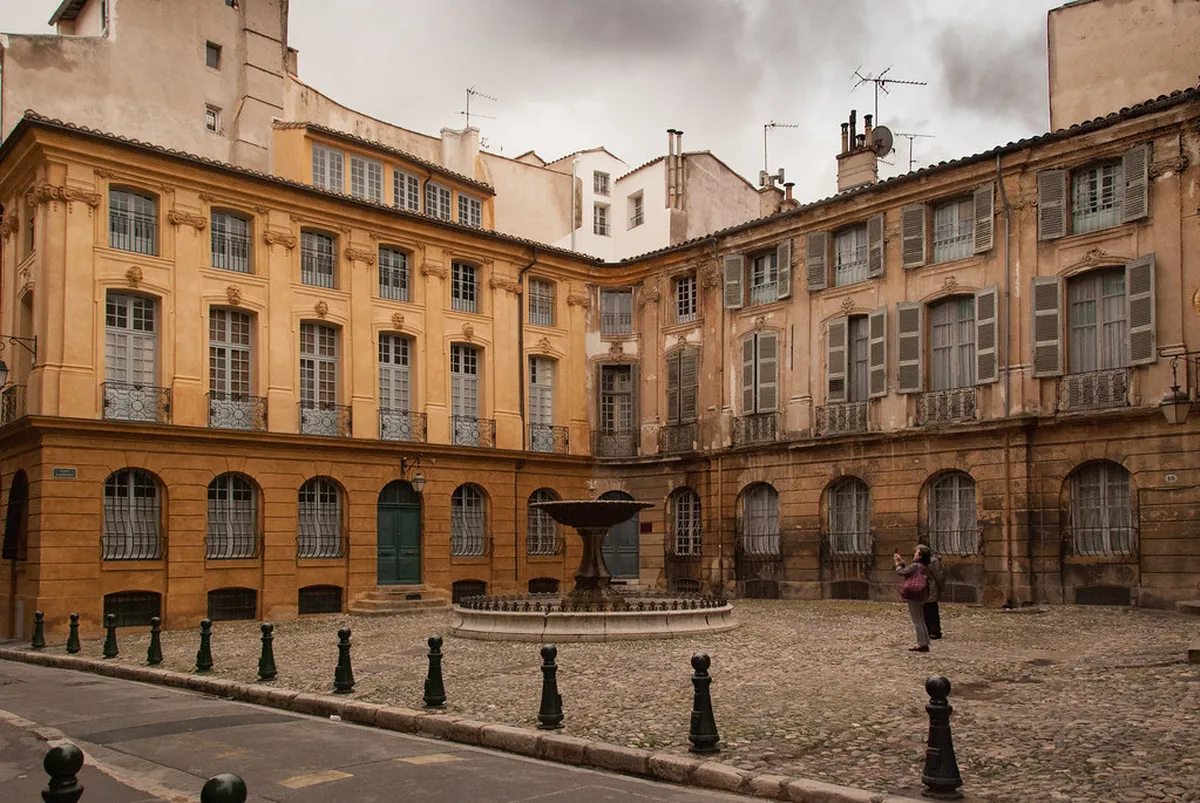
Walking through the narrow streets reveals a world of intricate stone carvings and very decorative entryways. The warm yellow limestone glows beautifully under the southern French sun during the long afternoon hours. Most buildings from this era feature symmetrical facades that reflect the order of the classical period. You will find that these structures create a unique atmosphere that feels both regal and welcoming.
Understanding the local style requires a look at the history of the parliament within the Provence region. High-ranking officials wanted their homes to mirror the artistic trends found in the distant city of Paris. They hired talented craftsmen to create massive wooden doors and very elaborate wrought iron balcony railings. These architectural details remain remarkably well-preserved for modern travelers to admire throughout the current 2025 season.
This style guide provides a detailed look at the most significant landmarks located in the historic center. We will explore the grand mansions known as hotels particuliers and the famous public square designs. You can follow our expert advice to plan the perfect walking tour of these historic stone masterpieces. Let us dive into the elegant world of French Baroque design found in this beautiful city.
History of Baroque Architecture in Aix-en-Provence
The development of the Baroque style in this region began during a period of great economic growth. Wealthy lawyers and members of parliament started to transform the medieval city into a modern masterpiece. They replaced old timber houses with grand stone structures that followed the latest European artistic trends. This transformation created a cohesive urban environment that still defines the character of the city today.
Architects in the seventeenth century focused on creating a sense of movement and drama on every facade. They used deep carvings to create shadows that changed throughout the day in the bright sunlight. You can see this transition clearly when comparing the older districts with the newer planned residential areas. Many of these historic buildings are still used as private homes or important administrative offices today.
The local nobility frequently competed with one another to build the most impressive and decorative private mansions. This competition led to the creation of many unique architectural details that you cannot find elsewhere. The use of the local Rognes stone allowed builders to carve very soft and flowing ornamental shapes. You should explore the architecture in Aix-en-Provence to fully appreciate this unique local building material.
By the middle of the eighteenth century, the city had become a true capital of the arts. Painters and sculptors worked alongside architects to create integrated environments that blended different types of fine art. This holistic approach to design resulted in the magnificent interiors that characterize the local Baroque experience. Travelers today can still experience the grandeur of this golden age through careful historical preservation efforts.
Key Features of the Provençal Baroque Style
One defining feature of the local style is the use of monumental entryways with carved stone figures. These figures often represent mythical characters or powerful symbols that reflect the owner of the house. The heavy wooden doors are frequently framed by massive stone columns or very decorative leaf patterns. These entrances were designed to impress visitors before they even stepped inside the private courtyard area.
Wrought iron work reached a peak of artistic expression during the height of the local Baroque period. Balconies often feature delicate scrolls and floral motifs that appear light despite being made of heavy metal. These iron elements provide a sharp contrast to the solid yellow limestone walls of the main building. You will notice these beautiful balconies on almost every street within the older parts of the town.
Symmetry plays a vital role in the design of every major building constructed during this historical era. Windows are perfectly aligned across the facade to create a sense of balance and formal aesthetic beauty. The rooflines often include decorative cornices that hide the structural elements of the upper floors from view. This attention to detail ensures that the buildings look impressive from every possible viewing angle.
Many mansions also feature hidden interior courtyards that provided privacy and cooling shade for the noble families. These spaces often contain small fountains and lush gardens that offer a peaceful escape from the street. The transition from the public sidewalk to the private courtyard is a key element of Baroque urban planning. Understanding these layers of space will enhance your appreciation of the local residential architectural traditions.
The Quartier Mazarin: A Baroque Masterpiece
The Quartier Mazarin serves as the most complete example of Baroque urban planning in southern France today. Archbishop Michel Mazarin commissioned this district in 1646 to expand the city toward the southern boundary walls. He envisioned a grid system that provided a stark contrast to the winding streets of the medieval quarter. This area quickly became the most fashionable address for the local elite during the seventeenth century.
Walking through this district allows you to see how architects balanced individual creativity with a unified urban vision. Each mansion follows strict rules regarding height and alignment to maintain the visual harmony of the entire neighborhood. You will find that the Quartier Mazarin urban design remains one of the best-preserved examples of seventeenth-century planning. The wide streets were specifically designed to accommodate the large horse-drawn carriages used by the nobility.
The central point of this district is the famous Place des Quatre-Dauphins with its iconic Baroque water feature. Four streets meet at this square to create a perfect symmetrical view in every direction you look. The surrounding mansions demonstrate the restraint and elegance that characterize the mature phase of the French Baroque style. It is a perfect place to start your exploration of the local architectural history and culture.
Most of the buildings in this district have retained their original facades and decorative elements over the centuries. You can spend several hours wandering these streets to discover hidden details on the stone window frames. Many researchers consider this neighborhood to be a living museum of classical French design and aristocratic life. It continues to be one of the most prestigious and beautiful areas to live in the city.
Iconic Baroque Hotels Particuliers to Visit
The Hotel de Caumont is perhaps the most famous Baroque mansion that is currently open to the public. Located in the heart of the Mazarin district, it features a grand courtyard and very formal French gardens. You can tour the restored state rooms to see how the local nobility lived during the eighteenth century. Admission for adults in 2025 is approximately 15 Euros and includes access to various seasonal art exhibitions.
Another essential stop is the Hotel d’Estienne de Saint-Jean which now houses the Museum of Old Aix. This building features a spectacular grand staircase with very intricate carvings and a massive wooden entrance door. The museum collection provides context for the hotels particuliers of Aix-en-Provence and their historical significance. You will learn about the daily lives and the social customs of the people who built these homes.
The Hotel de Ville or Town Hall also showcases significant Baroque elements on its impressive street-facing facade. It was built between 1655 and 1678 and features a beautiful courtyard with a very grand staircase. The building sits next to a medieval clock tower which creates an interesting contrast between different historical eras. Visitors can often enter the courtyard for free during normal business hours to admire the stone architecture.
Many other mansions remain private residences but their exteriors are still very much worth a dedicated visit today. You should look for the Hotel de Maynier d’Oppede on the Rue Gaston de Saporta during your walk. This building features a particularly fine example of a sculpted portal and very elegant window decorations. Exploring these sites provides a deep connection to the artistic heritage of this famous southern French city.
Italian Influence on Local Baroque Designs
The proximity of Provence to the Italian border had a significant impact on the local architectural style developments. Many architects from the region traveled to Rome and Venice to study the latest trends in Baroque design. They brought back ideas about dramatic lighting and the use of curved lines on building facades and interiors. This cross-cultural exchange created a unique version of Baroque that feels more Mediterranean than the Parisian style.
The Italianate influence on Provencal Baroque is most visible in the decorative use of stone figures and scrolls. Local craftsmen adopted the Italian technique of using atlantes or figures that appear to support the upper balconies. You can see these muscular stone carvings on several buildings along the famous and busy Cours Mirabeau. These elements add a sense of strength and dynamic energy to the otherwise formal and rigid facades.
Italian painters were also hired to create beautiful trompe l'oeil ceilings inside many of the grand private mansions. These paintings use perspective to create the illusion of three-dimensional space and grand architectural features on flat surfaces. This technique was very popular in Italy and became a hallmark of the most luxurious local homes. The blend of French structural order and Italian decorative flair defines the local aesthetic of the period.
You will also notice the influence of Italian theater design in the layout of some local public squares. The use of focal points and symmetrical vistas creates a sense of drama for people walking through the city. Architects treated the city as a stage where the nobility could perform their social roles in grand style. This theatrical approach to urban design remains one of the most captivating aspects of the historic center.
Baroque Fountains and Public Spaces
Fountains are an essential part of the Baroque experience in this city because of the local water sources. The historic fountains and hydraulic architecture provided both beauty and practical utility for the residents. Many of these water features were designed by the same architects who built the grand private stone mansions. They used the movement of water to add a sensory layer to the static stone urban environment.
The Fontaine des Quatre-Dauphins is a masterpiece of Baroque sculpture located in the middle of a quiet square. It features four dolphins that support an obelisk while water flows gently into a large circular stone basin. This fountain was completed in 1667 and remains one of the most photographed spots in the entire city. It perfectly captures the elegance and the playful spirit of the seventeenth-century artistic movements in France.
The Cours Mirabeau is a grand boulevard that serves as the transition between the old and new districts. It is lined with massive plane trees and several historic fountains that date back to the Baroque era. The Fontaine d'Eau Chaude or Mossy Fountain is a unique local landmark that features natural thermal spring water. Watching the steam rise from the moss during a cool morning is a truly magical local experience.
Public squares were designed to be open and airy to allow the grand facades to be seen clearly. These spaces served as meeting points for the citizens and venues for various public festivals and official ceremonies. The scale of the squares was carefully calculated to harmonize with the height of the surrounding stone buildings. You can still feel this sense of balance when sitting at a cafe in one of these squares.
Frequently Asked Questions
What is the best way to see Baroque architecture in Aix-en-Provence?
The best way to see the architecture is by taking a slow walking tour through the historic center. You should start at the Cours Mirabeau and then explore the grid streets of the Quartier Mazarin. Most of the famous mansions are located within a short distance of each other in this area. Walking allows you to notice the small decorative details on the doors and the stone window frames.
Are the Baroque mansions in Aix-en-Provence open to the public?
Many of the grand mansions remain private property and are not open for interior tours by the public. However, the Hotel de Caumont and the Museum of Old Aix offer regular access to their restored rooms. You can always admire the beautiful facades and the massive wooden doors from the public street side. Some administrative buildings allow visitors to enter the courtyards during normal daytime business hours for free.
How much time do I need to tour the major Baroque sites?
You should plan for at least one full day to see the main highlights of the Baroque period. This timeframe allows you to visit a museum and walk through the two most significant historic districts. If you want to take many photos, you might prefer to spend two days exploring the city. The changing light throughout the day offers different perspectives on the golden limestone facades and sculptures.
Which fountain is the most famous Baroque example in the city?
The Fontaine des Quatre-Dauphins is widely considered the most famous and beautiful Baroque fountain in the local area. It was built in 1667 and features four highly detailed dolphins carved from local stone materials. You can find it at the intersection of four streets in the heart of the Quartier Mazarin. This fountain is a perfect example of how water and sculpture were integrated into the urban design.
The Baroque architecture in Aix-en-Provence offers a fascinating glimpse into the wealth and artistry of the seventeenth century. Exploring the grand mansions and the historic fountains provides a deep appreciation for the local French culture. We recommend visiting during the spring of 2025 to enjoy the mild weather and fewer tourist crowds. You can discover more about the city by visiting architecturebycity.com for additional travel guides and expert architectural tips.
Key Takeaways
- Visit the Quartier Mazarin to see the best-preserved Baroque urban planning in the city.
- Tour the Hotel de Caumont to experience the luxurious interior life of the local nobility.
- Look for the Italian influence in the carved stone figures on the facades of Cours Mirabeau.
- Photograph the Fontaine des Quatre-Dauphins during the golden hour for the best lighting effects.
Related reads: cathedrale saint sauveur architecture, contemporary architecture in aix en provence.