
Hôtel Groslot Orléans Renaissance Design and History
Discover the stunning Hôtel Groslot Orléans Renaissance design. Learn about history, interiors, and architecture in Orléans for your 2025 visit. Explore now!
On this page
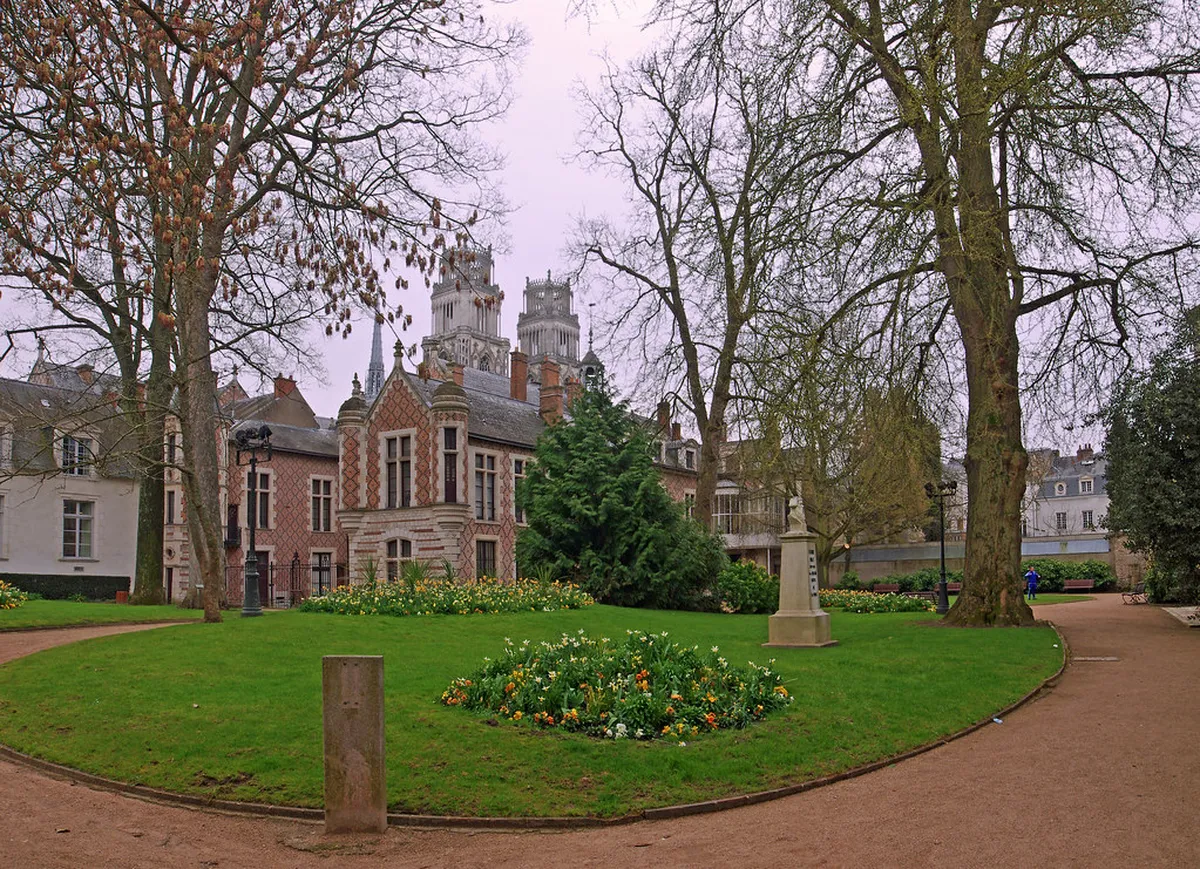
The Hôtel Groslot stands today as a stunning masterpiece of the French Renaissance era in Orléans. This mansion showcases the elegant Hôtel Groslot Orléans Renaissance design across its grand red brick facade. Modern visitors can explore its rich history while admiring the intricate details of this 16th-century monument. It remains one of the most famous historic landmarks in Orléans for international tourists today.
This structure reflects the wealth and power of the high-ranking officials who once lived within these walls. Construction began during the sixteenth century when the city experienced a significant cultural and artistic rebirth. Architects used traditional French styles combined with new Italian influences to create a very unique aesthetic. This building now serves as a central point for administrative functions and local cultural celebrations.
The Legacy of the Groslot Family History
The construction of this grand mansion began during the middle of the sixteenth century for Jacques Groslot. He served as the influential bailiff for the King of France within the growing city of Orléans. This building represents one of the most significant renaissance mansions of Orléans still standing today. It originally functioned as a private residence before becoming the city hall for the local population later.
Jacques Groslot wanted to demonstrate his social status through the impressive scale of his new home. The design incorporated expensive materials and complex masonry techniques that were very rare during that specific period. It served as a meeting place for the local elite and high-ranking members of the royal court. The family maintained control of the property for many decades before it passed into public ownership eventually.
During the French Revolution, the building survived many changes while maintaining its original core structural elements. Local authorities recognized the artistic value of the mansion and decided to preserve it for future generations. The transition from a private home to a public building helped save the architectural details from destruction. It officially became the town hall in the nineteenth century after undergoing several major interior renovations.
Today, the mansion stands as a symbol of the enduring power and history of the Groslot family. Researchers study the original plans to understand how urban mansions evolved during the French Renaissance period. The building continues to host official ceremonies and weddings for the citizens living in the modern city. Its history is deeply connected to the political development of the region throughout the last five centuries.
The Exterior Hôtel Groslot Orléans Renaissance Design
The facade of the building features a striking combination of red and black bricks in diamond patterns. This decorative masonry is a hallmark of the Hôtel Groslot Orléans Renaissance design found throughout the city. White stone accents provide a beautiful contrast against the dark brickwork of the main structural walls. The facade exhibits exceptional architecture photography spots in Orléans for modern enthusiasts today.
Symmetry plays a vital role in the overall composition of the exterior of this historic French mansion. Large mullioned windows allow natural light to flood the interior rooms while creating a rhythmic visual pattern. Each window is framed by delicate stone carvings that showcase the skill of sixteenth-century master craftsmen. The vertical lines of the building are balanced by horizontal moldings that define each floor of the structure.
The main entrance is guarded by a pair of bronze statues representing Joan of Arc and the family. These figures were added during the nineteenth century to celebrate the local history and the legendary heroine. The high-pitched slate roofs are typical of the Loire Valley style seen in many famous royal châteaux. Intricate dormer windows break the roofline and add a touch of elegance to the upper levels.
Visitors can appreciate the courtyard which is enclosed by the three main wings of the historic building. This layout was designed to provide privacy for the residents while allowing for a grand ceremonial entrance. The masonry remains in excellent condition due to several careful restoration projects completed over the last century. Every corner of the exterior tells a story about the artistic transition from the medieval to modern era.
{Frequently Asked Questions
Who originally built the Hôtel Groslot?
The mansion was built for Jacques Groslot, who was the bailiff of the King in Orléans. Construction began around 1550 during the peak of the French Renaissance period in the Loire Valley.
Is entrance to the Hôtel Groslot free?
Entrance to the Hôtel Groslot is completely free for all visitors throughout the entire year of 2025. You can explore the historic rooms and gardens during the standard opening hours without a ticket.
What can visitors see inside the building?
Visitors can view grand city hall interiors featuring coffered ceilings and antique furniture. The mansion also houses beautiful paintings and a famous statue of Joan of Arc by Princess Marie d'Orléans.
When is the best time to visit Orléans?
The best time to visit is during the spring or fall when the weather is mild. This allows you to enjoy the gardens and the exterior architecture without the large summer tourist crowds.
The Hôtel Groslot remains a premier example of Renaissance artistry and historic preservation in modern central France. Visitors in 2025 should take the time to explore both the grand interiors and the peaceful gardens. This site provides a unique window into the royal history and architectural evolution of the city. Start planning your visit today by checking the best Orléans architecture walking tour for more details. Experience the beauty and heritage of this iconic French mansion on your next trip to the region.
Key Takeaways
- The mansion showcases exceptional 16th-century red and black brickwork patterns.
- Entry to the building and its gardens is free for all visitors in 2025.
- The site has hosted multiple French kings and remains historically significant today.