
Place du Martroi Urban Planning: Orléans Guide
Explore Place du Martroi urban planning in Orléans. Learn about its design history, Joan of Arc statue, and 2025 updates. Start your tour now!
On this page
Place du Martroi serves as the vibrant heart of Orléans, France. This historic square has seen major changes in recent years. Understanding Place du Martroi urban planning reveals how modern cities balance heritage and function. Designers transformed this space into a pedestrian-friendly destination. Today, it stands as a model for public square renovation in Europe.
Visitors in 2025 will notice the clean lines and open vistas. The square connects the old town with newer commercial districts. It acts as a primary hub for social and cultural events. You can easily spend an afternoon admiring the local life here. The design encourages people to slow down and enjoy the city.
This guide explores the design choices that define the square. We will look at materials, lighting, and transit integration. These elements create a cohesive and welcoming urban environment. Explore more about architecture in Orléans to see how this square fits into the city.
Evolution of the Square through History
The site has evolved significantly since the medieval era. It was once the location for local markets and public executions. Planners cleared the area in the 18th century for better airflow. This created the large open space we see today. The square became a symbol of civic pride for Orléans.
During the 19th century, the city added grand neoclassical buildings. These structures provided a formal border for the central plaza. The alignment of nearby streets emphasized the importance of this space. It functioned as a gateway for travelers entering from the north. You can read about the evolution of Orléans central square to learn more details.
Modern planners faced a challenge in the late 20th century. Cars dominated the square, making it loud and cluttered. Traffic congestion reduced the appeal for local pedestrians and tourists. The city decided to reclaim the space for people in 2013. This marked a turning point for Orléans urban design.
The current layout prioritizes open sightlines and accessibility for all. Designers removed the old sunken fountain to create more floor space. This allowed for larger gatherings and public festivals during the year. The square now feels much larger than its physical dimensions suggest. It serves as a true living room for the urban population.
Historical preservation remained a key goal during the recent updates. Planners ensured that new materials complemented the old stone facades. The result is a seamless blend of past and present styles. Every stone tells a story of the city's long history.
Architectural Context of Joan of Arc Statue
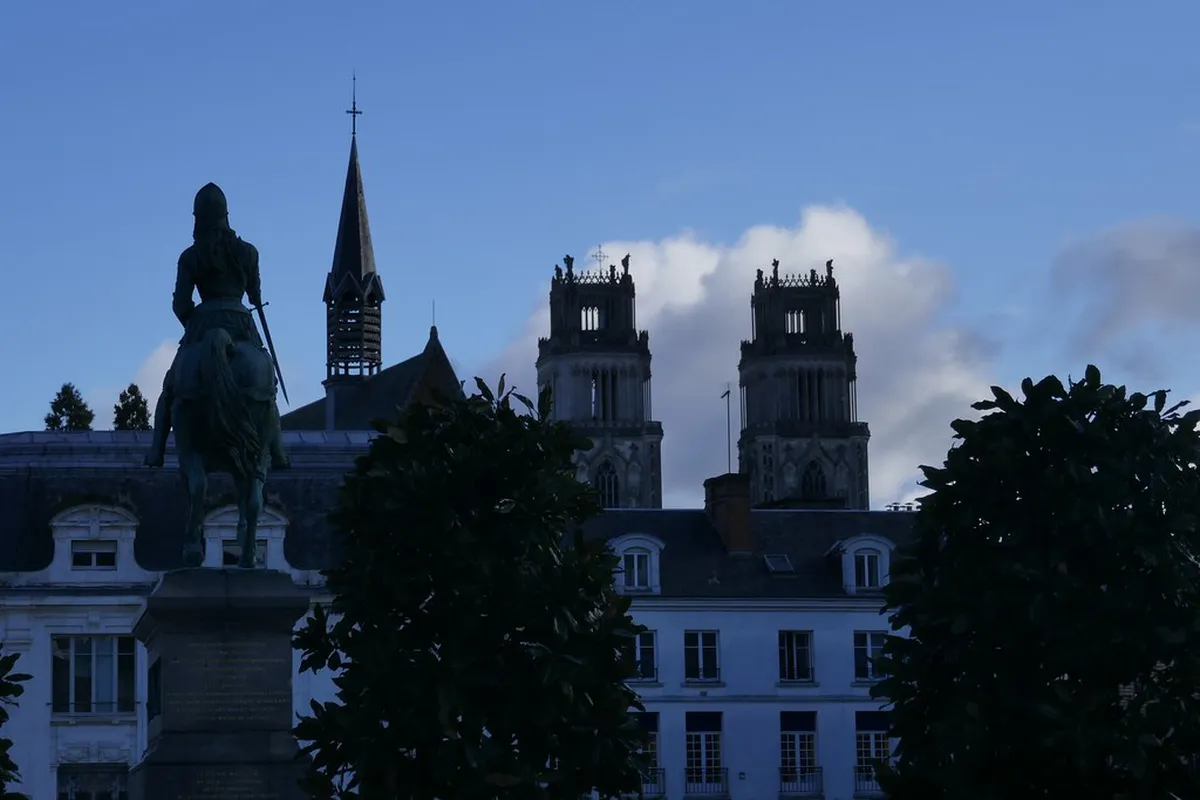
The Joan of Arc statue stands at the very center. It was installed in 1855 to honor the city's liberator. This bronze monument is a masterpiece by sculptor Denis Foyatier. It serves as the primary focal point for all urban planning. The square's geometry radiates outward from this central figure.
Planners used the statue to establish a sense of hierarchy. The pedestal sits on a raised platform for better visibility. This design choice ensures the monument remains visible from distant streets. It acts as a compass for people navigating the city center. The statue of Joan of Arc architectural context is essential for visitors.
The surrounding architecture features uniform limestone facades with slate roofs. These buildings date back to the 19th-century expansion of Orléans. They provide a calm and consistent background for the bronze statue. This visual harmony is a core principle of French urban design. It creates a sense of order and timeless elegance.
Lighting plays a major role in highlighting the statue at night. Modern LED fixtures cast a soft glow on the bronze surface. This enhances the dramatic pose of the equestrian figure after sunset. The city invested in high-quality lighting to improve evening safety. People feel comfortable walking through the square at any hour.
The statue also dictates the placement of seasonal decorations and markets. During the annual Joan of Arc festivals, the space transforms. Temporary stages and stalls are arranged around the monument's base. This highlights the statue's role as a symbol of local identity. It remains the most important landmark in the entire city.
Modern Renovation and Material Selection
The 2013 renovation introduced high-quality paving materials to the area. Designers chose Comblanchien limestone for the main ground surface. This light-colored stone reflects sunlight and brightens the entire square. It is durable enough to handle thousands of daily visitors. The material choice gives the space a premium and clean look.
Water features were added to enhance the sensory experience. A shallow water mirror now sits on the northern side. It provides a beautiful reflection of the surrounding historic buildings. Children often play in the jets during the warm summer months. This addition brought life and movement back to the plaza.
Underground infrastructure was a major part of the urban planning project. The city built a large parking garage beneath the square. This allowed planners to remove all surface-level parking spots. It freed up thousands of square meters for public use. The entrance to the garage is hidden to maintain aesthetics.
New seating options were integrated into the landscape design. Long stone benches provide places for people to rest and talk. These benches follow the edges of the square to keep paths clear. They are made from the same stone as the floor. This creates a unified look across the entire urban site.
Tree planting was another critical aspect of the modern design strategy. Rows of trees provide shade and reduce the urban heat island. They also add a natural element to the stone-heavy environment. The planners chose species that thrive in the local climate of Orléans. These green spaces make the square more comfortable during summer.
Integrating Public Transit and Boulevards
The Orléans tramway system is a key part of the square. Line A passes directly through the eastern edge of the plaza. This integration makes the square accessible from all parts of Orléans. The tram stop features a minimalist design to avoid clutter. It blends perfectly with the surrounding 19th-century urban aesthetic.
Broad boulevards connect the square to the rest of the city. These streets were designed for grand vistas and easy movement. They follow the classic French style of wide lanes and tree-lined sidewalks. You can explore the 19th-century boulevards in Orléans for more context. These routes lead directly to the main railway station.
Pedestrianization was the primary goal of the latest urban planning phase. Cars are now restricted to specific access roads near the perimeter. This has significantly reduced noise levels in the central area. Walkers can cross the square safely without worrying about heavy traffic. It has become a much more relaxing place for everyone.
Bicycle infrastructure also received a major boost during the renovation. New bike lanes connect the square to the Loire riverfront. Ample bike parking is available near the tram stops and shops. This encourages sustainable travel within the urban core of Orléans. Residents now prefer cycling over driving to the city center.
The square acts as a junction for several important shopping streets. Rue Royale leads south toward the famous river and bridge. These connections ensure a steady flow of foot traffic all day. Business owners have seen an increase in customers since the renovation. The improved transit links have boosted the local economy significantly.
Urban Design Lessons and Visitor Tips
Place du Martroi teaches us how to modernize historic city centers. It shows that removing cars can revitalize a struggling urban space. The project focused on high-quality materials and simple, clean designs. This approach ensures that the square will remain attractive for decades. Other cities often look to Orléans for inspiration in design.
Visitors should start their walk from the northern end of the square. This offers the best view of the statue and the cathedral. Take time to sit by the water mirror in the afternoon. It is a great spot for people-watching and taking photos. You can follow an Orléans architecture walking tour itinerary to see everything nearby.
Local cafes offer outdoor seating with excellent views of the plaza. Enjoy a coffee while watching the tram glide past the statue. The square is especially beautiful during the golden hour before sunset. This is when the limestone buildings glow with a warm light. It is a magical experience for any travel photographer.
Check the local events calendar before your visit to the city. The square hosts many festivals, concerts, and markets throughout 2025. These events show the true social power of well-planned urban spaces. They bring people together in a safe and beautiful environment. Martroi is more than just a square; it is a community.
Look closely at the details of the ground and the benches. Notice how the drainage systems are hidden within the stone patterns. This attention to detail is what makes the project truly successful. Professional planners admire the technical precision of the Orléans team. It is a masterpiece of modern French urban design.
Frequently Asked Questions
What is the history of Place du Martroi urban planning?
The history of the square dates back several centuries in Orléans. It evolved from a medieval market into a grand neoclassical plaza. Major renovations in 2013 removed cars to create a pedestrian zone. This change improved the quality of life for all residents.
Who designed the modern renovation of Place du Martroi?
The architectural firm Obras led the recent redesign of the square. They collaborated with landscape architects to create the modern layout. Their focus was on simplifying the space and using noble materials. The project won several awards for urban design excellence.
Is the Place du Martroi accessible for visitors with disabilities?
Yes, the square is fully accessible for all types of visitors. The ground is flat and uses smooth paving stones throughout. There are no steps or barriers in the main pedestrian areas. The tram stops also feature level boarding for wheelchairs and strollers.
What are the best photo spots in Place du Martroi?
The best photo spot is near the water mirror feature. You can capture the reflection of the Joan of Arc statue. Another great angle is from the entrance of Rue Royale. This view shows the alignment of the square with the city.
Place du Martroi urban planning has successfully transformed the heart of Orléans. By prioritizing pedestrians and high-quality design, the city created a world-class space. The square balances historic reverence with modern functionality for 2025 visitors. It remains a must-see destination for anyone interested in architecture or city life. Plan your visit today to experience this beautiful urban transformation in person.
Key Takeaways
- Pedestrianization increased foot traffic and social activity in the center.
- High-quality limestone materials provide durability and a classic aesthetic look.
- The 2013 renovation successfully integrated the modern tramway into historic surroundings.
- Removing surface parking allowed for the addition of popular water features.
- The Joan of Arc statue remains the central focus of all design.
Related reads: architecturebycity.com, sainte croix cathedral orleans architecture.