
Gothic Architecture in Reims: A Complete Guide for 2025
Explore the stunning Gothic architecture in Reims with our 2025 guide. Learn about the cathedral, historic basilicas, and structural secrets. Plan your visit today!
On this page
Gothic architecture in Reims represents the pinnacle of medieval craftsmanship and French royal tradition. Tourists visiting the city in 2025 will discover some of the most famous landmarks in Europe. The style evolved significantly between the twelfth and fourteenth centuries throughout this historic Champagne region. You can see many different examples of architecture in Reims while walking through the city center.
The city served as the traditional site for the coronation of French kings for centuries. This royal connection ensured that only the finest architects and masons worked on the local structures. High vaulted ceilings and pointed arches define the skyline of this beautiful destination in modern France. These massive stone buildings continue to inspire awe in every traveler who visits the Grand Est region.
The Grandeur of Notre-Dame de Reims
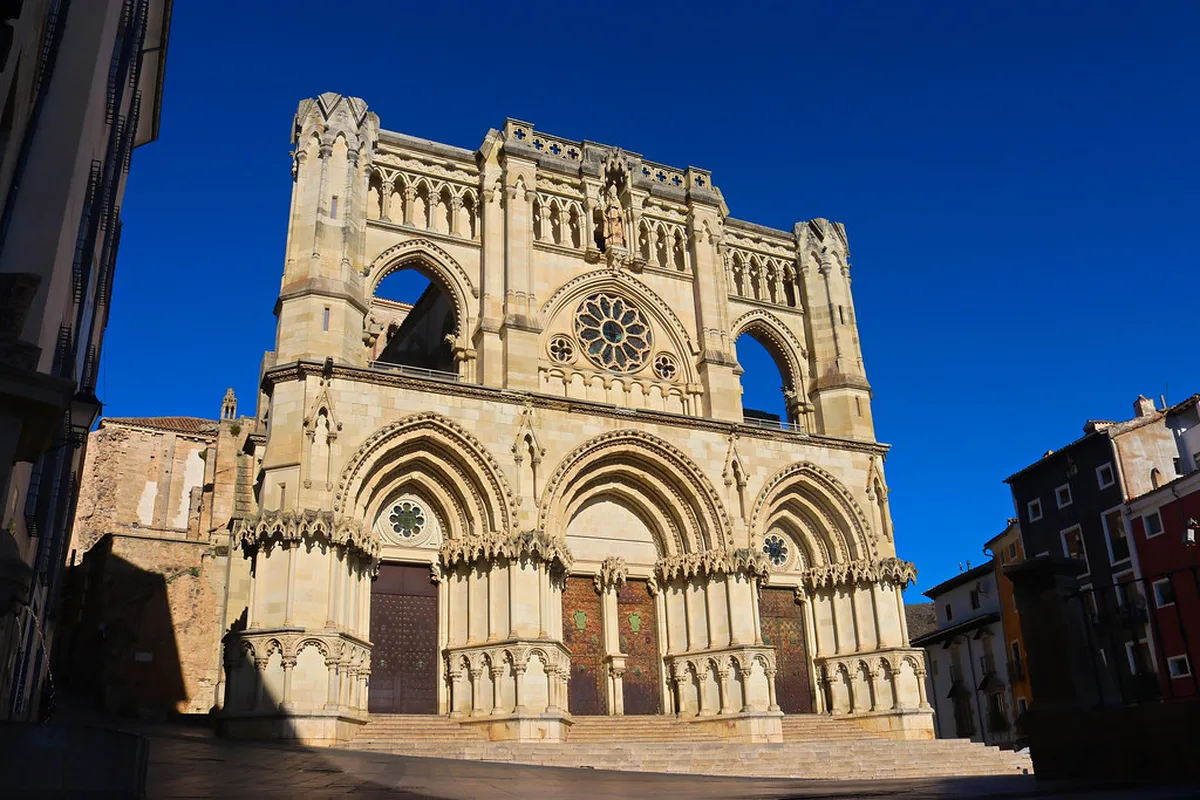
The Notre-Dame de Reims cathedral is widely considered a masterpiece of the High Gothic style. Construction began in 1211 after a fire destroyed the previous Romanesque structure on the same site. Architects designed the building to display immense height and light through innovative structural techniques and artistry. You should pay close attention to the reims cathedral facade details when standing in the main square.
Thousands of individual statues decorate the exterior walls and celebrate both biblical and local historical figures. The most famous sculpture is the Smiling Angel, which greets visitors near the north portal entry. Skilled artisans spent decades carving these figures to educate the public during the middle ages of France. These statues remain in excellent condition thanks to careful preservation efforts by the local government today.
The interior of the cathedral features soaring nave heights that reach nearly thirty-eight meters above the floor. Massive stained glass windows filter the light to create a spiritual atmosphere for worshippers and tourists. Some windows date back to the thirteenth century, while others are modern additions by artist Marc Chagall. These windows illustrate the transition of artistic styles within the framework of traditional Gothic design elements.
Visiting hours for the cathedral usually start at 7:30 AM and end at 7:30 PM daily. Entry to the main nave is free, though donations for maintenance are always welcomed by staff. Expect larger crowds during the summer months of 2025, especially on weekends and local French holidays. Guided tours provide deeper insights into the royal history and the architectural evolution of this sacred space.
The Transition at Saint-Remi Basilica
The Saint-Remi Basilica offers a unique look at the transition from Romanesque to early Gothic architecture. This UNESCO World Heritage site was built to house the relics of Saint Remi, the city's patron. The nave retains its sturdy Romanesque foundations, while the choir displays the lightness of the Gothic style. Exploring the saint remi basilica architecture history reveals how builders merged these two distinct artistic periods.
The choir was rebuilt in the late twelfth century to incorporate larger windows and higher stone vaults. This change allowed more light to enter the sanctuary during the morning and afternoon church services. You can see the shift in building techniques by looking at the different types of stone used. The earlier sections use heavier masonry while the later sections feel much more delicate and open.
Inside the basilica, you will find the tomb of Saint Remi surrounded by ornate decorative ironwork. The surrounding ambulatory features beautiful chapels that showcase the evolution of medieval stone carving throughout the years. Visitors often find the atmosphere here quieter and more reflective than the busy main cathedral downtown. It is an essential stop for anyone wanting to understand the full history of local religious buildings.
Access to the basilica is easy via a short bus ride or a twenty-minute walk from the center. The site is open most days from 9:00 AM until 7:00 PM for public viewing and prayer. There is no cost for admission, making it a great budget-friendly option for architecture lovers in 2025. Be sure to check the local schedule for evening light shows that occasionally illuminate the facade.
Mastering the Gothic Architecture in Reims
Structural innovation was required to reach the impressive heights found in the famous religious buildings of Reims. Architects utilized the pointed arch to distribute weight more efficiently than the older rounded Romanesque arches. This technique allowed for thinner walls and much larger window openings throughout the entire stone structure. The use of the ribbed vault further improved the stability of the tall ceilings in the nave.
The flying buttresses of reims are perhaps the most important technical achievement of the medieval building period. These external supports carry the weight of the roof away from the walls to the ground below. This allows the walls to be filled with stained glass instead of just solid, heavy stone masonry. You can see these magnificent stone arms clearly from the gardens behind the main cathedral building.
- Pointed Arches: These allow for taller structures and more flexible floor plans in medieval designs.
- Ribbed Vaults: These distribute the weight of the heavy stone roof down to the supporting columns.
- Flying Buttresses: These external supports prevent the high walls from pushing outward and eventually collapsing.
- Stained Glass: Large windows replace solid walls to fill the internal space with colorful natural light.
These features combined to create the "Light of God" effect that medieval architects wanted to achieve. The engineering was so advanced that many of these buildings have survived for over eight hundred years. Modern engineers still study these sites to learn about the physics of stone and gravity in construction. You will appreciate the technical skill involved when you see the scale of these ancient monuments.
The Palace of Tau and Civil Gothic Style
The Palace of Tau served as the residence for the archbishops and the kings before their coronations. While much of the building has been renovated, it still contains significant Gothic architectural elements and layouts. The hall of the Tau is a prime example of a non-religious Gothic space from the thirteenth century. It features a stunning wooden barrel-vaulted ceiling that looks like an overturned ship's hull to many viewers.
Inside the palace museum, you can see original statues that were removed from the cathedral for safe preservation. These pieces allow you to see the intricate Gothic carvings up close without needing any binoculars. The museum also displays the royal treasury, which includes items used during the coronation ceremonies of French monarchs. This collection provides vital context for the grandeur of the surrounding architecture and its royal purpose.
The layout of the palace changed over time as different archbishops added new wings and modern comforts. You can trace the shift from medieval Gothic to later Renaissance and Baroque styles in the different rooms. This architectural journey shows how the city adapted to new tastes while respecting its historical stone roots. The palace offers a quiet place to learn about the people who commissioned these massive building projects.
The museum is open Tuesday through Sunday, typically from 9:30 AM to 6:30 PM for all visitors. Tickets cost around 8 Euros for adults, which includes access to all the permanent historical galleries. It is located directly next to the cathedral, making it very convenient to visit both in one morning. The palace provides a necessary bridge between the religious and political history of the local Gothic movement.
Planning your Architecture Tour in 2025
A successful visit to see the Gothic architecture in Reims requires a bit of early morning planning. Most major sites are located within walking distance of each other in the compact city center area. Start your day at the cathedral to beat the large tour groups that arrive by mid-day. Use our guide for reims architecture tour planning to maximize your limited time in the city.
The best months to visit are May, June, and September when the weather is mild and comfortable. You will have enough light for photography well into the evening during the late spring and summer. Consider staying at a hotel near the Place Drouet d'Erlon for easy access to restaurants and landmarks. This area remains lively throughout the year and offers plenty of local dining options for travelers.
Photography enthusiasts should bring a wide-angle lens to capture the full scale of the high cathedral ceilings. The best light for the western facade usually occurs during the late afternoon as the sun sets. Many buildings are also beautifully lit at night, offering a completely different perspective on the stone carvings. Remember to respect silence and local customs when taking photos inside active places of worship.
You can also find several smaller churches that showcase regional variations of the Gothic style throughout the city. These hidden gems often have fewer tourists and allow for a more intimate look at the masonry. Researching the local map will reveal dozens of historic portals and windows hidden in plain sight. Reims truly is a living museum for anyone interested in the history of European building design.
Frequently Asked Questions
What is the best example of Gothic architecture in Reims?
The Notre-Dame de Reims Cathedral is the best example of the High Gothic style in the city. It features famous flying buttresses and thousands of detailed statues on its massive stone facade. Most experts consider it one of the most important Gothic buildings in the world today.
How long does it take to see the major Gothic sites?
You can see the main cathedral, the Saint-Remi Basilica, and the Palace of Tau in one full day. A two-day trip allows for a more relaxed pace and time to explore smaller hidden churches. Most sites are located within a twenty-minute walk of each other in the city.
Are there guided tours for Gothic architecture in Reims?
Yes, the local tourism office offers several guided walks focusing on the city's medieval and Gothic history. Many private guides also offer specialized photography tours for those looking to capture the best angles. You can book these tours online in advance to ensure your spot during 2025.
Gothic architecture in Reims offers a profound look into the history and religious devotion of medieval France. From the soaring heights of the cathedral to the quiet beauty of Saint-Remi, these buildings remain timeless. Plan your trip in 2025 to experience these stone masterpieces and the rich culture of the Champagne region. You can find more details for your trip with our reims architecture tour planning resources today.
Key Takeaways
- Visit Notre-Dame de Reims early in the morning to avoid the largest tourist crowds in 2025.
- Do not miss the Saint-Remi Basilica for a look at the transition from Romanesque to Gothic.
- Check the western facade of the cathedral in the late afternoon for the best photography light.
- Budget about 8 Euros for entry to the Palace of Tau museum next to the cathedral.
- Wear comfortable walking shoes as the main architectural sites are best explored on foot.
Related reads: architecturebycity.com.