
Saint-Remi Basilica Architecture History Guide
Explore the Saint-Remi Basilica architecture history in Reims. Discover Romanesque and Gothic styles in this 2025 guide. Plan your historic visit to France today!
On this page
Reims is a city known for its incredible historical structures and deep religious roots. The Saint-Remi Basilica architecture history reflects many centuries of French heritage and design evolution. This UNESCO World Heritage site tells a powerful story of faith and medieval engineering. It remains a essential destination for any traveler visiting France in 2025.
Many tourists often overlook this gem for the larger main cathedral nearby. However, this basilica offers a unique look at very early construction styles. It houses the sacred remains of Saint Remi within its ancient walls. Discover why this site defines Gothic architecture in Reims for visitors today.
The building represents a perfect bridge between the Romanesque and Gothic eras. You can see how builders experimented with new ideas over hundreds of years. Every stone and archway carries a piece of French national identity. This guide will help you understand the layers of history found here.
Saint-Remi Basilica Architecture History Origins
Construction on the current abbey began in the early 11th century. The monks wanted a massive space to hold their holy relics. It replaced an earlier chapel that stood since the fifth century. This strong foundation set the stage for grand future designs.
The Romanesque style features very thick walls and small, rounded arches. These elements provided great stability for the heavy stone roof structures. You can still see these primitive features in the nave today. They represent the strength of early medieval construction techniques in France.
Large, simple pillars support the weight of the central structure. These stone columns lack the ornate carvings found in later periods. Instead, they focus on providing functional support for the massive abbey. The simplicity highlights the spiritual focus of that specific historical time.
The 2025 visitor can still feel the ancient and somber atmosphere. Dim lighting enhances the massive scale of the interior stone walls. It feels like stepping back into the early middle ages. This section remains the oldest part of the entire building.
Transitioning to the Gothic Style
Architecture evolved significantly during the middle of the 12th century. Builders began adding pointed arches to the newer choir section. This change allowed for much taller and thinner stone walls. It marked a major shift toward the famous Gothic style.
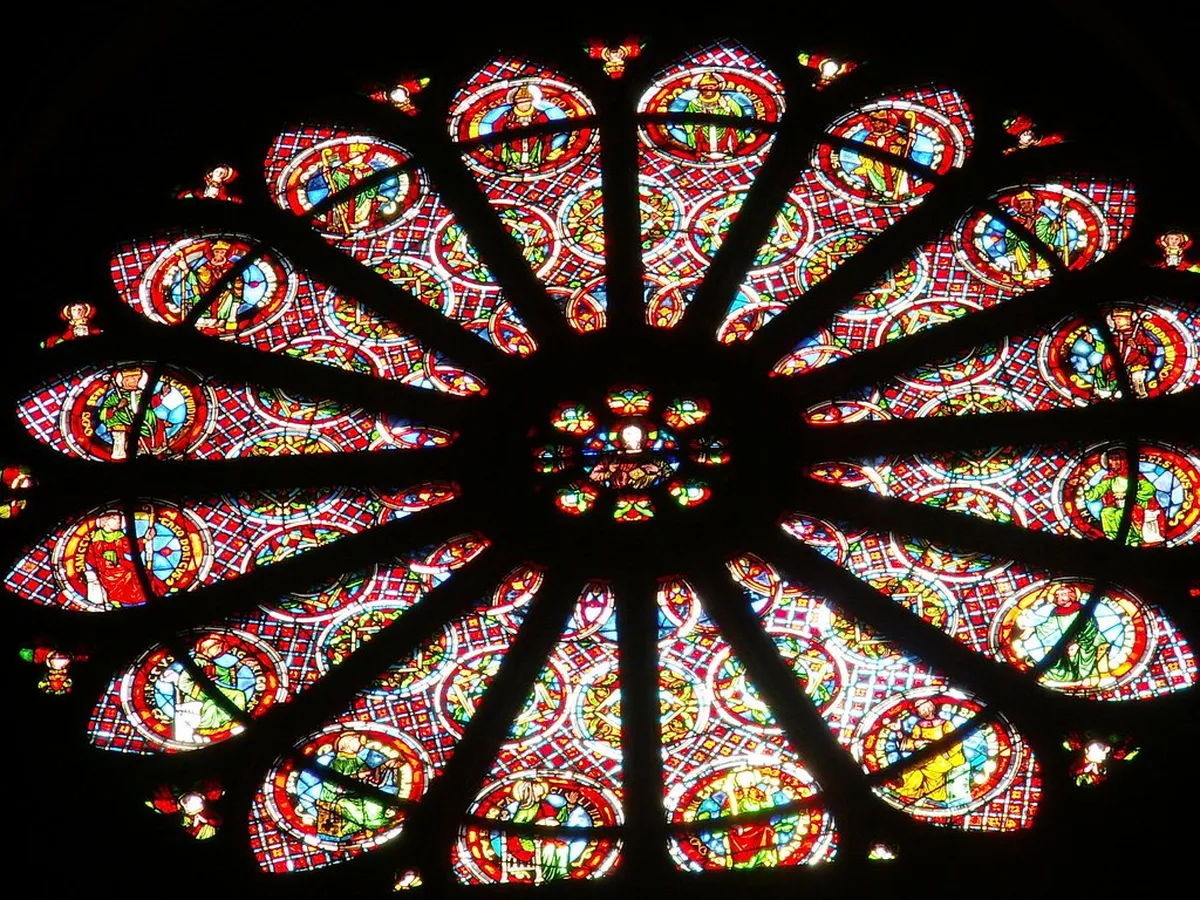
Large windows were installed to bring much more natural light inside. The use of stained glass became a central artistic feature here. Light was seen as a divine presence within the church walls. These windows tell stories of various biblical events and saints.
Ribbed vaults were introduced to support the much higher ceilings. These vaults distributed weight more efficiently than older building methods. This innovation allowed for the grand scale seen by visitors today. It is a prime example of religious architecture in Reims history.
The choir area displays early Gothic elegance and fine detail. It contrasts beautifully with the simpler Romanesque nave sections nearby. This blend of styles makes the basilica truly unique in Europe. Architects from all over study these specific structural transitions today.
Flying buttresses were added later to reinforce the external structure. They allowed the walls to reach even greater vertical heights. This technical mastery defines the late medieval period in France. The exterior view shows these stone supports in great detail.
Grand Interior and Artistic Treasures
The interior houses a famous crown-shaped chandelier in the center. It holds 96 candles representing the long life of Saint Remi. This lighting fixture creates a stunning focal point for all visitors. It hangs majestically above the main altar area for everyone to see.
Ancient stained glass survives from the late 12th century period. These panels show deep blues and very vibrant red colors. They survived many wars and centuries of harsh weather damage. Visitors often spend hours admiring the intricate medieval glasswork details.
The tomb of Saint Remi sits within the beautiful choir section. It is a masterpiece of Renaissance sculpture and artistic design. Twelve statues of French peers surround the holy golden shrine. This area remains the most sacred part of the entire building.
Ornate tapestries once lined the walls during important royal events. Today, the space feels open and very peaceful for reflection. Local guides offer deep insights into many hidden architectural symbols. Learning about these details enriches any 2025 visit to Reims.
Modern Restoration and UNESCO Status
World War I caused severe damage to the basilica roof. Intense shelling burned the ancient timber frames in early 1918. Restoration efforts took nearly forty years to fully complete. The modern builders used careful techniques to preserve the original history.
UNESCO recognized the site for its immense historical value. It shares this high honor with the nearby Reims Cathedral. This status protects the Saint-Remi Basilica architecture history forever. It ensures that future generations can enjoy this beautiful site.
Ongoing maintenance keeps the stone in excellent physical condition. Specialists use traditional tools for most of the delicate repairs. You might see craftsmen working during your 2025 tour. They help maintain the original look of the ancient facade.
The basilica remains an active place of daily worship today. You can attend mass to hear the amazing acoustics. The sound travels perfectly through the vaulted stone ceilings. It is a powerful experience for any traveler in France.
Practical Tips for Your 2025 Visit
The basilica is located south of the main city center. It is easily reachable by using the local tram system. The walk from the main cathedral takes twenty minutes. This path leads through many beautiful and historic Reims streets.
Entry to the basilica is free for all visiting guests. However, the adjacent museum requires a small entry fee payment. Expect to pay around five euros for full museum access. The museum holds many original statues and holy relics.
Visit during the morning for the best natural light. The sun hits the stained glass windows perfectly at noon. Opening hours are usually from 9:00 AM to 7:00 PM. Check the local schedule for any special holiday closures.
Wear comfortable shoes for walking on the old stone floors. The interior can stay quite cool even during summer months. Consider taking a Reims architecture walking tour for more context. This helps you understand the wider urban city layout.
Respect the silence inside the holy worship spaces at all times. Photography is allowed but avoid using a bright flash. Be mindful of locals who are there for quiet prayer. This ensures a pleasant visit for everyone involved.
Frequently Asked Questions
When was the Saint-Remi Basilica built?
The core structure was built during the 11th century. Gothic additions were added later during the 12th century. It has undergone several major restorations since then. The building remains a mix of several eras.
Is entry to the Saint-Remi Basilica free?
Yes, entering the main basilica is free for everyone. There is a small fee for the museum next door. Most visitors find the museum very much worth the cost. It contains many original artifacts from the site.
Who is buried in the Saint-Remi Basilica?
Saint Remi is the most famous person buried here. He was the bishop who baptized King Clovis I. Several other early French kings were also buried here. It is a very important site for French royalty.
How do I get to the basilica from the city center?
You can take a short tram ride from the center. Many people prefer the twenty-minute walk through historic neighborhoods. The route is well-marked with signs for tourists. It is a very easy place to find.
The Saint-Remi Basilica architecture history is a treasure for all. It offers a quiet and profound look at French craftsmanship. Make sure to visit this site during your 2025 trip. You will leave with a deeper appreciation for medieval design. Explore the beauty of Reims and book your tour today!
Key Takeaways
- Experience the unique blend of Romanesque and Gothic architectural styles.
- See the historic tomb of Saint Remi and the famous crown chandelier.
- Enjoy a peaceful visit away from the main tourist crowds in Reims.
Related reads: architecturebycity.com, architecture in reims.