
Guide to Reims Art Deco Reconstruction in 2025
Discover the beauty of Reims Art Deco reconstruction. Learn about the city's revival and top landmarks in this 2025 guide. Plan your historic visit today!
On this page
Reims is a city that rose from the ashes of World War I with incredible style. The Reims Art Deco reconstruction transformed the city into a museum of early twentieth-century design. During the Great War, heavy bombardment destroyed nearly eighty percent of the historic city center. Local leaders decided to rebuild with a modern vision rather than just copying the past. This bold choice created one of the most unique urban landscapes in architecture in Reims today. Visitors in 2025 will find a vibrant city filled with stunning geometric facades. The reconstruction effort involved over three hundred architects from across Europe and America.
The rebuilding process lasted from 1920 until the late 1930s. Architects used reinforced concrete and colorful mosaics to create a fresh visual identity. This movement reflected the hope and energy of the Roaring Twenties. Every street corner tells a story of survival and artistic innovation. You can see the influence of many different artistic schools in the buildings. Some designs favor floral patterns while others embrace strict geometric lines. This guide explores the best examples of this architectural rebirth in the city. You will discover why Reims is the Art Deco capital of France.
The History of the Reconstruction Plan
The destruction of Reims was a tragedy that caught the world's attention. After 1918, the city faced the massive task of rebuilding for fifty thousand residents. The French government declared Reims a martyr city and prioritized its recovery. Urban planner George B. Ford created the initial layout for the new streets. His vision emphasized wider avenues and improved public hygiene for all citizens. This plan allowed architects to experiment with the emerging Art Deco style.
Architects flocked to Reims to showcase their modern design skills. They moved away from the heavy ornaments of the nineteenth century. Instead, they focused on clean lines and functional structures. Reinforced concrete became the primary material for most new buildings in the center. This material was affordable and allowed for creative new shapes and forms. The city became a massive construction site for nearly two decades.
Local authorities encouraged a variety of styles within the Art Deco movement. Some buildings used traditional brick combined with modern decorative elements. Others featured intricate ironwork and large windows to let in natural light. This mix of materials created a textured and interesting urban environment. You can see this variety on almost every major boulevard in Reims. The result is a city that feels unified yet diverse in its details.
The reconstruction was not just about houses and shops for the people. It included schools, libraries, and public markets to serve the community. These civic buildings often featured the most impressive Art Deco designs. They symbolized the strength and permanence of the newly rebuilt city. Today, these structures remain as functional as they were in the 1920s. They provide a living link to the city's period of recovery.
International support played a significant role in the city's rapid rebirth. Wealthy donors from the United States provided funds for major cultural projects. These contributions helped build landmarks that are now famous tourist attractions. The spirit of international cooperation is visible in many architectural details. You will find plaques honoring these donors throughout the historic city center. This history makes the reconstruction a global story of resilience.
The Elegant Carnegie Library Design
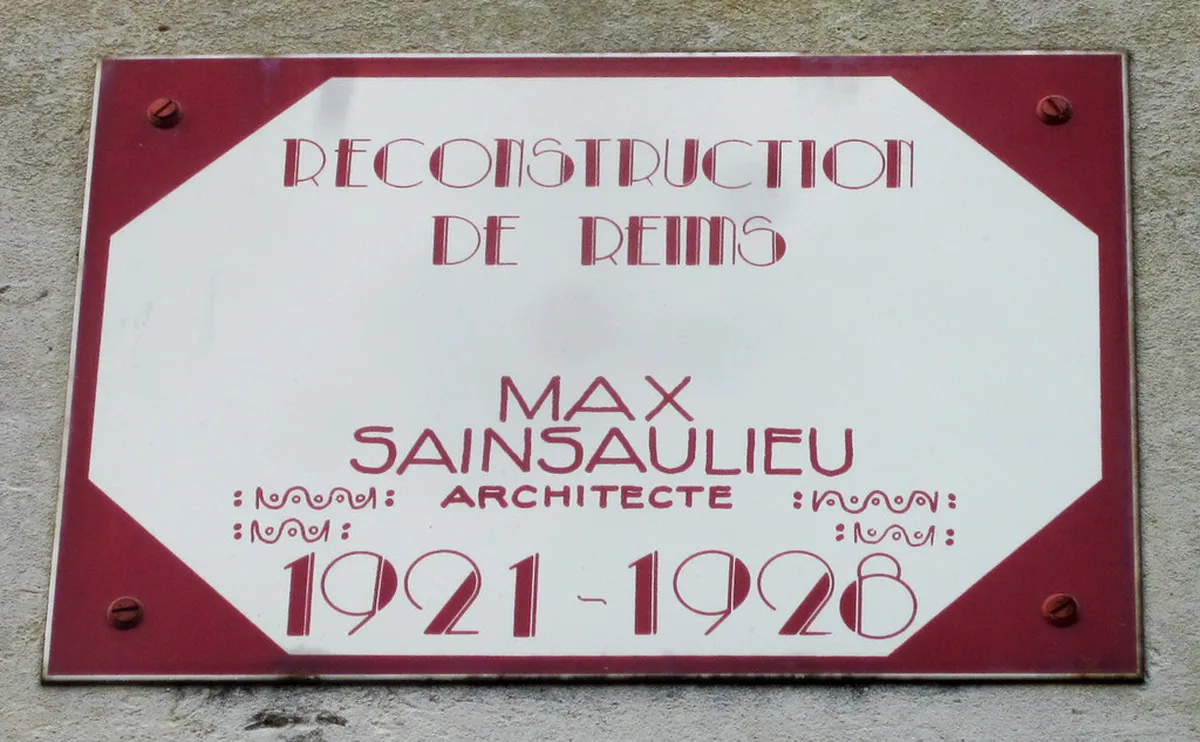
The Carnegie Library is perhaps the finest jewel of the reconstruction. American philanthropist Andrew Carnegie donated the funds to build this modern temple of knowledge. Architect Max Sainsaulieu designed the building with a focus on harmony and light. It stands as a prime example of the Carnegie Library interior design and its beauty. The facade features a semicircular entrance with stunning ironwork and carvings. You will notice symbols of science and literature on the exterior walls.
Step inside to see the incredible lobby filled with colorful mosaics. The floors feature intricate patterns that guide visitors toward the reading rooms. A massive chandelier hangs from the ceiling, reflecting the light from high windows. Every detail was crafted to inspire the people who used the library. The interior remains perfectly preserved for visitors to enjoy in 2025. It feels like stepping back into the height of the 1920s.
The main reading room is a masterpiece of functional Art Deco style. Tall windows allow soft daylight to fill the large, open space. The wooden furniture was specially designed to match the building's geometric theme. Stained glass windows by artist Jacques Gruber add a splash of color. These windows depict different themes of human knowledge and artistic endeavor. The atmosphere is peaceful and perfect for quiet study or reflection.
The library serves as a community hub for the people of Reims. It hosts regular exhibitions that highlight the city's rich architectural history. Visitors can take guided tours to learn about the building's hidden details. Entry is usually free for those who want to look around. Check the official website for current opening hours and special events. This building is a must-see for any design lover visiting France.
Conservation efforts ensure the library stays in excellent condition for the future. Recent restorations have cleaned the exterior stone and polished the interior metals. The building is protected as a historical monument by the French government. It represents the successful marriage of American funding and French artistic talent. No visit to Reims is complete without exploring this architectural wonder. It truly captures the essence of the city's stylish 1920s rebirth.
The Iconic Cinema Opera Facade
The Cinema Opéra stands as a bold landmark in the city center. Built in 1923, it was designed to be a modern palace for film. The Cinema Opera Art Deco facade features striking white stone and gold accents. Its vertical lines give the building a sense of height and grandeur. The entrance is framed by elegant carvings that represent the performing arts. It remains one of the most photographed buildings in the city.
The interior of the cinema is just as impressive as the outside. It features a grand staircase and a lavishly decorated main theater room. Geometric patterns repeat throughout the carpets and the wall panels. This consistency is a hallmark of the total design philosophy of Art Deco. The cinema continues to screen films for local audiences today. Watching a movie here is a unique cultural experience in Reims.
The building reflects the growing popularity of cinema during the reconstruction era. Architects wanted to create spaces that felt both modern and glamorous for everyone. The use of neon lighting on the facade was a revolutionary choice. It made the building glow with energy during the evening hours. This helped to revitalize the city's nightlife after the dark years of war. Today, the lights still shine brightly on the busy Rue de Vesle.
Preserving such a large commercial building requires constant care and investment. The city works with private owners to maintain the historic decorative elements. You can admire the exterior details even if you do not see a film. Look for the stylized floral motifs near the top of the columns. These small details show the high level of craftsmanship in the 1920s. The cinema is a living example of commercial Art Deco success.
The area around the cinema is filled with other reconstruction era shops. Walking through this district feels like a journey through early twentieth-century urban planning. You can see how the architects balanced commercial needs with artistic beauty. Many shops have kept their original signs and entrance layouts. This creates a charming atmosphere for shoppers and architecture enthusiasts alike. It is a perfect place to begin your exploration of the city.
Innovative Design at Halles du Boulingrin
The Halles du Boulingrin is a marvel of modern engineering and style. Architect Maigrot designed this covered market to replace the old destroyed markets. The Halles du Boulingrin architecture features a massive concrete shell roof. This thin-shell structure was considered very advanced when it opened in 1929. The roof spans a large area without the need for many internal pillars. This creates a vast, open space for vendors and shoppers.
The market faced the threat of demolition in the late twentieth century. However, local activists fought to save this important piece of city history. It underwent a massive restoration and reopened to the public in 2012. Today, it hosts a vibrant food market every Wednesday, Friday, and Saturday. You can buy local Champagne, cheese, and fresh produce under the historic roof. The atmosphere is energetic and full of local French character.
Natural light pours into the market through high windows and skylights. The concrete surfaces are painted in light colors to enhance the brightness. The simple, industrial look of the interior contrasts with the elegant exterior. This functionalism is an important part of the late Art Deco period. It shows how the style adapted to the needs of modern industry. The market is both a historical monument and a busy workplace.
Visitors should arrive early to experience the market at its most active. The surrounding neighborhood is also home to many excellent restaurants and cafes. You can enjoy a meal while looking at the market's unique curved silhouette. The building has become a symbol of the neighborhood's revitalization and pride. It is easily accessible by the city's modern tram system. This makes it a convenient stop on any architectural tour.
The Halles du Boulingrin demonstrates the longevity of reinforced concrete construction. Despite years of neglect, the structure proved to be incredibly strong and durable. The restoration used original techniques to repair the concrete and the windows. This careful work preserved the building's authentic 1920s appearance for future generations. It stands as a testament to the skill of the original builders. Experience the bustle of local life in this architectural masterpiece.
Art Deco Residential and Commercial Streets
The reconstruction of Reims was not limited to major public landmarks. Entire residential streets were built in the Art Deco style during the 1920s. Cours Langlet is a prime example of a planned commercial and residential avenue. The buildings here feature uniform heights but unique decorative details on every facade. You will find beautiful balconies, carved doorways, and decorative ironwork along the street. This consistency creates a very elegant and high-end urban atmosphere.
Rue de Vesle is another important street for discovering Art Deco gems. It serves as the main shopping artery of the city center today. Many of the stores are housed in buildings from the reconstruction era. Look up above the modern storefronts to see the original architectural details. You will see geometric patterns and stylized figures carved into the stone. These details often reflect the type of business that originally occupied the building.
Private mansions in the Quartier des Moissons also showcase the Art Deco style. Wealthy champagne merchants built these homes to display their success and modern taste. These houses often feature private gardens and elaborate decorative gates. They are more decorative than the commercial buildings found in the city center. Walking through this quiet neighborhood offers a different perspective on the reconstruction. It shows how the style was used for luxury domestic living.
Many residential buildings feature the "Maison des Musiciens" style of ornamentation. This involves using high-quality stone and intricate bas-reliefs on the exterior walls. These carvings often depict scenes of daily life or mythological themes. The craftsmanship involved in these residential projects was truly exceptional for the time. Residents today take great pride in living in these historic structures. They help maintain the city's status as a premier architectural destination.
To see the best spots, consider joining a Reims architecture walking tour with a guide. A local expert can point out hidden details that are easy to miss. They can explain the specific influences of different architects on various streets. You will learn about the challenges of building so many houses so quickly. These tours provide a deep dive into the city's artistic transformation. It is the best way to see the residential side of Art Deco.
Frequently Asked Questions
What is the best way to see the Art Deco buildings in Reims?
The best way to see the buildings is on foot. Most major landmarks are located within the walkable city center. You can start at the Cathedral and walk toward the Carnegie Library. Many visitors enjoy following a self-guided map from the local tourist office. This allows you to see the facades at your own pace.
When did the Reims Art Deco reconstruction take place?
The reconstruction mainly took place between 1920 and 1938. It began shortly after the end of World War I. Most of the major public buildings were finished by the late 1920s. Some smaller residential projects continued into the next decade. This period coincides with the height of the Art Deco movement in France.
Are there guided tours available for Art Deco architecture?
Yes, the Reims Tourist Office offers several guided architectural tours. These tours focus on the reconstruction history and specific Art Deco landmarks. You can book them in advance online or at their office. Some tours are available in English during the peak summer months. It is a great way to learn expert details.
Is the Carnegie Library open to the public?
The Carnegie Library is open to the public for visits and study. You can enter the lobby and main reading rooms for free. Be sure to stay quiet as it is still a working library. The library is usually closed on Sundays and public holidays. It is located very close to the Reims Cathedral.
Reims is a city that successfully turned a wartime tragedy into an artistic triumph. The Reims Art Deco reconstruction remains one of the most significant urban projects in history. From the grand Carnegie Library to the busy Halles du Boulingrin, the city is full of beauty. Visiting these sites in 2025 offers a unique look at twentieth-century design. You can experience history, art, and French culture all in one place. Plan your visit to this incredible city today. Explore the streets and discover the geometric wonders for yourself.
Key Takeaways
- Reims was rebuilt in Art Deco style after being 80% destroyed in WWI.
- The Carnegie Library and Cinema Opéra are must-see landmarks for visitors.
- Halles du Boulingrin is a masterpiece of early concrete engineering and design.
- Walking tours are the best way to appreciate the city's dense architectural heritage.
- The city center offers a unique blend of commercial and residential Art Deco.
Related reads: architecturebycity.com, gothic architecture in reims, champagne house architecture.