
Halles du Boulingrin Architecture in Reims France
Explore the Halles du Boulingrin architecture in Reims. Learn about this Art Deco icon and plan your 2025 visit to France today!
On this page
The Halles du Boulingrin architecture represents a major milestone in French structural engineering and modern design history. This building served as the heartbeat of the city during the famous Reims Art Deco reconstruction period. Architect Émile Maigrot and engineer Eugène Freyssinet created this masterpiece together in the late 1920s. Their collaboration resulted in a structure that remains visually stunning and technically impressive in 2025.
Visitors to Reims often find themselves drawn to the massive concrete arch that defines the local skyline. This building is more than just a place to buy local produce and fine French cheese. It stands as a testament to the resilience of a city that rebuilt itself after total destruction. You can truly appreciate the local history by exploring this iconic site during your next holiday. The market offers a unique glimpse into the functional beauty of early twentieth-century architecture today.
Understanding the significance of the Halles du Boulingrin requires a look at its revolutionary thin-shell concrete roof. This specific technique allowed the designers to cover a vast area without using any heavy interior supports. The result is a wide and open space that feels incredibly modern even by current standards. It serves as a focal point for anyone interested in the architecture in Reims during a tour. Let us dive deeper into the specific structural details that make this hall a global icon.
The Genius of Freyssinet’s Concrete Shell
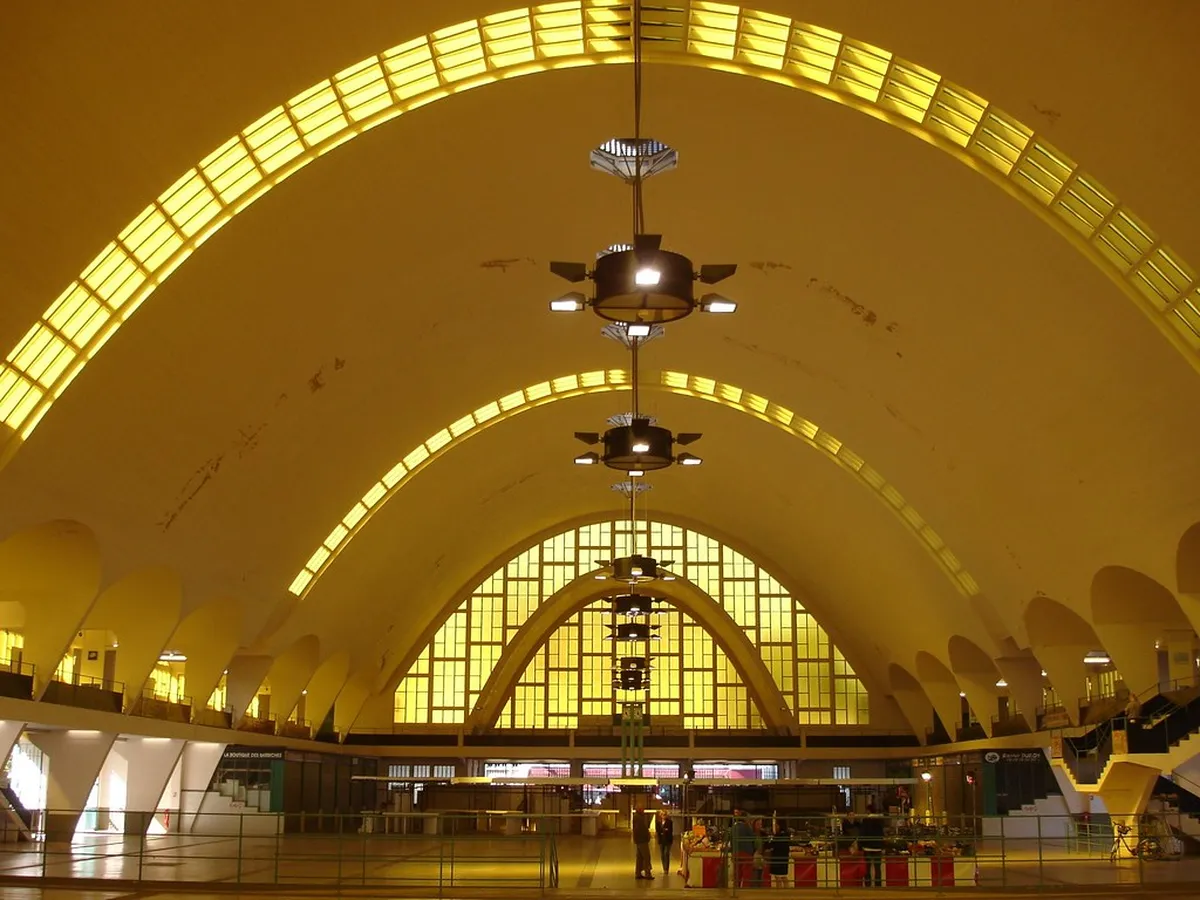
The Halles du Boulingrin architecture features a remarkably thin shell made of very strong reinforced concrete. This shell spans across a large open space without the need for traditional and heavy columns. Eugène Freyssinet used his innovative ideas to create a structure that was incredibly lightweight back then. The roof thickness averages only seven centimeters which was a massive achievement in 1929 world history.
The arch reaches a height of nearly twenty meters at its highest central point in the building. This height creates an airy atmosphere that feels much larger than the actual floor space suggests. Visitors often look upward in total awe when they first enter the main market area today. The curved shape provides natural acoustic properties that distribute sound evenly throughout the busy market hall.
Engineers often consider the vaulted roof a miracle of 1920s modern construction technology in Western Europe. The parabolic shape efficiently distributes the weight of the structure down into the heavy side foundations. This design ensures that the building remains stable while appearing to float lightly above the ground level. It is a perfect example of how form and function work together in modern structural engineering.
During the original construction phase workers had to use complex wooden forms to mold the concrete. These wooden molds were expensive and required a high level of skill to build correctly then. The successful completion of the hall proved that concrete could be both beautiful and extremely practical. Today we see the legacy of this work in many modern stadiums and large public buildings.
Integration with the Art Deco Reconstruction
The market hall stands as a primary symbol of the vibrant Reims Art Deco reconstruction after the war. After the city suffered heavy damage during World War I officials wanted a modern new look. They chose the Art Deco style to represent the progress and future of the French people. The Halles du Boulingrin perfectly fits this vision with its clean lines and very bold geometry.
Art Deco details are visible in the decorative patterns found on the exterior facades of the hall. You will see geometric shapes and stylized motifs that were very popular during the late 1920s era. These elements provide a sense of elegance to a building that is primarily used for daily commerce. It shows that even a simple market can be a work of high-quality architectural art.
The location of the market was chosen to revitalize the northern part of the city center area. It sits near the historic gate and provides a central gathering place for the local community members. The surrounding streets also feature many other Art Deco buildings that complement the style of the hall. Walking through this neighborhood feels like stepping back in time to a very optimistic historical period.
Architect Émile Maigrot won a prestigious design competition to build this landmark in the year 1922. His vision combined practical urban needs with a bold and unique aesthetic for the growing city population. The building survived years of neglect before a major restoration project saved it in late 2012. It now shines once again as a crown jewel of the entire architectural heritage of Reims.
The Importance of Natural Light and Color
One of the most striking features of the Halles du Boulingrin architecture is the use of light. Large windows are placed along the sides of the arch to let in plenty of sunshine. These windows use special glass that creates a soft and diffused glow inside the large market space. This natural lighting makes the fresh food and local products look very appealing to every shopper.
The original design included colored glass in shades of yellow and blue to create a specific mood. These colors were meant to represent the sky and the sun within the interior of the hall. When the sun shines through the glass it creates beautiful patterns on the gray concrete floor below. This artistic touch elevates the shopping experience into something much more memorable for the casual visitor.
The placement of the windows also helps with the natural ventilation of the large building interior. Cool air flows through the hall which keeps the food fresh even during the warm summer months. This passive cooling system is another example of the forward-thinking nature of the original design team. It reduces the need for modern air conditioning and saves energy for the local city council.
Strong emphasis is placed on the visual connection between the inside and the outside world here. You can see the surrounding city through the glass while you browse the various market stalls inside. This transparency helps the building feel like an integral part of the urban landscape of Reims city. It invites people to enter and explore the space without feeling confined by thick stone walls.
The Dramatic Rescue and Restoration
The hall faced the threat of demolition in the late twentieth century due to severe structural decay. Many people thought the concrete was too damaged to be saved after decades of very poor maintenance. However local citizens and architecture lovers fought hard to preserve this important part of their history. Their efforts eventually led to the building being classified as a historic monument in France today.
The restoration project began in 2010 and lasted for nearly two years of very intense work. Specialists had to repair the concrete shell and replace the damaged glass with modern equivalent materials. They used original plans and old photographs to ensure that every detail was historically accurate and correct. This careful work allowed the building to reopen its doors to the public in September 2012.
The project cost approximately 31 million euros and was funded by various levels of the French government. This significant investment shows how much the country values its unique architectural and cultural heritage sites. The restored hall now features modern amenities like electricity and heating for the comfort of the vendors. It successfully blends the original 1929 design with the practical needs of the twenty-first century now.
Engineers used advanced laser scanning technology to map the curves of the arch during the restoration process. This data allowed them to identify weak spots that were not visible to the naked human eye. They applied a special protective coating to the concrete to prevent future damage from rain and pollution. The building is now ready to serve the city of Reims for many more decades.
Visiting the Market Hall in 2025
Visiting the Halles du Boulingrin in 2025 is a must for any traveler visiting the Champagne region. The market is typically open on Wednesdays Fridays and Saturdays during the morning and early afternoon hours. You should arrive early to see the local farmers displaying their best seasonal fruits and vegetables. The atmosphere is always lively and filled with the wonderful smells of fresh bread and flowers.
The hall is located at 50 Rue de Mars which is easily accessible from the city center. You can take a short walk from the cathedral or use the efficient local tram system instead. Many visitors include the hall as part of a larger Reims architecture walking tour on their schedule. It provides a nice contrast to the older Gothic structures found elsewhere in the historic city.
- Opening Hours: 7:00 AM to 1:00 PM on market days.
- Best Time to Visit: Saturday mornings for the widest variety of local products.
- What to Buy: Look for pink biscuits de Reims and local artisan cheeses.
- Photography: The best light for interior photos is usually around 10:00 AM.
There is no entrance fee to enter the market building and look at the stunning architecture inside. You can spend as much time as you like wandering through the stalls and talking to vendors. Many people enjoy grabbing a quick snack and sitting outside on the benches to people-watch. It is a relaxing way to spend a morning while soaking up the local French culture.
Frequently Asked Questions
What makes the Halles du Boulingrin architecture special?
The hall is famous for its revolutionary thin-shell concrete roof that spans a huge open space. It was one of the first buildings to use this technology on such a massive scale. The Art Deco design also reflects the optimistic spirit of the post-war reconstruction in Reims.
When was the Halles du Boulingrin built?
Construction on the market hall began in 1927 and was officially completed in late 1929. It was designed by the architect Émile Maigrot and the famous engineer Eugène Freyssinet. The building served the city for many years before its major restoration in 2012.
Can you visit the interior of the market today?
Yes you can visit the interior during the regular market days on Wednesday Friday and Saturday. It is free to enter and offers a great view of the unique concrete arch roof. You can also buy local food and drinks from the many vendors inside the hall.
Is the Halles du Boulingrin accessible for all travelers?
The market hall features a flat ground-level entrance that is accessible for people using wheelchairs or strollers. The wide aisles inside make it easy to move around even when the market is very busy. It is a very welcoming public space for every type of visitor in 2025.
The Halles du Boulingrin architecture remains a shining example of how innovative design can transform a simple city market. Its thin concrete shell and beautiful Art Deco details continue to inspire architects and travelers from around the world. Whether you are interested in engineering or just want to taste local food this site is essential. Make sure to visit the hall during your next trip to explore the wider Reims architecture tour planning options. Experience the magic of this restored landmark and discover the heart of Reims for yourself in 2025.
Key Takeaways
- Marvel at the seven-centimeter thin concrete shell designed by the famous Eugène Freyssinet.
- Experience a key part of the post-war Art Deco reconstruction movement in Northern France.
- Visit on a Saturday morning to enjoy the best local produce and lively market atmosphere.
- Appreciate the 2012 restoration that saved this historic monument from certain total destruction.
Related reads: architecturebycity.com, carnegie library interior design, cinema opera art deco facade.