
Quartier des Etats-Unis Social Housing History
Discover the Quartier des Etats-Unis social housing history in Lyon. Learn about Tony Garnier's urban planning and social housing legacy in 2025. Visit now!
On this page
The Quartier des Etats-Unis social housing history represents a bold vision for modern urban life in Lyon, France. Tony Garnier designed this district to provide healthy living conditions for the growing industrial workforce of the city. This neighborhood remains a significant example of early twentieth-century urban planning and socialist architectural ideals. You will find that this district showcases the unique Tony Garnier urban planning in Lyon today.
Construction of this ambitious project started in the late 1920s during a period of rapid industrial growth. The architect focused on creating an environment that prioritized sunlight, fresh air, and functional community spaces. This site is now a living museum that attracts students of architecture and history from around the world. Exploring the Quartier des Etats-Unis social housing history offers deep insights into the evolution of modern French society.
The Visionary Concept of Tony Garnier
Tony Garnier was a visionary architect who reimagined urban living for the working class in the early 1900s. He published his famous Une Cite Industrielle plan to outline his ideas for a modern and efficient city. This theoretical plan heavily influenced the Quartier des Etats-Unis social housing history and its physical layout. Garnier believed that architecture should serve the needs of the people rather than just the wealthy elite.
The city of Lyon supported his revolutionary ideas by commissioning the development of this large residential district. Garnier focused on the health of residents by designing buildings that avoided the dark and damp conditions of tenements. Each residential block was carefully oriented to capture the maximum amount of daily sunlight for every single home. This focus on hygiene and wellness was a groundbreaking approach to social housing design in early twentieth-century France.
Garnier also integrated green spaces and wide boulevards into the neighborhood to encourage outdoor movement and social interaction. He wanted the workers to feel a sense of pride and dignity in their new residential environment. The Quartier des Etats-Unis social housing history shows how architecture can be used as a tool for social improvement. These principles of functionalism helped define the direction of European urban planning for many decades following its completion.
The architect utilized reinforced concrete, which was a relatively new and exciting material for residential construction at the time. This choice allowed for flat roofs and clean lines that gave the buildings a modern and industrial appearance. Concrete also made the construction process more efficient and affordable for the municipal government of Lyon during the 1920s. Today, these structures are celebrated for their historical importance and their contribution to the architecture in Lyon.
Visitors in 2025 can still see the original design elements that made this project so famous in the past. The rhythmic placement of the buildings creates a sense of order and harmony within the busy urban landscape. You can walk through the wide paths and imagine the lives of the first industrial workers who lived here. This section of Lyon remains a powerful testament to the creative genius of Tony Garnier and his team.
Construction and Design of the District
The actual construction of the district began in 1928 after several years of intense planning and political debate. It took several years to complete the initial twelve blocks because of the complex economic situation in France. Builders worked diligently to realize Garnier's vision while managing the high costs associated with such a massive project. The Quartier des Etats-Unis social housing history is marked by this period of determined growth and structural innovation.
Each building in the district features four to five floors which was a standard height for the time. This scale prevented the feeling of being overwhelmed by massive structures while still providing housing for thousands of residents. The apartments were designed with modern amenities that were rare in affordable housing during the early twentieth century. Most units included indoor toilets and separate kitchens to improve the daily quality of life for the families.
Large windows were a core feature of the design to ensure that natural light reached every room in the apartment. Garnier understood that sunlight was essential for preventing the spread of diseases in crowded urban areas like Lyon. The wide spaces between the buildings allowed for excellent ventilation throughout the entire residential complex during the summer. These design choices reflect the deep commitment to public health that defined the Quartier des Etats-Unis social housing history.
The district also included public buildings such as schools and community centers to support the needs of the families. Garnier believed that a neighborhood should be self-sufficient and offer all necessary services within a short walking distance. This early version of the fifteen-minute city concept is a key part of the Quartier des Etats-Unis social housing history. Modern planners still look at these layouts to find inspiration for creating walkable and sustainable urban environments today.
Reinforced concrete allowed for the creation of open floor plans that could be adapted to different family sizes. The strength of this material ensured that the buildings would last for many generations without needing major structural repairs. You can see the durability of these structures as they still house many residents in the year 2025. The Quartier des Etats-Unis social housing history is built upon this foundation of solid engineering and practical design.
The Musee Urbain Tony Garnier Murals
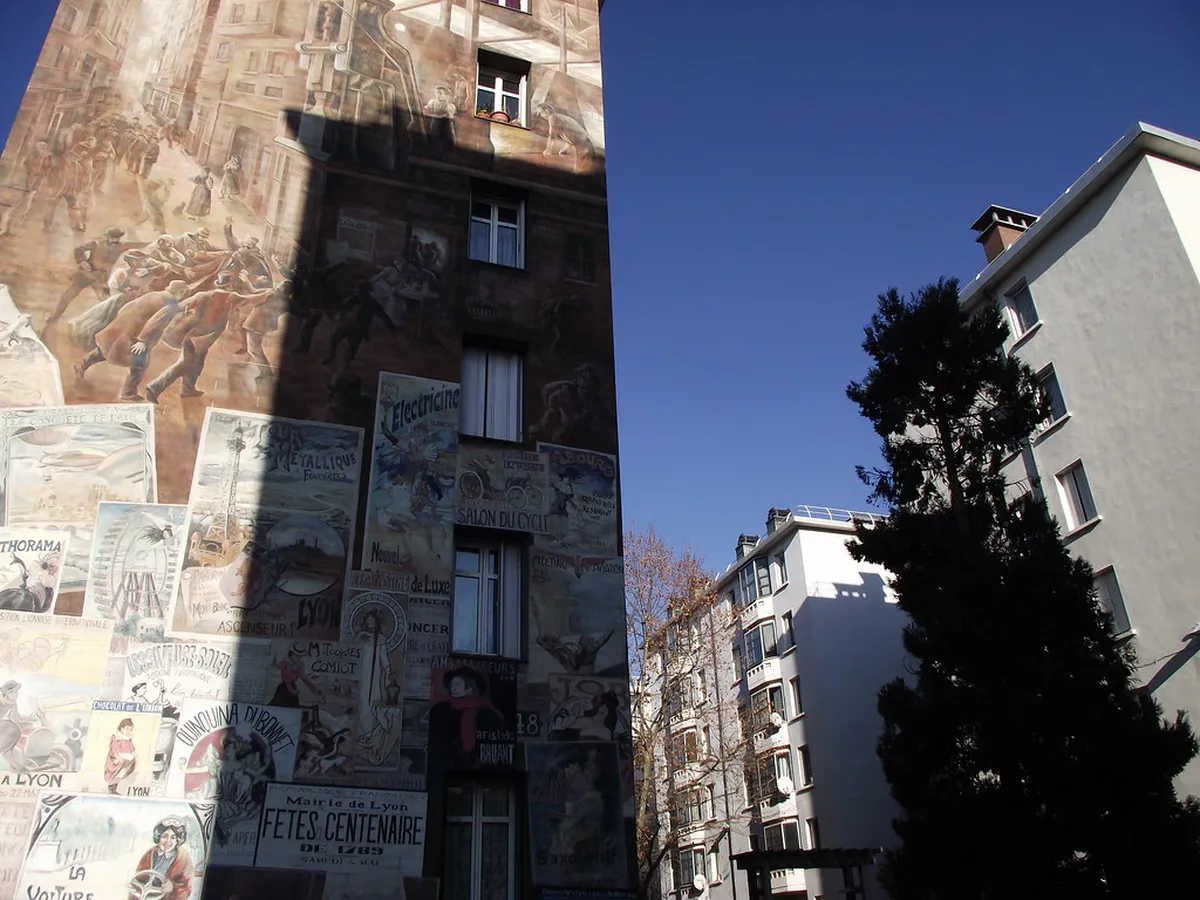
In the late 1980s, the district underwent a significant transformation that added a new layer to its history. A group of artists decided to paint giant murals on the sides of the historic residential housing blocks. These paintings were designed to celebrate the work of Tony Garnier and the daily lives of the residents. The Musee Urbain Tony Garnier murals have since become a world-famous attraction in Lyon.
There are now twenty-five large murals that cover the walls of various buildings throughout the entire social housing district. Some murals depict scenes from Garnier's original Cite Industrielle drawings and his many architectural dreams for the future. Others show scenes of international travel and the diverse cultures that make up the community of the district. This artistic project helped revitalize the neighborhood and brought a new sense of pride to the local people.
The murals serve as an open-air museum that anyone can visit for free at any time of the day. They tell the story of the Quartier des Etats-Unis social housing history through vibrant colors and impressive scale. Guided tours are available for those who want to learn the specific meaning behind each of the different paintings. Walking through the streets feels like traveling through a giant art gallery that honors the spirit of Lyon.
This mural project was a collaborative effort between the residents, the city government, and the artist group CiteCreation. It proved that art could play a vital role in the preservation and celebration of social housing history. The murals have successfully prevented the district from becoming just another forgotten residential area in the suburbs of Lyon. They ensure that the legacy of Tony Garnier remains visible and relevant for visitors arriving in the year 2025.
Each mural is carefully maintained to protect the artwork from the weather and the passage of time in the city. The community takes great care of these paintings because they represent the unique identity of their historic neighborhood. You can spend several hours wandering between the blocks to find all the hidden artistic treasures in the area. The Quartier des Etats-Unis social housing history is now inseparable from this magnificent collection of public street art.
Evolution and Social Impact in Lyon
The social impact of this district has been profound since the first residents moved in during the early 1930s. It provided a stable home for thousands of people who worked in the nearby factories and industrial sites. The Quartier des Etats-Unis social housing history is a story of community resilience and shared urban identity. Generations of families have grown up within these concrete walls and contributed to the culture of Lyon.
During the decades following the war, the district faced challenges typical of many aging social housing projects in Europe. Maintaining the buildings required significant investment from the city to keep them safe and comfortable for the residents. A major renovation program in the 1980s modernized the plumbing and heating systems to meet current living standards. These updates were essential for preserving the Quartier des Etats-Unis social housing history for future generations of citizens.
The neighborhood has maintained a strong sense of community despite the many changes in the surrounding city of Lyon. Local associations organize events and workshops to bring the residents together in the shared courtyards and public spaces. This social cohesion is a direct result of Garnier's thoughtful planning and focus on collective well-being in his designs. The Quartier des Etats-Unis social housing history continues to be written by the people who live there today.
Modern urban studies often highlight this district as a successful example of long-term social housing management in France. It demonstrates that well-designed public housing can remain a vibrant and desirable place to live for many decades. The integration of art and history has played a key role in the continued success of the neighborhood. Researchers visit Lyon to study how this district has adapted to the needs of the twenty-first century.
The district stands as a reminder that the city of Lyon has a long history of supporting social progress. It serves as a physical record of the political and architectural movements that shaped the modern French state. You can feel the weight of this history as you explore the streets and talk to the locals. The Quartier des Etats-Unis social housing history remains a vital part of the urban fabric of Lyon in 2025.
Visiting the District Today in 2025
Visiting the Quartier des Etats-Unis is a rewarding experience for anyone interested in the history of urban architecture. The district is located in the 8th arrondissement of Lyon and is easily reached by the T4 tram. You should start your visit at the Musee Urbain Tony Garnier office to get a map of the murals. This will help you navigate the many streets and find the most important historical landmarks in the area.
The best time to visit is during the morning when the sunlight hits the murals and the building facades. This allows you to see the architectural details and the colors of the artwork in their best light. You can walk through the district at your own pace and enjoy the quiet atmosphere of the neighborhood. The Quartier des Etats-Unis social housing history is best experienced through a slow and steady exploration on foot.
Many of the murals are located on the main boulevards, but some are hidden in the smaller courtyards between the blocks. Make sure to look up frequently so you do not miss any of the massive paintings on the walls. The local shops and cafes offer a great place to stop for a coffee and watch the daily life. Respecting the privacy of the residents is important while you are taking photos of the historic buildings and murals.
Entry to the outdoor museum is free, but you can pay for a guided tour to get more information. These tours are often led by experts who know the deep details of the Quartier des Etats-Unis social housing history. They can explain the technical aspects of the construction and the symbolism within the various mural paintings. This added context makes the visit much more meaningful for those who want to learn about Tony Garnier.
Lyon remains a top destination for architecture lovers because of sites like this unique social housing district. It offers a different perspective on the city compared to the older Renaissance streets of the Vieux Lyon area. Including this neighborhood in your 2025 travel plans will give you a complete view of the history of Lyon. The Quartier des Etats-Unis social housing history is a true hidden gem for modern travelers and scholars alike.
Frequently Asked Questions
What is the Quartier des Etats-Unis social housing history?
The Quartier des Etats-Unis social housing history began in the 1920s as a modern residential project. Architect Tony Garnier designed it to house industrial workers in healthy and functional environments in Lyon. It features reinforced concrete buildings and large windows to provide residents with plenty of sunlight and air. Today, it is famous for its massive murals that celebrate the architectural legacy of the city.
How can I see the Tony Garnier murals in Lyon?
You can see the murals by visiting the 8th arrondissement of Lyon via the T4 tram line. The paintings are located on the exterior walls of the social housing blocks throughout the district. You can walk through the streets for free or join a guided tour for more information. Most visitors start at the Musee Urbain Tony Garnier to get a map of the area.
Who was the architect of the Quartier des Etats-Unis?
Tony Garnier was the primary architect who designed this famous social housing district in the early twentieth century. He was a pioneer of modern urban planning and functionalism who wanted to improve living standards for workers. His work in Lyon remains some of the most important residential architecture in the history of France. His vision for a Cite Industrielle served as the main inspiration for this entire urban project.
Is the Quartier des Etats-Unis safe to visit in 2025?
Yes, the district is a safe and welcoming residential neighborhood for tourists and architecture lovers to visit. It is well-connected to the rest of Lyon by public transportation and features many public services. Visitors should remain respectful of the residents' privacy while exploring the courtyards and taking photos of the murals. The area is a vibrant part of the city that is proud of its unique architectural history.
The Quartier des Etats-Unis social housing history is a fascinating journey through the ideals of modern urban planning. Tony Garnier created a neighborhood that truly prioritized the health and dignity of the industrial working class. Today, the murals and the concrete structures stand as a monument to his creative and social vision. Plan your visit to this historic site in 2025 to see one of the best examples of social housing. You can find more information in our architecture guides online.
Key Takeaways
- Tony Garnier designed the district to improve worker health and living standards.
- The area features 25 massive murals that create an open-air museum experience.
- The project was an early example of using reinforced concrete for social housing.
- The district is easily accessible from central Lyon via public tram lines.
- The neighborhood remains a vibrant residential community over 90 years after construction.
Related reads: halle tony garnier structural design, renaissance architecture in vieux lyon, lyon confluence contemporary architecture.