
Renaissance architecture in Vieux Lyon: 2025 Guide
Explore stunning Renaissance architecture in Vieux Lyon. Visit secret traboules and historic mansions with our 2025 guide. Start your Lyon adventure today!
On this page
Vieux Lyon is a world-class destination for anyone interested in historical European design. This district remains one of the largest Renaissance sites on the entire continent today. You can see the influence of Italian culture in every street and building. Travelers in 2025 will find the area well-preserved and full of vibrant life.
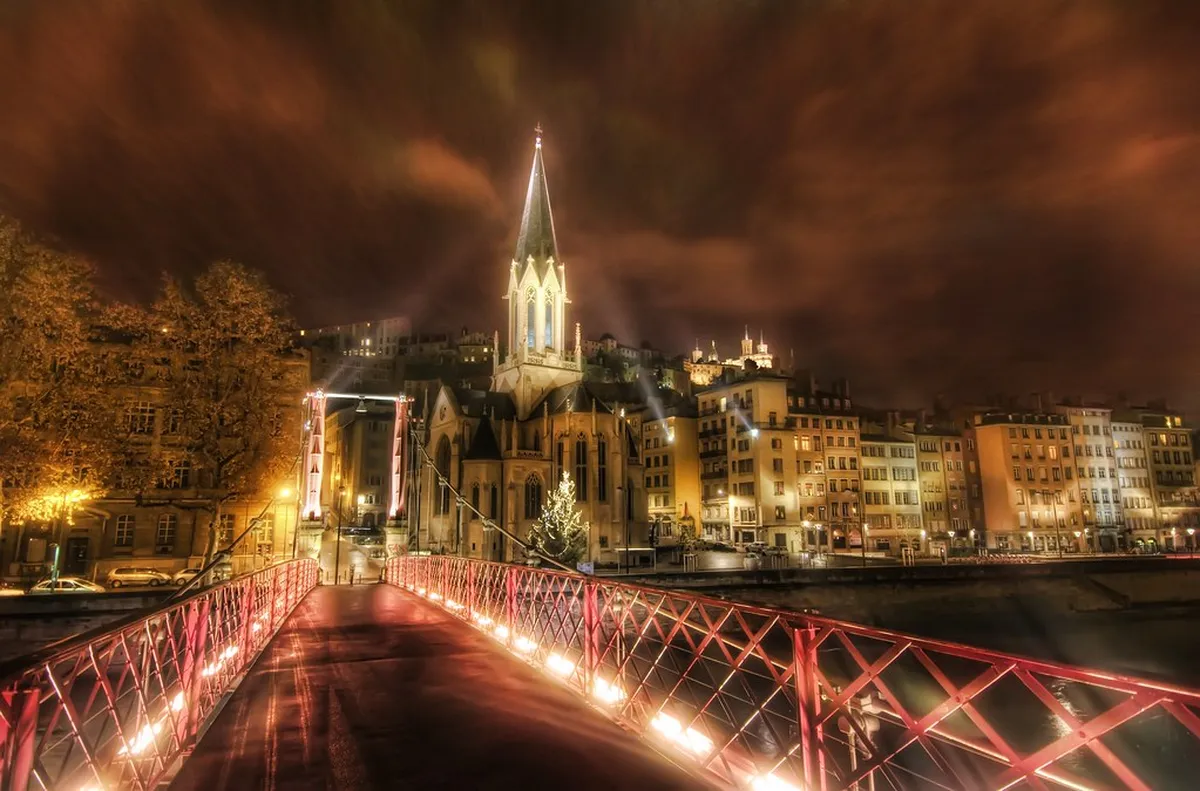
The district sits at the foot of the Fourvière hill along the banks of the Saône river. It flourished during the 15th and 16th centuries when the city became a major trade hub. Merchants from Italy settled here and built grand houses reflecting their status and artistic tastes. Today, this area is a protected UNESCO World Heritage site that attracts global visitors.
Understanding the architecture in Lyon requires a deep dive into its medieval and Renaissance history. The streets are narrow and winding, leading to hidden courtyards that surprise even seasoned travelers. Each building tells a story of the bankers and silk traders who once lived here. This guide will help you navigate the historic streets and appreciate their unique details.
The Renaissance architecture in Vieux Lyon is characterized by its warmth and vibrant color palette. You will notice many facades painted in shades of yellow, pink, and deep ochre. These colors were inspired by the building styles found in Mediterranean cities like Florence. Walking through the neighborhood feels like taking a trip back to the sixteenth century.
Historical Context of Lyon's Renaissance Era
Lyon grew rapidly during the 15th century due to its flourishing and lucrative silk trade. This economic boom attracted wealthy Italian bankers and merchants to the city in large numbers. They brought new artistic ideas that shaped the Renaissance architecture in Vieux Lyon for generations. Local builders combined these fresh styles with existing medieval French techniques to create something new.
The city benefited from royal favors that allowed it to host four major trade fairs annually. These fairs turned Lyon into a financial powerhouse and a cultural melting pot of Europe. Merchants needed houses that served as both functional warehouses and impressive private residences for their families. Consequently, the buildings in Vieux Lyon were designed with spacious ground floors and elegant upper stories.
The influence of the Medici family and other Italian dynasties was particularly strong during this period. They introduced the concept of the urban palace, which emphasized symmetry and classical proportions in construction. Italian architects brought knowledge of stone carving and decorative plasterwork that had not been seen before. This cultural exchange ensured that Lyon became the most Italian city in all of France.
During the 1500s, the population of Lyon surged as people flocked to the prosperous trading center. This growth forced builders to construct taller buildings to accommodate the increasing number of residents. Most Renaissance houses in the district are four to five stories high with steep roofs. This vertical expansion created the high-density urban environment that we still see in the city today.
While many European cities modernized their centers, Vieux Lyon remained largely untouched for centuries after its peak. The preservation of these buildings allows us to study the transition from Gothic to Renaissance styles. You can still see Gothic pointed arches alongside the rounded windows of the later Renaissance period. This stylistic blend makes the district a living museum of architectural evolution and history.
Unique Features of the Vieux Lyon Style
One of the most striking features of these buildings is the use of mullioned windows. These windows are divided by stone bars into smaller panes of glass for structural support. They allow plenty of natural light to enter the deep rooms of the narrow houses. You will often see decorative carvings around the window frames that depict mythical creatures or plants.
Spiral staircases are another essential element of the Renaissance architecture in Vieux Lyon and its historic homes. These staircases were typically housed in circular towers located within the internal courtyards of the buildings. They were designed to save space while providing access to the many levels of the house. The stone steps are often worn down by centuries of use by the city residents.
Loggias and open galleries are common features that reflect the strong influence of Italian courtyard design. These covered walkways allowed residents to move between different parts of the house while staying outdoors. They provide a sense of elegance and airiness to the dense and crowded urban blocks. Many galleries are supported by slender stone columns with intricately carved capitals and bases.
The facades of the buildings often feature decorative elements called cornices that run horizontally along the walls. These projections help to shed rainwater away from the windows and protect the delicate stone carvings below. You might also notice small statues or medallions tucked into the corners of the building facades. These details served as a display of the owner's sophisticated taste and financial success.
The use of local limestone gives the buildings a soft and warm appearance in the sunlight. This material was easy to carve, allowing for the creation of very detailed and ornate decorations. Over time, the stone has aged gracefully, developing a rich patina that adds to its historic charm. Modern restoration efforts in 2025 continue to protect these surfaces using traditional and safe cleaning methods.
The Secrets of the Famous Hidden Traboules
The traboules are unique covered passageways that connect parallel streets by running through private buildings and courtyards. These passages were originally designed to protect silk workers and their delicate fabrics from the rain. They are a defining feature of the Renaissance architecture in Vieux Lyon and its urban layout. You can find dozens of these hidden paths if you know where to look.
Many traboules lead into stunning internal courtyards that are invisible from the main street or sidewalk. These spaces often contain the most beautiful spiral staircases and galleries in the entire historic district. Some courtyards feature ancient wells that once provided water for the residents of the building blocks. Knowing how to find hidden traboules is essential for any visitor wanting a complete experience.
The word traboule comes from the Latin phrase trans-ambulare, which literally means to walk through something. These passages played a vital role during the French Resistance in the Second World War as hideouts. Fighters used the secret network to move through the city without being seen by the enemy. Today, most traboules are located in residential buildings and require visitors to be very quiet.
When you enter a traboule, you will notice the temperature drop and the city sounds fade away. The air inside is often cool and smells of old stone and history. Some passages are narrow and dark, while others open up into bright and spacious vaulted rooms. It is a thrilling experience to push open a heavy wooden door and discover a secret.
There are roughly forty traboules that are open to the public during daylight hours in Vieux Lyon. Look for small bronze shields on the buildings that indicate an authorized passage for tourists and visitors. Respect the privacy of the residents by not shouting or taking photos of their private doors. Most of these passages are free to enter and provide a wonderful glimpse into the past.
Must-See Landmarks in the Saint Jean District
The Gadagne Museum is perhaps the most impressive Renaissance mansion in the entire city of Lyon. It actually consists of two separate museums housed within a massive and beautifully restored historic palace. The building features a magnificent courtyard with three levels of arched galleries and a hanging garden. You can learn about the Gadagne Museum building features to appreciate the craftsmanship involved in its construction.
Another famous site is the Maison du Chamarier, located near the Saint Jean Cathedral in the center. This building showcases a perfect transition from the Flamboyant Gothic style to the early Renaissance aesthetic. It features a unique well designed by the famous artist Philibert Delorme in the sixteenth century. The courtyard is often open to the public and offers a peaceful escape from the street.
The Place du Gouvernement is a picturesque square surrounded by tall Renaissance buildings with colorful and bright facades. It was once the center of political life in Lyon during the era of the kings. A large vaulted passage leads from the square toward the river, offering great views and photo spots. The architecture here is remarkably consistent and provides a sense of the scale of the old city.
You should also visit the Maison de l'Avocat, which houses the fascinating Museum of Cinema and Miniatures. This building is famous for its long gallery and its beautifully restored internal courtyard and stairs. The structure demonstrates how Renaissance buildings have been adapted for modern use while keeping their historic integrity. It is located on the Rue Saint-Jean, which is the main artery of the district.
Finally, do not miss the Tour Rose, or the Pink Tower, which is a local icon. This circular staircase tower is painted in a vibrant shade of terracotta that glows in the sun. It is tucked away behind a doorway on Rue du Boeuf, one of the prettiest streets. The tower is a perfect example of how architects combined utility with beautiful and striking visual design.
Practical Tips for Your 2025 Architecture Tour
The best way to experience the Renaissance architecture in Vieux Lyon is by walking slowly on foot. Wear comfortable shoes because the streets are paved with uneven cobblestones that can be hard on the feet. Most of the district is a pedestrian zone, making it very safe and pleasant for casual exploring. Start your tour early in the morning to avoid the largest crowds of tourists.
While you are in the area, you should also take time to visit the nearby religious sites. The religious architecture of Saint Jean Cathedral provides a great contrast to the secular houses nearby. The cathedral features a famous astronomical clock and stunning stained glass windows from the thirteenth century. It sits right at the heart of the Renaissance district and is easy to find.
Many guided tours are available that focus specifically on the history and architecture of the neighborhood. These tours often grant access to private traboules that are normally closed to the general public. Expect to pay around fifteen to twenty euros for a high-quality two-hour walking tour with an expert. Booking in advance is recommended during the busy summer months and holiday weekends in 2025.
Food is a major part of the Lyon experience, and the district is full of traditional restaurants. Look for authentic "Bouchons" that serve local specialties like pike quenelles or savory sausages and lentil dishes. Many of these restaurants are located inside historic Renaissance buildings with exposed stone walls and timber beams. Enjoying a meal in such a setting adds a sensory layer to your architectural adventure.
If you want to see the district from a different perspective, take the funicular up to Fourvière. From the terrace of the basilica, you can look down at the red-tiled roofs of Vieux Lyon. This view helps you understand the compact layout of the Renaissance city and its relationship with the river. It is a spectacular sight at sunset when the lights of the city begin to twinkle.
Frequently Asked Questions
What are the best examples of Renaissance architecture in Vieux Lyon?
The Gadagne Museum and the Maison du Chamarier are the best examples to visit. They feature classic elements like spiral staircases, mullioned windows, and inner courtyards. The Tour Rose is also a famous landmark that showcases the era's unique style.
How much time is needed to see the architecture in Vieux Lyon?
You should plan to spend at least half a day exploring the district. This allows enough time to walk the main streets and visit several hidden traboules. If you plan to visit the museums, a full day is highly recommended.
Are the Renaissance buildings in Vieux Lyon free to visit?
Most building exteriors and public traboules are completely free to view and enjoy. However, museums like the Gadagne charge an entry fee of around eight euros for adults. Walking the streets is the best way to see the architecture for free.
Why are the houses in Vieux Lyon painted in ochre colors?
The colors reflect the Italian influence that was prominent during the Renaissance period in Lyon. Wealthy merchants wanted to mimic the warm aesthetic of cities like Florence and Rome. These earth-toned pigments were also durable and readily available from local natural sources.
The Renaissance architecture in Vieux Lyon offers a captivating look into the golden age of the city. From the secret traboules to the grand mansions, every corner reveals a piece of European history. Travelers in 2025 will find the district more accessible and beautifully preserved than ever before. It remains a must-see destination for anyone who loves history, art, and urban design.
To make the most of your visit, consider using one of the many lyon architecture walking tour itineraries available online. These guides will ensure you do not miss the most important landmarks and hidden gems. Whether you are a solo traveler or with a group, the old city will inspire you. The mix of French and Italian styles creates a unique atmosphere found nowhere else.
As you leave the winding streets of Saint Jean, you will carry memories of a truly unique place. The architectural legacy of the silk traders continues to define Lyon's cultural identity in the modern world. Take your time to soak in the colors, textures, and stories of this incredible urban treasure. Plan your trip to Lyon today and step into the beauty of the Renaissance.
Key Takeaways
- Vieux Lyon is a UNESCO site with one of Europe's largest collections of Renaissance buildings.
- The architecture was heavily influenced by Italian merchants and bankers in the 16th century.
- Hidden passages called traboules are essential features used to navigate between streets through buildings.
- Look for unique details like spiral staircase towers, mullioned windows, and colorful ochre facades.
- Major landmarks like the Gadagne Museum and Tour Rose are highlights of any architectural tour.
Related reads: architecturebycity.com, lyon confluence contemporary architecture, notre dame de fourviere architectural style.