
Guide to Notre-Dame de Fourvière Architectural Style
Discover the unique Notre-Dame de Fourvière architectural style in Lyon. Learn about its Neo-Byzantine design and history in our 2025 guide. Visit today!
On this page
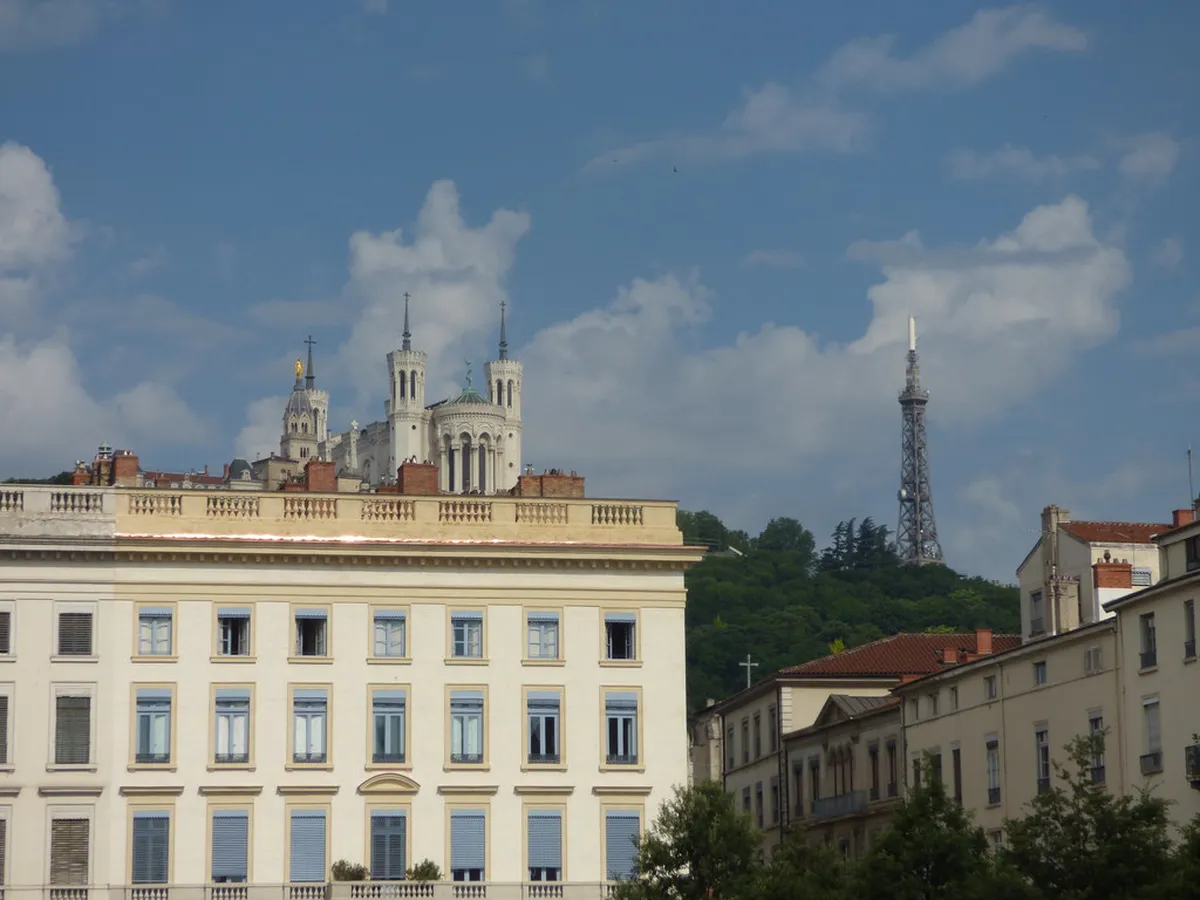
The Basilica of Notre-Dame de Fourvière stands high above the city of Lyon in eastern France today. It remains one of the most visited landmarks in the entire Auvergne-Rhône-Alpes region in 2025. Visitors often marvel at the complex Notre-Dame de Fourvière architectural style and its white stone walls. This building represents a masterclass in nineteenth-century religious design and creative expression for all people.
The structure serves as a symbol of the city and its long religious history and devotion. It sits atop the Hill of Prayer and watches over the city residents every single day. You can see the basilica from almost any point in the downtown area of Lyon easily. Explore the rich heritage of architecture in Lyon by visiting this incredible hilltop monument this year.
The Vision of Architect Pierre Bossan
Architect Pierre Bossan designed this massive structure to fulfill a promise made to the Virgin Mary. He chose a style that blended several historic traditions to create something entirely new and unique. The construction began in 1872 and continued for many years until the late nineteenth century concluded. Learn more about Pierre Bossan and his artistic vision for this famous French landmark today.
Bossan was a famous architect who worked during the late nineteenth century in many parts of France. He was deeply inspired by his travels to Sicily and the Middle East during his long life. This influence is visible in the exotic shapes and patterns found throughout the large basilica building. He wanted to create a building that looked like a fortress to protect the holy city.
The architect used local stone from the nearby quarries to ensure the building matched the natural landscape. He carefully planned every detail of the exterior and interior to reflect a spiritual journey for guests. His work on this site changed the skyline of the city of Lyon forever after its completion. Many local people initially found the design to be strange because it was so very different.
The building stands on the site of an older chapel that was built during the medieval period. Bossan kept the small chapel but added the massive basilica next to it for more space. This choice created a beautiful contrast between the simple old style and the grand new style. Today, the site hosts millions of tourists who come to see his bold and creative work.
Core Elements of Neo-Byzantine Design
The Notre-Dame de Fourvière architectural style is often described as a mix of different historical eras. It primarily uses Neo-Byzantine elements that were very popular during the Second French Empire in France. This style focuses on round arches and large domes that remind people of ancient Eastern churches. The use of light and color is essential to creating a sense of wonder for everyone.
You will notice four tall towers surrounding the main nave of the church on each corner. These towers are octagonal in shape and reach a height of forty-eight meters for each tower. They give the church a fortified and powerful appearance that looks like a castle from afar. This defensive look was intentional to show the strength of faith against any modern worldly forces.
The exterior of the building is made from white marble and local stone that shines brightly. It features many intricate carvings of saints and biblical figures that tell stories to the visiting crowds. These details require a close look to fully appreciate the skill of the craftsmen from that era. The roof is covered with colorful tiles that reflect the sunlight in a very beautiful way.
Inside the church, the Neo-Byzantine influence becomes even more obvious to the many tourists and pilgrims. Massive columns made of blue marble support the roof and create a sense of verticality and height. The ceilings are very high and allow for amazing acoustic sounds during the various religious services. Every surface is covered with gold leaf or colorful paintings that depict various important religious scenes.
The style also incorporates Romanesque features such as thick walls and small windows in certain specific areas. This combination creates an eclectic look that is typical of the late nineteenth-century architectural movements in Europe. It represents a time when architects were rediscovering the beauty of the distant past in many ways. This blend makes the basilica a unique masterpiece that stands out from other French cathedrals.
The Fortified Exterior and its Symbols
The exterior design of the basilica features four main towers that represent the four cardinal virtues. These virtues are justice, strength, temperance, and prudence which guide the lives of the faithful people. Each tower has a slightly different design but they all contribute to the overall fortress-like aesthetic. The towers make the building look much older than it actually is to many casual observers.
A large statue of the Virgin Mary stands on top of the old chapel tower nearby. This golden statue is a central part of the annual Festival of Lights held in December. The architectural style integrates this older element perfectly into the newer and much larger basilica complex. It creates a unified holy site that respects the history of the hill and the city.
The main entrance features a large porch with three massive arches that welcome all the visitors. These arches are decorated with complex stone carvings that show the history of Christianity in France. You can spend hours looking at the small details carved into the white stone of the porch. These elements help the building look grand and important to everyone who approaches the main doors.
High above the ground, gargoyles and decorative statues guard the edges of the roof and the towers. These figures serve both a practical and a symbolic purpose for the safety of the heavy building. They direct rainwater away from the stone walls while adding to the Gothic feel of the design. The variety of these carvings shows the creativity of the artists who worked under Pierre Bossan.
Interior Mosaic Art and Decoration
The interior of the basilica is where the Notre-Dame de Fourvière architectural style truly shines with light. Huge mosaics cover the walls and tell the story of the Virgin Mary in French history. These mosaics use millions of tiny pieces of glass and gold to create vibrant and glowing images. You can learn more about the fourviere basilica interior mosaic art during your next visit.
The floor is also a work of art with complex patterns made of different types of marble. These patterns guide the eyes of the visitor toward the main altar at the front end. The use of symmetry is very important in this style of architecture to create a balance. Everything in the room feels organized and purposeful to enhance the spiritual experience for the people.
Stained glass windows allow soft light to enter the building and illuminate the golden mosaics on walls. These windows feature deep blues and reds that contrast with the bright gold leaf on the ceiling. The effect is a space that feels warm and heavenly regardless of the weather outside the doors. The lighting changes throughout the day as the sun moves across the sky above Lyon.
There is also a lower church, or crypt, that features a very different and simpler design. It is dedicated to Saint Joseph and offers a quiet space for prayer and for silent reflection. The transition from the bright upper church to the dark crypt is a powerful architectural choice here. It shows the versatility of the architect and his understanding of different moods and spiritual states.
Comparing Styles Across the City
Lyon is a city with many different architectural styles from several different historical periods and eras. The basilica contrasts sharply with the religious architecture of Saint Jean Cathedral located in the valley below. While the cathedral is Gothic and dark, the basilica is bright and full of Eastern influences. Both buildings are important but they represent very different ideas about religious space and design.
The basilica also stands in contrast to the modern developments found in the newer parts of the city. While the hill has historic charm, the valley floor features modern towers and high-tech office buildings. This mix of old and new is what makes the city of Lyon so special for tourists. You can see centuries of history just by turning your head while standing on the hilltop.
In 2025, the basilica remains a primary destination for those who love art and historical building design. It is free to enter the main church, but guided tours often have a small cost. These tours allow you to climb the towers and see the city from a very high view. The experience of walking through the building is like stepping back into the late nineteenth century.
Many people visit the basilica during the Festival of Lights to see the building illuminated with colors. The white stone acts as a perfect canvas for the modern light shows and the artistic projections. This tradition connects the old architectural style with modern technology and modern celebrations of the city. It is a must-see event for anyone visiting France during the month of December each year.
Frequently Asked Questions
What is the primary Notre-Dame de Fourvière architectural style?
The primary style is Neo-Byzantine mixed with Romanesque and Gothic elements from the late nineteenth century. It features four octagonal towers and an interior filled with gold mosaics and blue marble columns. This eclectic mix was created by Pierre Bossan to look like a spiritual fortress for the city.
Who was the architect of the Fourvière Basilica?
Pierre Bossan was the lead architect who designed the basilica starting in the year 1872. He was inspired by Byzantine art and Eastern styles that he saw during his travels through Sicily. His vision created one of the most unique religious buildings in all of France during his time.
Can I see the city from the towers of the basilica?
Yes, visitors can take a guided tour to climb the towers for an amazing view of Lyon. The fourviere observatory tower views offer a panoramic look at the Alps and the city. These tours cost about 8 Euros and are available for most people throughout the year 2025.
Is the Basilica of Notre-Dame de Fourvière free to visit?
The main church and the crypt are free for all visitors to enter and explore during opening hours. The basilica is typically open from 7 AM to 7 PM every day for the public to enjoy. You only need to pay if you want a guided tour of the roof or towers.
The Notre-Dame de Fourvière architectural style is a true treasure for the city of Lyon and for France. It combines history, art, and faith into a single building that dominates the beautiful city skyline in 2025. Whether you love mosaics or grand towers, this basilica offers something for every traveler to enjoy today. Plan your visit to this hilltop wonder and experience the magic of Pierre Bossan's grand architectural vision.
Key Takeaways
- The basilica features a unique Neo-Byzantine and Romanesque style.
- Architect Pierre Bossan designed the building as a spiritual fortress.
- The interior contains millions of mosaic pieces and gold leaf decoration.
- Visiting the basilica is free, but tower tours require a small fee.
- The four towers represent the four cardinal virtues of faith.
Related reads: architecturebycity.com, renaissance architecture in vieux lyon.