
Fourvière Basilica Interior Mosaic Art Guide
Explore the stunning Fourvière basilica interior mosaic art in Lyon. Discover the history and design of these golden masterpieces in our 2025 guide.
On this page
The Fourvière basilica interior mosaic art represents one of the most stunning artistic achievements in all of France. Visitors climbing the hill in Lyon are often breathless when they first step inside this grand golden sanctuary. The shimmering walls tell complex stories of faith and local history through millions of tiny glass pieces. This 2025 guide explores the intricate details and hidden meanings found within this magnificent religious landmark.
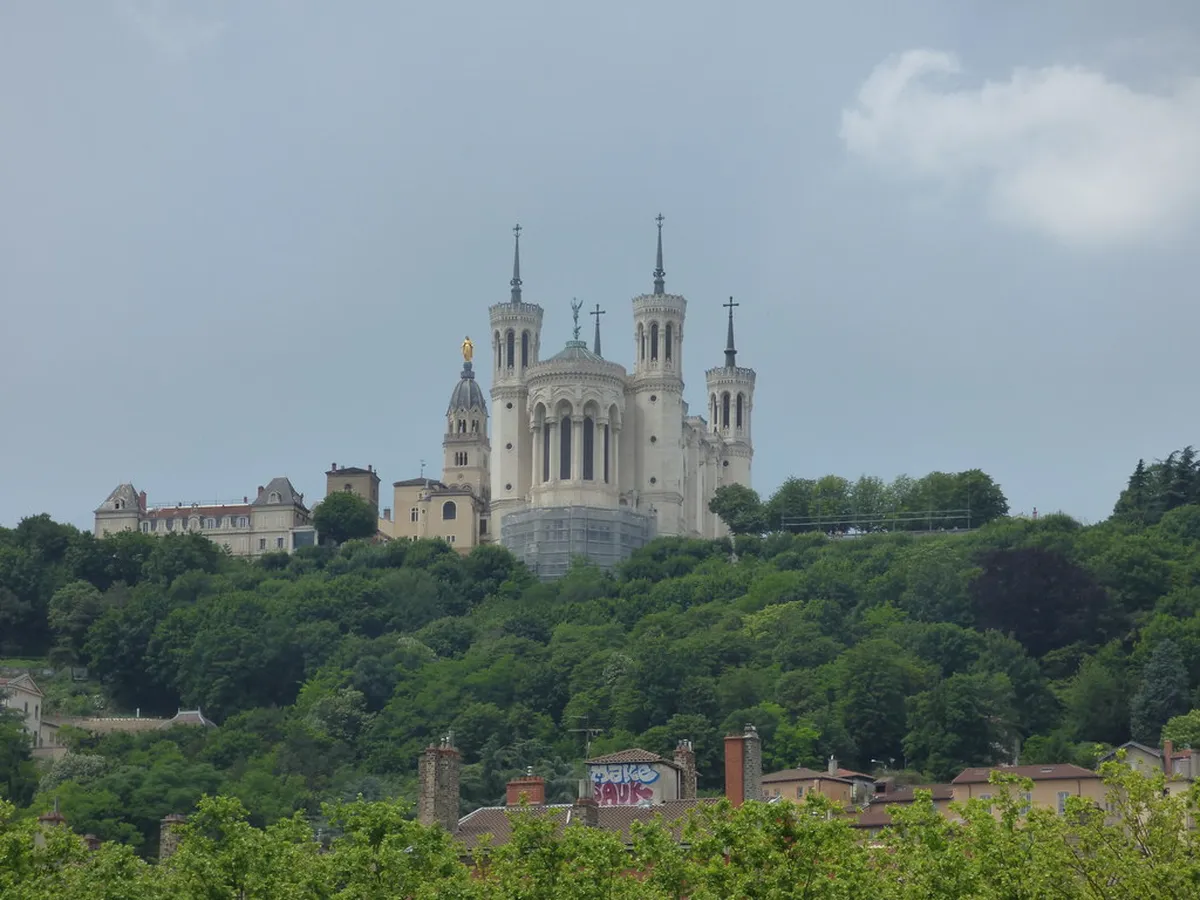
Lyon serves as a premier destination for anyone who appreciates fine religious craftsmanship and historic preservation. The basilica dominates the skyline and offers a spiritual heart to the city's diverse and rich cultural landscape. You will find that the interior provides a sharp contrast to the fortress-like appearance of the white exterior. It is a place where light and color combine to create an unforgettable experience for every modern traveler.
Understanding the history of this site helps visitors appreciate the sheer scale of the mosaic work on display. The basilica was built to honor the Virgin Mary after she saved the city from various historic plagues. Today, the architecture in Lyon is celebrated globally for its unique mix of Roman ruins and Renaissance beauty. These mosaics remain the crowning jewel of the city's late nineteenth-century artistic and spiritual ambitions.
The History of the Golden Mosaic Panels
The creation of the Fourvière basilica interior mosaic art spanned several decades during the late nineteenth century. Master artists used traditional Byzantine techniques to ensure the colors would remain vibrant for many hundreds of years. Each panel was carefully assembled on the ground before being hoisted into its final position on the walls. The sheer volume of gold leaf used in these designs creates a warm glow even on cloudy days.
These mosaics were designed to educate the public about important religious events and historical moments in French history. You can see depictions of the Battle of Lepanto and the arrival of Christianity in the city. The level of detail in the faces and garments of the figures is truly remarkable to behold. Artists spent years ensuring that every single tile was placed with extreme precision and artistic care.
The six large panels dominate the upper sections of the nave and draw the eyes of visitors upward. These massive works of art measure several meters in height and cover the entire length of the church. They serve as a visual bridge between the earthly world and the celestial themes presented on the ceiling. Every corner of the interior is filled with smaller decorative patterns that complement these larger central narratives.
The materials for these mosaics were sourced from the finest glass workshops located in Venice and local French regions. Builders chose these specific materials because they reflect light much better than traditional paint or simple stone murals. The shimmering effect is most powerful during the late afternoon when the sun sets over the distant hills. This intentional use of light makes the interior feel alive and constantly changing throughout the day.
The Notre-Dame de Fourvière architectural style is perfectly suited for such an extensive display of interior mosaic work. The wide walls and high arches provide the perfect canvas for these detailed and expensive artistic installations. Visitors often find that the combination of styles creates a sense of awe that is hard to find elsewhere. It represents a bold statement of devotion that defined the era in which it was built.
Pierre Bossan and the Vision for the Interior
Architect Pierre Bossan was the creative genius behind the entire layout of this famous and historic hillside basilica. He wanted to create a space that felt like a heavenly Jerusalem for the pilgrims visiting the site. His designs for the mosaics were deeply influenced by the early Christian art he saw during his travels. Bossan insisted on using rich colors and complex patterns to fill every inch of the sanctuary walls.
The interior design process was much more than a simple decoration project for the architect and his team. Bossan viewed the mosaics as an essential part of the structural and spiritual integrity of the entire building. He worked closely with mosaicists to ensure that his drawings were translated into glass tiles with perfect accuracy. This collaboration resulted in a unified aesthetic that flows seamlessly from the floors to the high vaults.
While Bossan did not live to see the completion of every mosaic, his original plans were strictly followed. His successors understood the importance of maintaining his vision for a richly decorated and symbolic interior space. The dedication to his plan ensures that the basilica feels like a single, cohesive work of religious art. Every mosaic serves a specific purpose in the overall narrative that Bossan carefully constructed for the faithful.
The complexity of the designs reflects Bossan's fascination with mystery and the deeper meanings of religious symbolism. You will notice intricate borders and hidden figures tucked away in the corners of the massive mosaic panels. These details reward those who take the time to sit quietly and observe the walls for several minutes. The architect believed that beauty was a direct path to understanding the divine nature of the world.
Today, visitors can still see the brilliance of his original vision through the well-preserved state of the tiles. Regular maintenance ensures that the gold remains bright and the colors do not fade from environmental exposure. The basilica stands as a testament to Bossan's skill and his ability to combine architecture with fine art. It remains one of the most visited sites in Lyon for fans of historic design and architecture.
Symbolism in the Fourvière Mosaic Masterpieces
Every element within the Fourvière basilica interior mosaic art carries a specific and deep meaning for the viewer. The use of gold symbolizes the presence of light and the glory of the heavens in religious art. Blue tones represent the Virgin Mary, to whom the entire basilica is dedicated as a sign of thanks. You can see how these colors interact to create a sense of harmony and peace throughout the nave.
Animals and plants also appear frequently within the decorative borders of the large mosaic cycles along the walls. These symbols often represent the abundance of nature and the different virtues that the church wishes to promote. For example, lilies represent purity while vines signify the connection between the church and its many dedicated members. Each small detail was chosen with great care to add layers of meaning to the main stories.
The placement of the mosaics is also symbolic of the journey from the earthly realm to the divine. Lower mosaics often feature scenes from human history and the lives of saints who walked the earth. As your eyes move higher up the walls, the themes become more abstract and focus on celestial beings. This vertical progression is designed to lift the spirit of the visitor toward higher thoughts and reflections.
One of the most famous panels depicts the Virgin Mary protecting the city of Lyon from the invaders. This specific artwork connects the spiritual themes of the church with the local pride of the city's residents. It serves as a reminder of the historical bond between the people of Lyon and their religious heritage. Seeing this mosaic helps tourists understand the cultural importance of the basilica to the local community.
- Gold Tesserae: Represents divine light and the eternal nature of the kingdom of heaven.
- Floral Patterns: These designs often mirror the patterns found in Lyon's famous local silk industry.
- Latin Inscriptions: Provide context and scriptural references for the scenes depicted in the vibrant glass.
- Geometric Borders: Create a sense of order and structure around the highly emotional religious scenes.
Materials and Craftsmanship of the Interior
The artisans who created the mosaics used a variety of high-quality materials to achieve the stunning visual effects. Smalti glass tiles are the primary material used because of their intense color and highly reflective surfaces. These tiles are hand-cut into small irregular shapes to catch the light from many different angles simultaneously. This technique gives the walls a shimmering quality that changes as you move through the building.
Crafting these mosaics required an immense amount of patience and a very high level of technical skill. A single square meter of mosaic can contain thousands of individual tiles that must be placed perfectly by hand. Workers used a special mortar that was designed to dry slowly, allowing them to adjust the tiles. This attention to detail is why the images look so realistic even when viewed from the floor.
The gold tiles are made by sandwiching a thin layer of real gold leaf between two pieces of glass. This method protects the precious metal from air and moisture, ensuring that it never tarnishes or loses its shine. It is this specific technique that gives the basilica its famous golden interior that glows in the dark. The cost of these materials was significant, reflecting the importance of the project to the city.
Many of the mosaicists who worked on the basilica were trained in the famous schools of Italy and France. They brought with them centuries of knowledge about how to create durable and beautiful religious artworks for grand spaces. The blend of different regional styles resulted in a unique look that is specific to this Lyonnais landmark. Their legacy lives on in the millions of people who visit the site every single year.
Visitors in 2025 can still appreciate the fine textures of the mosaic work by looking closely at the lower walls. The surfaces are not perfectly flat, which is an intentional choice made to increase the play of light. This tactile quality adds a human element to the grand and imposing scale of the overall interior design. It reminds us that this massive project was the result of many thousands of hours of manual labor.
Practical Tips for Viewing the Basilica Art
Planning your visit to see the Fourvière basilica interior mosaic art requires a little bit of local knowledge. The basilica is open daily, but visitors should check the schedule for religious services before they arrive. Admission to the main sanctuary is free, allowing everyone to enjoy the beauty of the mosaics without a cost. You should set aside at least one hour to see the details of the walls properly.
The best time to view the mosaics is during a sunny morning when the light hits the eastern windows. This illumination brings out the true colors of the glass tiles and makes the gold sparkle with intensity. If you visit on a cloudy day, the interior feels more mysterious and the gold takes on a deeper tone. Both experiences are beautiful, but the morning light is truly something special for photographers and artists.
Photography is generally allowed inside the basilica, but you must be respectful of the sacred nature of the space. It is best to avoid using a flash, as the natural light is usually sufficient for good digital photos. Please remember to remain quiet and move slowly so you do not disturb those who are there for prayer. Keeping your phone on silent is a polite gesture that all visitors should follow during their tour.
To reach the basilica, most people take the historic funicular railway from the Old Town district of Lyon. The ride only takes a few minutes and offers a charming way to climb the steep Fourvière hill. Once you arrive at the top, the entrance to the basilica is just a few steps from the station. The views from the terrace outside are also spectacular and should not be missed by any traveler.
You might also consider joining a guided tour to learn more about the specific stories told in the mosaics. Local guides can point out hidden details that are easy to miss when you are exploring on your own. Many tours are available in English and offer a deep dive into the history of the Lyonnais people. Learning the context behind the art will make your visit much more meaningful and educational.
Frequently Asked Questions
Is there a fee to see the mosaics in Fourvière Basilica?
No, there is no entry fee to visit the main sanctuary and view the mosaic art. The basilica is free for all visitors who wish to admire its architecture or attend a service. You can donate at the entrance if you wish to support the maintenance of the building.
When is the best time of day to see the golden mosaics?
The best time to visit is in the morning when the sunlight enters through the large windows. This light makes the golden tiles shine brightly and reveals the true depth of the colors. Aim to arrive before 11:00 AM for the most dramatic and beautiful lighting conditions.
Are the mosaics in Fourvière original from the 19th century?
Yes, most of the mosaics you see today were installed between the late 1800s and the early 1900s. They have been carefully restored over the years to keep them in perfect condition for modern visitors. The craftsmanship remains a true example of the artistic skills from that historical period.
The Fourvière basilica interior mosaic art is a masterpiece that defines the cultural identity of Lyon. Its golden walls and detailed stories offer a unique look into the religious and artistic history of France. Whether you are an art lover or a casual tourist, this site provides a powerful and moving experience. Make sure to include a visit to this hilltop treasure during your next trip to Lyon in 2025. You will leave with a new appreciation for the beauty of mosaic craftsmanship and the vision of Pierre Bossan.
Key Takeaways
- Visit in the morning to see the gold mosaics sparkle in the natural light.
- Take the funicular from Vieux Lyon for the easiest access to the hilltop.
- Entry to the basilica is free, making it an accessible site for everyone.
- Look for the six major panels that depict historical and religious scenes.
- Respect the quiet atmosphere of the sanctuary while taking your photographs.
Related reads: architecturebycity.com, fourviere observatory tower views, renaissance architecture in vieux lyon.