
Architecture of La Croix-Rousse Silk District Lyon
Explore the unique Architecture of La Croix-Rousse silk district in Lyon. Discover Canut houses and hidden traboules in our 2025 travel guide. Plan your trip now!
On this page
La Croix-Rousse stands high above the city of Lyon. It is a place filled with history and grit. The Architecture of La Croix-Rousse silk district tells a compelling story. This story began in the nineteenth century when silk ruled the city.
Silk workers known as Canuts lived on this famous hill. They needed special homes for their difficult work. Their weaving looms were very large and tall. Architects designed buildings to fit these massive machines.
Walking through the district today feels like a trip back in time. You will see tall buildings and narrow streets everywhere. Each corner reveals a secret about the industrial past. This guide explores the design of this historic neighborhood.
The Unique Architecture of La Croix-Rousse Silk District
The silk industry changed the face of Lyon forever. Production moved from the old town to this high hill. The new Jacquard machines required much more vertical space. Therefore, the apartments grew taller in the early 1800s.
Builders used local stone to construct these sturdy workshops. The architecture here is very functional and strong. Every design choice served the needs of the workers. This created a unique urban landscape in France.
The district sits on a steep and rocky slope. Engineers had to plan the streets very carefully. They built winding paths and many stone stairs. These features make the area a joy to explore on foot.
In 2025, the area remains a vibrant residential hub. Many artists and creators now live in the old workshops. They appreciate the historic charm and the open spaces. The neighborhood maintains its hard-working spirit today.
Understanding the Canut House Design
The Canut house is the most famous building type here. These houses typically feature ceilings over four meters high. This height allowed the workers to install their looms. You can learn about canut housing ceiling heights and looms in our detailed guide.
Large windows allow natural light to flood the rooms. Silk weavers needed bright light to see fine threads. Dark rooms would make their work nearly impossible. These windows remain a signature feature of the skyline.
The floors were often made of heavy oak wood. This material could support the weight of industrial equipment. Many apartments also have small mezzanine levels. These spaces served as sleeping areas for the families.
The heating systems were also quite unique for the time. Large chimneys ran through the center of the buildings. This design kept the workshops warm during cold winters. It shows the practical nature of nineteenth-century engineering.
Secret Traboules and Hidden Staircases
Traboules are secret passages that cut through buildings. They allowed workers to transport silk quickly and safely. Rain and snow could easily damage the delicate fabric. These tunnels provided essential shelter from the elements.
The traboules in this district have a specific look. They are often straighter than those in the old city. Many feature impressive stone staircases with open arches. You can compare la croix-rousse traboules vs vieux lyon passages online.
One famous example is the Cour des Voraces. It features a stunning six-story stone staircase. This site is a masterpiece of functional masonry. It served as a meeting point for worker revolts.
Visitors can still walk through many of these paths. Please remember to stay quiet while you explore. These passages are part of private residential buildings. Respecting the local residents is very important.
The Maison aux 365 Fenêtres
The Brunet House is a very famous local landmark. People often call it the house of 365 windows. This building represents the calendar year in its design. It has four entrances to match the four seasons.
The house features fifty-two apartments for the weeks. There are also seven floors for the days. This symbolic architecture makes it a unique site. You can read more about maison aux 365 fenetres architecture on our site.
It was built in 1825 on the hill's edge. The views from the windows are truly spectacular. Residents can see the entire city of Lyon below. It remains one of the most photographed buildings here.
The structure is massive and dominates the local skyline. It reflects the wealth of the old silk merchants. Many successful businessmen lived in this grand building. It stands as a symbol of Lyon's industrial era.
Navigating the Slopes of the Hill
The lower part of the hill is called the Pentes. These slopes connect the plateau to the city center. The urban planning here is dense and complex. It features a maze of narrow streets and alleys.
Public squares provide rare open spaces for the community. Place Colbert is a popular spot for local residents. You can find many hidden cafes in these areas. It is the perfect place to rest your legs.
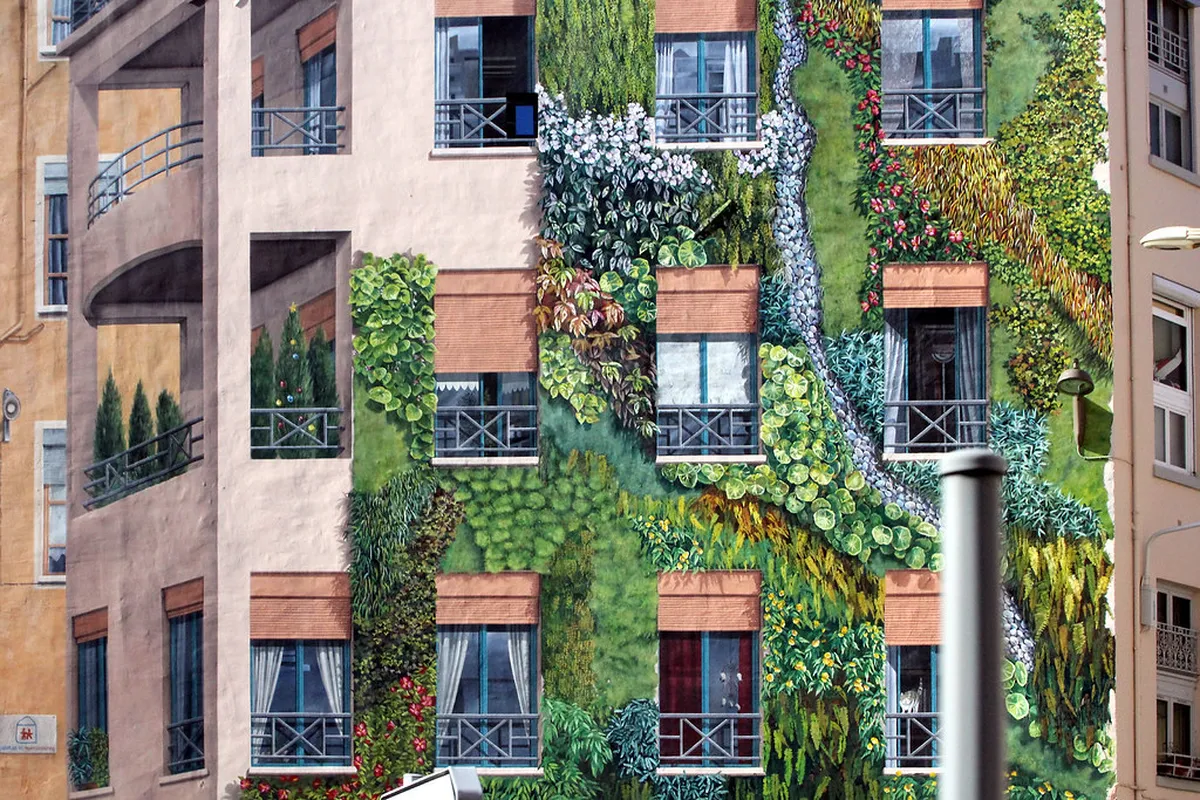
Many people follow lyon architecture walking tour itineraries to see the best sites. These paths lead you through the most beautiful streets. You will discover murals and street art along the way. The mix of old and new is everywhere.
The climb up the hill can be quite steep. You should wear comfortable shoes for your visit. Alternatively, you can take the local funicular railway. It offers a quick way to reach the top.
Industrial Heritage in the Modern Day
La Croix-Rousse is now a protected UNESCO site. This status helps preserve the historic building styles. Renovations must follow strict rules to keep the charm. Architects work hard to balance history with modern needs.
Many old workshops are now modern luxury lofts. The high ceilings make for very attractive homes. Large windows provide excellent ventilation and great views. This adaptation has saved many buildings from ruin.
The neighborhood also hosts several textile museums today. These institutions keep the memory of the Canuts alive. You can see working looms in action during tours. It is a vital part of the local identity.
Visiting the area provides a deep look at architecture in lyon and its growth. The silk district is truly one of a kind. It combines industrial power with residential beauty perfectly. Do not miss it during your 2025 trip.
Frequently Asked Questions
Why are the ceilings so high in La Croix-Rousse?
The ceilings are high to fit large silk looms. These machines were often four meters tall. Workers needed this vertical space for their equipment. It is a key feature of Canut houses.
What is the best way to see the traboules?
The best way is to take a guided tour. Many entrances are hidden behind heavy wooden doors. A guide knows which doors are open to visitors. You should always be respectful of the residents.
Is La Croix-Rousse safe to visit in 2025?
Yes, the neighborhood is very safe and welcoming. It is a popular residential area with families. You should always stay aware of your surroundings. Enjoy the local shops and lively atmosphere.
Can I see a working silk loom today?
Yes, several workshops still offer live demonstrations. The Maison des Canuts is a great place. You can watch experts weave beautiful silk fabrics. It shows the skill required for this craft.
The architecture of this district is a French treasure. It tells a story of labor and innovation. You will love the tall windows and secret paths. Plan your visit to this historic hill today. It is an experience you will never forget.
Key Takeaways
- Ceilings were built 4 meters high for looms.
- Traboules were used to protect silk from rain.
- The 365 windows building represents the full year.