
Maison aux 365 Fenêtres Architecture: Lyon Landmark
Discover the Maison aux 365 fenêtres architecture in Lyon. Explore this silk district landmark with our guide. Plan your 2025 visit to France today!
On this page
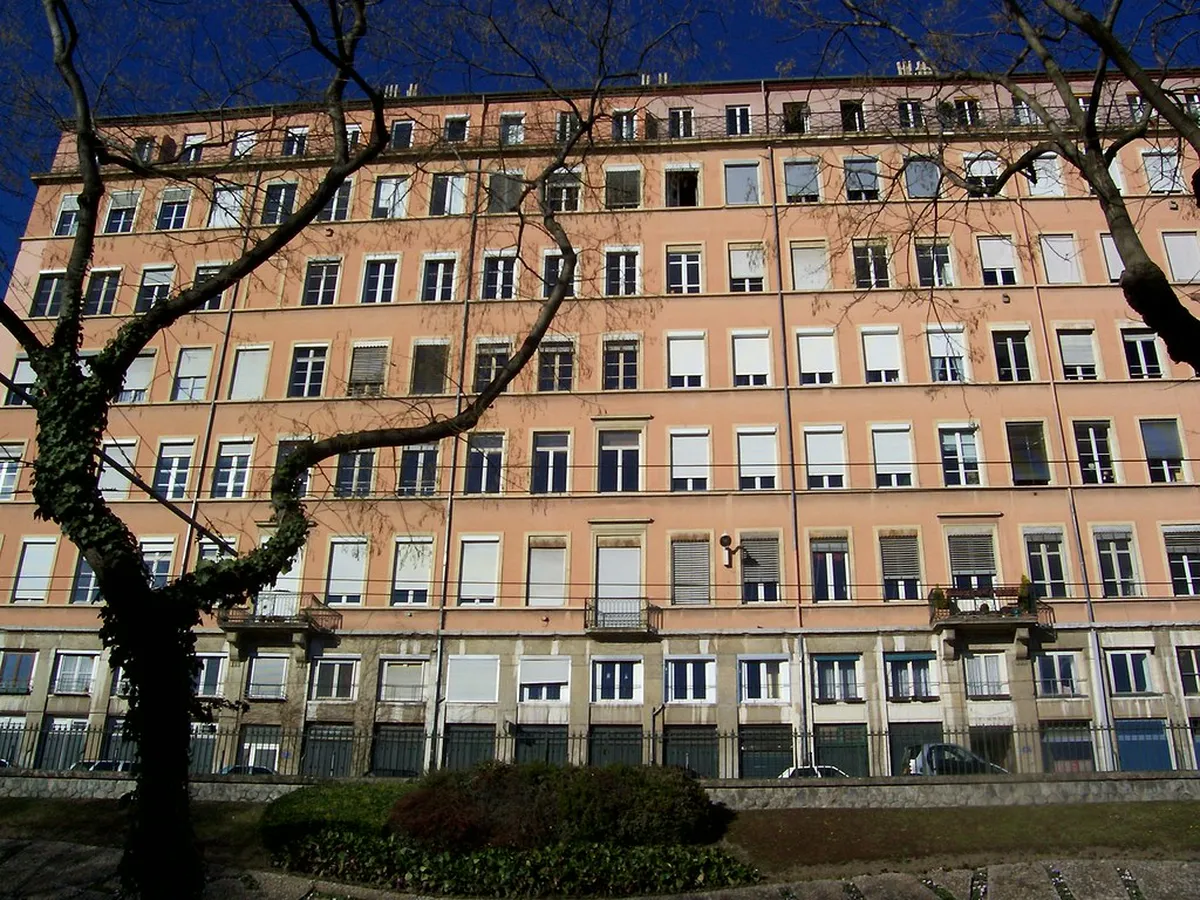
Welcome to the heart of Lyon, France, where history meets grand design. The Maison aux 365 fenêtres architecture stands as a massive monument to the city's industrious past. It defines the skyline of the historic La Croix-Rousse hill with its imposing size and rhythmic facade. This building tells a fascinating story of industry, time, and human labor.
Known officially as the Maison Brunet, this structure is a prime example of silk-weaving history. It captures the essence of the 19th-century boom in the French textile trade. You will find this landmark at the edge of the plateau overlooking the city below. It remains one of the most photographed buildings in all of Lyon.
Historical Origins of the Maison aux 365 fenêtres
The Brunet House is a massive stone structure built during the early 19th century. Construction finished around 1824 under the direction of architect Claude-Anthelme Benoit. This building served the booming silk industry which made Lyon famous worldwide. It is a masterpiece of functional design within the architecture of La Croix-Rousse silk district area.
Architect Benoit wanted to create a space that could house hundreds of specialized silk workers. The scale of the project was truly unprecedented for any residential building in Lyon. It towers over the slopes with a presence that feels both industrial and regal. Today, it stands as a testament to the wealth generated by the silk trade.
During the 1830s, the building became a focal point for social movements. The silk weavers, known as Canuts, often gathered near its massive walls. They fought for better working conditions and fair wages in the local factories. The building witnessed the struggle and triumph of the local labor class.
As you walk around the base, you can feel the weight of history. The thick walls were built to withstand the vibrations of hundreds of heavy looms. It was more than just a house; it was a vertical factory for the city. Its preservation remains a top priority for the local government in 2025.
The building represents the transition from traditional craftsmanship to large-scale industrial production. Every stone used in the facade reflects the ambition of the 19th-century elite. It serves as a bridge between the old world and the modern era of Lyon. Visitors often stop here to admire the sheer audacity of its design.
Numerical Symbolism in the Building Design
The Maison aux 365 fenêtres architecture is famous for its unique numerical symbolism. There are exactly 365 windows to represent the number of days in a year. This design choice was both artistic and highly practical for the residents. Natural light was the most important resource for the silk weavers working inside.
The symbolism continues with the number of floors throughout the entire structure. There are seven floors in the building to match the seven days of the week. This rhythmic layout creates a sense of order and balance for the viewer. It reflects the structured life of the workers who once lived there.
You will also find fifty-two apartments within the building to represent the weeks. This mathematical approach to architecture was a hallmark of the era's rationalist thinking. Even the four main entrances correspond to the four seasons of the changing year. These details make the building a giant architectural calendar on the hill.
The windows are tall and narrow to maximize the intake of southern sunlight. Each pane of glass was carefully placed to avoid shadows on the looms. Weavers needed perfect visibility to handle the delicate silk threads all day long. The design shows a deep understanding of the intersection between light and labor.
Modern architects still study this building for its clever use of space and lighting. It demonstrates how functional requirements can lead to iconic and beautiful designs. The numerical theme adds a layer of mystery and charm for every visitor. It is a highlight of any Lyon architecture walking tour through the district.
Structural Features for the Silk Weaving Era
Silk weaving required very specific structural conditions that influenced the building's internal layout. The ceilings are exceptionally high to accommodate the massive Jacquard looms used by workers. Most rooms feature a ceiling height of nearly four meters or thirteen feet. This vertical space was essential for the complex machinery used in silk production.
The floors are reinforced with heavy timber beams to support the weight of the equipment. Weaving was a loud and physically demanding process that required a sturdy foundation. The building design minimized vibrations that could damage the delicate silk fabrics. You can see the strength of the construction in the thick exterior walls.
Large windows provided the cross-ventilation necessary to keep the silk threads dry and clean. Humidity was a constant enemy of the high-quality textiles produced in Lyon. The building’s orientation allows for maximum airflow during the warm summer months. These features showcase the engineering brilliance of the early industrial age.
- High ceilings for massive Jacquard looms and equipment
- Large windows for natural light and essential cross-ventilation
- Reinforced floors to handle the weight of industrial machinery
- Symbolic layout based on the calendar year and seasons
The interior staircases are wide and made of durable local stone. They were designed to handle the constant flow of workers and heavy goods. Carrying rolls of finished silk down the stairs required significant space and safety. Every corner of the building was optimized for the efficiency of the textile trade.
Materials and Exterior Aesthetics of the House
The exterior of the building features the warm, golden limestone typical of Lyon. This stone, known as Pierre de Couzon, glows beautifully during the sunset hours. It gives the massive structure a softer appearance despite its industrial purpose. The masonry work is precise and has survived nearly two centuries of weather.
The facade is relatively plain compared to the ornate buildings of the city center. This simplicity reflects the utilitarian nature of the silk district's architecture. However, the sheer repetition of the windows creates a powerful visual pattern. It is an early example of minimalist industrial beauty in urban France.
The roof is steep and features traditional red clay tiles from the region. These tiles provide excellent protection against the heavy rains of the Rhone valley. The chimneys are numerous, as each apartment required its own heat source. This adds a complex and interesting silhouette to the top of the building.
Wrought iron balconies decorate some of the windows on the lower levels. These were often added later to provide residents with a small outdoor space. They offer a touch of elegance to the otherwise austere stone walls. The contrast between iron and stone is a classic feature of Lyon’s heritage.
In 2025, the building remains remarkably well-preserved due to ongoing restoration efforts. The stone has been cleaned to reveal its original golden hue for visitors. It stands as a proud landmark for the residents of the La Croix-Rousse plateau. Seeing it up close allows you to appreciate the craftsmanship of the masons.
Cultural Impact on the La Croix-Rousse District
The Maison aux 365 fenêtres is more than just a piece of real estate. It is a symbol of the identity and pride of the local people. The district of La Croix-Rousse is known as the "hill that works." This building is the physical heart of that working-class history and culture.
Artists and writers have long been inspired by the building's unique design and history. It appears in many local stories and poems about the life of the Canuts. The building represents the collective spirit of the weavers who built the city. It serves as a reminder of Lyon's status as the silk capital.
The neighborhood surrounding the house is full of life and creative energy. You will find small boutiques, art galleries, and traditional bouchons nearby. The presence of the grand house anchors the area's historical charm. It attracts history buffs and architecture lovers from around the world every year.
During local festivals, the building is often illuminated with colorful light displays. It becomes a glowing beacon that can be seen from the city center. This celebration of heritage keeps the history of the silk trade alive today. It remains a focal point for community pride in the 21st century.
Many residents in the area are descendants of the original silk weaving families. They maintain a strong connection to the landmarks that define their neighborhood. The building is a living museum that people still call home. It bridges the gap between the industrial past and the modern city.
Visiting the Landmark in 2025: Tips and Guide
Visiting this landmark in 2025 is a rewarding experience for any traveler in France. The best time to view the building is during the late afternoon. The sun hits the facade and illuminates all 365 windows at once. You can find the best viewing angles from the Place Rouville nearby.
Please remember that the building is currently a private residential residence. You cannot enter the apartments or climb the private staircases without an invitation. However, the exterior is easily accessible from the public streets and sidewalks. Respect the privacy of the people who live in this historic treasure.
To reach the site, take the Metro Line C to the Croix-Rousse station. From there, it is a short and pleasant walk down the hill. You will pass through several historic traboules or hidden passageways along the way. These paths were used by silk workers to transport goods quickly.
Combine your visit with a trip to the nearby Maison des Canuts museum. This museum provides context for the silk weaving process and local history. You will see working looms and learn about the lives of the residents. It makes the architecture of the 365 windows much more meaningful.
Wear comfortable walking shoes because the streets in this area are very steep. The hill of La Croix-Rousse offers some of the best views of Lyon. Stop at a local bakery for a praline tart after your architecture walk. Enjoy the unique atmosphere of this vibrant and historic hilltop neighborhood.
Frequently Asked Questions
Can tourists go inside the Maison aux 365 fenêtres?
No, the building is a private residence and not open to the public. You can admire the stunning architecture from the street and nearby plazas. Check our practical guide for Lyon architecture lovers for more details. Many guided tours stop outside the building to discuss its history.
Where is the best place to take a photo of the building?
The best photo spot is the Place Rouville on the slopes of the hill. This location offers a clear view of the entire massive facade. Afternoon light provides the best illumination for the golden stone and windows. You can capture the scale of the building against the Lyon skyline.
Are there really exactly 365 windows in the house?
Yes, the building was intentionally designed to have one window for every day. This was a symbolic choice by the architect to represent a full year. It also served the practical need for maximum light for the silk weavers. This unique feature makes it one of Lyon's most famous landmarks.
What is the history of the silk weavers in this building?
The silk weavers, or Canuts, used the building as both a home and a factory. They operated large Jacquard looms in rooms with very high ceilings. The weavers were famous for their skill and their social activism in the city. Their legacy is still felt in the culture of La Croix-Rousse.
Is the building accessible for people with mobility issues?
The streets around the building are quite steep and have many stairs. Accessing the site by foot can be challenging for some visitors. Using the local bus or a taxi is recommended for better access. Most of the best viewing points are located on paved public sidewalks.
The Maison aux 365 fenêtres architecture remains a vital piece of Lyon's cultural heritage. It perfectly blends industrial necessity with symbolic artistic design for all to see. Plan your visit in 2025 to experience this unique part of French history. Explore the winding streets of La Croix-Rousse and discover the magic of the silk district today!
Key Takeaways
- The building features 365 windows to symbolize the days of the year.
- It was built for the silk industry with high ceilings for looms.
- Located in the La Croix-Rousse district, it is a private residence.
- The best views are found at Place Rouville during the late afternoon.
- It serves as a key landmark of 19th-century industrial architecture in Lyon.
Related reads: architecturebycity.com, architecture in lyon, canut housing ceiling heights and looms.