
Fontainebleau Landscape and Garden Architecture Guide
Explore Fontainebleau landscape and garden architecture in 2025. Discover French formal parks and English gardens in this comprehensive expert guide.
On this page
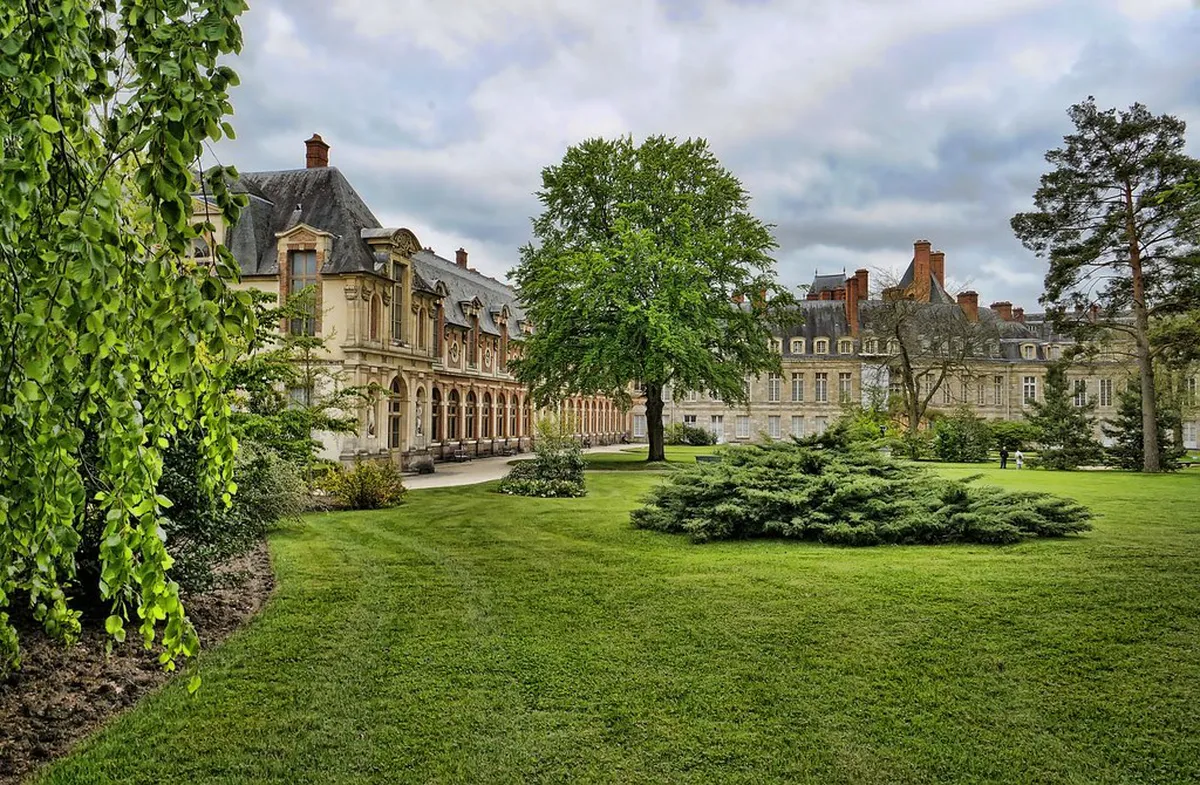
Fontainebleau remains a stunning masterpiece of classic French design and royal luxury. The Fontainebleau landscape and garden architecture reflects many centuries of royal history and power. These historic gardens showcase the evolution of French taste throughout the royal centuries. Visitors can explore vast grounds that blend nature with amazing structural precision.
This estate served as a primary residence for French monarchs for many generations. Each ruler added new features to the parks to reflect their personal style. You will find a mix of Renaissance, Baroque, and Romantic design elements here. The park covers over 130 hectares of beautiful lawns, canals, and lush forests.
Exploring the gardens is a journey through the artistic history of France itself. From the rigid lines of the parterre to the wild English park, variety is everywhere. Designers used the natural forest surroundings to create a sense of endless space. This guide provides the practical details needed for your architectural visit in 2025.
Walking through these grounds allows you to step back into a world of kings. Every fountain and path was planned to impress visiting guests and foreign royalty. The architecture of the gardens is just as important as the palace itself. We will explore the specific details that make this landscape so unique.
History of the Royal Landscape Design
The gardens began as a simple hunting ground for the earliest French kings. King François I transformed the area into a regal estate during the 1500s. He brought Italian artists to design intricate courtyards and lush garden parks. This era marked the birth of a unique French architectural style in this region.
Later kings added their own personal touches to the sprawling royal landscape. Henri IV expanded the grounds with impressive water features and very long canals. He wanted to demonstrate his control over the natural environment of the forest. These additions created the foundation for the grand scale we see today.
André Le Nôtre redefined the gardens in the 17th century for Louis XIV. His influence remains visible in the geometric precision of the current garden layout. He focused on symmetry and the use of light on the water. This style became the gold standard for royal gardens across all of Europe.
The 19th century introduced softer and more naturalistic elements to the large estate. Napoleon I and later rulers embraced the Romantic movement in their garden design. They added winding paths and exotic tree species to the outer grounds. This evolution created a diverse tapestry of styles for modern visitors to enjoy.
Preservation efforts today maintain the original intent of these historic royal designers. Gardeners work throughout the year to keep the hedges and flowers looking perfect. Visiting in 2025 allows you to see these centuries of history in person. The landscape serves as a living museum of French outdoor architectural art.
The French Formal Garden and André Le Nôtre
André Le Nôtre left an indelible mark on this historic royal estate. He designed the Grand Parterre, which is currently the largest in all of Europe. This space demonstrates the strict geometry of Le Nôtre's famous work. Symmetrical flower beds and gravel paths define this truly impressive area.
The design focuses on perspective and very long vistas across the open park. Huge boxwood hedges create intricate patterns when viewed from the palace windows. Statues and fountains are placed at key intersections to draw the eye. These elements embody the absolute power and wealth of the French monarchy.
The Grand Parterre required massive earth-moving projects to achieve its flat, even surface. Workers moved tons of soil to create the perfectly level ground we walk on. This feat of engineering was revolutionary during the 17th century in France. It allowed for the creation of vast, unbroken views of the horizon.
Modern visitors can still walk these precise and historic pathways today in 2025. The layout requires constant maintenance to preserve its sharp and very clean lines. Gardeners use traditional techniques to keep the parterre looking absolutely perfect. Seeing these designs in person reveals the massive scale of royal ambition.
Water basins within the parterre add a sense of movement to the space. The reflections of the sky contrast beautifully with the rigid green hedge walls. This balance of elements is a hallmark of the classic French formal style. It creates a sense of harmony between the building and the land.
Contrast with the English Garden Style
Fontainebleau offers more than just rigid and formal French landscape designs. The Garden of Diana and the English Garden provide a much softer atmosphere. These areas prioritize natural curves over the strict and rigid symmetry of the parterre. You will find a contrast between garden styles throughout the grounds.
The English Garden features winding streams and small, hidden stone grottos for quiet reflection. It was designed under Napoleon I to feel like a wild, natural forest. Towering trees provide ample shade for peaceful walks away from the main palace. This section feels very intimate compared to the wide-open formal parterres.
Architects used artificial mounds and rocks to create a rugged and wild appearance. Rare botanical specimens were planted to showcase the results of global exploration. Today, this garden serves as a quiet retreat for all nature lovers. It highlights the shifting trends in European garden architecture over several centuries.
The Garden of Diana features a central fountain dedicated to the Roman goddess. This space was once the private garden for the queens of France. It feels more enclosed and protected than the vast parks surrounding the canal. The architecture here is delicate and focuses on floral beauty and privacy.
Visitors often prefer the English Garden for its relaxed and casual walking paths. It offers a break from the intense sun during the warm summer months. You can discover hidden statues and small bridges tucked away in the trees. It represents the Romantic ideal of nature as a source of emotion.
The Grand Canal and Water Architecture
Water plays a central role in the Fontainebleau landscape and garden architecture. The Grand Canal stretches over 1,200 meters through the main royal park. It was commissioned by Henri IV during the early part of the 17th century. This feature highlights the architectural design of the canal system.
Rows of lime trees line the water to create a sense of depth. The canal reflects the sky and the greenery in a beautiful mirror effect. It once served as a venue for royal boat parties and grand festivals. Now, it offers a serene backdrop for long walks and weekend picnics.
The Carp Pond is another iconic water feature located on the palace grounds. It sits between the palace building and the formal French gardens. Large fish swim in these historic waters, as they have for many centuries. The surrounding stone balustrades offer perfect views of the grand palace facade.
Hydraulic systems were built to power the many fountains located throughout the park. These systems were complex marvels of engineering for their time in history. Engineers used gravity and pumps to move water from nearby springs and rivers. The sound of splashing water adds a peaceful layer to the garden experience.
Walking along the canal provides a sense of the immense scale of the estate. The water serves as a central axis that organizes the surrounding forest land. You can often see local residents jogging or walking their dogs here. It remains a vital part of the city's public landscape in 2025.
Planning Your Architecture Visit in 2025
Visiting the gardens is free for all travelers during the year 2025. The grounds open early in the morning and close at the sunset. Plan to spend at least three hours exploring the different garden zones. A guided walking tour can provide deeper historical and design context.
The estate covers over 130 hectares of land, park, and thick forest. You can rent bicycles near the main entrance for much faster travel. This allows you to reach the far edges of the park easily. The terrain is mostly flat but includes some gravel and grass paths.
Wear comfortable shoes because you will be walking long distances on gravel. You should bring water and snacks if you plan to explore the forest. There are several benches located along the main paths for resting. The park is very accessible for visitors of all different ages.
Check the weather forecast before you arrive in the city of Fontainebleau. Spring and autumn offer the most pleasant temperatures for long garden walks. Summer can be quite hot on the exposed and open formal parterres. Early morning visits help you avoid the largest crowds of peak tourists.
The gardens are located just a short walk from the city center. You can find many cafes and restaurants near the palace entrance gates. This makes it easy to combine a garden tour with a nice lunch. The city and the park are deeply connected through their shared history.
Iconic Statuary and Decorative Elements
Stone statues of gods and goddesses decorate the many garden paths. These figures represent themes of nature, hunting, and ancient royal strength. Many sculptures date back to the Renaissance and the later Baroque periods. They add a sense of timeless elegance to the outdoor garden spaces.
The Grotto of the Pine is a unique and hidden architectural gem. It features rustic stonework that looks like a natural forest cave. This structure showcases the playfulness of early French royal garden design. Photographers love the textures of the stone against the green moss.
The Golden Gate serves as a grand and imposing entrance to the estate. It displays intricate ironwork and royal symbols from the French past. This entrance connects the urban city to the quiet and royal grounds. It remains one of the most photographed spots in the entire city.
Ornate urns and vases sit atop the stone walls of the parterre. These decorative elements were designed to hold seasonal flowers and small shrubs. They provide structural interest even during the cold winter months. Each piece was crafted by skilled stonemasons to match the palace style.
Benches made of stone and iron are placed strategically for the best views. You can sit and admire the symmetry of the gardens for hours. These small details contribute to the overall feeling of luxury and comfort. Every element was chosen to create a perfect royal outdoor environment.
Frequently Asked Questions
Is the Fontainebleau garden free to visit?
Yes, entry to the main gardens and the park is free. You only need a ticket to enter the palace building. This makes it a great budget activity for 2025 travelers.
What are the opening hours for the gardens?
The gardens usually open at 9:00 AM every day of the week. They close at sunset, which varies depending on the current season. Arrive early to enjoy the morning light on the water.
How do I get to Fontainebleau from Paris?
You can take a train from Gare de Lyon in Paris. The journey takes about 40 minutes to reach the Fontainebleau-Avon station. A short bus ride then takes you to the palace.
Are dogs allowed in the gardens?
Dogs are generally allowed in the main park and the forest areas. They must be kept on a lead at all times. Check local signs for specific rules in the formal gardens.
Can I have a picnic in the park?
Picnics are allowed in the park and near the Grand Canal. There are many grassy areas perfect for a relaxing lunch. Please remember to take all your rubbish with you.
The Fontainebleau landscape and garden architecture offers a unique look at history. You can see the dreams of kings reflected in the trees and water. Plan your visit in 2025 to experience this royal beauty for yourself. Don't forget to wear walking shoes and bring your camera for photos. Explore more about the region's heritage by booking a guided tour today.
Key Takeaways
- The Grand Parterre is Europe's largest formal garden layout.
- Entry to the gardens and park remains free for all.
- The site features a mix of French formal and English styles.
- The 1,200-meter Grand Canal is a highlight of water design.
- Renting a bike is the best way to see the forest.
Related reads: architecturebycity.com, architecture in fontainebleau.