
Architectural Walking Tour of Fontainebleau Guide 2025
Discover the best architectural walking tour of Fontainebleau. Explore grand palaces and local villas in 2025. Plan your historic French design trip now!
On this page
Fontainebleau is a stunning city located just south of Paris. It offers a deep look into the history of French design. Visitors can see many different styles of buildings here. You will enjoy an architectural walking tour of Fontainebleau in 2025. The city has served as a royal home for many centuries.
This guide will show you the best spots to visit today. You will see grand palaces and small charming streets. Each turn provides a new story about French art and culture. The walk is perfect for history lovers and design fans alike. Let us begin this journey through the beautiful streets of France.
Architectural Walking Tour of Fontainebleau Palace
The Chateau de Fontainebleau is the most famous site in the city. It features a unique mix of styles from different eras. You will see Renaissance, Classical, and Medieval elements here. Kings and emperors lived within these thick stone walls for many years. Each ruler added a new wing to the grand structure.
The palace courtyard is a great place to start your visit. You can admire the famous horseshoe staircase in the White Horse Court. This staircase is a symbol of the beauty found in French craftsmanship. It costs around fourteen Euros to enter the main museum areas. The gates open daily at nine thirty in the morning.
You should pay close attention to the Chateau de Fontainebleau architectural styles during your tour. The Italian influence is very clear in the older galleries. Detailed wood carvings and gold leaf cover the indoor walls. These rooms show the wealth of the French monarchy over time. The gardens outside also offer a look at formal landscape design.
The lake area provides a peaceful spot for architectural photography. You can see the reflection of the palace in the clear water. This view highlights the symmetry used by the royal architects. Take your time to walk around the entire perimeter of the park. You will find small pavilions tucked away in the trees.
The palace is a living history book of French building techniques. It was one of the first royal residences to be fully restored. Experts worked hard to keep the original details for modern visitors. Today, it remains a UNESCO World Heritage site for everyone to enjoy. It is the highlight of any trip to this region.
Facades of Historic Rue Grande
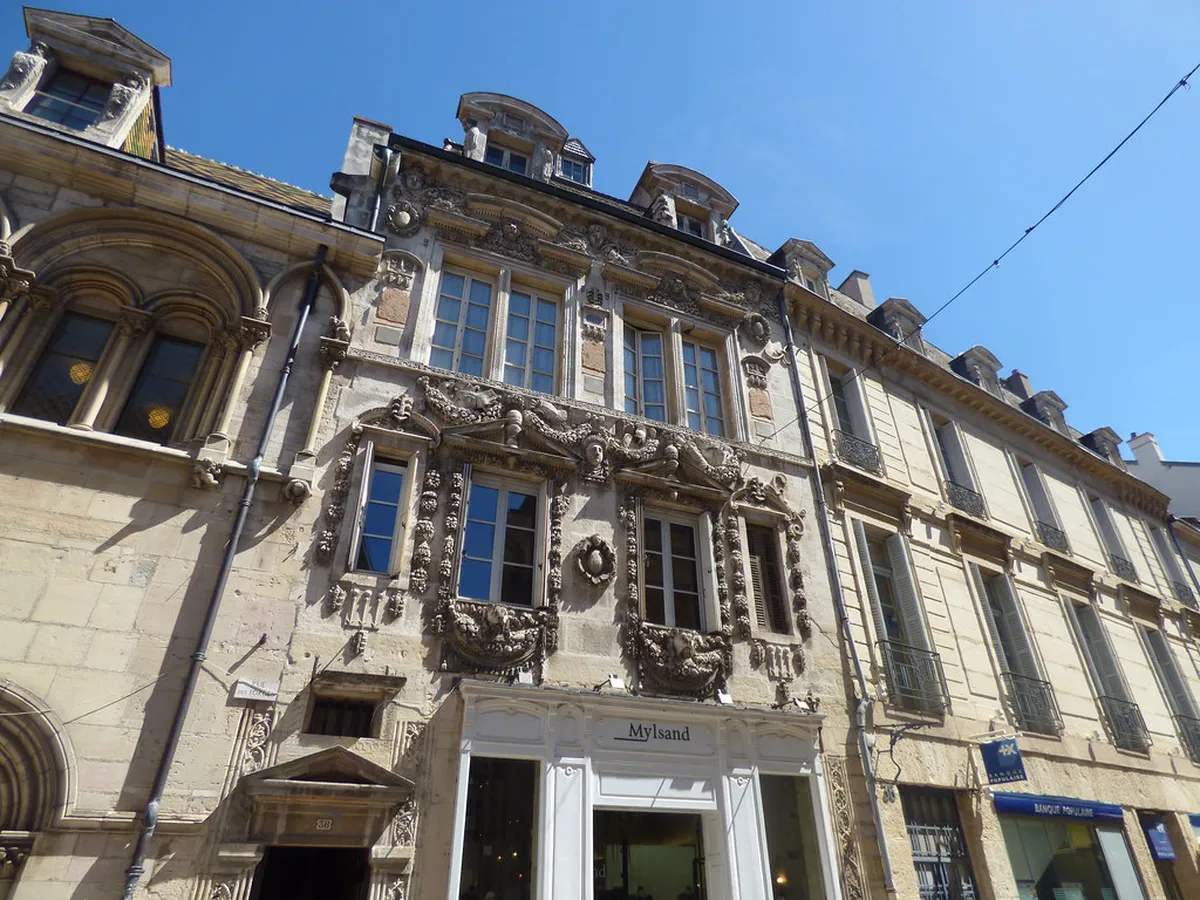
The Rue Grande is the main street of the town center. It is lined with buildings that date back several centuries. You will see stone facades with intricate iron balconies here. Many of these buildings now house local shops and cafes. They represent the civic growth of the town during the royal era.
Walk slowly along the sidewalks to notice the small details. Look for the carved window frames and heavy wooden doors. These elements show the skill of local stonemasons from the past. You can find a Rue Grande historic facades map to guide your way. The street is very lively during the weekend market days.
The upper floors of these buildings often feature classic French windows. These tall windows allow light to fill the old interior spaces. You might notice the use of local sandstone in the construction. This stone gives the town a warm and inviting golden glow. It is a signature look for the architecture of this area.
Many buildings on this street were once homes for court officials. They wanted to live close to the king and the palace. This led to a high standard of design in the town center. You can see how the wealth of the court shaped the city. It is a very impressive sight for any architecture fan.
Stop at a local bakery to enjoy the atmosphere of the street. You can watch the world go by while admiring the tall roofs. The chimneys are often made of brick and add character to the skyline. This street connects the palace to the rest of the city. It is an essential part of your walking tour.
Elegant Belle Epoque Villas
The nineteenth century brought a new style to the local area. Wealthy families built large villas near the edge of the forest. These homes feature bright colors and very creative roof designs. You will see many examples of the Belle Epoque style here. This era was a time of great peace and prosperity.
The Belle Epoque villas of Fontainebleau and Avon are quite famous today. They often have large gardens and tall iron fences for privacy. You can find them along the streets leading to the train station. Many of these houses use a mix of brick and stone. They look like they belong in a classic storybook.
Decorative tiles and stained glass are common features of these homes. Architects during this time wanted to express a sense of joy. They used curved lines and floral patterns in their work. Each villa has a unique name carved into the stone gate. It is fun to read them as you walk past.
Some of these villas have been turned into luxury boutique hotels. This allows visitors to see the interior design of the period. You will find high ceilings and elegant wooden staircases inside. The preservation of these homes is a priority for the local government. They add a touch of glamour to the quiet neighborhoods.
Walking through these residential areas is very peaceful and quiet. The trees provide shade during the warm summer months of 2025. You can imagine the high society parties that once took place here. These buildings show a different side of the city history. They represent the rise of the modern middle class.
Religious and Civic Landmarks
The church of Saint Louis is a key site in town. It was built to serve the residents and the royal court. The architecture is a mix of Classical and Baroque styles. Inside, the high altar is a masterpiece of religious art. You can visit the church for free during the daytime hours.
The Fontainebleau religious architecture tells a story of faith and power. You will find smaller chapels located throughout the town and palace. These sites often contain tombs of famous French historical figures. The acoustics inside the Saint Louis church are truly wonderful. Many local concerts are held here throughout the year.
The Town Hall is another building that you must see today. It sits in a prominent spot near the main market square. The building features a clock tower and a very grand entrance. It serves as the center of local government for the city. You can see the French flag flying high above the door.
The square in front of the Town Hall is very spacious. It is a popular meeting place for locals and tourists alike. You can see the contrast between civic and royal building styles here. The Town Hall is designed to look solid and very dependable. It represents the strength of the local community over time.
Public fountains also dot the city squares and street corners. These small structures provided water to the city in the past. Many are decorated with statues of mythical creatures or gods. They add a sense of history to the public spaces. Take a moment to rest by the water during your walk.
Modern Design at INSEAD Campus
Fontainebleau is not only a place for very old buildings. It also hosts the world famous INSEAD business school campus. This site features modern designs that blend with the forest surroundings. Architects used a lot of glass and steel for these buildings. The campus feels very open and full of natural light.
The modern structures provide a sharp contrast to the historic palace. You can see how design has changed over the last century. Sustainable building practices were used to create these new spaces. This helps the school stay in harmony with the local environment. It is a very inspiring place for students from all over.
The campus is located on the edge of the famous forest. You can walk from the historic center to the school easily. The transition from old stone to modern glass is quite interesting. It shows that the city is still growing and changing today. Architecture fans will enjoy seeing this side of the town.
Access to some buildings may be restricted for the general public. However, the exterior views are still very worth your time today. You can see how the architects used wood to warm up the designs. This makes the modern buildings feel cozy despite their large size. It is a great example of late twentieth century architecture.
The school brings an international crowd to the quiet French town. This has led to more modern cafes and shops opening nearby. You can see the influence of this global community in the streets. The mix of cultures makes the city very vibrant and exciting. It is a unique part of the local architectural landscape.
Finding Hidden Secret Courtyards
Many of the best sights in town are hidden from view. You must look behind the large wooden doors of the houses. Many private homes have beautiful inner courtyards filled with flowers. These spaces offer a quiet escape from the busy main streets. They are often paved with old stones and have small wells.
You can follow a hidden courtyards of Fontainebleau walking route for the best views. Some of these spaces are open during special heritage days. You will see vines climbing up the old stone walls here. These courtyards were designed to keep the homes cool in summer. They are a secret treasure of the local urban design.
Look for the archways that lead away from the Rue Grande. These narrow passages often open into larger shared garden spaces. You will find small statues and benches tucked into the corners. It is a very romantic part of the city for visitors. Be sure to be quiet and respect the local residents.
These courtyards show the importance of private outdoor space in France. Even in the town center, people wanted to have a garden. The architecture allows for a lot of privacy within a small area. You can learn a lot about local life by seeing these spots. They are a highlight for those who like to explore.
The walk ends near the edges of the royal forest park. This area features large open lawns and very old oak trees. You can see the palace in the distance from these fields. It is a perfect place to sit and review your photos. You have seen a wide range of French building styles today.
Frequently Asked Questions
What is the best time for a walking tour?
The best time is during the spring or fall months. The weather is mild and the gardens are very beautiful. Avoid the heat of midsummer if you plan to walk a lot. Most sites open around nine thirty in the morning for visitors.
How long does the architectural tour take?
A full tour usually takes about three to four hours. This gives you time to see the palace and the town. You can take breaks in the many local cafes along the way. Some people spend a whole day exploring the forest as well.
Is the town of Fontainebleau easy to reach?
Yes, it is very easy to reach from central Paris. You can take a train from the Gare de Lyon station. The journey takes about forty minutes on the direct regional lines. A short bus ride or walk will take you to the palace.
Are there guided architecture tours available?
The local tourism office offers many guided walks for visitors. These tours focus on specific periods like the Renaissance or Belle Epoque. You can also hire a private guide for a more personal experience. Most tours are available in both French and English languages.
Fontainebleau is a masterpiece of French architectural history for all visitors. You can see the evolution of design from the Middle Ages to today. This architectural walking tour of Fontainebleau offers a deep look at royal life. Plan your visit in 2025 to see these amazing stone structures in person. Do not forget to wear comfortable shoes for your long walk through history.
Key Takeaways
- Visit the Chateau de Fontainebleau to see eight centuries of royal design.
- Explore the Rue Grande for historic facades and charming local shops.
- Look for Belle Epoque villas on the outskirts for 19th-century elegance.
- Follow hidden courtyard paths to discover the secret side of the city.
Related reads: architecturebycity.com, architecture in fontainebleau.