
Belle Epoque Villas of Fontainebleau and Avon Guide
Discover the stunning Belle Epoque villas of Fontainebleau and Avon in 2025. Learn about history, architecture, and top spots. Start your walking tour today!
On this page
The Belle Epoque villas of Fontainebleau and Avon represent a golden era of French residential design. These magnificent homes emerged during the late nineteenth and early twentieth centuries. Wealthy Parisians built these estates to escape the noise of the capital city. In 2025, visitors still flock to these neighborhoods to admire the creative building styles. You will find a mix of artistic expression and architectural innovation in every street. This guide explores the most beautiful neighborhoods and explains why these houses are so unique.
History of the Belle Epoque Villas
The story of these grand homes began with the arrival of the railway in the mid-1800s. This new transportation link made the region very accessible for the elite of Paris. Families started building secondary residences to enjoy the fresh air of the royal forest. You can learn more about Fontainebleau vacation home history through local archives. These estates served as symbols of high social status and modern luxury.
Architects during this period enjoyed a great deal of creative freedom from their wealthy clients. They moved away from the strict neoclassical styles that dominated previous French eras. The resulting buildings showcased a delightful variety of shapes, colors, and textures. This period allowed for the experimentation that defines the local landscape today. Owners wanted their summer homes to look distinct from their formal city apartments.
The cultural atmosphere of the Belle Epoque encouraged a deep love for nature and art. Many of these villas were built right on the edge of the scenic forest. This location allowed residents to easily enjoy hunting, walking, and outdoor painting sessions. The connection between the forest and the architecture remains a key feature in 2025. Modern visitors can still feel the sense of peace these locations provide.
Social life in these neighborhoods was vibrant and centered around large garden parties. Many famous writers and artists of the time spent their summers in these villas. They drew inspiration from the beautiful surroundings and the eclectic house designs. The history of these buildings is deeply tied to the creative spirit of France. You can still see the original gates and fences that once protected these private worlds.
The Unique Style of Les Affolantes
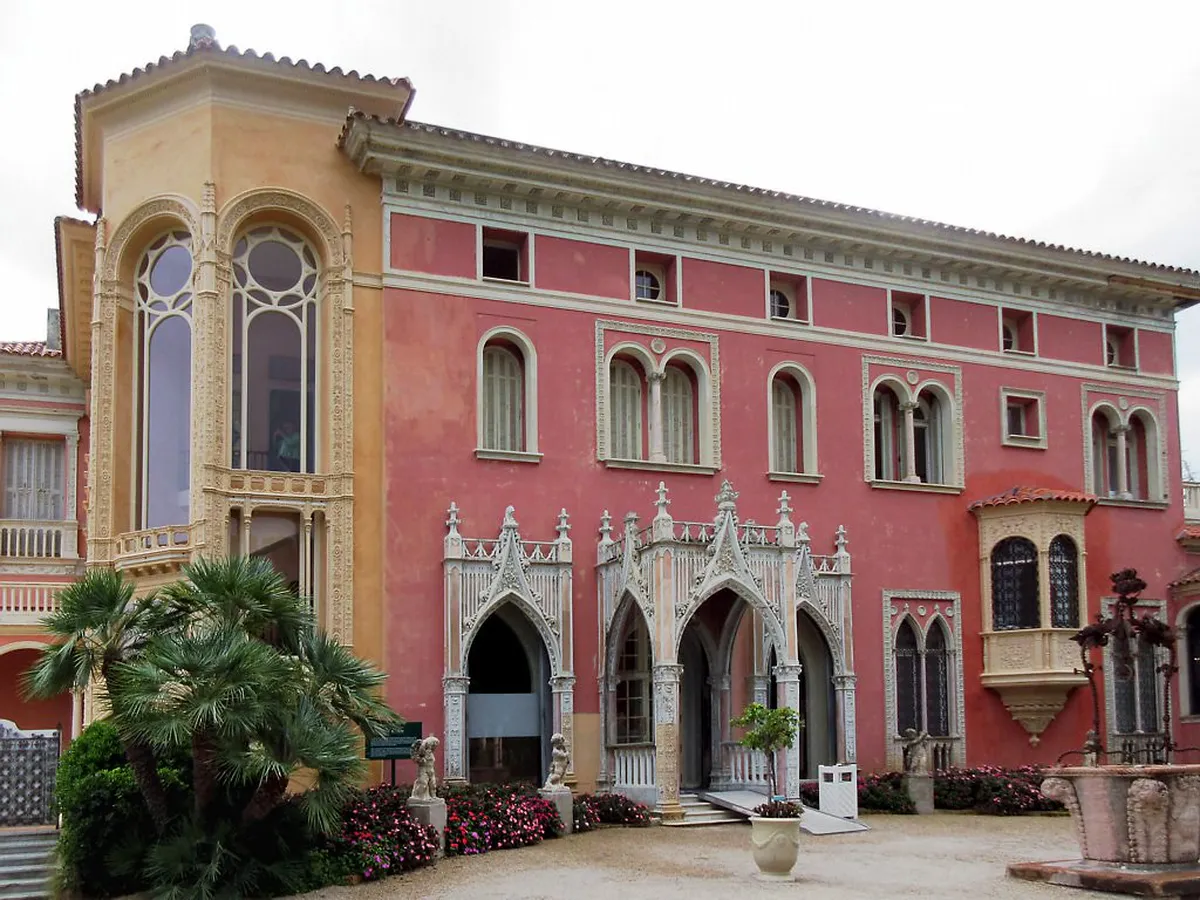
A specific group of villas along the Seine is known locally as Les Affolantes. This name roughly translates to the maddening or extravagant ones because of their wild designs. These houses often feature tall towers, asymmetrical roofs, and very colorful facades. Examining the Les Affolantes villas architecture reveals a playful approach to construction. They represent the peak of residential creativity in the entire Fontainebleau region.
Many of these homes borrow elements from medieval castles or rustic Swiss mountain chalets. You might see a Neo-Gothic turret next to a bright Art Nouveau balcony. This mix of styles creates a visual feast for anyone walking along the river. The architects used different materials like stone, brick, and wood to add visual interest. These houses were designed to surprise and delight every passerby.
The riverside location in Avon provided a perfect stage for these architectural masterpieces. Many villas have large windows and terraces that face the water directly. Residents could watch the boats pass while relaxing in their private architectural wonders. In 2025, these properties remain highly sought after by local residents and history buffs. They are the most photographed houses in the entire Seine-et-Marne department.
Each villa has its own personality and often a unique name carved into the stone. You will notice that no two houses in this group look exactly the same. This individuality was a major point of pride for the original owners. They wanted to build something that would be remembered for many generations to come. Today, these homes are protected as important parts of French cultural heritage.
Key Architectural Features to Observe
The use of decorative ceramic tiles is a primary feature of these historic villas. These colorful tiles often create patterns of flowers or geometric shapes on the exterior walls. Many houses also feature intricate woodwork on the eaves and around the window frames. You can see many Art Nouveau residential styles in Fontainebleau that highlight these details. These elements add a layer of texture that is missing from modern buildings.
Wrought iron is another material that architects used extensively during this artistic period. You will see beautiful ironwork on balconies, gates, and even decorative roof cresting. These metal details were often custom-made by skilled craftsmen of the late nineteenth century. The patterns usually mimic vines or other natural forms found in the nearby forest. Ironwork provides both security and an extra touch of elegance to the property.
Verandas and covered porches were essential for the summer lifestyle of the original owners. These spaces allowed families to enjoy the outdoors while staying protected from the sun. Many verandas feature stained glass windows that cast colorful light into the interior rooms. This design choice highlights the importance of light and air in Belle Epoque architecture. These spaces were the heart of the home during the warm summer months.
High chimneys and steep rooflines are common across many villas in Fontainebleau and Avon. These features give the houses a sense of height and vertical movement. Some roofs use slate tiles in different colors to create complex diamond patterns. These details show the high level of craftsmanship available during this golden age. Every part of the house was an opportunity for artistic expression.
Best Areas for a Walking Tour
Start your journey at the Fontainebleau-Avon train station for the best experience. The streets immediately surrounding the station are filled with beautiful residential examples. You can follow an architectural walking tour of Fontainebleau to stay on track. This area shows how the town expanded to meet the needs of seasonal visitors. Many of these houses have been carefully restored to their original glory.
Head toward the Quai de la Rpublique in Avon for the riverside villas. This long street runs parallel to the Seine and offers unobstructed views of Les Affolantes. The walking path is flat and easy to navigate for people of all ages. You will see several information boards that explain the history of specific villas. This is the most scenic part of the neighborhood for a 2025 stroll.
Explore the Avenue Franklin Roosevelt to see the more urban side of the Belle Epoque. This wide boulevard features grand houses that were built for the wealthiest residents. The scale of the architecture here is truly impressive and very formal. You will notice many large gardens behind tall stone walls and iron gates. These homes represented the pinnacle of French architectural prestige at the time.
End your walk near the edge of the forest to see rustic hunting lodges. These smaller villas use more wood and natural stone in their construction. They were designed to blend in with the trees and the rocky landscape. This area provides a great contrast to the grand mansions found in the town center. It is a peaceful way to finish your architectural exploration of the region.
Planning Your 2025 Visit
Spring and autumn are the best seasons to visit these neighborhoods. The trees in the gardens and the forest provide a stunning natural backdrop. During these months, the light is perfect for seeing the details on the villas. You should find the best viewpoints for Fontainebleau architecture to get great photos. Most walking paths are open throughout the year and are free to access.
Wear comfortable walking shoes because you will cover a lot of ground. Most of the best villas are located on residential streets with narrow sidewalks. Please remember that these houses are private residences and not museums. Stay on the public paths and respect the privacy of the people living there. You can see almost everything you need from the street level.
Combine your villa tour with a visit to the famous Chateau de Fontainebleau. The palace influenced many of the design choices found in the local villas. You can easily spend a full day exploring both the royal and residential history. Local cafes near the station offer great places to rest and have lunch. The town is very friendly to tourists who appreciate history and art.
Check the local weather forecast before you depart from Paris or nearby cities. Rain can make the walking paths near the river a bit muddy. However, the villas look beautiful even under gray skies or light mist. Bring a map or use a GPS app to find the hidden side streets. You will discover many small architectural details that most tourists usually miss.
Frequently Asked Questions
What are the most famous villas in Fontainebleau and Avon?
The most famous group is known as Les Affolantes located along the Seine. These villas include names like Villa Maryvonne and Villa l'Ermitage. They are known for their eclectic and often eccentric architectural styles.
Can I go inside the Belle Epoque villas?
Most of these villas are private homes and are not open to the public. You can admire their stunning exteriors from the public streets and walking paths. Some are occasionally opened during European Heritage Days in September.
How do I get to the villa district from Paris?
Take a train from Gare de Lyon in Paris to the Fontainebleau-Avon station. The journey takes about forty minutes on the Transilien R line. Many of the best villas are located within walking distance of the station.
Exploring the Belle Epoque villas of Fontainebleau and Avon is a must for architecture lovers. These homes offer a unique look at a time of great creativity and luxury. You will enjoy the mix of history, art, and nature in these charming neighborhoods. Plan your trip in 2025 to experience these French architectural treasures for yourself. You will leave with a new appreciation for the beauty of residential design.
Key Takeaways
- Visit the Quai de la Rpublique in Avon to see the most famous villas.
- Look for the colorful ceramic tiles and intricate woodwork on the facades.
- Respect private property while enjoying the views from the public sidewalks.
- Combine your walking tour with a visit to the nearby royal forest.
- Travel by train from Paris for an easy and scenic day trip.
Related reads: architecturebycity.com.