
Art Nouveau Residential Styles in Fontainebleau
Explore Art Nouveau residential styles in Fontainebleau. Learn about 2025 architectural trends and discover the iconic Belle Epoque villas of France today.
On this page
The city of Fontainebleau remains a crown jewel of French architectural history and royal heritage. Most travelers visit for the famous palace or the vast forest nearby during their trips. However, the private Art Nouveau residential styles in Fontainebleau offer a unique look at local design history. These homes often feature the beautiful Belle Epoque villas of Fontainebleau and Avon as their primary inspiration. You will find that these structures blend organic shapes with modern construction methods from the early 1900s. These buildings represent a time when architects broke away from strict classical rules to embrace nature. Walking through the quiet streets reveals a world of flowing lines and intricate floral decorations. This survey explores how these residences shaped the aesthetic identity of this historic French town.
Cultural Context of Art Nouveau in France
The Art Nouveau movement arrived in Fontainebleau during a period of great economic growth and social change. Local architects wanted to create a style that reflected the beauty of the surrounding natural world. They moved away from the heavy stone styles of the previous century to favor lighter designs. This shift allowed for larger windows and more open floor plans in residential properties. The homes built during this era served as retreats for wealthy families from nearby Paris. Many owners wanted their residences to stand out from the traditional stone mansions of the past. Designers used this opportunity to experiment with new materials like iron and large glass panels. The result was a neighborhood filled with light and creative energy for all to see.
Residential design in this period focused on the total work of art for every home. Architects did not just design the walls but also the furniture and small interior details. Every element of the house worked together to create a unified and artistic living space. You can still see this harmony in the surviving houses around the city center today. These properties highlight a specific moment when art and daily life merged into one experience. The transition from industrial styles to organic forms was a major turning point for local builders. It set the stage for the modern luxury homes that we admire in the current year. Visitors can appreciate the bold choices made by these pioneering designers over a century ago.
Social status played a role in how these artistic homes were built and decorated. A stylish villa showed that the owner was modern and appreciated the latest European art trends. Many of these families hosted large garden parties to show off their unique architectural tastes. The Art Nouveau residential styles in Fontainebleau became a symbol of refined and forward-thinking French life. Even today, these buildings maintain an aura of elegance that defines the local residential landscape. The neighborhood near the forest edge contains the most impressive examples of this creative spirit. You can feel the history as you walk past the ornate gates and tiled walls. These homes tell a story of a town embracing the future while honoring nature.
Art Nouveau Residential Styles in Fontainebleau Features
One of the most striking features of these homes is the use of whiplash curves. These flowing lines appear on balconies, staircases, and even the frames of the front doors. Architects avoided straight lines to mimic the natural movement of plants and vines in the wind. This organic approach created a sense of motion that traditional stone buildings often lacked completely. You will notice that the facades often feature colorful ceramic tiles with floral patterns. These tiles add a splash of color to the sandstone walls commonly found in France. The roofs often have unique shapes with tall chimneys and decorative iron ridges on top. Every corner of the building serves as a canvas for some form of artistic expression.
Ironwork is another essential element that defines the Art Nouveau residential styles in Fontainebleau for viewers. Balconies often feature complex patterns that look like tangled branches or blooming flowers in the spring. These metal structures were strong yet appeared light and delicate to the naked eye. Blacksmiths used new techniques to twist iron into shapes that were previously impossible to create. The contrast between the cold metal and the soft floral designs creates a beautiful visual balance. You can see this craftsmanship on the gates of many private estates throughout the local area. Many of these iron features have survived for over a hundred years with very little damage. They remain as proof of the high skill level found in early twentieth-century workshops.
Stained glass windows are frequently used to bring color and soft light into the interior spaces. These windows often depict scenes from the forest or stylized versions of local garden flowers. The sunlight filtering through the colored glass creates a warm and inviting atmosphere inside the homes. Designers placed these windows in stairwells and dining rooms to impress guests during the daytime hours. The lead frames of the glass often follow the same curved lines as the exterior walls. This attention to detail ensured that the house felt like a complete and finished masterpiece. You might find small glass inserts even in the most modest of these artistic residences. These touches show that beauty was a priority for every homeowner in this stylish era.
The Influence of Nature and the Local Forest
The vast forest of Fontainebleau provided endless inspiration for the architects working in the local town. Many residential designs incorporate motifs of oak leaves, acorns, and ferns directly into the stone walls. You can find these carvings around the main entrance or under the eaves of the roof. The proximity to nature allowed designers to create homes that felt like part of the landscape. They used the green and brown tones of the woods to choose their exterior paint colors. This connection to the environment is a hallmark of the Art Nouveau residential styles in Fontainebleau. Residents felt a strong link between their private living spaces and the wild forest nearby. It was a way to bring the peace of the woods into the city.
Garden design was just as important as the house itself for many wealthy villa owners. The transition from the street to the front door often involved a carefully planned landscape. Low stone walls and curved paths guided visitors through a variety of local plants and flowers. These gardens often featured small ponds or decorative fountains made of local sandstone and iron. The goal was to create a seamless flow between the architecture and the natural world outside. You can see these original garden layouts in many parts of the city during a walk. An architectural walking tour of Fontainebleau is the best way to discover these hidden green spaces. The synergy between the trees and the stone creates a very calming atmosphere for visitors.
Local sandstone, known as grès de Fontainebleau, was a primary material for many of these creative homes. This stone has a unique texture and color that reflects the geological history of the region. Architects often left parts of the stone rough to emphasize its natural and rugged origin. This technique provided a beautiful contrast to the smooth glass and polished iron used elsewhere. The use of local materials made these buildings feel authentic to their specific geographic location. It also supported local quarries and craftsmen who had worked with this stone for many generations. You can see how the golden hue of the stone changes throughout the daylight hours. This dynamic quality adds another layer of beauty to the residential streets of the town.
Materials Shaping the Fontainebleau Aesthetic
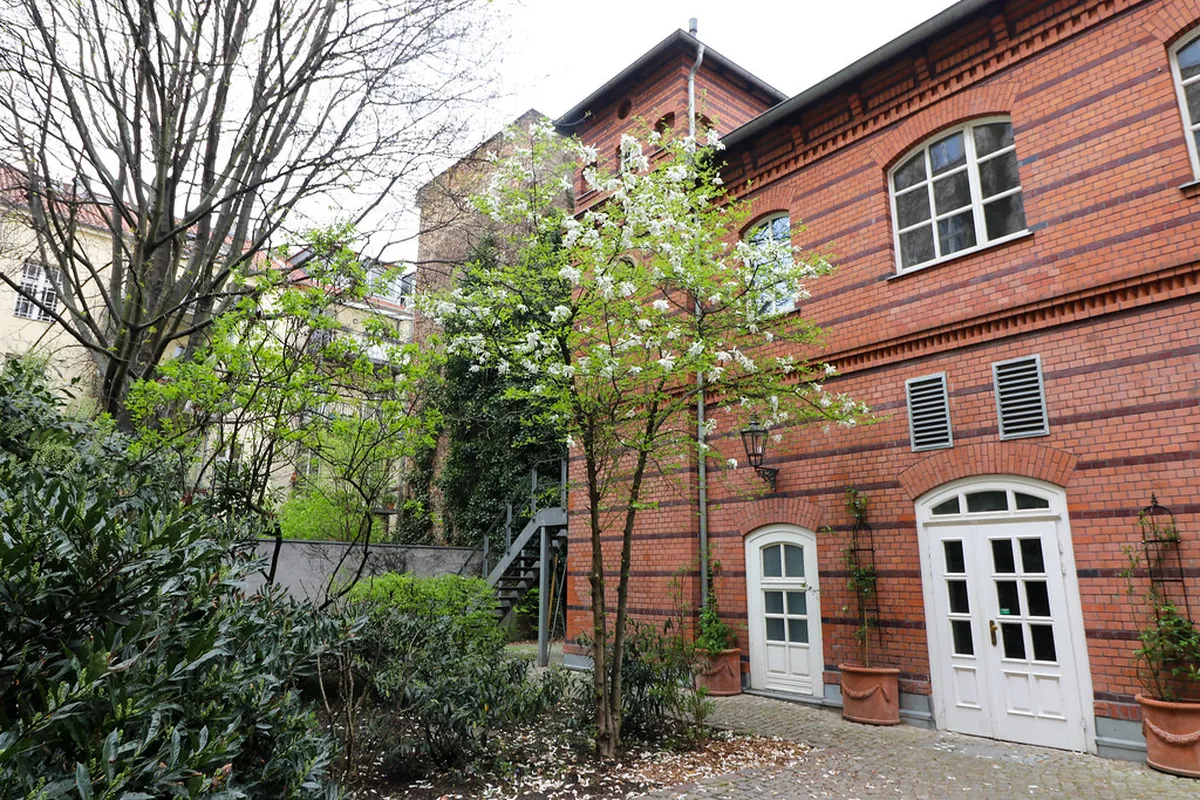
Builders in the Art Nouveau era embraced a wide variety of materials to achieve their artistic goals. They combined traditional stone with modern steel and decorative ceramics to create unique residential facades today. The use of brick also became popular for adding texture and different colors to the walls. You might see patterns of red and yellow bricks creating geometric shapes on some houses. These materials were often sourced from different parts of France to ensure the highest possible quality. The combination of different textures makes the buildings very interesting to look at from the street. Every material was chosen for both its strength and its ability to be shaped artistically. This mix of old and new defines the structural integrity of these historic villas.
Ceramic decorations became a signature look for the Art Nouveau residential styles in Fontainebleau during this time. Artists created custom tiles that featured birds, insects, and lush green plants for the exterior walls. These tiles were weather-resistant and kept their bright colors even after decades of exposure to rain. They provided a way to add intricate details without the high cost of carving stone by hand. Some houses feature large mosaic panels that tell a story or show a beautiful landscape scene. These colorful elements make the homes stand out against the more neutral tones of older buildings nearby. You can find these tiles tucked into corners or highlighting the space above the main windows. They add a sense of playfulness and joy to the architectural landscape of the city.
The use of wood also played a significant role in the interior and exterior of these homes. Large wooden beams often supported the overhanging roofs that protected the delicate facades from the rain. Front doors were usually made of thick oak and featured hand-carved details that matched the metalwork patterns. Inside, wooden paneling and parquet floors added warmth and a sense of luxury to the living rooms. The craftsmen who worked on these homes were masters of their trade and took great pride. You can still see the original wood in many well-preserved houses throughout the residential districts today. Proper maintenance has kept these organic materials in excellent condition for over a century of use. This longevity proves that high-quality materials are essential for lasting architectural beauty.
Notable Locations and Architectural Streets
If you want to see the best examples, start your walk near the edge of the forest. The streets surrounding the palace often hide the most extravagant and artistic private residences in the city. Rue de France is a great place to begin your search for unique residential details and ironwork. Look for homes with irregular window shapes and asymmetrical facades that defy standard classical design rules. You will find that each house has its own personality and a different set of decorative motifs. Some owners preferred a subtle look, while others wanted a very bold and colorful statement home. The variety of styles makes every block a new discovery for fans of French architecture. These streets offer a quiet escape from the busier tourist areas near the main palace entrance.
The area known as Avon also contains several important villas that follow the Art Nouveau style closely. These properties often sit on larger lots with more space for elaborate gardens and tall stone walls. You can see how the style evolved as it moved further away from the dense city center. The villas in Avon tend to have more experimental rooflines and larger glass sections in their design. Many of these homes have been carefully restored to their original 1900s glory by dedicated private owners. They serve as a reminder of the wealth and creativity that flowed into this region years ago. Walking between Fontainebleau and Avon allows you to see the full range of Belle Epoque design. It is a rewarding experience for anyone interested in the history of French residential life.
Many of these historic homes are located on quiet residential streets where you can walk safely and slowly. Please remember that these are private residences, so it is important to respect the privacy of the owners. You can take photos from the sidewalk to capture the beautiful details of the gates and facades. The best time to visit is during the late afternoon when the sun hits the stone. This lighting brings out the warm colors and highlights the depth of the stone carvings and tiles. You might even see some of the original gas lamp posts that still stand in some areas. These small details add to the magical feeling of stepping back into the early twentieth century. Exploring these neighborhoods is like visiting an open-air museum of decorative art and design.
Modern Preservation and Legacy in 2025
In the current year of 2025, the preservation of these historic homes is a top priority for the city. Strict local laws prevent owners from making major changes to the exterior of these protected artistic buildings. This ensures that the Art Nouveau residential styles in Fontainebleau remain intact for future generations to enjoy. Many homeowners invest a lot of time and money into restoring the original features of their villas. They work with specialized craftsmen who know how to repair old ironwork and delicate ceramic tiles. These efforts help maintain the unique character and charm of the historic residential neighborhoods today. Living in one of these homes is considered a great honor and a significant responsibility. The community takes pride in keeping its architectural heritage alive and in good condition.
Modern technology has also helped in the study and restoration of these early twentieth-century residential structures. Digital mapping and 3D scanning allow architects to document every detail of the decorative facades accurately. This data is vital for making repairs if a stone carving or tile is damaged. You can now find online tours that show the interiors of some of the most famous homes. These resources help educate the public about the importance of protecting the city's artistic history and legacy. Even new buildings in the area sometimes borrow elements from the Art Nouveau style to fit in. This shows that the movement still influences modern designers in France and beyond its borders. The legacy of the Belle Epoque continues to shape the visual identity of the region.
Visiting these residential areas provides a deeper understanding of French culture beyond the famous royal palace walls. It shows how ordinary, yet wealthy, citizens lived and expressed their own personal artistic tastes and values. The blend of nature, art, and daily life is a powerful theme that resonates with many. You can see how these homes paved the way for more modern and functional living spaces. The Art Nouveau residential styles in Fontainebleau are a testament to human creativity and the love of beauty. They remind us that even a simple house can be a magnificent work of art. As you leave the city, you will likely carry a new appreciation for these quiet stone gems. They are the true heart of the artistic soul of this historic French town.
Frequently Asked Questions
What defines the Art Nouveau residential styles in Fontainebleau?
These styles are defined by their use of organic shapes and flowing lines inspired by nature. You will see many whiplash curves, floral motifs, and decorative ironwork on the residential facades. The use of local sandstone and colorful ceramic tiles is also a very common feature. These elements work together to create a unique and artistic look for every home.
Where are the best places to see Art Nouveau homes in the city?
The best examples are located on the quiet streets near the Fontainebleau Forest and the main palace. Rue de France and the surrounding residential blocks feature many well-preserved villas from this historic era. You can also find impressive homes in the nearby area of Avon along the forest edge. Look for the famous Les Affolantes villas architecture during your local walking tour.
Are these historic Art Nouveau houses open to the public?
Most of these buildings are private residences and are not open for interior public tours today. However, you can easily appreciate the stunning exterior details and gardens from the public sidewalk areas. Some homes may open during special heritage days or local architectural events throughout the year. It is always best to check the local tourism office for the latest schedule. Respecting the privacy of the current residents is essential during your visit.
How did the local forest influence the design of these residences?
The forest provided direct inspiration for the decorative carvings of leaves, branches, and local animals on the walls. Architects used the natural colors of the woods to influence their choice of stone and paint colors. Many homes were designed to blend seamlessly with the surrounding landscape and private garden spaces. This connection to nature is one of the most important aspects of the local style. It created a peaceful and organic living environment for the original residents.
The Art Nouveau residential styles in Fontainebleau represent a peak of creative expression in French building history. These homes offer a fascinating look at how nature and modern materials merged at the start of the century. You can spend hours discovering the small details hidden on the quiet streets of this historic town. In 2025, these villas remain as beautiful and inspiring as they were when first constructed. They provide a unique contrast to the grand palace and show the artistic side of local life. Make sure to include a walk through these residential neighborhoods on your next trip to France. You will find that the beauty of Fontainebleau extends far beyond its famous royal gates and forest trails. This architectural survey highlights the lasting value of preserving our shared artistic heritage for everyone to see.
Key Takeaways
- Art Nouveau in Fontainebleau focuses on organic, nature-inspired shapes and whiplash curves.
- Local sandstone and ironwork are the primary materials used in these historic residences.
- The best examples are found on the quiet streets between the town center and the forest.
- Preservation laws in 2025 ensure these Belle Epoque gems remain intact for the future.
- Most villas are private, but their stunning facades are easily visible from the public sidewalk.
Related reads: architecturebycity.com, architecture in fontainebleau, fontainebleau vacation home history.