
Exploring the Grand Chamonix Palace Architecture
Discover the history of Chamonix Palace architecture. Learn about Belle Époque designs and book your luxury heritage 2025 tour today.
On this page
Chamonix is a world-famous destination located in the French Alps. The area features many historic luxury buildings from previous centuries. Chamonix Palace architecture remains a top draw for curious tourists today. These grand structures tell a story of immense wealth and artistry. You can see these landmarks throughout the valley during your 2025 visit. Many of these buildings originally served as elite hotels for wealthy travelers. They now stand as icons of the Belle Époque hotels in Chamonix tradition. This style transformed the local landscape from a village into a resort.
Understanding this architecture requires looking back at the early twentieth century. The arrival of the railway in 1901 changed everything for the town. Investors wanted to build grand palaces to house European royalty and elites. These projects required the best architects and materials from across France. Today, the scale of these buildings still impresses every mountain visitor. They represent a unique blend of urban luxury and rugged alpine scenery. This review explores the specific details that make these palaces so special.
Defining Belle Époque Style in the Alps
The Belle Époque era brought a sense of optimism to French design. Architects focused on elegance and luxury when planning these mountain structures. Chamonix Palace architecture often features symmetrical layouts and very high ceilings. This design helped create a sense of grandeur for high-society guests. The style merged traditional French classicism with functional mountain needs for winter. Large windows were installed to allow maximum natural light into the lobbies. These features helped keep the interiors bright during shorter winter days.
Ornate decorations are a primary hallmark of this specific architectural period. You will notice intricate plasterwork on the ceilings of older hotels. Floral motifs and geometric patterns often decorate the entrance halls and corridors. Many of these details were hand-crafted by master artisans from Paris. These craftsmen traveled to the Alps specifically for these prestigious building projects. Their work remains visible in the preserved dining rooms of local landmarks. The contrast between stone and delicate art creates a stunning visual effect.
The scale of these buildings was unprecedented for the Chamonix valley. Most traditional structures were small wooden chalets or stone farmhouses before 1900. The new palaces stood several stories tall with massive floor plans. They required advanced engineering to support their weight on mountain soil. This transition marked the beginning of modern tourism in the French Alps. You can still see how these giants dominate the town center today. They serve as permanent reminders of a very prosperous historical era.
Key Features of Chamonix Palace Architecture
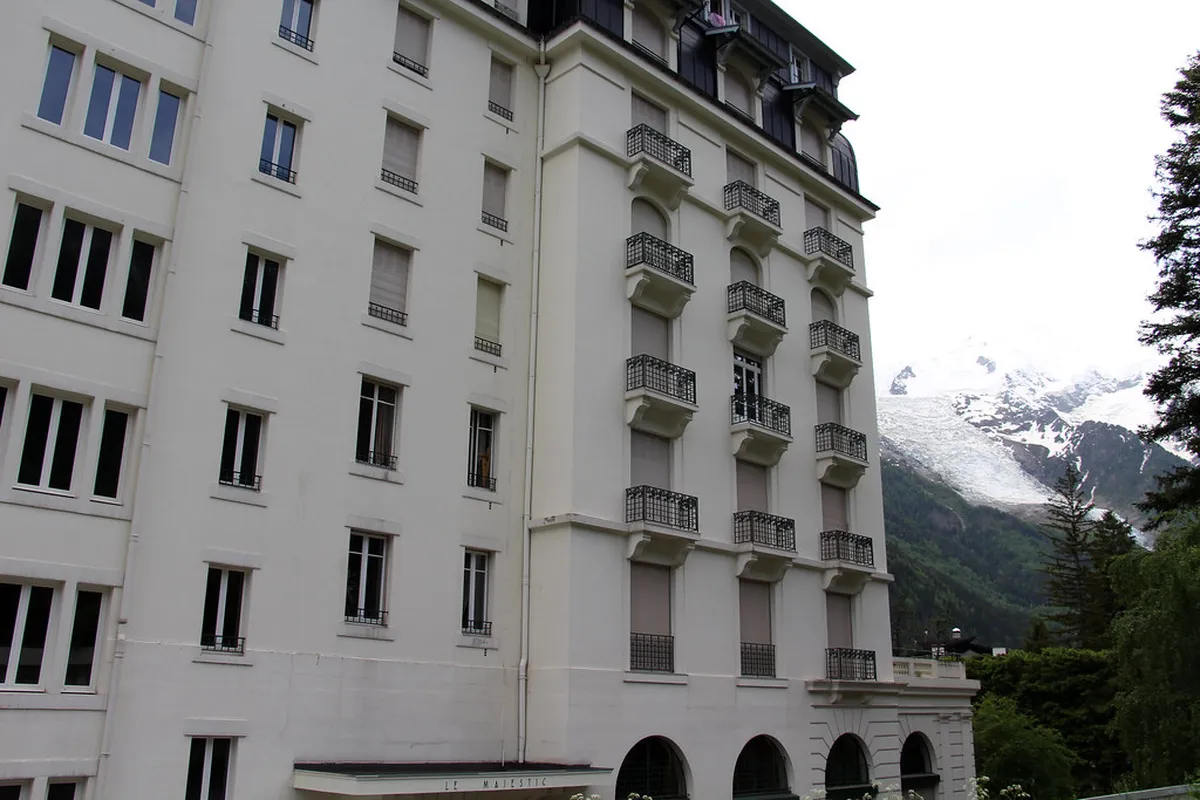
One striking feature is the use of grand hotel facades facing the mountains. These facades often include rows of ornate balconies with wrought iron railings. Guests could step outside to enjoy fresh air and mountain views. The ironwork often features custom designs unique to each specific building. Many railings depict local flowers like the famous mountain edelweiss. This attention to detail reflects the high standards of luxury builders. Each balcony was a status symbol for the guests staying inside.
The roofs of these palaces also show distinct architectural character and style. Architects frequently used slate tiles to create durable and attractive roofing systems. Many buildings feature mansard roofs which provide extra space on top floors. Dormer windows break up the roofline and add visual interest to buildings. These windows often have decorative frames that match the lower level windows. This consistency in design creates a very harmonious look for the structure. The steep slopes help prevent heavy snow buildup during the winter season.
Inside, the palaces featured grand staircases and massive crystal lighting fixtures. The lobbies were designed to impress visitors the moment they entered. Polished marble floors were common in the most expensive hotel projects. Large fireplaces acted as focal points in the communal lounge areas. These spaces allowed guests to socialize in a very comfortable environment. Today, many of these lobbies have been restored to their original glory. Visitors can experience the same luxury that travelers felt a century ago.
- Symmetrical Facades: Balanced window placements create a formal and professional look.
- Wrought Iron: Custom metalwork adds elegance to balconies and main entrance doors.
- Mansard Roofs: Steep slopes and slate tiles manage snow while providing space.
- Decorative Stucco: Exterior plaster creates textures and highlights important architectural lines.
Materials Used in Historic Alpine Construction
The Chamonix Palace architecture relies on a mix of local materials. Builders used heavy granite for the foundations to ensure long-term stability. This stone was often sourced from the surrounding mountains and valleys. It provided a strong base that could support multiple stone stories. Granite also resists the moisture and freeze-thaw cycles of the Alps. This durability is why so many palaces remain in excellent condition. You can see the exposed stone on the lower levels today.
Upper floors often utilized brick or lighter stone covered in smooth plaster. This technique allowed architects to add decorative colors to the exterior walls. Creams, whites, and light ochre were popular choices for these grand buildings. The plaster protected the structural walls from wind and driving mountain rain. It also provided a canvas for adding ornate relief carvings and motifs. These carvings often highlight the corners and window frames of the palaces. This layer of detail separates palaces from standard mountain utility buildings.
Wood was used sparingly on the exterior of these grand luxury palaces. Unlike local chalets, the palaces wanted to appear urban and sophisticated. Wood was mostly reserved for interior floors, doors, and decorative wall panels. High-quality oak and pine were frequently chosen for these interior finishings. The wood provided warmth and a connection to the surrounding alpine forests. Master carpenters spent months carving the intricate panels for the main ballrooms. These interior elements are just as important as the stone walls.
The Evolution of Le Majestic and Others
Le Majestic is perhaps the most famous example of this grand style. Built in the early 1900s, it served the highest level of society. Its massive size and white facade make it a visible town landmark. The building features classic proportions and very elegant decorative window surrounding details. It represents the height of Chamonix Palace architecture during the golden age. Today, it serves as a congress center for international mountain events. Visitors can still admire its exterior during a short town walk.
Other buildings like the Savoy Palace follow similar design principles and layouts. They were built to compete for the same wealthy international travel market. Each architect tried to include more unique features than their local rivals. This competition led to the diverse range of decorations we see today. Some buildings have towers while others focus on long, sweeping terrace areas. The variety of these structures creates a rich architectural tapestry in Chamonix. You can spend days spotting the differences between these historic giants.
Preserving these buildings requires significant investment from the local Chamonix government. Modern regulations ensure that renovations respect the original historical design intent. Owners must use specific colors and materials during any exterior repair work. This careful management keeps the town looking authentic for future generations. Many palaces have been converted into luxury apartments or public administrative offices. These new uses ensure the buildings remain functional and well-maintained today. Their survival is a testament to the quality of original construction.
Planning Your 2025 Architectural Walk
The best way to see these buildings is on foot. Most of the famous palaces are located near the town center. You can start your journey at the Place de l'Eglise. From there, walk toward the river to see the grandest facades. Use a map to find the hidden gems located on side streets. Many visitors join guided architecture walking tours for professional historical insights. These tours often explain the stories behind the famous families who built them.
Winter offers a magical backdrop for viewing these historic stone structures. The snow highlights the architectural details and creates a beautiful contrast. However, summer provides better lighting for taking high-quality exterior building photographs. Most tours run throughout the year but book early for 2025 dates. Prices for guided walks usually range from twenty to forty euros. These tours last about two hours and cover the main palaces. Wear comfortable shoes as some streets have older cobblestone paving.
Do not forget to look up when walking through the streets. The most interesting details are often found near the roof lines. Look for the carved stone brackets that support the heavy balconies. Notice how the light changes the color of the plaster facades. Each hour of the day brings out different textures on these buildings. Visiting in the late afternoon provides the warmest light for your photos. This experience will deepen your appreciation for the history of Chamonix.
Frequently Asked Questions
What is the Chamonix Palace architecture style?
The style is primarily Belle Époque which was popular in early 1900s France. It features grand symmetry, high ceilings, and very ornate decorative plaster details. These buildings were designed to provide luxury for the European elite. They stand out from traditional wooden alpine chalets because of their scale.
Can I visit the interiors of these buildings?
Some palaces are now public buildings like the Le Majestic congress center. Others have been converted into private apartments and are not open to tours. You can visit the lobbies of those that still function as hotels. Always respect the privacy of residents when exploring the historic building exteriors.
When were the most famous palaces built?
Most were constructed between 1900 and 1914 during the tourism boom. The completion of the railway made transporting heavy building materials much easier. This period allowed architects to build much larger structures than ever before. These palaces transformed Chamonix into a world-class luxury mountain resort destination.
Chamonix Palace architecture is a vital part of the history of the French Alps. These buildings represent a time of great luxury and ambitious engineering projects. You can explore these landmarks easily during your next trip in 2025. Each facade tells a unique story about the town's famous past. Make sure to book a guided tour to learn more details. These structures will continue to inspire visitors for many decades to come. Plan your architectural adventure today to see these alpine treasures yourself.
Key Takeaways
- Belle Époque style defines the luxury landscape of Chamonix.
- Granite and plaster were the primary materials for these palaces.
- The early 1900s was the peak era for palace construction.
- Guided tours provide the best insights into historic architectural details.
Related reads: architecturebycity.com, architecture in chamonix, luxury heritage stays chamonix.