
Chamonix Baroque Churches: A 2025 Heritage Guide
Explore stunning Chamonix Baroque churches in 2025. Discover golden altarpieces and alpine history in the French Alps. Plan your religious heritage tour today!
On this page
Chamonix is world-renowned for its jagged peaks and vibrant outdoor lifestyle. Beyond the ski slopes lies a hidden world of spiritual and artistic beauty. The Chamonix Baroque churches represent a significant era in alpine history and culture. These historic sites offer a peaceful retreat for travelers visiting France in 2025.
The local religious architecture showcases a unique blend of mountain tradition and artistic flair. Local craftsmen used gold and wood to create masterpieces during the Counter-Reformation period. Visitors often feel a deep sense of wonder when stepping inside these quiet stone buildings. This guide helps you navigate the rich architecture in Chamonix through its most sacred spaces.
The Splendor of Saint-Michel Church
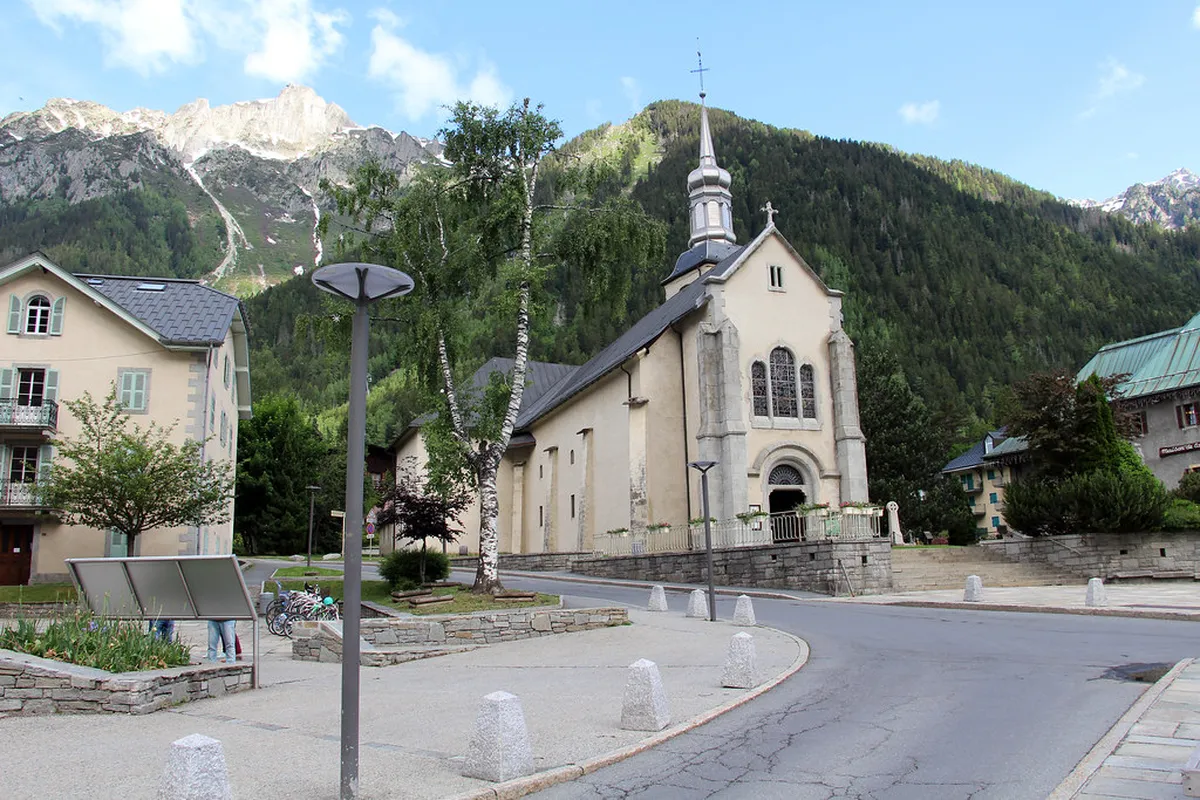
The Saint-Michel church serves as the spiritual heart of Chamonix's town center. This building was reconstructed in 1709 after a fire destroyed the previous structure. Its exterior features a striking bulbous bell tower that catches the morning sun. You can easily find it near the main town square and local town hall.
The interior provides a stark contrast to the simple and rugged stone facade outside. Gilded altarpieces and intricate carvings fill the space with a warm, golden glow. You should look closely at the twisted columns and colorful statues of saints. The Saint-Michel church Chamonix architecture highlights the wealth and devotion of local mountain communities.
Large windows allow natural light to illuminate the vaulted ceiling and painted murals. These artworks tell stories of faith and survival in a harsh mountain environment. The church remains an active place of worship for the local community today. It is open to visitors daily from 9:00 AM until 6:00 PM for quiet reflection.
Visiting during the late afternoon offers the most dramatic lighting for your photographs. The sun hits the golden decorations and creates a truly magical atmosphere inside. Entrance is free, but modest donations help with the ongoing maintenance of the building. Please remember to maintain a respectful silence while exploring this historic religious site.
Exploring the Saint-Pierre Church in Argentiere
Travel a few kilometers up the valley to discover the charming village of Argentiere. The Saint-Pierre church stands as a testament to the village's long history and resilience. This structure was completed in the 18th century and features a classic mountain design. It serves as a focal point for the small, traditional community living nearby.
The interior houses one of the most impressive Baroque altarpieces in the entire region. Master carvers used local wood to create a complex and detailed central display. Bright colors and gold leaf make the altar stand out against the white walls. You can learn more about the Argentiere church interior design during your visit to the village.
The church organ is another highlight that attracts music lovers from around the world. Regular concerts take place here during the summer months and festive winter seasons. Acoustic qualities in the stone building enhance the sound of the historical instrument. Check local notice boards for performance times when you arrive in the village.
Walking through the church graveyard provides another layer of local history and heritage. Many famous mountain guides and pioneers find their final resting place in this quiet spot. The views of the surrounding glaciers from the church gates are absolutely spectacular. It is a perfect place to combine history with the natural beauty of the Alps.
The Baroque Trail of the Mont Blanc Valley
The Chamonix Baroque churches are part of a larger regional cultural network. The Sentier du Baroque connects several historic churches and chapels throughout the surrounding valleys. This trail allows travelers to experience the artistic movement in its original context. You can hike sections of the trail or drive between the main sites.
Each stop on the trail reveals a different aspect of Savoyard religious art. Small rural chapels often feature surprisingly detailed frescoes and ornate wooden ceilings. These locations offer a more intimate look at the daily lives of mountain residents. Following the Baroque trail Mont Blanc valley is a rewarding way to spend a day.
Information boards along the path explain the symbolism used in the various artworks. You will learn why certain colors and figures appear frequently in alpine churches. The trail is well-marked and suitable for families with older children or active adults. Most sections of the path remain accessible from late spring until early autumn.
Planning a full day for the trail ensures you have enough time for each site. Many visitors choose to stop for lunch in traditional mountain restaurants along the way. These local eateries often serve hearty dishes like fondue or regional cured meats. This combination of culture and cuisine makes for a memorable French holiday experience.
Savoyard Vernacular Meets Baroque Art
Mountain builders had to adapt artistic styles to the harsh alpine climate. They used thick stone walls and heavy timber roofs to withstand deep winter snow. This structural necessity created a unique style known as Savoyard vernacular architecture. The Savoyard vernacular architecture provides the perfect shell for Baroque interiors.
Inside, the Baroque style aimed to inspire awe and religious devotion through beauty. Gold, movement, and dramatic lighting are key elements found in these mountain churches. Artists wanted to provide a glimpse of heaven to the local peasant population. The contrast between the rugged outside and the ornate inside is truly powerful.
Local materials like larch and stone were used alongside expensive imported gold leaf. This mix of local and luxury materials reflects the global connections of the valley. Traders traveling through the mountain passes brought new ideas and artistic influences. Chamonix was never isolated from the major cultural trends of Europe.
You can see this blend of styles in the doors and window frames. Craftsmen added decorative flourishes to even the most functional parts of the buildings. These details prove that aesthetics were important even in the most remote locations. Take your time to notice the small carvings on the wooden pews and railings.
Practical Tips for Your 2025 Visit
Visiting the churches in Chamonix requires some basic preparation and planning. Most churches are free to enter but remain closed during religious services. Check the local parish website for mass times before you depart for the day. You should always dress modestly and cover your shoulders when entering sacred spaces.
A Chamonix architecture walking tour can help you find hidden chapels and buildings. These guided walks provide expert insight into the history of each specific site. You will learn about the architects and artists who shaped the valley's look. Tours typically last two hours and cost approximately 15 to 20 Euros per person.
Public buses and trains connect Chamonix to Argentiere and other nearby villages regularly. The Chamonix Mobilité app provides real-time schedules for all local transport options in 2025. Using public transport is more sustainable and avoids the stress of mountain parking. Most church locations are within a short walk from the nearest transport stop.
Photographers should bring a tripod for low-light shots inside the dark church interiors. However, you must ask for permission before using a flash or tripod inside. Some churches may restrict photography during times of prayer or special religious events. Always look for signage near the entrance regarding specific photography rules and regulations.
Frequently Asked Questions
Are Chamonix Baroque churches free to visit?
Yes, most Baroque churches in the Chamonix valley are free to enter. They rely on visitor donations to pay for maintenance and lighting costs. You can find small donation boxes near the entrance of each building. Please contribute if you enjoy the art and architecture during your visit.
What is the best time of day to see the churches?
Late morning or mid-afternoon offers the best lighting for seeing the golden altars. The sunlight streams through the windows and makes the gold leaf sparkle brightly. You should avoid visiting during lunch hours as some smaller chapels might close briefly. Check the local parish schedule to avoid conflicting with daily mass services.
Are guided tours available for the religious heritage sites?
The Chamonix Tourist Office organizes guided heritage walks throughout the summer and winter seasons. These tours focus on the history and art of the local Baroque churches. Professional guides share fascinating stories about the local craftsmen and their traditional techniques. You can book these tours online or at the visitor center.
The Chamonix Baroque churches offer a unique look into the artistic heart of the Alps. These golden treasures provide a peaceful contrast to the high-adrenaline activities found outdoors. Plan your 2025 visit to include these stunning historical and religious landmarks. For more information on local tours, consider booking a Chamonix architecture walking tour today.
Key Takeaways
- Saint-Michel church features a 1709 bulbous bell tower and gilded altarpiece.
- Argentiere's Saint-Pierre church houses some of the finest wood carvings in Savoy.
- The Sentier du Baroque connects multiple historic chapels across the Mont Blanc valley.
- Entrance to these churches is generally free, but donations are highly encouraged.
- Always respect local customs by dressing modestly and maintaining silence inside churches.