
Saint Michel Church Chamonix Architecture: 2025 Guide
Explore the Saint Michel church Chamonix architecture in 2025. Discover Baroque art and history in the heart of France. Plan your visit to this monument today!
On this page
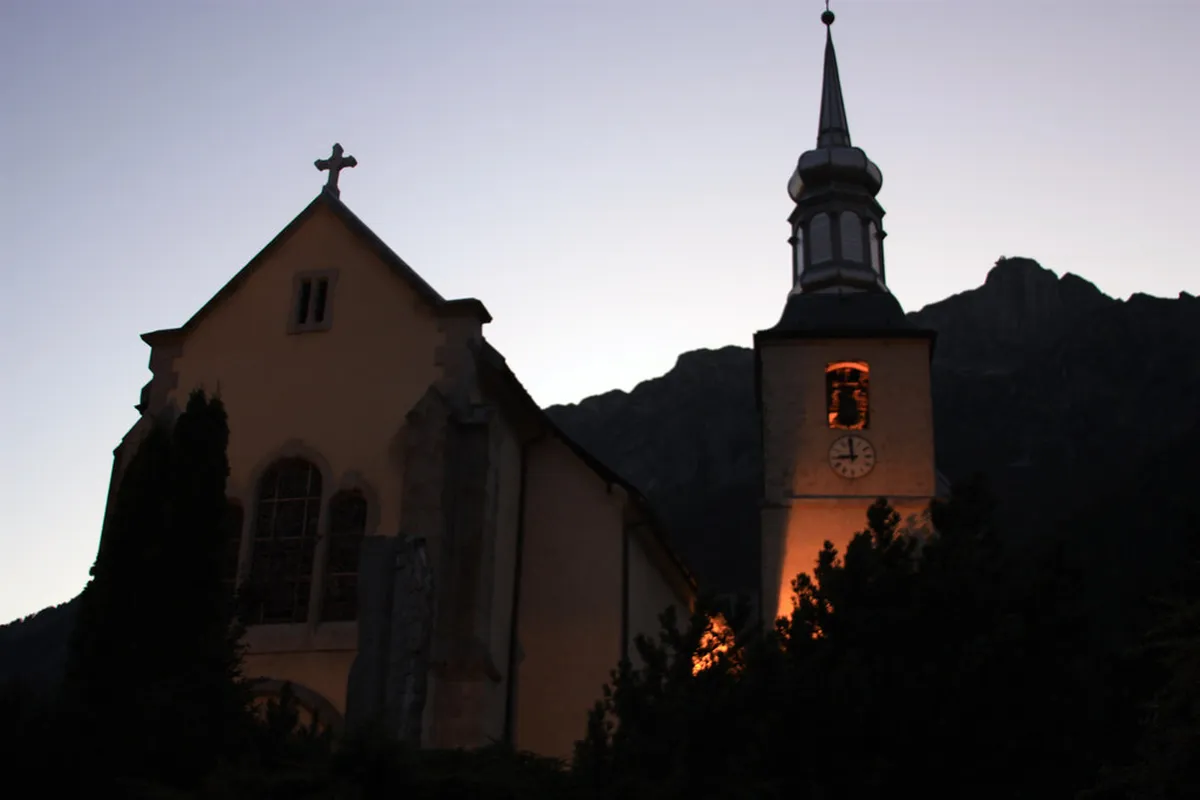
Welcome to Chamonix, France, where history meets the majestic mountains in a very beautiful way. The Saint Michel church Chamonix architecture stands as a truly stunning centerpiece of this town. This building reflects the rich heritage of the Savoy region perfectly for every modern visitor. Visitors often admire the striking spire against the beautiful Mont Blanc backdrop every single day.
Constructed in the early eighteenth century, it remains a religious icon for the entire valley. You will find incredible artistic details throughout the exterior and the ornate interior sections today. This monument serves as a key stop for every cultural traveler visiting the French Alps. Let us dive into the fascinating world of Chamonix Baroque churches to learn more.
History of Saint Michel Church Chamonix Architecture
The original structure of this holy mountain site dates back to the twelfth century period. However, a devastating fire destroyed much of the early medieval building during later years. Reconstruction efforts began in 1707 to create the stunning church building we see here today. The local community funded this massive project through generous donations and very much hard work.
Architects chose the Baroque style to inspire deep awe and religious devotion among parishioners. This artistic movement flourished across the French Alps during the entire late seventeenth century. The finished stone temple finally opened its doors to the public in the year 1714. It has survived many centuries of harsh mountain winters and intense alpine winter storms.
Prior to the reconstruction, Chamonix was a small and very isolated mountain village settlement. The arrival of Baroque style marked a significant change in the local cultural landscape. Wealthy residents and travelers contributed to the decorative elements found within the main sanctuary. This period of growth allowed for the creation of more sophisticated religious structures nearby.
In 2025, the church still holds daily religious services for the local Chamonix residents. Careful renovations have preserved the structural integrity of the massive granite stone walls perfectly. You can feel the heavy weight of history inside this quiet and peaceful sanctuary. It remains a strong testament to the incredible endurance of the local Savoyard mountain people.
Baroque Design Elements of Saint Michel
The exterior features a majestic bulb-shaped steeple covered in bright and very shiny tin. This classic alpine design helps shed heavy snow during the cold winter months effectively. You will notice the sharp contrast between the grey stone and the metallic tower. The facade remains relatively sober compared to the very ornate and gold interior sections.
Baroque architecture emphasizes light and space to create a sense of high mountain drama. The tall windows allow natural sunlight to illuminate the golden altars throughout the day. You should observe the perfect symmetry of the entrance and the two side doors. These features define the Saint Michel church Chamonix architecture style for modern visitors today.
Thick stone walls provide excellent insulation against the freezing cold and biting mountain air. Skilled builders used local granite and lime to construct the main frame of this building. The high arched ceiling creates impressive acoustics for choral music performances and Sunday services. Every corner reveals a unique blend of mountain utility and sophisticated artistic religious expression.
The church entrance is framed by simple stone carvings that welcome visitors and pilgrims alike. Many tourists pause here to photograph the building against the snowy peaks of Mont Blanc. This visual harmony between man-made structures and nature is a hallmark of Chamonix design. Explore the architecture in Chamonix to see how these styles evolved over several centuries.
Interior Art and Religious Symbolism
The main altarpiece serves as the primary focal point of the entire interior space. Expertly carved wood and gold leaf create a truly dazzling display of religious wealth. You can see statues representing Saint Michel and other important religious figures from history. These artworks date back to the early eighteenth-century decorative period of the French Alps.
Talented artists painted the ceilings with vibrant scenes taken from the holy Christian bible. Each fresco tells a story designed to educate the local congregation about their faith. The colors remain surprisingly bright thanks to careful restoration efforts performed very recently. Look closely at the delicate patterns painted around the central nave and the choir.
Side chapels offer a much more intimate space for quiet prayer and personal reflection. These small alcoves feature unique paintings and smaller wooden carvings for visitors to admire. Many of these pieces were donated by wealthy families living in the valley long ago. They add layers of personal history to the broader Saint Michel church Chamonix architecture story.
- The golden main altarpiece showcases the height of regional Baroque artistic talent.
- Hand-painted ceiling frescoes depict complex religious scenes with incredible color and detail.
- Decorative wooden pulpits feature intricate carvings created by the local mountain craftsmen long ago.
- Historic side chapels provide dedicated spaces for the patron saints of the Chamonix valley.
Structural Materials and Alpine Engineering
Building a large stone church in a mountain environment required significant engineering and planning. Masons had to source durable materials that could withstand extreme temperature changes and frost. The use of local granite ensured the building would last for many future generations. Lime mortar was mixed carefully to provide flexibility within the thick stone wall structures.
The tin roof was a luxury choice that served a very practical alpine purpose. Metal surfaces allow heavy snow to slide off quickly before it can cause damage. This prevented the wooden roof beams from collapsing under the weight of winter storms. The shimmering metal also made the church visible from far across the mountain valley.
Interior pillars were designed to support the heavy vaulted ceiling without blocking the view. Architects balanced the weight of the stone using traditional techniques from the Baroque era. This allowed for a large open space that could hold hundreds of people comfortably. The foundation was dug deep into the rocky soil to prevent shifting over the years.
Ventilation was another key concern for builders working in the humid and cold valley. Small openings allow air to circulate and keep the interior wood from rotting away. These small engineering details contribute to the longevity of Saint Michel church Chamonix architecture. Modern engineers still study these historic methods when planning new mountain construction projects today.
Visiting Saint Michel Church in 2025
Saint Michel sits right in the heart of the busy Chamonix town center area. You can visit this beautiful church for free throughout the entire year in 2025. It is usually open daily from early morning until the sun sets in the evening. Please remember to maintain a respectful silence while local people are praying inside.
The church is located at the Place de l'Eglise in the Chamonix-Mont-Blanc commune. You can reach the site easily by walking from the main train station nearby. Several local buses stop just a few minutes away from the main wooden entrance. It is the perfect starting point for a chamonix architecture walking tour today.
Check the local schedule for evening organ concerts during the busy summer tourist months. These musical events showcase the incredible acoustics of the historic stone and wood building. Photography is allowed inside but please avoid using your flash during any religious services. Take your time to explore the peaceful cemetery located just outside the church walls.
Guided tours are sometimes available for those who want to learn more specific details. The tourist office provides maps that highlight the most important features of the monument. Wear comfortable shoes as the surrounding streets are paved with traditional and bumpy cobblestones. Visiting this church is a highlight for anyone interested in the history of Chamonix.
Frequently Asked Questions
What is the primary style of the Saint Michel church Chamonix architecture?
The building features a classic Baroque style which was popular in the Savoy region. This style is known for its ornate interior and very dramatic use of light.
When was the current Saint Michel church building constructed in Chamonix?
The current structure was built between 1707 and 1714 after an earlier fire had occurred. It replaced a medieval building that had served the community for many hundreds of years.
Are there entry fees to visit the Saint Michel church in 2025?
Entrance to the church is free for all visitors throughout the entire year 2025. The church relies on small donations from visitors to help with the maintenance costs.
Can I take photos inside the Saint Michel church during my visit?
Yes, photography is allowed as long as you do not use a bright flash. Please be respectful of worshippers and avoid taking photos during the scheduled mass times.
The Saint Michel church Chamonix architecture is a true cultural treasure of the Alps. This site offers a peaceful retreat from the busy ski slopes and mountain trails. You will gain a deeper understanding of the local Savoyard history and religious traditions. Plan your visit to this Baroque masterpiece during your next 2025 Chamonix mountain trip.
Key Takeaways
- Admission to the church is free for all visitors throughout 2025.
- The interior features stunning Baroque altarpieces and golden decorative wood carvings.
- The bulb-shaped steeple is a classic example of alpine architectural engineering solutions.
- Located in the town center, it is easily accessible by foot or bus.
Related reads: architecturebycity.com, baroque trail mont blanc valley, argentiere church interior design.