
Cathédrale Saint-Michel Architecture in Carcassonne
Discover the stunning Cathédrale Saint-Michel architecture in Carcassonne. Learn about Gothic designs and history in 2025. Plan your visit to this site today!
On this page
The Cathédrale Saint-Michel architecture serves as a primary example of Languedoc Gothic style in southern France today. This historic building sits in the heart of the Bastide Saint-Louis area. It represents a significant era of religious growth and urban planning in Carcassonne. Visitors often admire the structure for its austere yet powerful presence in the city.
King Saint Louis ordered the construction of this church in the mid-13th century. It was originally built to serve the residents of the new town. The building showcases the unique transition between different Gothic and Romanesque churches in Carcassonne. You will find that the design reflects the historical needs of the local community.
Today, the cathedral remains a vital part of the spiritual and architectural landscape of France. Its walls tell stories of fires, wars, and extensive restoration efforts. Architecture enthusiasts will appreciate the clean lines and massive proportions of the site. This guide explores the fine details that make this building a local treasure.
Origins of Cathédrale Saint-Michel
The church began as a simple parish building around the year 1247. It was designed to replace an older structure destroyed during the 1240 siege. The new location within the Bastide Saint-Louis urban planning grid was essential. This placement helped the town grow in an organized and defensible manner.
Building progress was slow due to various regional conflicts and funding issues. It took several decades for the main structure to take its final shape. The architecture reflects the humble beginnings of a town church rather than a grand cathedral. It only received cathedral status in 1803 following the French Revolution.
Local materials were used to construct the thick stone walls of the nave. Sandstone from nearby quarries provided a warm and durable building substance. These heavy stones helped the building withstand the test of time and weather. Many of the original 13th-century stones are still visible in the lower sections today.
The early design followed the Southern Gothic tradition prevalent in the Languedoc region. This style prioritized wide spaces and minimal decoration compared to Northern Gothic. It focused on creating a large area for the congregation to gather. You can still feel the vastness of the space when you enter.
Gothic Elements of Cathédrale Saint-Michel Architecture
The Cathédrale Saint-Michel architecture features a massive octagonal bell tower on its side. This tower was built during the 14th century for both religious and defensive purposes. It reaches high above the city roofs to provide a clear view of the surrounding plains. The sturdy base of the tower shows the defensive nature of the time.
Large rose windows decorate the facade and the transept of the cathedral. These windows feature intricate stone tracery that holds colorful glass panels. They allow soft light to flood the interior during the morning and afternoon. The geometry of the stone circles reflects the mathematical precision of medieval builders.
Exterior buttresses support the high walls of the single wide nave. These supports are visible from the narrow streets surrounding the building. They provide the necessary strength to hold the weight of the stone vaulted ceiling. Without these structures, the wide interior space would not be possible to maintain.
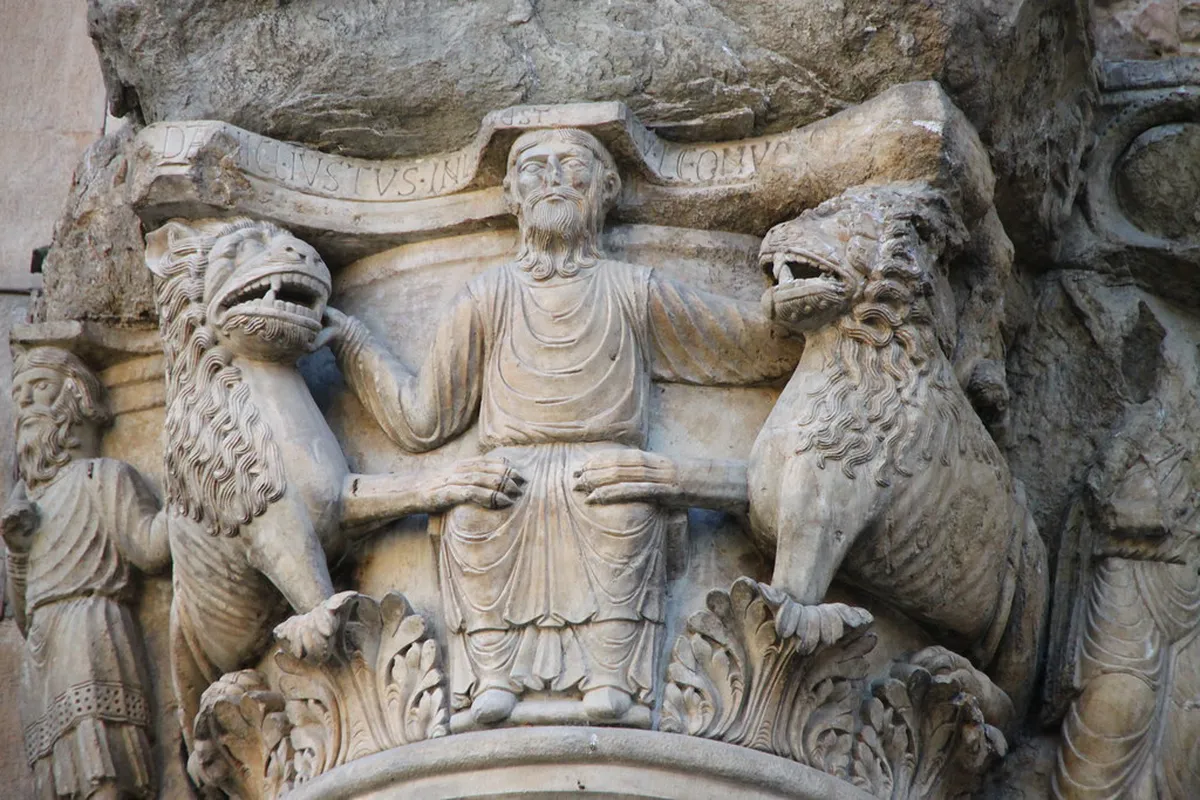
Gargoyles and stone carvings decorate the roofline and drainage systems. These figures served to direct rainwater away from the foundation of the church. They also acted as symbolic guardians against evil forces in medieval folklore. Each carving shows the unique skill of the stonemasons from that era.
The main portal features multiple recessed arches that draw the eye inward. It is a classic example of Gothic entrance design in southern France. While less ornate than some northern cathedrals, it possesses a quiet and dignified beauty. Visitors should pause to look at the fine details in the door frames.
Exploring the Single Nave Interior
The interior of the cathedral features a single, exceptionally wide nave. This design is a hallmark of the Southern Gothic style in Carcassonne. It allows for an unobstructed view of the high altar from any seat. The lack of side aisles creates a sense of unity within the space.
Pointed arches span the ceiling to support the heavy ribbed vaults. These vaults distribute the weight of the roof down to the external buttresses. The height of the ceiling reaches approximately 20 meters from the floor. This verticality was intended to draw the minds of worshippers toward the heavens.
Side chapels line the walls between the internal buttresses for private prayer. Each chapel contains unique religious art and historical plaques from different centuries. Some chapels feature original 14th-century murals that have survived many restorations. These small spaces offer a quiet contrast to the vast main hall.
The choir area at the front contains beautifully carved wooden stalls. These seats were used by the clergy during daily prayers and formal services. High above the altar, stained glass windows depict scenes from the life of Saint Michael. The colors change throughout the day as the sun moves across the sky.
The Influence of Viollet-le-Duc
A massive fire in 1849 caused significant damage to the cathedral structure. The roof and many interior decorations were lost during this tragic event. The community looked to the famous architect Viollet-le-Duc for his restoration expertise. He began the extensive work of rebuilding the cathedral in 1857.
The restoration aimed to return the building to its medieval glory. Viollet-le-Duc added his own interpretations of Gothic style to the project. He focused on strengthening the vaults and redesigning the stained glass windows. His work ensured that the cathedral would remain stable for future generations.
Some critics argue that his restorations were too modern for the original building. However, most experts agree that he saved the cathedral from total ruin. He used iron reinforcements hidden within the stone to provide extra durability. This blend of medieval design and 19th-century engineering is quite unique.
The current appearance of the choir and high altar reflects his artistic vision. He chose patterns and colors that he believed were authentic to the 13th century. You can see his signature style in the vibrant wall paintings and tile work. These additions have now become a part of the building's long history.
Practical Tips for Visiting in 2025
Cathédrale Saint-Michel is located on Rue Voltaire in the lower city of Carcassonne. It is easily accessible on foot from the main town square. Visiting the cathedral is free of charge for all guests in 2025. This makes it an excellent budget-friendly stop during your architectural tour.
The cathedral is typically open from 9:00 AM to 12:00 PM every day. It opens again in the afternoon from 2:00 PM until 6:00 PM. Please note that services may limit access for tourists during certain hours. Sunday mornings are reserved for mass and are not ideal for photography.
Wear comfortable walking shoes when exploring the Bastide Saint-Louis area. The streets are paved with historic stones that can be uneven in places. Photography is allowed inside as long as you do not use a flash. Respectful silence is required while people are praying or attending services.
Guided tours are sometimes available during the peak summer months of 2025. You should check with the local tourism office for the current schedule. Expect to spend about 45 minutes to an hour inside the building. This gives you enough time to see the chapels and the organ.
Frequently Asked Questions
What is the primary architectural style of Cathédrale Saint-Michel?
The building is a prime example of Southern Gothic architecture from the Languedoc region. It features a wide single nave and massive external buttresses. This style is simpler and more robust than the Gothic styles of Northern France.
When was Cathédrale Saint-Michel built in Carcassonne?
Construction began in 1247 under the orders of King Saint Louis. Most of the structure was completed during the late 13th and 14th centuries. Major restorations occurred in the mid-19th century following a fire.
Is there an entry fee to visit the cathedral in 2025?
There is no entry fee for visitors wishing to see the cathedral interior. It is a free public site for both worship and historical tourism. Donations are often welcome to help with the ongoing maintenance of the building.
How long does a visit to Cathédrale Saint-Michel take?
Most visitors spend between 45 and 60 minutes exploring the cathedral. This allows time to view the stained glass, the side chapels, and the altar. You may want extra time if you are interested in detailed architectural photography.
The Cathédrale Saint-Michel architecture remains a powerful symbol of the resilience of Carcassonne. Its blend of 13th-century bones and 19th-century restoration offers a unique perspective on French history. You should definitely include this site in your travel plans for 2025. Experience the quiet beauty and grand scale of this Southern Gothic masterpiece during your next visit.
Key Takeaways
- Experience the unique wide-nave design of Southern Gothic architecture.
- See the direct influence of architect Viollet-le-Duc on the 19th-century restoration.
- Visit the cathedral for free in the heart of the Bastide Saint-Louis.
- Admire the 14th-century octagonal bell tower that dominates the city skyline.
Related reads: architecturebycity.com, architecture in carcassonne, basilique saint nazaire stained glass architecture.