
Discover Stunning Roman Architecture in Arles
Explore ancient Roman architecture in Arles. See the Arena and Theatre in 2025 with this expert guide. Plan your historic trip to France today!
On this page
Arles stands as a beautiful gateway to the ancient world for every curious traveler visiting France today. Visitors will find the most impressive Roman architecture in Arles throughout the historic city center in 2025. These incredible ruins reflect the immense power of the Roman Empire within the province of Gaul. You will discover several UNESCO World Heritage sites that remain in excellent condition for modern guests to enjoy.
This city was once a vital hub for trade and military power across the Mediterranean region. The master builders of antiquity left a permanent mark on the local landscape using limestone and marble. You can walk through the same arches that gladiators and senators used two thousand years ago. This guide provides all the practical details you need to plan a perfect architectural tour this year.
The Grand Arles Amphitheatre
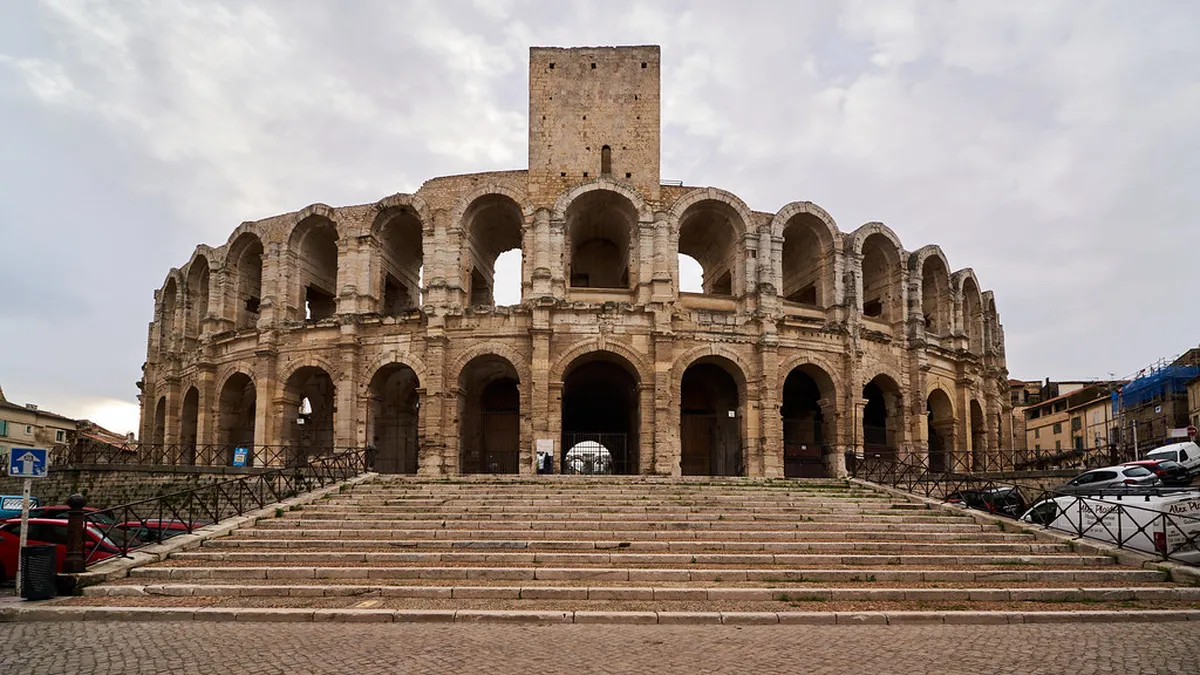
The massive Roman Amphitheatre remains the most iconic landmark found in the city of Arles today. This impressive structure dates back to the very end of the first century AD during the Flavian dynasty. Ancient Roman architects designed this massive structure to hold over twenty thousand eager spectators for public games. Its double-tiered arches showcase incredible engineering skills that have survived centuries of use and local weather.
Visitors can still see the original stone stairways that once led to the various seating sections. The outer facade features classic Doric and Corinthian styles that were very popular during the Imperial period. This venue hosted chariot races and intense gladiator battles for the entertainment of the local population. Today, the arena serves as a central hub for cultural festivals and traditional Provencal bullfighting events.
Take time to study the Arles amphitheatre structural design during your visit to appreciate the technical skill involved. The massive limestone blocks fit together with amazing precision without the need for modern mortar or glue. Modern preservation efforts keep the structure safe for all guests who wish to explore the upper levels. Entry prices for adults usually range from nine to eleven euros depending on the current season.
Climb to the top of the medieval towers for a panoramic view of the entire city. You can see the winding Rhône River and the terracotta rooftops from this unique vantage point. The towers were added during the Middle Ages when the arena was used as a fortified village. They offer a unique contrast to the original Roman base and show the long history of the site.
The amphitheatre is open every day of the week starting from nine in the morning. Arrive early to avoid the largest tour groups that often arrive during the middle of the day. Wear sturdy walking shoes because the ancient stone floors can be quite slippery and uneven in places. It remains the best place to start your journey into the Roman history of this region.
The Ancient Roman Theatre of Arles
The Roman Theatre stands just a short walk away from the grand Arena in the historic district. It was built during the reign of Emperor Augustus during the late first century before the common era. Only two original marble columns remain standing today among the ruins of the massive stage wall. Locals affectionately call these remaining white pillars "The Two Widows" because they stand alone in the site.
The semi-circular seating once accommodated ten thousand people during the golden age of the Roman Empire. You can explore the Roman Theatre Arles architectural features throughout the grassy site during your tour. The stage area once featured a massive back wall that was decorated with many beautiful statues. This wall served to project sound across the audience during the grand theatrical performances of the past.
Most of the original stone was sadly repurposed for other buildings during the medieval centuries. Builders used the blocks to create city walls and several local churches throughout the Arles area. Despite this loss, the site maintains a very peaceful and majestic atmosphere for all who enter. It is a perfect spot for photography during the golden hour just before the sun sets.
Exciting performance events still take place here during the warm summer months of July and August. The acoustics remain surprisingly clear after two thousand years of history and significant structural changes. Tickets for these shows vary depending on the specific event and the popularity of the performers. Arrive early to secure the best viewing spots on the ancient stone benches near the front.
The theater is included in the city heritage pass which saves money for many active travelers. Expect to spend at least one hour walking through the different levels of the seating area. There are many informative signs placed around the site to explain the history of the ruins. It offers a quieter experience compared to the busy atmosphere of the nearby amphitheatre.
The Secret Underground Cryptoporticus
Below the modern city streets lies a hidden architectural marvel that many tourists often overlook. The Cryptoporticus consists of three large U-shaped underground galleries that were built in the first century. Romans built these massive tunnels to support the weight of the grand public Forum located above. They also provided a cool and dry storage space for valuable goods and important trade items.
Walking through these dark tunnels feels like stepping back into the ancient history of the city. The temperature remains very cool even during the hottest French summers in the middle of July. You can learn more about the Cryptoporticus Arles engineering and history while exploring the damp corridors. These underground galleries provided a very stable foundation for the massive public square located directly above them.
The Forum was once the busy heart of public life for every Roman citizen living in Arles. It served as a marketplace for local farmers and a central meeting point for political leaders. Today, only small fragments of the original Forum remain visible to the public on the surface. Most of the structure lies deep beneath the modern buildings of the beautiful Place du Forum.
You can access these tunnels through the historic Town Hall building located in the city center. Tours are available for a small fee of approximately five euros for most adult visitors. The dim lighting adds to the mysterious atmosphere as you walk through the ancient stone hallways. Wear comfortable shoes as the stone floors are often uneven and can be quite damp.
The vaulting techniques used here demonstrate the high levels of skill possessed by ancient Roman engineers. Each arch was carefully constructed to distribute the weight of the massive stone buildings above. This site is rarely crowded and offers a great escape from the busy sunlit streets. It provides a unique look at the functional side of Roman urban planning and design.
The Alyscamps Roman Necropolis
The Alyscamps is known as one of the most famous Roman cemeteries in the entire world. It served as a primary burial ground for many centuries during the Roman and medieval periods. A long row of simple stone sarcophagi lines the shaded walkway under the tall poplar trees. This hauntingly beautiful site inspired famous painters like Vincent van Gogh and Paul Gauguin during their stay.
The Alyscamps architecture includes several small chapels that were built along the funeral route over time. St. Honorat Church stands at the very end of the long path as a final monument. It features a unique blend of ancient Roman foundations and later Romanesque building styles. The octagonal lantern tower is a major highlight for architecture lovers visiting the site in 2025.
Ancient Roman elites preferred to be buried near the city gates to show their status. This created a prestigious "city of the dead" just outside the main walls of Arles. Many of the original ornate tombs were moved to local museums for better protection from weather. However, the spiritual atmosphere of the original site remains truly unique for every visitor today.
The site is open daily from nine in the morning until six in the evening. Admission costs approximately five euros for most adult visitors who do not have a pass. It offers a quiet escape from the busier tourist areas found in the city center. Autumn visits provide beautiful colors from the surrounding trees as the leaves begin to change.
Take a slow walk down the main alley to fully appreciate the scale of this cemetery. You can see the evolution of burial traditions by looking at the different tomb designs. Some sarcophagi feature simple inscriptions while others show the remains of detailed stone carvings. It is a place for quiet reflection on the long history of human life in Arles.
The Thermal Baths of Constantine
The Baths of Constantine show the incredible luxury and social importance of Roman public life. These grand public baths were built in the early fourth century AD for the local population. Only the northern section of the original complex remains standing for visitors to see today. You can still admire the impressive semi-circular apse that once held a large heated pool.
Romans used a very complex system called a hypocaust for heating the different bath rooms. Hot air from furnaces circulated under the floors to warm the stones for the bathers. The site includes remains of the tepidarium, the caldarium, and a large cold frigidarium. These different zones offered various temperatures to complete the traditional Roman bathing rituals every day.
The brickwork used in these baths is still visible to the naked eye after many centuries. Layers of flat Roman bricks alternate with thick mortar to provide incredible stability for the walls. This construction style helped the large structures survive earthquakes and the passage of much time. Visitors can view the ancient drainage systems and small ventilation holes used for steam.
Look for the signs pointing toward the river to find this historic site near the water. The baths are located very close to the scenic Rhône embankment in the northern city district. Admission is usually included in the standard heritage passes sold at the local tourist office. Expect to spend about forty-five minutes exploring the different rooms and reading the signs.
The scale of the remaining walls helps you imagine the original size of the entire complex. Public bathing was a social event where citizens discussed politics and local news with their friends. You can see the remains of the marble lining that once covered the brick walls. It is a fascinating look at the daily habits of people living in Roman Arles.
Treasures of the Arles Antique Museum
No study of Roman architecture in Arles is truly complete without visiting this modern museum. The building itself is a modern architectural masterpiece designed by the famous architect Henri Ciriani. It houses the most important Roman finds discovered in the region over the last century. The collection includes giant statues, colorful mosaics, and many everyday objects used by Roman citizens.
The star attraction of the museum is a giant Roman wooden barge found recently. Divers discovered this flat-bottomed boat in the mud of the Rhône River a few years ago. It is perfectly preserved and displayed in a dedicated wing of the bright blue building. You can see the Musée de l'Arles Antique architecture through its massive glass walls and open spaces.
Detailed scale models show exactly how the city of Arles looked during the Roman era. These replicas help visitors visualize the original scale and layout of the ancient monuments. You can compare these models to the actual ruins you have seen throughout the city. The museum provides excellent historical context for your entire walking tour of the historic district.
The museum is open every day of the week except for Tuesdays throughout the year. General admission is around eight euros for most adults who visit during the day. It is located about a fifteen-minute walk from the center of the historic town. A free shuttle bus also serves this location regularly from the main train station.
Be sure to visit the mosaic gallery to see the intricate floor designs from Roman villas. These artworks show scenes from mythology and daily life with incredible detail and color. The museum also features a beautiful garden filled with ancient stone fragments and statues. It is the perfect place to finish your exploration of Roman history in Provence.
Frequently Asked Questions
What is the best way to see all the Roman sites in Arles?
The best way to see the sites is by purchasing a city heritage pass. This pass allows entry to the Arena, Theatre, and several other local museums. You can easily walk between all the major Roman monuments in the city center. Most sites are located within a ten-minute walk of each other.
Are the Roman ruins in Arles listed as UNESCO sites?
Yes, the Roman and Romanesque monuments of Arles are UNESCO World Heritage sites. They received this prestigious status in 1981 due to their historical importance. The collection includes the Amphitheatre, the Theatre, and the Alyscamps cemetery. These sites are protected to ensure they remain safe for future generations.
How much time do I need to visit the Roman Arena?
Most visitors spend about one hour exploring the different levels of the Roman Arena. This gives you enough time to climb the towers and take many photos. If you enjoy reading every information sign, you might need ninety minutes. Arrive early in the morning to enjoy the site without large crowds.
Can I see the Roman architecture in Arles in one day?
You can see all the major Roman ruins in Arles during a single day. Start your morning at the Arena and the Theatre before the heat increases. Visit the underground Cryptoporticus and the Museum in the afternoon to stay cool. Finish your day with a peaceful walk through the Alyscamps cemetery at sunset.
Arles offers an unparalleled look at the grandeur of the ancient world through its stone monuments. From the towering Arena to the quiet Alyscamps, every site tells a unique story. Plan your visit in 2025 to experience these wonders of Roman architecture in Arles in person. Book your heritage pass today and start your journey through the history of France.
Key Takeaways
- Purchase a heritage pass to save money on multiple site entries.
- Wear comfortable walking shoes for the uneven ancient stone surfaces.
- Visit the Arles Antique Museum to see the famous Roman river barge.
- Climb the Arena towers for the best panoramic views of the city.
- Explore the Cryptoporticus for a unique look at Roman underground engineering.
Related reads: architecturebycity.com, architecture in arles, luma arles architecture.