
Luma Arles Architecture: A Frank Gehry Gem
Explore Luma Arles architecture by Frank Gehry. Discover innovative designs and eco-friendly materials in Arles. Plan your visit to this art center today!
On this page
The Luma Arles architecture brings a fresh perspective to the historic skyline of southern France. This cultural center occupies a massive site that once served the entire national railway system. Visitors can see the shimmering metal tower from many points across the whole city center. It represents a bold step forward for the local arts and the modern architecture community.
Established in 2013, the Luma Foundation creates a space for artists to produce new works. The campus features several renovated industrial buildings alongside the brand new metallic tower structure. You can enjoy a diverse range of exhibitions throughout this expansive and creative urban park. Learning about architecture in Arles helps visitors appreciate the blend of old and new.
The Vision Behind the Gehry Tower
The main tower stands as the most recognizable feature of the entire Luma Arles site. Architect Frank Gehry designed this vertical structure to mirror the rocky cliffs of the region. Its twisting facade creates a sense of movement that changes with the moving sunlight above. The building serves as a modern landmark for the ancient city of Arles in 2025.
Gehry used a concrete core to support the complex geometry of the exterior metal panels. The base of the tower features a large glass drum called The Drum structure. This circular space provides a grand entrance and hosts various artistic events throughout the year. Sunlight pours through the glass to illuminate the interior spaces with natural and warm light.
The tower includes research facilities and workshop spaces for visiting scholars and creative artists. Each floor offers unique views of the surrounding landscape and the famous Roman ruins nearby. This design encourages collaboration between different artistic disciplines within the modern and open spaces. The interior layouts remain flexible to accommodate changing needs of the foundation and its staff.
Elevators transport guests to the upper terrace for a panoramic view of the whole city. From the top, you can see the Rhone River winding through the beautiful French countryside. This perspective allows visitors to understand how the tower sits within the larger urban fabric. The tower acts as a vertical bridge between the past and the future of Arles.
Innovative Use of Stainless Steel
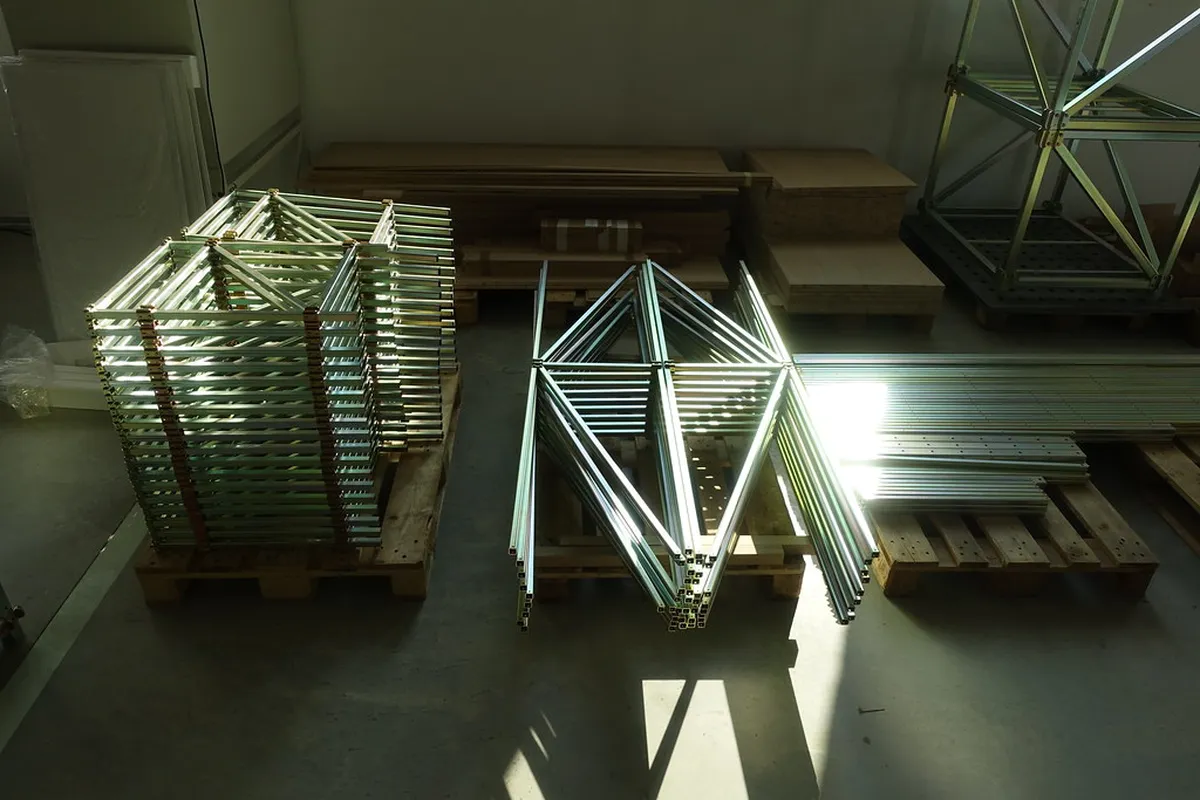
The exterior of the tower features eleven thousand individual panels made of high-quality stainless steel. These panels were carefully placed to create a texture that looks like shimmering water surfaces. The material reflects the colors of the Provençal sky during different times of the day. Specialists spent months calculating the exact placement of every single piece on the complex facade.
Each panel has a unique shape to fit the twisting curves of the main building. This meticulous engineering ensures the tower withstands the strong Mistral winds common in this region. The steel surface resists corrosion and maintains its luster despite the varied Mediterranean weather conditions. You can learn more about Frank Gehry Arles tower materials to understand the technical details.
Large glass windows are integrated into the steel skin to provide plenty of natural light. These glass boxes jut out from the tower like geometric crystals emerging from the rock. They offer secluded spots for visitors to sit and reflect on the art and architecture. The contrast between the hard steel and clear glass creates a dynamic and modern aesthetic.
Reflection is a key theme in the design of the Luma Arles architecture and tower. The building changes its appearance based on the weather and the angle of the sun. On cloudy days, the steel takes on a soft grey tone that matches the sky. During sunset, the tower glows with golden and orange hues reflecting off the metal panels.
Transforming the Parc des Ateliers
The site was once a bustling center for the repair and maintenance of French trains. Several large industrial buildings from the nineteenth century have been carefully preserved and updated now. Annabelle Selldorf led the renovation of these historic structures to create world-class gallery spaces. The Parc des Ateliers redevelopment project highlights the importance of industrial heritage.
Architects maintained the original brickwork and steel frames to honor the history of the site. These renovated halls provide vast open spaces that are perfect for large-scale art installations. The juxtaposition of old industrial brick and new metallic surfaces creates a unique visual experience. High ceilings allow artists to experiment with massive works that would not fit elsewhere easily.
The surrounding park was designed by landscape architect Bas Smets to be a lush oasis. It features over eighty thousand new plants and trees that are native to the local region. A large pond helps to cool the air and provides a habitat for local wildlife. Walking paths connect the various buildings and encourage visitors to explore the entire outdoor campus.
This transformation has turned a derelict industrial area into a vibrant cultural and social hub. Local residents and international tourists gather here to enjoy the art and the beautiful gardens. The project demonstrates how historic preservation can work hand in hand with bold new designs. It has breathed new life into a part of the city that was long neglected.
Sustainable Practices in Modern Design
Sustainability was a primary goal during the planning and construction of the Luma Arles project. The design team prioritized the use of natural and renewable materials for the building interiors. Innovative products made from sunflowers and salt were developed specifically for use in this project. These materials reduce the carbon footprint and showcase the potential of circular design in architecture.
The tower uses a natural ventilation system to keep the interior spaces cool during summer. This reduces the need for heavy air conditioning and lowers the overall energy consumption significantly. Rainwater is collected from the roofs and reused for irrigating the vast Mediterranean park gardens. Implementing sustainable design in Luma Arles sets a new standard for cultural institutions.
Solar panels are integrated into the site to generate clean energy for the daily operations. The project team worked closely with local environmental experts to protect the existing local biodiversity. Each construction phase was managed to minimize waste and reduce the impact on the environment. This commitment to the planet is evident in every detail of the campus and buildings.
The use of local stone and materials helps to anchor the project in its geography. By sourcing materials nearby, the project supported the local economy and reduced transport emissions. Visitors can learn about these green initiatives through various educational displays across the entire site. The architecture proves that luxury and sustainability can exist together in a modern cultural complex.
Cultural Impact on the City of Arles
Arles is a city with a rich history dating back to the ancient Roman Empire. The introduction of the Gehry tower has sparked a new era of growth and creativity. It complements the traditional limestone buildings while adding a much needed sense of contemporary flair. The presence of modern architecture in Arles attracts a new generation of creative travelers.
Many local businesses have benefited from the increase in tourism since the project opened fully. New cafes, shops, and hotels have opened to cater to the visitors of Luma Arles. The foundation also provides jobs and educational opportunities for many people living in the region. This project serves as a catalyst for broader urban regeneration throughout the entire city center.
Luma Arles hosts festivals and events that bring the local community together with global artists. These gatherings foster a spirit of collaboration and cultural exchange in a very unique setting. The city has become a major destination on the international map for art and architecture. Residents take pride in having such a world-class facility right in their own local backyard.
The blend of historic and modern elements makes Arles a fascinating place to explore today. You can walk from a Roman amphitheater to a futuristic tower in just ten minutes. This contrast highlights the layers of history that make the city so special for visitors. The Luma project ensures that Arles remains a relevant and vibrant center for the arts.
Tips for Exploring the Luma Arles Architecture Site
Planning your visit in advance will help you make the most of your time here. Admission to the park and some galleries is free, but certain exhibitions require a ticket. Check the official website for current opening hours and special events happening during your stay. Allow at least three hours to see the main tower and the renovated industrial halls.
Wearing comfortable walking shoes is highly recommended because the site covers a very large area. The park offers many shaded spots where you can rest and enjoy the natural beauty. Photography is encouraged, so bring your camera to capture the stunning angles of the Gehry tower. Early morning or late afternoon visits provide the best lighting for taking high-quality architectural photos.
The on-site restaurant and cafe offer delicious meals made from fresh and local seasonal ingredients. It is a great place to take a break and discuss the art with friends. You can also find a well-curated bookstore with titles on architecture and contemporary art themes. These amenities ensure that your visit is both educational and very comfortable for the whole family.
- Visit the viewing platform on the top floor for the best panoramic city views.
- Explore the renovated railway sheds to see large scale contemporary art installations.
- Walk through the Bas Smets gardens to see diverse Mediterranean plant species.
- Check the daily schedule for guided tours that explain the design and construction.
Frequently Asked Questions
What is the main concept of Luma Arles architecture?
The main concept is to blend the natural landscape of Provence with modern artistic innovation. Frank Gehry designed the tower to evoke the rocky cliffs found in the nearby Alpilles range. It serves as a bridge between the industrial past and the creative future of the city. The design uses reflective materials to capture the unique light of the southern French region.
Who were the main architects involved in the Luma Arles project?
Frank Gehry designed the iconic central tower which serves as the site's most famous landmark. Annabelle Selldorf was responsible for the renovation of the historic industrial buildings on the campus. Landscape architect Bas Smets created the surrounding park and the sustainable Mediterranean garden areas. Together, these designers transformed a former railway yard into a world-class center for the arts.
How tall is the Luma Arles tower designed by Frank Gehry?
The central tower stands at a height of fifty-six meters above the city of Arles. It consists of a concrete core surrounded by a complex system of stainless steel panels. The structure includes twelve floors that house various galleries, studios, and public observation decks. Its height makes it one of the most visible modern landmarks in the entire region.
Is the Luma Arles campus open to the public for visits?
Yes, the Luma Arles site is open to the public throughout the entire year today. While access to the park is free, some specific exhibitions may require a paid entry ticket. Visitors are welcome to explore the architecture and enjoy the outdoor spaces at their own pace. It is a must-see destination for anyone interested in modern design and the contemporary arts.
The Luma Arles architecture stands as a brilliant example of how modern design can revitalize history. This project has successfully turned an old industrial site into a thriving cultural destination for 2025. By blending sustainable practices with bold aesthetics, it offers a vision for the future of cities. Visitors from around the world come to admire the shimmering tower and the beautiful park.
Whether you are an art lover or a student of design, this complex will surely inspire. Arles continues to evolve while honoring the deep roots of its very long and storied past. Plan your trip today to experience this masterpiece of contemporary architecture in the heart of France. It is an experience that perfectly captures the spirit of innovation and the beauty of nature.
Key Takeaways
- The 56-meter tower by Frank Gehry features 11,000 stainless steel panels reflecting the Provencal sky.
- The site combines modern architecture with renovated 19th-century railway buildings for a unique cultural experience.
- Sustainability is central to the design, using local materials like salt, sunflowers, and natural ventilation systems.
Related reads: architecturebycity.com, roman architecture in arles.