
Sustainable Design in Luma Arles: A Green Revolution
Discover sustainable design in Luma Arles. Learn how this 2025 landmark uses bio-materials and green energy. Plan your eco-friendly visit to Arles today!
On this page
The vibrant city of Arles now welcomes global visitors to explore its stunning modern architecture. Sustainable design in Luma Arles represents a bold step forward for contemporary construction projects in France. This artistic campus uses local resources to create a unique and environmentally friendly space. You can learn more about the Luma Arles architecture during your next visit to this historic region.
The project sits on a former industrial site that once served the local railway network. It blends the historic heritage of the city with cutting edge ecological innovation for 2025. This destination attracts architects and environmentalists who want to see the future of green building. The campus offers a perfect example of how urban spaces can become sustainable and beautiful.
Innovative Materials in Sustainable Design in Luma Arles
The design team focused on using natural materials found within the beautiful Camargue region. They developed unique salt panels that cover the interior walls of the central tower lift. These panels are created through natural crystallization processes in the nearby ancient salt flats. This creative approach reduces the carbon footprint associated with traditional interior cladding and decoration. You can find more details about Frank Gehry Arles tower materials in our detailed technical guide.
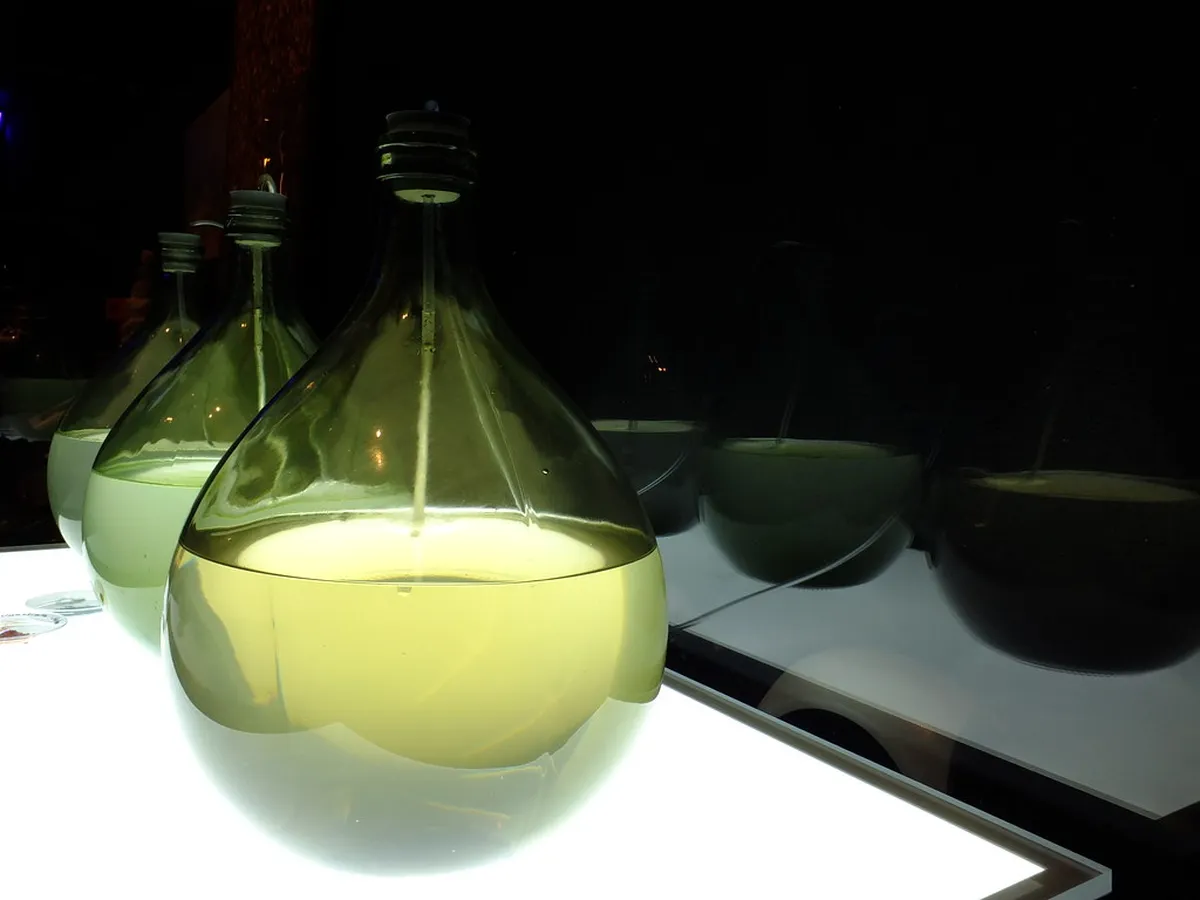
Bio-plastics made from algae also play a significant role in the campus interior design. These colorful tiles are used throughout the public restrooms and various gallery spaces today. The algae are harvested from the local salt marshes to promote a circular economy. Scientists and designers worked together for years to perfect these durable and attractive surfaces. This collaboration shows how art can drive meaningful technological change in the construction industry.
Sunflower stalks provide another source of sustainable building materials for this ambitious project in Arles. These agricultural waste products are transformed into acoustic panels for the large auditorium spaces. They offer excellent sound insulation while remaining completely biodegradable at the end of their life. Using local crops helps support regional farmers while providing high quality materials for the building. This strategy minimizes the energy required to transport heavy goods across long distances.
Atelier Luma serves as the research laboratory responsible for these amazing ecological breakthroughs. The lab continues to experiment with minerals and plants found in the surrounding French landscape. Their work ensures that the campus remains a leader in sustainable design and material science. Visitors can often see exhibitions showing the evolution of these bio-based products during the year. This transparency helps educate the public about the importance of choosing green building options.
The Energy Efficiency of the Gehry Tower
The main tower features a striking facade made of eleven thousand shimmering stainless steel panels. These panels are designed to reflect the soft light of the Mediterranean sun throughout the day. This reflection helps regulate the internal temperature of the building during the hot summer months. The glass drums at the base provide natural light to the lower levels of the tower. This design reduces the need for artificial lighting and lowers the daily electricity consumption.
The building utilizes a sophisticated geothermal energy system to provide heating and cooling for visitors. This system taps into the natural temperature of the earth to maintain a comfortable climate. It significantly reduces the reliance on fossil fuels for the entire cultural and artistic campus. This approach aligns with the global goals for reducing greenhouse gas emissions in large buildings. The technology remains hidden from view but provides a massive environmental benefit for the city.
Natural ventilation systems are integrated into the structure to improve the quality of the indoor air. Large openings allow fresh breezes from the Rhone River to circulate through the public galleries. This reduces the energy needed for mechanical air conditioning systems during the spring and fall. Sensors monitor the air quality and temperature to ensure the systems work with maximum efficiency. These smart building features make the tower one of the most advanced structures in France.
Solar panels are installed on the flat roofs of the surrounding industrial buildings to generate power. This renewable energy supports the lighting and digital displays found within the many art galleries. The goal is to produce as much clean energy as possible on the site itself. This commitment to self-sufficiency is a key part of the sustainable design in Luma Arles. It sets a high standard for other cultural institutions around the world to follow.
The Parc des Ateliers Landscape Transformation
The surrounding park was once a barren concrete lot filled with old industrial debris. Landscape architect Bas Smets transformed this seven hectare site into a lush and thriving public garden. He introduced over five hundred new trees to provide shade and cool the local microclimate. This forest helps combat the urban heat island effect common in southern French cities today. You should explore the Parc des Ateliers redevelopment project to see the full scale of this change.
Water management is a critical component of the sustainable landscape design within the park grounds. A large pond acts as a natural reservoir to collect and store falling rainwater. This water is then recycled to irrigate the diverse plant life throughout the dry summer. This closed loop system ensures that no precious water resources are wasted on the property. It also creates a peaceful habitat for local birds and insects to thrive in.
The plant selection focuses on native species that can survive in the harsh Mediterranean climate. These plants require less water and maintenance than exotic varieties found in traditional city parks. They also support local biodiversity by providing food and shelter for regional wildlife species. Walking through the gardens allows visitors to experience the natural beauty of the Provence region. This landscape design proves that urban parks can be both beautiful and ecologically responsible.
Concrete from the original industrial site was crushed and reused to create the park paths. This recycling effort kept thousands of tons of waste out of local French landfills. The paths are porous to allow water to soak directly back into the ground below. This prevents runoff and helps replenish the local groundwater levels during the rainy season. Every detail of the park reflects a commitment to the principles of sustainable design.
Adaptive Reuse of Industrial Heritage Buildings
The project involved the careful restoration of several massive nineteenth century rail repair workshops. Architects preserved the original brick and steel structures to maintain the historic character of Arles. This adaptive reuse strategy is far more sustainable than demolishing old buildings for new ones. It saves the embodied energy already contained within the existing historical materials and foundations. These buildings now house flexible gallery spaces for contemporary art and cultural events.
Modern insulation was added to the historic walls to improve the thermal performance of the halls. This allows the old structures to meet modern energy standards without losing their unique charm. The large windows were fitted with high performance glass to prevent heat loss in winter. This blend of old and new demonstrates the best practices in sustainable architectural conservation. Visitors can appreciate the industrial history while enjoying the comforts of a modern building.
The interior spaces were designed to be highly flexible for many different types of exhibitions. This longevity ensures that the buildings will remain useful for many decades into the future. Choosing durable materials reduces the need for frequent renovations and additional construction waste over time. The campus serves as a model for how cities can revitalize their industrial past. It shows that historic preservation and sustainability can go hand in hand perfectly.
The mechanical workshops now feature state of the art lighting and climate control systems. These systems are powered by the renewable energy sources located across the entire campus. Lighting designers used LED technology to minimize power usage while highlighting the beautiful historic architecture. The result is a series of stunning spaces that respect the past and protect the future. This approach has revitalized a forgotten part of Arles for the local community.
Planning Your Visit to Arles in 2025
Visitors can explore the public gardens of Luma Arles for free throughout the entire year. The park is open daily from 7:00 AM until the sun sets in the evening. Tickets for the Gehry tower galleries usually cost around twelve euros for an adult visitor. It is best to book your tickets online in advance to secure your preferred time. The campus is located at 35 Avenue Victor Hugo, just a short walk from the center.
Spring and fall are the best times to visit Arles to enjoy the outdoor landscapes. The weather is mild and the gardens are full of vibrant colors and life. Summer can be very hot, but the tower provides a cool retreat for art lovers. Winter offers a quieter experience with fewer tourists and shorter lines at the main entrance. No matter when you visit, the sustainable design in Luma Arles remains impressive and educational.
Guided tours are available for those who want to learn more about the sustainable features. These tours provide deep insights into the bio-materials and energy systems used on the site. You can also visit the Atelier Luma exhibition to see the latest material research projects. The campus is fully accessible for visitors with limited mobility or other specific physical needs. This ensures that everyone can enjoy the incredible architecture and art on display here.
Arles is easily accessible by train from major French cities like Paris or nearby Marseille. The local train station is only a fifteen minute walk from the Luma Arles campus. Many visitors choose to stay in the historic center to explore the Roman monuments nearby. There are several eco-friendly hotels in the city that align with your sustainable travel goals. Planning a trip to Arles in 2025 is a great way to support green tourism.
Frequently Asked Questions
What makes the sustainable design in Luma Arles unique?
Luma Arles is unique because it uses local bio-materials like salt, algae, and sunflower stalks. These materials are developed on-site to reduce the carbon footprint of the construction. The project also combines historic building restoration with modern green energy systems.
Is the Gehry tower in Arles energy efficient?
The tower uses geothermal energy and natural ventilation to reduce its overall power consumption. Its stainless steel skin reflects heat, while the glass base maximizes natural interior light. These features help the building meet high environmental standards for 2025.
Can I see the sustainable materials used in the building?
Yes, visitors can see salt panels in the elevators and algae tiles in the restrooms. The Atelier Luma laboratory often hosts exhibitions about their material research and development. These displays explain how local waste is turned into high quality building products.
Are the gardens at Luma Arles free to visit?
The seven hectare park is free and open to the public every day of the week. It features over 500 trees and a sustainable water recycling system for irrigation. It is a great place to see native plants and enjoy a cool microclimate.
Sustainable design in Luma Arles is a shining example of ecological innovation in the modern world. This project shows how architecture can respect history while protecting our environment for future generations. We encourage you to visit this incredible site in 2025 to experience it yourself. Start planning your trip today by exploring more about modern architecture in Arles on our website.
Key Takeaways
- Luma Arles uses local salt and algae to create innovative building materials.
- The Gehry tower employs geothermal energy and natural light for high efficiency.
- The Parc des Ateliers features a recycled landscape with over 500 native trees.
- Historic industrial buildings were preserved and renovated using sustainable building practices.
Related reads: architecturebycity.com, architecture in arles, roman architecture in arles.