
Frank Gehry Arles Tower Materials & Design
Explore the Frank Gehry Arles Tower materials used in Luma Arles. Discover how steel and salt redefine modern French architecture in 2025. Book your visit now!
On this page
The Frank Gehry Arles Tower materials represent a bold leap in contemporary design. This structure stands as the focal point of the Luma Arles campus. Gehry designed the building to capture the essence of the Provencal landscape. It officially opened in 2021 and remains a modern marvel in 2025.
Visitors often marvel at the shimmering exterior of the tower. This technical review explores the specific components that make this building unique. We will examine the steel, glass, and innovative bio-materials used here. Understanding these choices reveals the genius of Luma Arles architecture and its impact.
The tower rises fifty-six meters above the historic city of Arles. It serves as a multidisciplinary center for art and research. Every material was chosen to reflect the local light and history. This article provides a deep dive into the engineering behind the facade.
Engineering the Stainless Steel Facade
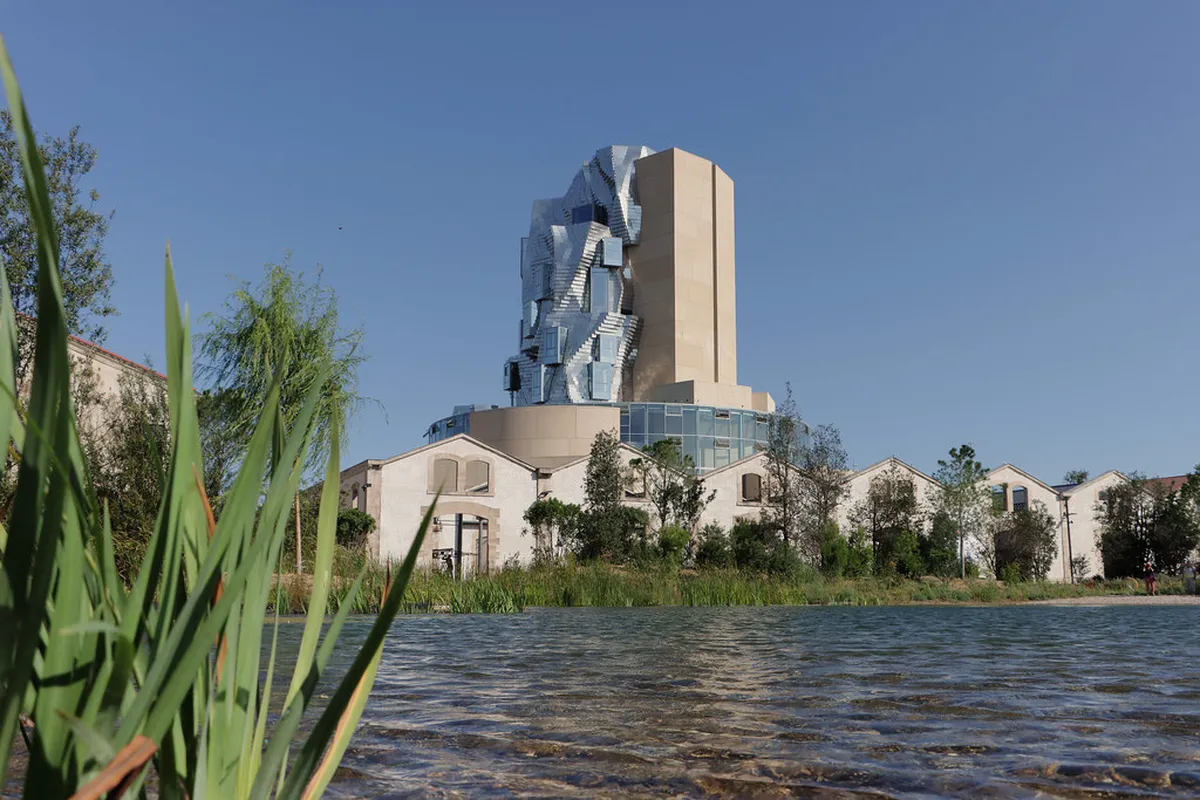
The shimmering facade features eleven thousand individual stainless steel panels. These blocks were meticulously arranged to capture the changing Mediterranean light. Each panel has a unique shape and orientation on the building. This design creates a dynamic surface that shifts throughout the day.
Engineers used a special type of steel to resist the local climate. The metal must withstand the intense salt air from the nearby sea. It also needs to endure the powerful Mistral winds of Provence. This durability ensures the tower retains its luster for decades to come.
The steel blocks evoke the famous brushstrokes of Vincent van Gogh. Gehry wanted the building to feel like a painting in motion. The reflective surfaces mirror the sky and the surrounding industrial park. This connection creates a bridge between the sky and the ground.
Installation of these panels required advanced computer modeling software. Each piece was tracked using a digital twin of the building. Construction workers placed every block with millimeter precision. This technical achievement highlights the precision of modern French construction methods.
The facade also acts as a protective skin for the tower. It provides essential shade to the internal structural components. This reduces the energy needed to cool the building during summer. Functional beauty is the primary theme of this metal exterior.
Limestone Aesthetics and Local Context
The lower levels of the tower use locally sourced limestone blocks. This material creates a visual link to the ancient Roman ruins nearby. Arles is famous for its extensive use of stone in heritage sites. Gehry integrated this traditional material to ground the modern tower.
The limestone provides a solid and heavy base for the structure. It contrasts sharply with the light and airy steel upper sections. This juxtaposition represents the meeting of history and the future. You can see similar stone in many modern architecture in Arles projects today.
The stone blocks were cut using modern precision tools for a clean finish. They are stacked to mimic the natural crags of the Alpilles mountains. This geological inspiration is a recurring theme in Gehry's recent works. The texture of the stone adds a tactile element to the site.
Limestone also offers excellent thermal mass for the building base. It keeps the lower galleries cool during the hot Provencal summers. This choice reflects a commitment to traditional building wisdom in Arles. The result is a structure that feels both new and ancient.
Innovative Frank Gehry Arles Tower Materials
Atelier Luma developed unique salt panels for the tower's interior walls. These panels utilize salt harvested from the nearby Camargue region. This innovation showcases the potential of sustainable design in Luma Arles. Salt is a renewable resource that provides natural beauty.
The salt panels have a crystalline texture that glows under light. They provide natural fire resistance without the need for toxic chemicals. Acoustic properties of the salt help dampen sound in the public hallways. This makes the interior spaces feel calm and inviting for visitors.
Another innovative material used in the tower is sunflower pith board. This bio-material is made from agricultural waste from local sunflower farms. It serves as an eco-friendly alternative to traditional insulation and wall panels. These choices highlight a shift toward circular economy building practices.
Gehry also incorporated recycled plastics into various interior fixtures. The project aimed to minimize its carbon footprint through local sourcing. Using regional materials reduced the environmental cost of long-distance transport. This technical review confirms the tower's status as a green icon.
The combination of salt and sunflower pith is truly revolutionary. It demonstrates how architects can use nature to solve engineering problems. These Frank Gehry Arles Tower materials set a new standard for art centers. Future projects will likely look to this tower for inspiration.
The Glass Drum and Structural Transparency
A massive cylindrical glass drum forms the base of the tower. This feature is often called "The Drum" by the design team. It serves as the main entrance and a public meeting space. The glass provides a 360-degree view of the Parc des Ateliers.
The glass panels are extremely thick to ensure safety and insulation. They allow natural light to flood into the central atrium space. This reduces the need for artificial lighting during the daylight hours. Transparency helps the building feel integrated with its urban surroundings.
Structural steel ribs support the weight of the massive glass panes. These ribs are visible from the inside and add industrial character. They remind visitors of the site's history as a railway workshop. The engineering here is both delicate and incredibly strong.
Cleaning these massive glass surfaces requires specialized equipment and trained staff. The maintenance schedule is rigorous to keep the glass crystal clear. This ensures the visual connection between inside and outside remains perfect. The drum remains the most accessible part of the tower.
Thermal Efficiency and Sustainable Building
The tower utilizes a natural ventilation system to regulate internal temperature. Large openings allow the Mistral wind to circulate through the atrium. This reduces the reliance on traditional air conditioning systems. Sustainable engineering was a core requirement for the Luma Foundation.
Solar panels are installed on the roofs of the surrounding buildings. These panels provide a significant portion of the tower's electricity needs. The building also uses a geothermal heating and cooling system. This system taps into the stable temperature of the ground below.
High-performance glazing on the glass boxes prevents excessive heat gain. Each window has a specialized coating to reflect infrared radiation. This keeps the interior galleries comfortable for sensitive art pieces. Lighting systems throughout the building use energy-efficient LED technology.
Rainwater is collected from the roof and used for site irrigation. This reduces the demand on the local municipal water supply. The surrounding park also features drought-resistant plants to save water. These technical details make the tower a leader in efficiency.
Interior Finishes and Acoustic Design
The interior of the tower features polished concrete floors. These floors are durable and easy to maintain in high-traffic areas. They provide a neutral backdrop for the various art installations. The grey tones complement the industrial aesthetic of the building.
Acoustic panels are integrated into the ceilings of the gallery spaces. These panels prevent echoes and create a quiet viewing environment. Designers used a mix of fabric and wood for these elements. Every room was tuned for its specific functional requirements.
The grand staircase is a masterpiece of steel and glass engineering. It winds through the center of the building like a sculpture. Visitors can see the complex structural joints as they climb. This transparency showcases the technical skill of the construction team.
Lighting in the galleries is fully adjustable to suit different exhibits. Track lighting allows curators to highlight specific artworks with precision. The integration of technology and architecture is seamless in every room. This makes the tower a versatile venue for modern art.
Frequently Asked Questions
What are the shiny panels on the Arles Tower made of?
The shimmering panels are made of eleven thousand stainless steel blocks. Each block was custom-designed to reflect light in a unique direction. This creates the building's famous painterly effect on the skyline.
How much did the Frank Gehry tower in Arles cost?
The total cost of the Luma Arles project is estimated at 150 million euros. This budget covered the tower and the park redevelopment. The Luma Foundation provided the full funding for this private project.
Can you visit the Luma Arles tower for free?
Entry to the Luma Arles campus and park is generally free for everyone. However, some specific exhibitions inside the tower require a paid ticket. It is best to check the official website for current prices.
Why is salt used as a building material in the tower?
Salt is used because it is a local and sustainable resource. Atelier Luma developed these panels to highlight regional materials from the Camargue. They offer natural fire resistance and unique acoustic properties.
The Frank Gehry Arles Tower materials represent the future of sustainable architecture. By combining steel, stone, and salt, Gehry created a masterpiece. This building honors the history of Arles while pushing technical boundaries. Visit the tower in 2025 to experience this architectural wonder yourself.
Key Takeaways
- The facade uses 11,000 custom stainless steel panels for light reflection.
- Innovative bio-materials like salt and sunflower pith enhance sustainability.
- The design bridges Roman history and modern industrial engineering.
- A 56-meter height offers panoramic views of the Provencal landscape.
Related reads: architecturebycity.com, architecture in arles, parc des ateliers redevelopment project.