
Roman Theatre Arles Architectural Features: A 2025 Guide
Discover the unique Roman Theatre Arles architectural features. Our 2025 guide covers history, seating, and design. Plan your Arles visit today!
On this page
Arles remains a top destination for history lovers in 2025. The ancient Roman Theatre is a highlight for every visitor. This site showcases many stunning Roman Theatre Arles architectural features from the early empire. It reflects the grandeur of Roman culture in Southern France.
Construction began under Emperor Augustus around 12 BC. This theatre was one of the first stone structures in Gaul. It served as a center for drama and music. Today, it stands as a testament to ancient engineering skills. You can still see the original design elements clearly.
Understanding the layout helps you appreciate the site more. The architects used local materials to create a lasting monument. Each stone tells a story of the city's golden age. This guide explores the details that make the theatre unique. Let us dive into the structural beauty of this ancient landmark.
The Layout of the Ancient Cavea
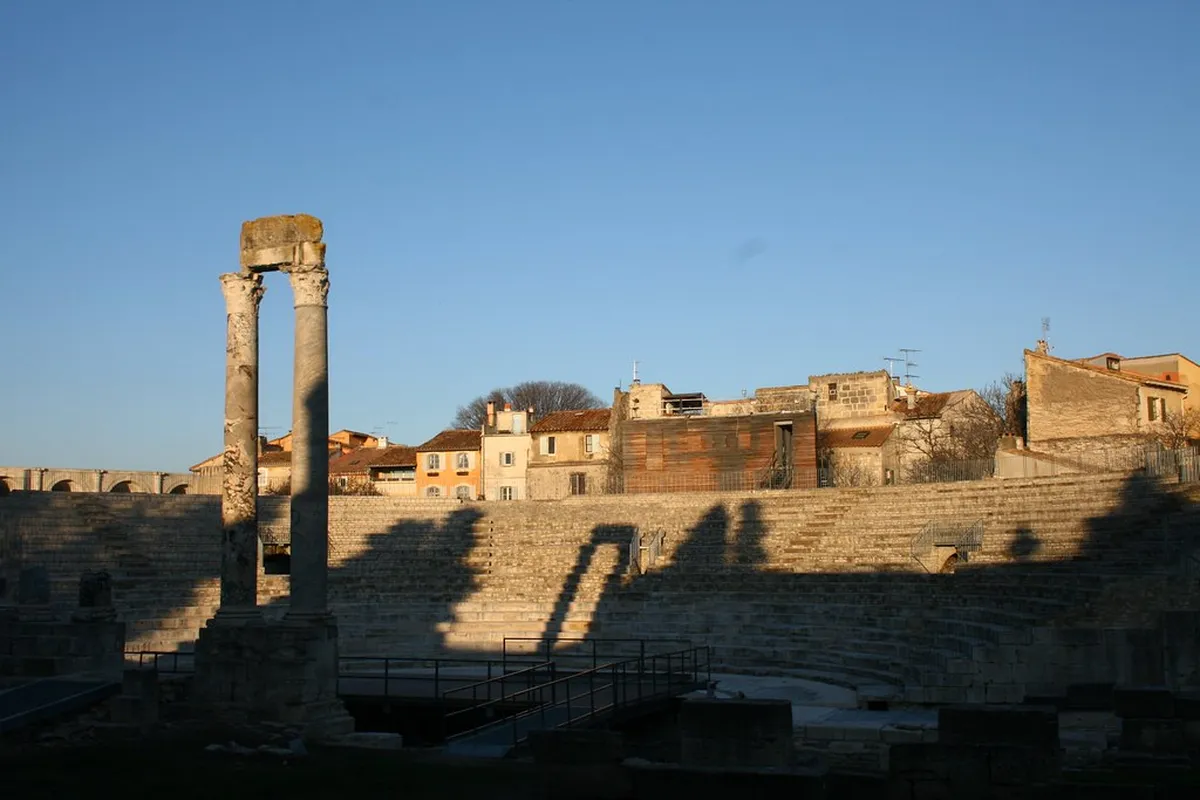
The seating area of the theatre is called the cavea. It originally featured thirty-three rows of stone benches. These rows could accommodate nearly 10,000 spectators at once. The diameter of the cavea measures approximately 102 meters across. This scale was massive for its time in the province.
Architects divided the seating into three distinct horizontal sections. The lower section was reserved for the city's elite citizens. Middle and upper sections held the rest of the local population. This division reflected the social hierarchy of Roman society. Staircases allowed for quick entry and exit during busy performances.
The cavea was supported by a series of radial walls and vaults. These structures provided essential stability for the heavy stone tiers. Visitors can still see parts of these outer support walls today. They demonstrate the complex Roman architecture in Arles perfectly. The precision of the stonework remains impressive after two millennia.
A covered portico once crowned the very top of the seating. This provided shade and shelter for the spectators during hot days. It also improved the acoustics by reflecting sound back toward the stage. While the portico is gone, its foundation remains visible. This element added both comfort and beauty to the theatre.
The Iconic Scaenae Frons Design
The scaenae frons was the massive backdrop of the stage. It originally stood three stories high with elaborate decorations. Today, only two tall marble columns remain from this wall. These are famously known as the Two Widows by locals. They offer a hint of the original decorative richness.
The wall featured many niches for statues of gods and emperors. These statues added a sense of divine presence to the performances. Polished marble and colorful stones covered the entire surface of the wall. This created a visual spectacle for the audience to enjoy. The design emphasized the power and wealth of the Roman Empire.
Three large doors allowed actors to enter the stage area. The central door was usually reserved for the main characters. These openings were framed by smaller columns and decorative carvings. Such features made the stage look like a grand palace facade. This style was common in most major theatres of that era.
A wooden roof once protected the stage from the elements. This roof also helped to project the voices of the actors. It was a masterpiece of carpentry and engineering for the first century. The height of the backdrop reached almost thirty meters high. This scale ensured that every spectator had a good view.
Engineering the Orchestra and Pulpitum
The orchestra is the semi-circular space in front of the stage. In Arles, this area features beautiful green and red marble floors. This space was not for the choir like in Greek theatres. Instead, it provided seating for the most important city officials. They sat on movable chairs to watch the plays up close.
The stage itself is called the pulpitum in Roman terminology. It was a raised platform made of wood supported by stone. The front of the stage was decorated with small stone niches. These niches often contained fountains or decorative statues for the audience. This made the transition between the orchestra and stage look seamless.
A deep trench existed under the front edge of the stage. This was used for the curtain mechanism during the dramatic shows. Unlike modern theatres, Roman curtains were lowered into the floor to open. This required complex pulleys and manual labor underneath the platform. Such engineering details show the technical skills of the ancient builders.
The acoustics of the orchestra area were carefully calculated by engineers. The curved shape of the cavea helped focus the sound perfectly. Actors did not need to shout to be heard in the back. This clever use of geometry is a hallmark of Roman design. It created an immersive experience for every single person attending.
Comparing Local Roman Structures
The theatre is often compared to the nearby Arles Amphitheatre by tourists. While both are Roman, they served very different purposes in the city. The theatre was a place for culture, poetry, and classical music. The amphitheatre focused on violent games and gladiator combat for the public. Their shapes reflect these different uses in ancient times.
The theatre is a semi-circle while the amphitheatre is a full oval. This difference changed how the crowds interacted with the central performance. The theatre design focused on sound quality for the seated audience members. In contrast, the amphitheatre prioritized visibility for a much larger moving crowd. Both structures use similar limestone from the nearby Alpilles hills.
During the Middle Ages, both buildings were used as fortresses for protection. People built houses and churches inside the ancient stone walls. This history of reuse helped preserve the core structures until modern times. Archaeologists cleared these additions in the nineteenth century to reveal the ruins. You can now see the original footprints of both sites clearly.
Both monuments are part of the UNESCO World Heritage list today. They represent the best-preserved Roman ruins in all of Western Europe. Visiting both sites gives a complete view of ancient urban life. The theatre remains the more delicate and artistic of the two structures. It captures the sophisticated side of Roman society in Arles.
Visiting the Theatre in 2025
The theatre is open daily for visitors throughout the year 2025. Standard entry tickets cost approximately nine euros for an adult visitor. This ticket often includes access to other Roman sites in the city. It is best to arrive early to avoid the midday heat. The morning light provides the best photos of the columns.
In summer, the theatre still hosts live music and dance performances. These events allow you to experience the site as intended by Romans. Sitting on the ancient stones under the stars is truly magical. Check the local tourism office for the current summer event schedule. Booking tickets in advance is highly recommended for these popular shows.
The site is mostly accessible for people with limited mobility today. New ramps allow visitors to see the orchestra and lower seating. However, the upper tiers still require climbing some steep stone steps. Wear comfortable walking shoes with good grip for the uneven surfaces. The sun can be very strong on the open stone benches.
You can find the theatre near the center of the old town. It is a short walk from the Republic Square and City Hall. Consider booking guided architecture tours to learn more hidden details. Expert guides explain the construction techniques and the history of the site. This adds deep context to your visit to this monument.
Frequently Asked Questions
What are the most famous Roman Theatre Arles architectural features?
The two standing marble columns are the most famous features today. People also admire the massive cavea that held 10,000 spectators. The preserved marble flooring in the orchestra is another rare highlight. These elements show the luxury of the original ancient design.
Is the Roman Theatre in Arles still used for events?
Yes, the theatre hosts many festivals and concerts during the summer. The annual photography festival and folk events use this historic space. It provides a unique atmosphere for modern music and dance performances. Seeing a show here is a highlight of 2025 travel.
How old is the Roman Theatre in Arles?
Construction of the theatre began around the year 12 BC. This makes the structure over 2,000 years old as of 2025. It was completed during the reign of the first Roman emperor. It is one of the oldest stone theatres in France.
The Roman Theatre of Arles is a masterpiece of ancient design and culture. Its architectural features provide a unique look into the Roman past of France. From the massive cavea to the elegant columns, every part is impressive. Visiting this site in 2025 offers a deep connection to history. Make sure to include this landmark on your next trip to Provence.
Key Takeaways
- The theatre originally seated nearly 10,000 people in its 33 rows.
- Only two original columns remain from the grand three-story stage wall.
- The site continues to host live cultural performances during the summer months.
- It is one of the oldest stone theatres built in the Roman province of Gaul.
Related reads: architecturebycity.com, architecture in arles, cryptoporticus arles engineering and history.