
Arles Amphitheatre Structural Design Guide
Learn about the Arles Amphitheatre structural design. Explore Roman engineering in France with our 2025 travel guide. Book your trip today!
On this page
The Arles Amphitheatre stands as a brilliant example of Roman engineering in southern France. This massive stone structure highlights the genius of Arles Amphitheatre structural design from long ago. Built around 90 AD, the arena remains one of the best-preserved monuments in the world. You can see how Roman architecture in Arles shaped the city’s identity.
Visitors today marvel at the sheer scale of this ancient venue in 2025. It once hosted over 20,000 spectators for gladiatorial games and chariot races. The design ensures that everyone has a clear view of the central stage. This introduction explores how the Romans built such a lasting and beautiful masterpiece.
Engineering the Elliptical Blueprint
The Arles Amphitheatre features a perfect elliptical shape that stretches 136 meters long. Its width reaches 107 meters across the center of the stadium floor. This specific layout provides maximum visibility for every single spectator in the stands. The builders used geometric principles to ensure the curves were perfectly symmetrical.
Engineers during the Roman era focused heavily on structural stability and balance. They used heavy limestone blocks to form the massive exterior walls of the arena. These stones were cut with incredible precision to fit together without using much mortar. The weight of the stones helps keep the entire building stable against gravity.
The elliptical design also allows for better sound quality during large public events. Sound travels efficiently across the curved surfaces of the interior seating areas. This made it easier for the crowd to hear announcements and stadium noise. Even in 2025, the acoustics of the venue remain impressive for modern visitors.
Spectators entered through sixty different arches located around the entire perimeter of the wall. This design allowed for the quick entry and exit of thousands of people. Large crowds could fill the arena in a very short amount of time. Proper crowd control was a key part of the original structural planning.
The Arles Amphitheatre Structural Design Secret
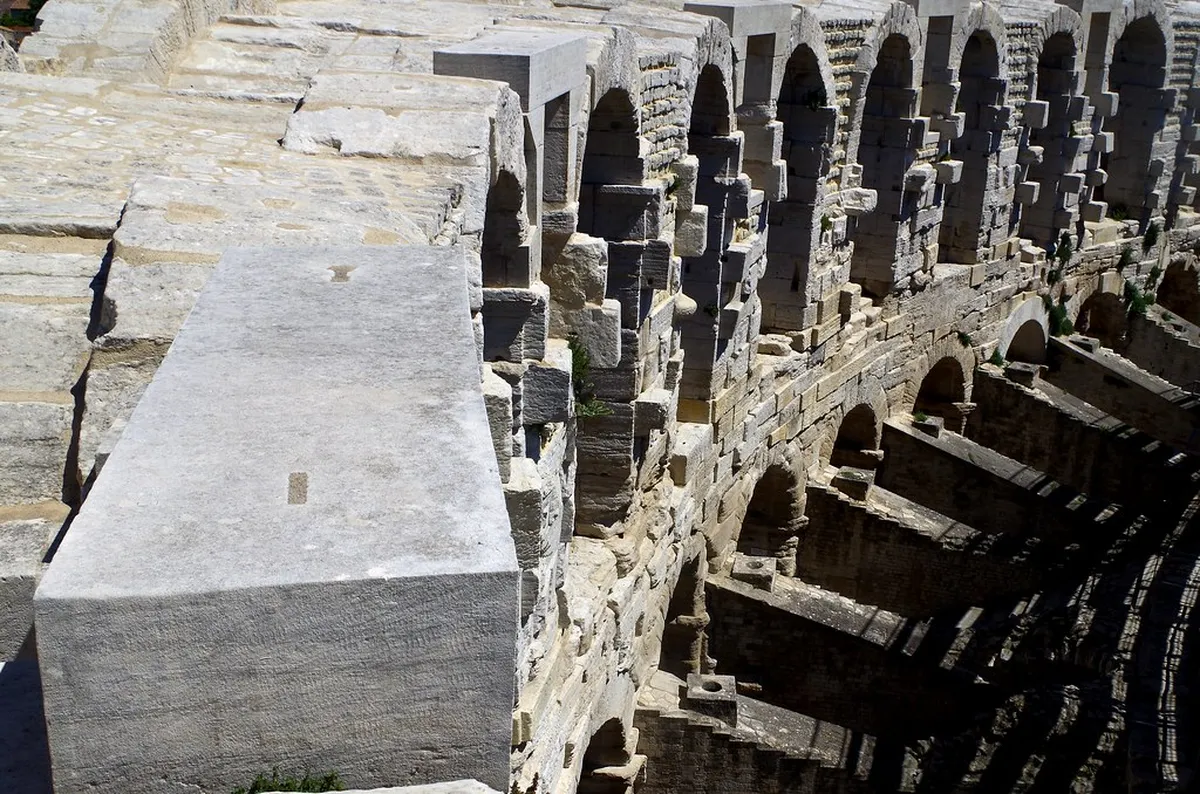
The most striking feature of the facade is the two-tiered system of open arches. The lower level uses the Doric order of architecture for a strong visual base. These arches support the weight of the levels above with great efficiency. Each archway measures several meters high to allow for natural light and air.
The second level of the exterior wall features the more decorative Corinthian style. These columns add elegance to the functional design of the massive stone structure. The combination of different styles shows the artistic skill of the Roman builders. Visual harmony was just as important as physical strength to the architects.
Internal corridors run behind these arches to allow people to move around the building. These walkways are wide enough to prevent congestion during the busiest festival days. The arches also serve as a cooling system by letting breezes pass through the stone. This was essential for the comfort of guests during the hot French summers.
Each level of the arcade is designed to distribute the total weight evenly. The vertical loads move through the columns down into the solid bedrock foundation. This prevents the building from sinking or cracking over many centuries of heavy use. You can see this clever engineering when you walk around the exterior.
Audience Management and Interior Flow
The interior of the amphitheatre is divided into several horizontal tiers of seating. These tiers were separated based on the social status of the Roman citizens. The closest seats to the arena floor were reserved for the elite and leaders. Upper levels provided space for the general public and the city workers.
To manage the flow of people, the Romans invented the vomitoria exit system. These are wide passages that lead directly from the seats to the outer corridors. They are designed to prevent crushing or dangerous bottlenecks during a sudden exit. This safety feature is still used in modern stadium designs around the world.
There are 34 rows of seating that rise steeply from the central arena floor. This steep angle ensures that spectators can see over the heads of people in front. Stone staircases connect the different levels for easy access to various seating sections. Every seat was numbered to help people find their specific place quickly.
Beneath the wooden arena floor, there was a complex system of rooms and tunnels. These spaces held the animals and gladiators before they entered the main stage. Trap doors allowed performers to appear suddenly in the middle of the action. This hidden layer of design added drama to the ancient games.
Durable Materials and Ancient Techniques
The builders sourced the limestone for the amphitheatre from nearby quarries in the region. This local stone is known for its durability and resistance to the local weather. Using local materials reduced the cost and time needed for the massive construction project. The stone has aged beautifully, gaining a golden hue over the many centuries.
Roman builders used a technique called opus quadratum for the main structural walls. This involves using large rectangular blocks of stone laid in regular horizontal courses. The blocks are often held together by their own weight and precise fitting. This method provides incredible strength against both natural and man-made forces.
In some areas, the engineers used Roman concrete to fill the core of the walls. This material was made from volcanic ash, lime, and small pieces of broken stone. It allowed them to create complex shapes like vaulted ceilings and arched walkways. The combination of stone and concrete made the building nearly indestructible.
Modern architects still study these techniques to understand how to build for longevity. The amphitheatre has survived earthquakes, wars, and hundreds of years of neglect. Its survival is a testament to the quality of the original craftsmanship. You can learn more about these methods by visiting the local museums in 2025.
Foundations and Drainage Engineering
The amphitheatre is built on a solid limestone ridge that provides a natural foundation. This stable ground prevents the heavy structure from shifting or settling over the long term. Engineers carefully leveled the rock before they began laying the first row of stones. A solid base is the most important part of any large-scale building.
Water management was another critical aspect of the Arles Amphitheatre structural design and layout. The Romans built a sophisticated system of gutters and pipes to remove rainwater. This prevented water from pooling on the seating levels or the arena floor. Proper drainage protects the stone from erosion and prevents structural damage from dampness.
The drainage system connects to the larger network of city sewers built by the Romans. You can see similar advanced engineering in the Cryptoporticus Arles engineering and history nearby. Keeping the building dry was essential for maintaining the wooden components of the arena. Without this system, the structure would have decayed much faster.
Vertical shafts were carved into the stone to allow water to drop to the lower levels. These pipes were hidden within the massive pillars to keep the design looking clean. This attention to detail shows the high level of planning involved in the project. It remains a highlight for anyone interested in ancient urban planning.
Medieval Transformations and Fortification
During the Middle Ages, the local population used the amphitheatre as a massive fortress. They built four large watchtowers on top of the original Roman walls for defense. The arches were filled in with stones to create a solid defensive perimeter for the residents. Over 200 houses were eventually built inside the arena itself.
The original structural design was strong enough to support these heavy new additions. The thick Roman walls provided safety for the entire village during times of war. This transformation changed the building from a place of entertainment to a place of survival. It is why the arena survived while other Roman buildings were torn down.
In the 19th century, authorities began to clear the houses from the interior space. They wanted to restore the monument to its original Roman glory for the public. Architects carefully removed the medieval additions while preserving the four defensive towers. This unique mix of styles tells the long history of the city of Arles.
Today, the amphitheatre is a UNESCO World Heritage site and a top tourist attraction. Maintenance crews work year-round in 2025 to keep the stone in good condition. They use traditional methods to repair any cracks or signs of wear in the walls. Preservation efforts ensure that future generations can enjoy this historic wonder.
Frequently Asked Questions
What is the primary material used in the Arles Amphitheatre?
The builders primarily used large limestone blocks sourced from local quarries in France. They also used Roman concrete to strengthen the core of the massive walls. This combination of materials has allowed the structure to stand for nearly 2000 years.
How many people can the Arles Amphitheatre hold today?
In 2025, the venue can safely hold about 12,000 spectators for modern events. This is less than the original 20,000 people it held during Roman times. The reduction in capacity ensures the safety of visitors and the preservation of the stone.
Are there guided tours focused on the architecture?
Yes, you can join a specialized Arles architectural walking tour to learn more. These tours provide deep insights into the engineering secrets and historical changes. Most tours last about two hours and cover the main highlights of the site.
The Arles Amphitheatre remains a stunning achievement of ancient design and construction. Its elliptical shape and tiered arches show the peak of Roman engineering skills. Visitors in 2025 can still experience the grandeur of this historic arena in person. Plan your trip to France today to see this architectural wonder for yourself.
Key Takeaways
- The amphitheatre features a perfect elliptical shape for 20,000 spectators.
- Engineers used a two-tiered arcade system for structural support and beauty.
- Local limestone and Roman concrete provided incredible durability for the walls.
- A sophisticated drainage system protects the foundation from water damage.
- The building served as a fortress during the Middle Ages, preserving its structure.
Related reads: architecturebycity.com, architecture in arles, roman theatre arles architectural features.