
Exploring the Fort Carré Vauban Design in Antibes
Discover the Fort Carré Vauban design in Antibes. Learn about its star-shaped walls and military history. Plan your visit to this iconic 2025 landmark today!
On this page
The Fort Carré Vauban design represents a pinnacle of seventeenth-century defensive engineering and French military history in Antibes. Visitors to this coastal city often marvel at the complex geometry and the historical significance of the structure. This fort sits on the Saint-Roch peninsula and offers panoramic views of the entire coastline for modern travelers. It remains one of the most significant examples of architecture in Antibes today.
Understanding the fort requires a look back at the historical tensions between the French kingdom and the nearby Savoie. The building served as a primary defense point to protect the border from southern invasions during the ancient era. Its unique shape provided maximum visibility for the soldiers who lived within the thick stone walls of the fortress. Today, this site serves as a museum where people can learn about the evolution of military defensive tactics.
Evolution of Fort Carré Vauban Design
The site originally featured a smaller chapel before the construction of the massive stone walls during the sixteenth century. King Henri II ordered the creation of this fortress to improve the security of the French border near Italy. The early structure was quite simple compared to the advanced layouts that would eventually define the French defensive style. Engineers later expanded the walls to accommodate larger cannons and more troops during the height of various regional conflicts.
The most significant changes occurred when the famous engineer Sébastien Le Prestre de Vauban revised the existing defensive structures. He applied his extensive knowledge of mathematics to create a more efficient and deadly layout for the coastal fortress. This specific Vauban star fort geometry utilized sharp angles to eliminate blind spots for the defending soldiers. The result was a nearly impenetrable barrier that could withstand prolonged sieges from both land and sea forces.
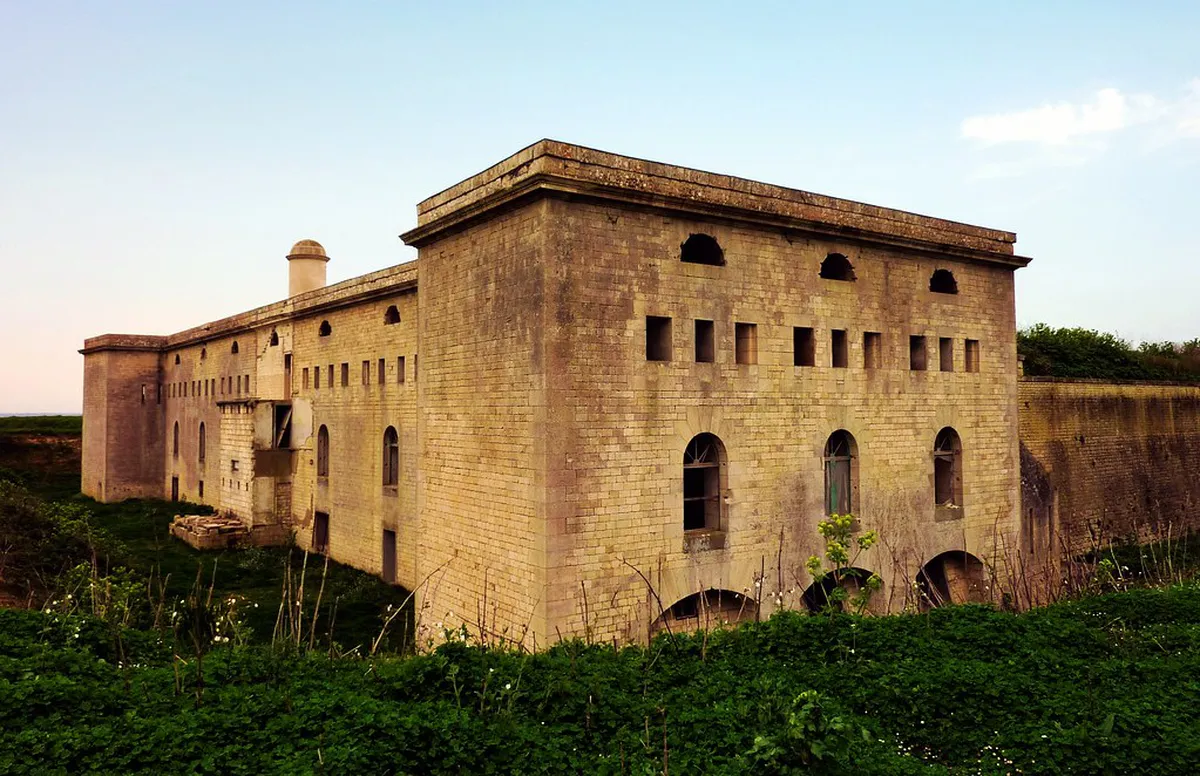
Construction during this era relied on local limestone which gave the fort its distinctive light color and incredible durability. Laborers worked for years to carve the stones and arrange them into the precise shapes required by the engineers. The design also included deep moats and elevated platforms to provide a clear line of sight over the bay. These elements combined to create a formidable presence that deterred many potential invaders during the seventeenth and eighteenth centuries.
Modern visitors in 2025 can still see the precision of the stone craftsmanship throughout the various levels of the fort. The smooth transitions between the walls and the bastions highlight the incredible skill of the original French master masons. Each section of the building served a specific purpose ranging from storage areas to barracks for the resident troops. This meticulous planning ensured that the fort could operate independently for many months during a time of intense war.
Key Features of the Star-Shaped Geometry
The primary feature of this structure is the four bastions that extend outward from the central part of the fort. These bastions create a star shape which allows defenders to fire upon enemies from multiple different angles at once. This design concept changed the way that engineers approached the construction of defensive walls throughout the entire European continent. It allowed for a much smaller number of soldiers to defend a large area against a much bigger army.
Each bastion has a specific name and a unique role within the larger defensive system of the Saint-Roch peninsula. The bastions are known as Saint-Laurent, Saint-André, Saint-Jean, and finally the bastion of Saint-Paul which faces the open sea. These points provided the necessary elevation for cannons to reach ships that were attempting to enter the local harbor. The sharp angles also made it very difficult for enemies to use ladders to climb over the outer walls.
- Symmetric Bastions: The four pointed bastions provide crossfire capabilities to cover every possible approach to the fort.
- High Ramparts: The thick walls stand over twenty meters high to prevent easy access by any invading ground troops.
- Strategic Moats: Dry moats surround the base of the fort to slow down attackers and trap them in the open.
- Protected Walkways: Covered paths allowed soldiers to move between different sections of the fort without being seen by enemies.
The interior courtyard provides a central space where soldiers could gather and receive orders from their commanding military officers. This area also contained the essential water cisterns that were necessary for the survival of the garrison during a siege. The military architecture of the French Riviera often includes these self-sustaining features to ensure long-term resilience. This central hub remains a highlight for tourists who enjoy exploring the daily life of historical French coastal soldiers.
The Strategic Significance of Coastal Location
Location played a vital role in the effectiveness of the Fort Carré Vauban design during its years of active service. The fort sits on a hill that rises twenty-six meters above the sea level to give a commanding view. This elevation allowed the lookouts to spot enemy sails from a great distance before they reached the Antibes harbor. The natural landscape of the peninsula provided additional defensive advantages that were enhanced by the man-made stone walls of the fort.
The proximity to the port of Antibes made the fort an essential part of the maritime trade and defense network. It protected the valuable merchant ships that brought goods from across the Mediterranean to the southern markets of France. Without this protection, the city would have been vulnerable to raids by pirates and competing naval powers in the region. The fort served as a silent guardian that ensured the economic prosperity of the entire local French coastal community.
Travelers today can appreciate the tactical advantage by standing on the upper ramparts and looking out over the modern marina. The view spans from the mountains of the Southern Alps all the way to the distant shores of the Cap. This perspective helps people understand why the French kings invested so much money into the construction of this massive site. It was not just a building but a critical piece of national security for the entire French Mediterranean border.
Visiting the fort in 2025 provides a clear understanding of the relationship between the natural terrain and military engineering projects. The way the walls follow the contours of the rocky hill shows the adaptability of the seventeenth-century builders and architects. They used the natural slope to increase the height of the walls without needing to build from the ground up. This clever use of the environment is a hallmark of the sophisticated Fort Carré Vauban design used in Antibes.
Inside the Walls of the Antibes Masterpiece
The interior of the fort is just as impressive as the massive outer walls that protect the central living quarters. Small rooms carved into the stone served as kitchens and storage areas for gunpowder and other essential military supplies. The ventilation systems were designed to keep the powder dry and prevent accidental explosions during the hot summer months in France. These functional spaces provide a glimpse into the logistical challenges of maintaining a permanent military presence on the coast.
Soldiers lived in cramped barracks that were designed to maximize the use of space within the secure interior of the fort. These rooms often housed dozens of men who shared the responsibility of guarding the ramparts and maintaining the heavy cannons. Life was disciplined and focused on the constant threat of attack from the sea or the nearby land border. You can learn more about the daily schedules by checking the Fort Carré visiting hours and tickets online.
The chapel inside the fort remains one of the oldest parts of the structure and offers a quiet place for reflection. It served the spiritual needs of the garrison and has been carefully restored to its original seventeenth-century glory and appearance. The simple stone altar and the narrow windows create a solemn atmosphere that contrasts with the military nature of the fort. This area highlights the importance of religion in the lives of the soldiers who served far from their homes.
Exploring the various levels requires climbing several sets of narrow stone stairs that wind through the heart of the ancient building. Each level offers a different perspective on the construction techniques used to create such a massive and durable stone structure. The thickness of the walls is truly remarkable when you see them from the inside of the small window openings. This immersive experience allows tourists to feel the weight of history as they walk through the cool stone corridors.
Restoring the Fort for Future Generations
Preserving the Fort Carré Vauban design has been a major priority for the local government and historical societies in Antibes. Decades of exposure to salt air and wind caused significant damage to the limestone walls and the wooden interior structures. Major restoration projects began in the late twentieth century to stabilize the foundations and repair the crumbling sections of the ramparts. These efforts ensure that the fort remains a safe and educational destination for the thousands of people who visit.
The surrounding park has also been revitalized to create a beautiful natural space that complements the historical architecture of the site. Local flora and fauna thrive in the protected area around the peninsula where the fort sits above the blue water. This combination of history and nature makes the site a popular spot for both local residents and international travel tourists. You can include this stop on an Antibes old town architectural walking tour during your next vacation.
Educational programs and guided tours help visitors understand the complex history and the architectural significance of this French military landmark. Experts explain the mathematical principles that Vauban used to create the perfect defensive angles for the star-shaped walls of the fort. These tours provide valuable context that makes the experience much more meaningful for people of all different ages and backgrounds. The commitment to education ensures that the legacy of the fort will continue to inspire future students of architecture.
As we look toward the future, the fort stands as a symbol of the enduring strength and the creative spirit. It reminds us of a time when defense was a matter of stone and geometry rather than modern digital technology. The careful balance between historical preservation and modern accessibility makes it a model for other heritage sites around the world. Planning a visit to this site in 2025 is a great way to support the ongoing preservation of history.
Frequently Asked Questions
What makes the Fort Carré Vauban design unique?
The Fort Carré Vauban design is unique because of its perfect mathematical symmetry and its strategic location on the coast. It features four bastions that create a star shape to eliminate blind spots for the defending soldiers in Antibes. This layout allowed a small garrison to defend against much larger forces during the seventeenth century in France.
Who built the original structure in Antibes?
King Henri II ordered the initial construction of the fort during the middle of the sixteenth century to protect the border. Later, the famous military engineer Vauban improved the design to include the iconic star-shaped ramparts that we see today. His modifications turned the site into one of the most advanced defensive structures of the era in Europe.
Can I tour the interior of the fort?
Yes, the interior of the fort is open to the public through organized guided tours that take about thirty minutes. These tours allow you to explore the barracks, the chapel, and the upper ramparts for a small admission fee. It is a great way to see the intricate details of the historical stonework and military planning.
The Fort Carré Vauban design remains a testament to the brilliance of seventeenth-century military engineering and historical French architectural planning. Visiting this site in 2025 offers a unique chance to walk through history while enjoying the beauty of the Mediterranean coast. Whether you are a history buff or a casual tourist, the fort provides an unforgettable experience in the heart of Antibes. Make sure to book your tour in advance to secure your spot at this popular and historic French landmark.
Key Takeaways
- The fort features a unique star-shaped design that eliminates blind spots for defenders.
- Vauban's engineering improvements in the 17th century made the fort nearly impenetrable.
- The site offers 360-degree views of the French Riviera and the Southern Alps.
- Restoration efforts have preserved the limestone walls and historical interior for modern visitors.
Related reads: architecturebycity.com, chateau grimaldi architecture.