
Vauban Star Fort Geometry in Antibes France
Explore the Vauban star fort geometry at Fort Carré in Antibes. Learn about technical design, bastion shapes, and 2025 visiting tips in this expert guide.
On this page
Antibes stands as a jewel on the French Riviera coastline today. This historic city features a masterpiece of 17th-century military engineering. The Vauban star fort geometry at Fort Carré remains a marvel of technical design. It showcases how mathematics once protected the borders of France from invaders.
Sébastien Le Prestre de Vauban refined the science of military architecture. He transformed earlier structures into highly efficient defensive machines for King Louis XIV. The Fort Carré Vauban design follows precise geometric rules for maximum safety. These principles shaped the way European cities defended their territory for centuries.
Visitors in 2025 can still see the sharp angles of the bastions. The fort sits on a high rock overlooking the Mediterranean Sea. Its position provides a clear view of the Italian border and the Alps. This location was chosen for its natural elevation and strategic advantage.
The geometry of the star fort is not just for visual beauty. Every angle serves a specific defensive purpose in the layout. This article explores the technical aspects of this famous Antibes landmark. We will analyze the math and logic behind its iconic star shape.
The Logic of Vauban Star Fort Geometry
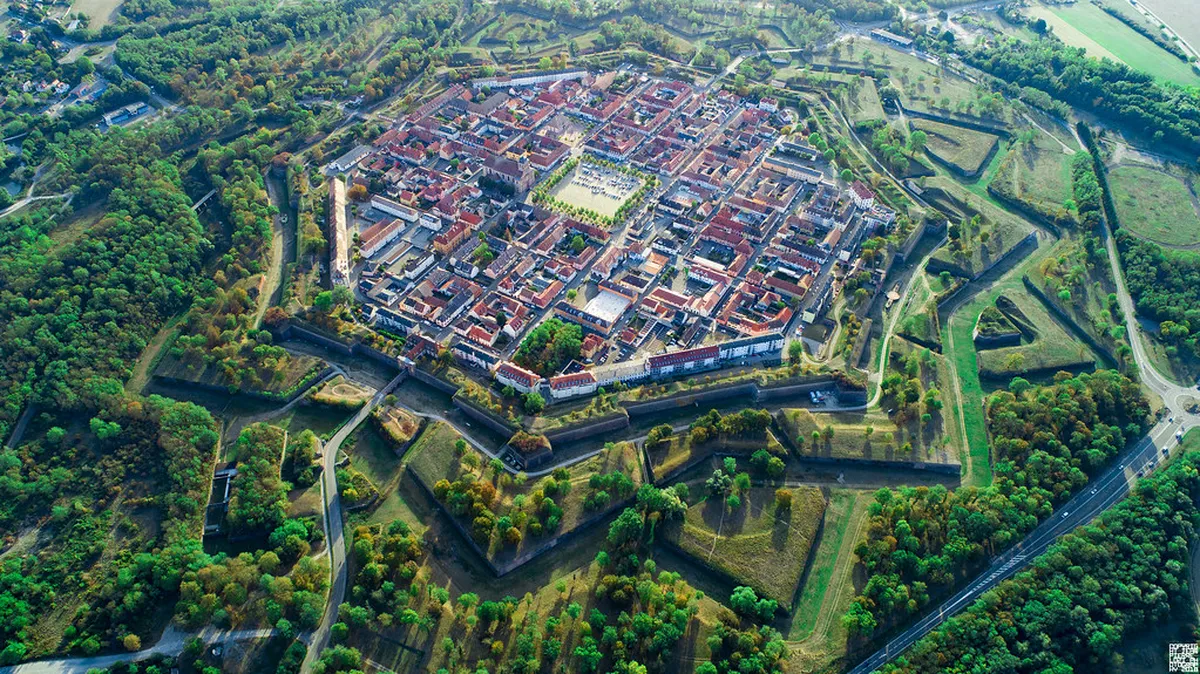
The star fort design solved a major problem in military history. Traditional tall walls could not withstand heavy 17th-century cannon fire. Vauban used low and thick walls to absorb the impact of iron balls. The star shape creates multiple angles to eliminate any hidden spots.
Each point of the star is called a bastion. Bastions allow soldiers to fire at enemies from different directions. This creates a lethal zone of crossfire along the entire wall length. No attacker can approach the fort without being seen by defenders.
The geometry relies on a concept called flanking fire. This means soldiers on one bastion can protect the neighboring wall. This system ensures that the base of the wall is never safe. Mathematical precision was the key to successful defense in this era.
The distance between bastions was never random in the design. Vauban calculated these lengths based on the range of muskets. Soldiers needed to reach the next point with their weapons accurately. This technical balance makes the Vauban star fort geometry truly impressive.
Specific Details of the Antibes Bastion Layout
Fort Carré features four main bastions in its unique layout. These bastions are named Saint-Amans, Saint-Laurent, Saint-André, and Saint-Jean. Each one points toward a different compass direction for total coverage. The layout forms a perfect diamond shape when viewed from above.
The walls of the fort are roughly 43 meters high. This height includes the natural rock foundation of the peninsula. Engineers carved the lower sections directly into the local limestone. This makes the structure incredibly stable against both weather and war.
The thickness of the walls varies between three and four meters. They are sloped inward to deflect projectiles upward. This clever angle reduces the direct energy of a cannon strike. Such details define the advanced Fort Carré Vauban design seen in Antibes.
A narrow walkway runs along the top of the ramparts. This path allowed troops to move quickly between the four bastions. It provides a 360-degree view of the surrounding land and sea. Modern visitors can walk this path to experience the fortress scale.
Technical Analysis of the Defensive Angles
Vauban used complex trigonometry to design the fort's outer angles. The salients are the sharp points that face the enemy directly. These angles are typically between 60 and 90 degrees wide. This range prevents the masonry from crumbling easily under fire.
The re-entrant angles are the corners that point inward. These corners are the most protected areas of the entire fort. They serve as the primary firing positions for the heavy cannons. Cannon batteries were placed here to sweep the surrounding fields.
A dry moat surrounds the central structure of the fort. This trench was designed to be deep and difficult to climb. The geometry of the moat matches the angles of the bastions perfectly. It traps attackers in a zone where they cannot hide.
- Salient Angle: The outward-facing point of a bastion.
- Curtain Wall: The straight wall connecting two bastions.
- Embrasures: Openings in the wall for cannon barrels.
- Parapet: A low protective wall for the defending soldiers.
Materials Used in the Fort Carré Vauban Design
The builders used local materials to construct this massive fortress. Large blocks of limestone form the outer shell of the walls. This stone is durable and resists the salty Mediterranean air well. Many of these stones were cut by hand in the 1600s.
The interior of the walls contains a mix of rubble and mortar. This flexible core helped the walls survive the shaking of explosions. Pure stone walls would often crack or shatter under heavy pressure. The combination of materials shows high levels of engineering knowledge.
Brickwork appears in the arches and decorative elements of the fort. Bricks were easier to shape for doorways and curved ceilings. You can see these red details in the central chapel area. The chapel features a circular design that contrasts with the star.
Wood was used for the drawbridge and internal flooring sections. Most of the original wood has been replaced during modern restorations. The 2025 version of the fort looks much like the original. Specialists work hard to use historically accurate materials for every repair.
The Evolution of Fortification in France
Fort Carré was built before Vauban arrived in the city. The original design was created by Henri de Mandon. Vauban visited Antibes later to improve the existing defensive structures. He added the outer defenses and refined the internal layout significantly.
His work in Antibes was part of the Pre Carré system. This was a double line of fortified cities in France. It created a "protected field" that enemies could not easily enter. Antibes was the final southern point of this defensive line.
The geometry used here influenced military schools for two centuries. Architects traveled from across Europe to study the Vauban star fort geometry. It became the standard for all major coastal defenses in France. The site remains a primary example of this golden age.
Today the fort serves as a historical monument for the public. It no longer holds a military purpose for the French navy. However, the geometric principles remain visible for students of architecture. It is a vital part of the broader architecture in Antibes today.
Frequently Asked Questions
What is the best way to see the Vauban star fort geometry?
The best way is to visit Fort Carré in person. You can take a guided tour to see the bastions. Aerial photos also show the perfect star shape clearly. Many people use drones to capture the geometric layout from above.
How much do tickets cost for Fort Carré in 2025?
Tickets for adults usually cost around 3 Euros in 2025. Reduced prices are available for students and large groups. Children under 18 can often enter the site for free. Check the Fort Carré visiting hours and tickets for the latest updates.
Why is it called Fort Carré if it is a star?
The name translates to "Square Fort" in the French language. The original central tower was built in a square shape. Later designers added the star bastions around this central core. The name stayed even after the geometry became more complex.
The Vauban star fort geometry represents a peak in military logic. It combines mathematics, physics, and local materials into a single structure. Fort Carré remains one of the most beautiful examples of this style. Its sharp bastions and high walls tell a story of power.
Visitors to Antibes should make time to walk these historic ramparts. The views of the harbor and the old town are incredible. You will appreciate the technical skill required to build such a fort. It is a highlight of any trip to the French Riviera.
Start planning your visit to this geometric masterpiece today. Explore the rich history of the architecture in Antibes during your stay. The fortress waits to show you the secrets of 17th-century defense. Enjoy the beauty of French engineering in the bright Mediterranean sun.
Key Takeaways
- Vauban used star geometry to eliminate defensive blind spots.
- Fort Carré sits 26 meters above sea level on a rock.
- The fort features four distinct bastions for 360-degree defense.
- Walls are up to four meters thick to resist cannon fire.
- The site is a major example of 17th-century French engineering.