
Genoese Baroque Churches of Bastia: A 2025 Guide
Explore the Genoese Baroque churches of Bastia in 2025. Discover stunning architecture, historical facts, and visitor tips for these French treasures today.
On this page
Bastia serves as a major cultural gateway located on the northern coast of the beautiful island of Corsica. The city reveals a rich history through its many stunning architectural gems found within the old historic districts. You will find the Genoese Baroque churches of Bastia scattered throughout the winding streets of the Terra Vecchia area. These magnificent buildings showcase the deep connection between this French port and the artistic traditions of northern Italy.
Visiting these religious sites allows you to experience the grand artistic vision of the seventeenth and eighteenth centuries. Local architects and master craftsmen worked together to create spaces that inspired awe in every faithful church visitor. You can easily spend an entire day wandering between these sites to admire their golden altars and frescoes. The Genoese Baroque style remains the most important part of the visual identity of this historic Mediterranean city.
Origin of Genoese Baroque Churches of Bastia
The Genoese Baroque style arrived in Bastia during the early seventeenth century when the city was growing rapidly. This artistic movement focused on creating a sense of drama and movement within the design of religious buildings. Builders used local materials like grey schist stone and white marble to construct the massive walls of these temples. You can see how the Genoese influence shaped the unique architecture in Bastia across many different centuries.
Wealthy merchant families and powerful religious brotherhoods funded the construction of these elaborate monuments throughout the city center. They wanted to display their devotion and social status by decorating the interiors with expensive gold and marble. Most churches from this period feature tall facades that dominate the small plazas where people gather every day. These structures served as the heart of social life for the citizens living under the Rule of Genoa.
The architects drew inspiration from the grand cathedrals found in the city of Genoa and the Lombardy region. They adapted these high-style Italian designs to fit the narrow streets and steep hillsides of the Corsican coast. You will notice that many buildings have multiple levels to accommodate the uneven ground of the historic city. These design choices created a unique regional variation of the Baroque style that you can only find here.
Today these churches remain as symbols of the enduring spiritual and artistic legacy of the people of Bastia. Visitors can explore the deep history of the city by looking at the dates carved into the stone lintels. The year 2025 is an excellent time to visit because many of these historic facades have been restored. You will find that the local community still takes great pride in maintaining these ancient and beautiful structures.
The Grandeur of Saint-Jean-Baptiste Church
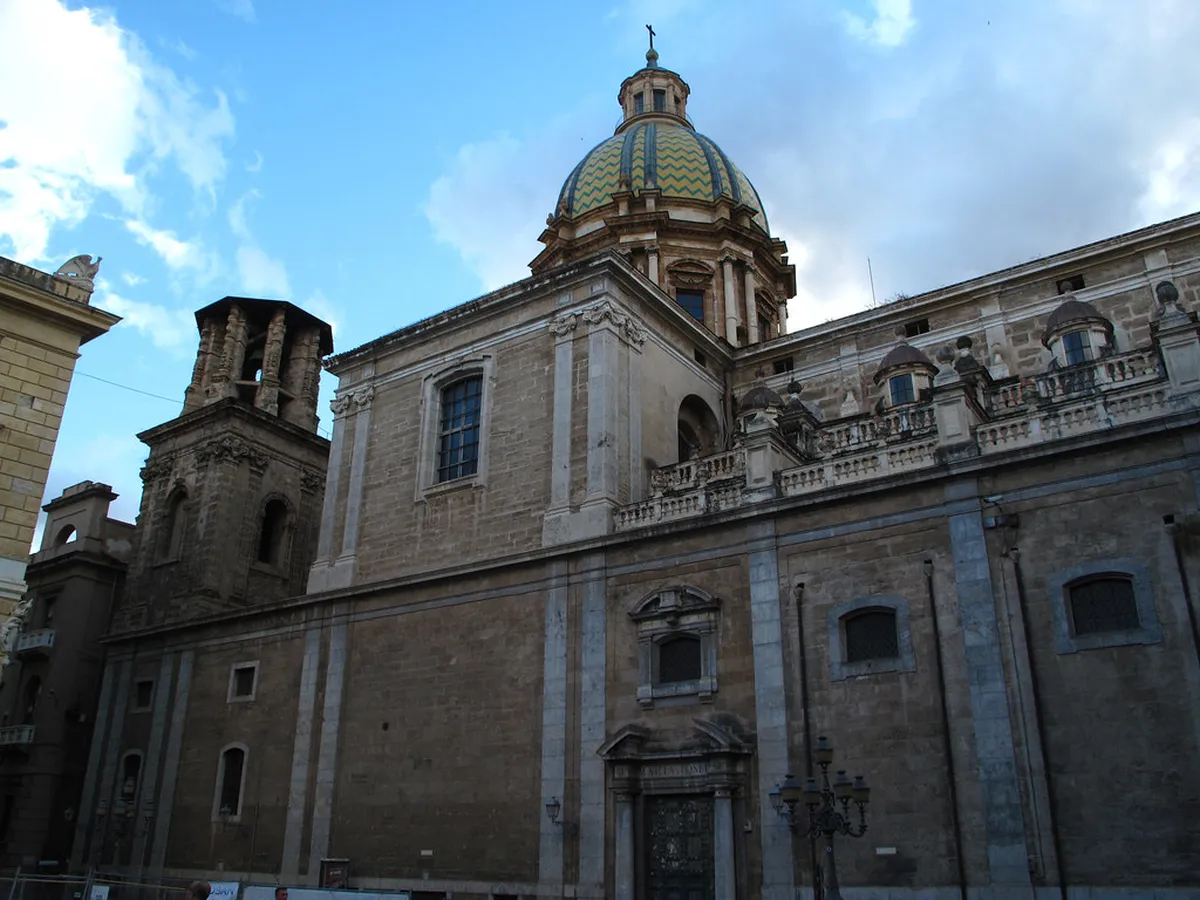
The Church of Saint-Jean-Baptiste is the largest religious building in all of Corsica and dominates the old port. Its twin bell towers stand tall against the blue sky and act as a landmark for sailors and tourists. Construction began in 1583 but the decorative elements we see today were added during the late Baroque period. You should visit the Saint-Jean-Baptiste Church in Bastia to see its massive interior space.
The interior of the church features a wide central nave that is lined with many small side chapels. Each chapel was traditionally maintained by a different local family or a specific group of city trade workers. You will find intricate carvings and large paintings that depict various scenes from the lives of the Christian saints. The high altar is a masterpiece of polychrome marble that glows under the soft light of the tall windows.
One of the most impressive features of this church is the large organ built by the Crudeli brothers. This musical instrument dates back to the nineteenth century and still produces a powerful sound during the Sunday mass. The choir stalls are made of dark carved wood that shows the incredible skill of the local cabinet makers. You can spend an hour just studying the details found on the ceilings and the marble floor patterns.
The church is open daily from eight in the morning until six in the evening for visitors to enjoy. There is no entrance fee to enter the main nave but you should remain quiet during the religious services. Photography is allowed as long as you do not use a flash which might damage the old paintings. Walking through the heavy front doors feels like stepping back into the golden age of the Genoese Republic.
The Oratories and Their Hidden Artistic Treasures
Bastia is famous for its oratories which served as the private meeting houses for the powerful local religious brotherhoods. These buildings often look quite simple from the outside but hide some of the most beautiful art in France. You can find the Oratory of Sainte-Croix tucked away behind the Governor's Palace in the historic citadel district. Exploring these Bastia oratories and brotherhood houses reveals a different side of the local history.
The Oratory of the Immaculate Conception features walls covered in rich red silk and intricate gilded wood carvings from 1609. This space was used for important civic meetings and religious ceremonies that shaped the future of the entire city. The ceiling is a masterpiece of Baroque trompe l'oeil painting that makes the flat surface look like a dome. You will feel the weight of history as you stand in the center of this perfectly preserved room.
Another must-see site is the Oratory of Monserato which is located a short walk away from the city center. This small chapel is famous for its Scala Santa which is a replica of the holy stairs in Rome. Pope Pius VII granted the city the right to have these stairs as a reward for their religious loyalty. Only a few cities in the world possess such a rare and important religious architectural feature today.
Most oratories are open to the public during the peak tourist season from May through the month of October. Some require a small entry fee of three Euros to help with the ongoing cost of building conservation. You should check the local tourism office for the specific opening times of each oratory during your stay. These small buildings offer a more intimate look at the religious life and artistic tastes of old Bastia.
Exquisite Stucco Work and Baroque Details
The use of decorative stucco is one of the most defining characteristics of the Baroque churches found in Bastia. Artists used a mixture of plaster and marble dust to create three-dimensional figures that seem to jump from walls. You can admire the complex stucco decoration in Corsican churches by looking at the frames around the large paintings. These white and gold elements add a sense of lightness and elegance to the heavy stone buildings.
Master craftsmen from the Italian mainland traveled to Corsica to teach local artists how to master these difficult techniques. They created delicate floral patterns and small cherubs that decorate the arches above the many side chapel entrances. The detail is so fine that you can see the individual feathers on the wings of the sculpted angels. These decorations were designed to reflect the candlelight and create a heavenly atmosphere for the local parish members.
- Gold Leaf: Many stucco elements are covered in thin layers of real gold for a brilliant shining effect.
- Pastel Colors: Artists used soft blues and pinks to provide a beautiful contrast with the bright white plaster.
- Floral Motifs: You will see many carvings of lilies and roses which symbolize different virtues in religious art.
- Statues: Life-sized figures of saints often stand on decorative pedestals integrated directly into the walls of the church.
The preservation of these delicate stucco elements requires constant care and a stable environment inside the old stone buildings. Humidity from the Mediterranean Sea can damage the plaster if the ventilation in the church is not managed properly. Restoration teams are currently working on several sites in Bastia to ensure these artistic details survive for future generations. Watching these experts work provides a fascinating insight into the traditional building methods used hundreds of years ago.
Pro-Cathedral of Sainte-Marie in the Citadel
The Pro-Cathedral of Sainte-Marie sits at the highest point of the Terra Nova district within the ancient city walls. This church served as the main cathedral of the city from the fifteenth century until the early nineteenth century. Its facade is a classic example of the transition between the late Renaissance and the early Baroque styles. You will find that the interior is surprisingly bright due to the large windows and the white marble.
Inside the cathedral you can see a famous silver statue of the Virgin Mary that weighs nearly half a ton. Local silversmiths created this masterpiece in the nineteenth century using traditional techniques passed down through many family generations. The statue is carried through the streets during a grand procession every year on the fifteenth of August. This event attracts thousands of visitors who want to witness the living traditions of the people of Bastia.
The high altar features some of the finest marble work in the Mediterranean region with colors ranging from green to red. You should look up at the ceiling to see the large frescoes that depict the life of Mary. The acoustic quality of the cathedral is excellent which makes it a popular venue for sacred polyphonic concerts. These traditional Corsican singing events are held frequently throughout the year and offer a powerful emotional experience.
Accessing the cathedral requires a pleasant walk through the narrow and picturesque streets of the old citadel fortification. You can enter the building for free every day between the hours of nine in the morning and noon. The surrounding plaza offers some of the best views of the harbor and the distant mountains of the island. It is the perfect place to rest after a morning spent exploring the architectural history of the city.
Planning Your Architectural Visit in 2025
The best time to visit Bastia for an architectural tour is during the mild months of spring or fall. April and May offer pleasant temperatures for walking between the different church sites located across the historic hills. You will find that the crowds are much smaller than during the peak summer months of July and August. A self-guided Bastia architectural walking tour is the best way to see all these sites at your own pace.
Most of the major churches are located within a twenty-minute walk of the central Place Saint-Nicolas near the harbor. You should wear comfortable shoes because the historic streets are often paved with uneven stones and steep steps. It is helpful to carry a map from the tourism office which marks the locations of the hidden oratories. Many visitors prefer to visit the churches in the morning when the light is best for taking photos.
You can find many small cafes and restaurants located near the churches where you can enjoy a traditional Corsican lunch. Prices for a meal typically range from fifteen to twenty-five Euros per person in the historic city center. Many local shops sell books and postcards that feature professional photographs of the Baroque interiors you have just seen. Supporting these local businesses helps to fund the ongoing preservation of the historic heritage of the city.
Check the official city website for any special events or religious festivals happening during your planned visit in 2025. Some churches may be closed for private ceremonies or special restoration projects during certain weeks of the year. Planning ahead ensures that you will not miss any of the major artistic highlights of the city of Bastia. Your journey through these Baroque masterpieces will provide a lasting memory of the beauty and history of Corsica.
Frequently Asked Questions
Why is Bastia famous for its Genoese Baroque architecture?
Bastia served as the capital of Corsica under Genoese rule for several hundred years during the Baroque era. The city benefited from the artistic trends and wealth flowing from the Italian mainland to the island ports. Local brotherhoods competed to build the most beautiful churches to show their religious devotion and social power. This history created a high concentration of masterfully decorated buildings within a very small geographic area.
Are the churches in Bastia free for tourists to enter?
Most of the major churches in Bastia are free for the public to enter during the day. You should check the specific opening hours as many buildings close for a few hours during lunchtime. Some smaller oratories might ask for a small donation of three to five Euros to support building maintenance. Always remember to dress respectfully and remain quiet when you are inside these active places of worship.
Which is the most important church to see in Bastia?
The Church of Saint-Jean-Baptiste is widely considered the most important religious monument to visit in the city. It is the largest church on the island and features a stunning interior filled with marble and gold. The twin bell towers are an iconic part of the city skyline and are visible from everywhere. You should also make time to see the Pro-Cathedral of Sainte-Marie in the historic citadel district.
Can I take photographs inside the Baroque churches?
You are usually allowed to take photos inside the churches as long as you do not use a flash. Flash photography can cause damage to the delicate pigments used in the old paintings and frescoes over time. You should always be mindful of people who are praying and avoid taking photos during a mass. Bringing a tripod is generally not allowed without getting special permission from the local parish priest first.
The Genoese Baroque churches of Bastia offer a unique window into the artistic and spiritual heart of Corsica. You will be amazed by the contrast between the rugged island landscape and the refined beauty of these interiors. Visiting these sites in 2025 allows you to appreciate the skill of generations of master architects and artists. Plan your visit today to discover why Bastia remains a top destination for fans of European religious architecture.
Key Takeaways
- Visit Saint-Jean-Baptiste to see the largest and most impressive interior in Corsica.
- Explore the hidden oratories in the Terra Vecchia district for rare silk and gold decorations.
- Wear comfortable walking shoes for the steep and narrow streets of the historic citadel.
- Check opening hours locally as many churches close for a short break during the afternoon.
- Look for the intricate stucco work that defines the unique Genoese style of the city.
Related reads: architecturebycity.com, terra nova citadel architecture, 19th century bourgeois architecture bastia.