
Discover Blois Religious Architecture in 2025
Discover the stunning Blois religious architecture. Explore historic cathedrals and ancient abbeys in 2025. Plan your architectural tour of Blois today!
On this page
Blois religious architecture offers a unique glimpse into the spiritual and artistic evolution of the Loire Valley region today. Many tourists overlook these sacred sites while focusing solely on the famous royal chateau located in the city center. However, the churches and cathedrals of Blois tell a fascinating story of French history through their ancient stones. Exploring these buildings reveals centuries of design trends ranging from early Romanesque styles to soaring Gothic vaults.
Visitors in 2025 will find that the religious sites in Blois remain remarkably well-preserved and accessible for everyone. These landmarks provide a peaceful retreat from the busy tourist streets while showcasing incredible masonry and artistic craftsmanship. You can see how royal influence shaped the grandeur of these buildings throughout different eras of French rule. Understanding these structures is essential for anyone who wants to fully appreciate the cultural heritage of this city.
The Grandeur of Saint Louis Cathedral
The Saint Louis Cathedral stands as a testament to the city's long and complex spiritual history since the medieval era. It was originally built as a smaller church before becoming a grand cathedral during the late seventeenth century. You will notice the impressive Saint Louis Cathedral Blois facade which displays a classic late-Gothic style. The current structure largely dates back to the reconstruction efforts funded by King Louis XIV after a storm.
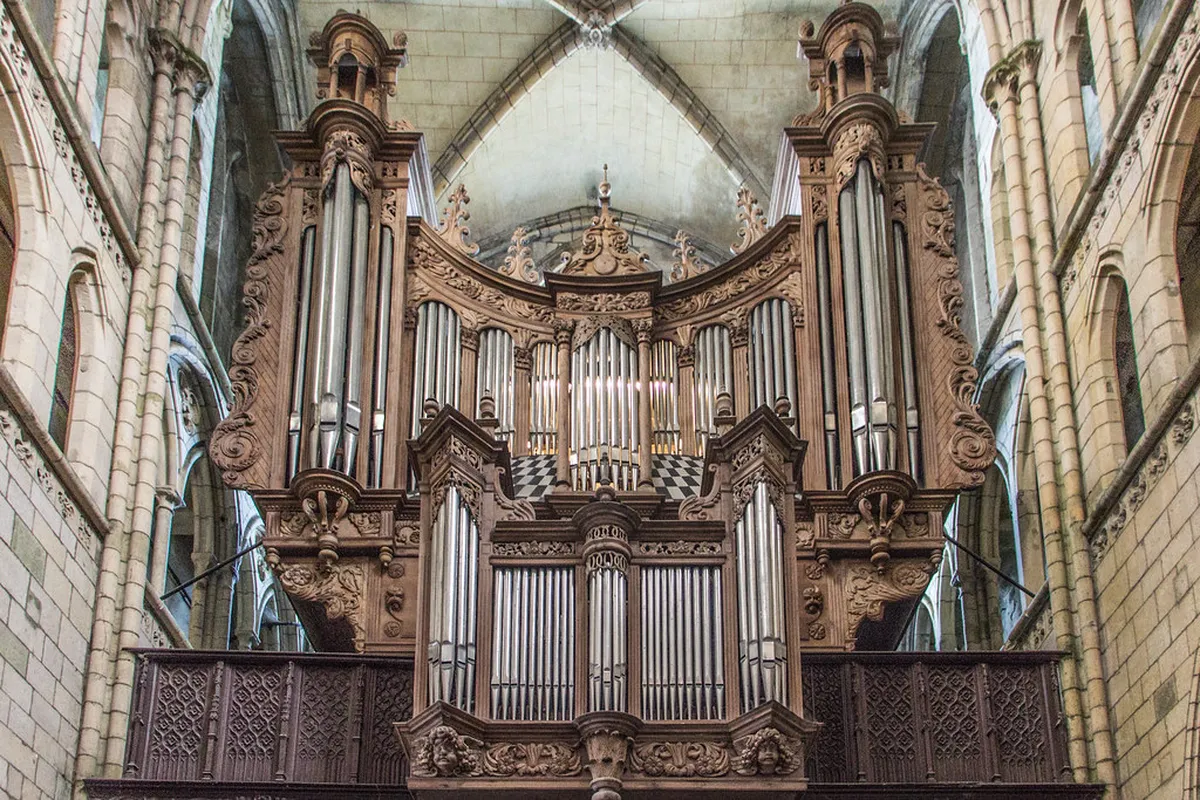
Inside the cathedral, the light filters through magnificent stained glass windows that depict various scenes from local religious life. The nave is spacious and features clean lines that highlight the height of the stone columns and ceiling. You can admire the intricate carvings on the pulpit and the grand organ that dominates the western wall. These features make the cathedral a primary highlight for anyone interested in classic French religious design and art.
The cathedral is open to the public daily from 9:00 AM until 6:00 PM for all visitors in 2025. Entry is free, although donations are always welcome to help with the ongoing maintenance of the historic fabric. It is located at the highest point of the town, offering great views of the surrounding historical streets. Be sure to check the local schedule for any special concerts or religious services held during your visit.
The crypt beneath the cathedral is one of the oldest parts of the entire building, dating back many centuries. It contains the remains of early structures that once stood on this sacred site long before the current church. This hidden space provides a stark contrast to the bright and airy upper levels of the cathedral building. Exploring the crypt helps you understand the deep layers of history that define this important religious landmark today.
The Abbey Church of Saint Nicolas
The Abbey Church of Saint Nicolas is widely considered the most beautiful example of abbey church of Saint Nicolas architecture available. This former Benedictine abbey was built between the twelfth and thirteenth centuries at the base of the castle hill. It perfectly illustrates the transition between the heavy Romanesque style and the lighter, more elegant Gothic architectural movements. The exterior features two massive towers that create a powerful silhouette against the skyline of the lower town.
The interior of Saint Nicolas is famous for its exceptional light and the harmony of its architectural proportions. Slender columns support the vaulted ceiling, creating a sense of weightlessness that was revolutionary for its time of construction. The choir section is particularly notable for its detailed capitals which feature carvings of plants and mythical creatures. These artistic details reflect the high level of skill possessed by the medieval stonemasons who worked here.
Visitors should pay close attention to the stained glass windows which were carefully restored to their former glory recently. These windows cast vibrant colors across the stone floor during the sunny afternoons in the spring and summer. The church remains an active place of worship, so visitors are asked to maintain a respectful silence inside. You can visit between 10:00 AM and 12:00 PM and again from 2:00 PM until 5:00 PM.
The surrounding grounds of the abbey offer a peaceful atmosphere for a quiet walk after exploring the historic interior. You can see the remnants of the old monastic buildings that once housed the monks who served the city. The proximity to the Loire River makes this a scenic stop on any tour of the local religious sites. Many photographers consider this church to be the most photogenic building in the entire city of Blois.
Romanesque Crypts and Ancient Foundations
Deep beneath the modern streets of the city lie several fascinating Romanesque crypts in Blois that date back over a thousand years. These underground spaces served as the foundations for earlier churches that have since been replaced or heavily modified. The crypt of Saint-Solenne is particularly important as it reveals the early Christian roots of the entire urban area. Walking through these cool stone passages feels like stepping back into the very beginning of the medieval period.
The architecture of these crypts is characterized by thick walls and heavy rounded arches designed to support massive weights. Small windows allow only tiny slivers of natural light to enter the dark and atmospheric chambers below the ground. You can still see the original masonry techniques used by workers during the ninth and tenth centuries in France. These structures are some of the oldest surviving pieces of building work in the entire Loire Valley region.
Guided tours are often the best way to gain access to these hidden gems of the city's religious heritage. Knowledgeable guides can point out the specific markings left by ancient builders and explain the religious significance of the site. Most tours of the crypts are held on weekends or during peak holiday periods throughout the year 2025. Please note that the stairs can be steep and the ground is sometimes uneven in these old spaces.
Understanding the crypts is vital for appreciating how the city grew and changed around its most important sacred centers. They represent the physical and spiritual foundations upon which the later Gothic and Renaissance wonders were eventually constructed. These sites offer a raw and unfiltered look at the engineering challenges faced by builders in the early middle ages. No architectural tour of Blois is complete without seeing these subterranean wonders for yourself during your trip.
Baroque Elegance at Saint Vincent de Paul
The Church of Saint Vincent de Paul provides a striking contrast to the older Gothic buildings found elsewhere in the city. This church was built by the Jesuits in the seventeenth century and features a distinct Baroque architectural style. The facade is grand and symmetrical, following the design principles that were popular during the reign of King Louis XIII. You can find this landmark located conveniently near the entrance of the royal chateau in the center.
A Blois architecture walking tour will usually include this stop to highlight the diversity of styles present in the town. The interior is bright and decorated with ornate altarpieces and fine paintings from the seventeenth and eighteenth centuries. The use of light in the building is intentional, designed to create a dramatic and emotional experience for the congregation. It represents a different era of religious expression compared to the stern medieval abbeys found nearby.
The church also houses several important monuments and tombs of local noble families who supported the Jesuit order in Blois. The decorative carvings on the wooden doors and the stone walls show a high level of artistic refinement and skill. Visitors can enjoy the quiet beauty of the side chapels which are filled with historical artifacts and religious art. This site is particularly popular with those who appreciate the ornate details of the French Counter-Reformation period.
In 2025, the church continues to host various cultural events including classical music concerts that utilize the excellent interior acoustics. These events provide a wonderful opportunity to experience the architecture in a different way while enjoying professional musical performances. The church is generally open from 10:00 AM to 5:00 PM, but hours may vary during local religious holidays. It is a must-visit for anyone interested in the evolution of religious art and design in France.
The Historical Significance of Saint Saturnin
Located across the river in the Vienne district, the Church of Saint Saturnin serves as an important historical landmark. This site has been a place of worship for centuries and was particularly significant for pilgrims traveling through the region. The building you see today features a mix of styles due to various expansions and repairs over several centuries. It offers a more local and community-focused atmosphere compared to the grand cathedrals in the main town center.
The church is famous for its connection to the river and the boatmen who once lived and worked in this district. You can see many small details in the decorations that pay tribute to the maritime history of the Loire. Before visiting architectural sites in Blois, many travelers research the unique history of the Vienne area and Saint Saturnin. The quiet streets around the church provide a glimpse into a more traditional side of French city life.
One of the most interesting features of Saint Saturnin is the collection of ex-voto offerings left by sailors and their families. These items tell personal stories of faith and gratitude for protection during dangerous voyages on the unpredictable Loire River. The church also features beautiful stone carvings that have weathered the elements for hundreds of years with grace. It remains a very active parish church with a strong sense of local identity and tradition in 2025.
The exterior of the church includes a lovely porch area where locals often gather after Sunday morning religious services. The walk across the Jacques Gabriel bridge to reach this church provides spectacular views of the main city skyline. You can see the cathedral and the chateau rising high above the river from this unique vantage point. Visiting Saint Saturnin is a great way to escape the main tourist crowds and find some peaceful reflection.
Frequently Asked Questions
Is there an entry fee for the religious sites in Blois?
Most religious sites in Blois are free for the public to enter and explore during regular opening hours. You might find that some specific crypts or special museum sections within churches require a small admission fee. These fees are usually around 3 to 5 Euros and help support the preservation of the historic buildings.
Which church in Blois has the best architectural views?
The Saint Louis Cathedral offers some of the best views because of its elevated position on a high hill. You can see the entire city and the river valley from the plaza located just outside the main entrance. The Church of Saint Saturnin also provides a great perspective of the Blois skyline from across the Loire.
Are the churches in Blois accessible for people with mobility issues?
Most main floors of the churches are accessible, but some historic areas like crypts or towers involve steep stairs. The Saint Louis Cathedral and Saint Nicolas are generally easy to enter through the main doors for most visitors. It is best to check with the local tourism office for the most current accessibility details for 2025.
Can I take photos inside the religious buildings of Blois?
Photography is generally allowed in most churches as long as you do not use a flash during your visit. You must always be respectful of people who are praying or attending religious services inside the buildings. Some specific artworks or sensitive areas might have signs that prohibit photography to protect the historic materials.
Blois religious architecture provides a rich and rewarding experience for any traveler visiting the Loire Valley in 2025. From the soaring Gothic arches of the cathedral to the quiet Romanesque crypts, these sites offer deep historical insights. You will discover a world of art and faith that has shaped the city for over a thousand years. Make sure to include these sacred landmarks in your travel plans to see the full beauty of Blois. We hope this guide helps you enjoy the spiritual heritage of this wonderful French city soon.
Key Takeaways
- Saint Louis Cathedral is a masterpiece of late-Gothic design with a royal history.
- Saint Nicolas Abbey Church shows the transition from Romanesque to Gothic styles perfectly.
- The Romanesque crypts offer a rare look at the city's earliest architectural foundations.
- Saint Vincent de Paul is the best place to see Baroque Jesuit architecture in Blois.
- Most religious sites are free to visit and provide a peaceful atmosphere for tourists.
Related reads: architecturebycity.com, architecture in blois.