
Explore La Ponche Historic District Architecture
Discover the stunning La Ponche historic district architecture in St-Tropez. This 2025 guide covers fisherman houses and historic towers. Start exploring today!
On this page
St-Tropez originally began as a very small and humble fishing village many hundreds of years ago. The La Ponche historic district architecture shows these deep and ancient maritime roots very clearly today. Local families built their homes right along the rocky shoreline for extreme daily convenience. This specific area provided very easy access to their boats and the Mediterranean Sea. Every narrow alley tells a unique story of maritime survival and artistic inspiration for visitors.
Evolution of La Ponche Historic District Architecture
St-Tropez originally began as a very small and humble fishing village many hundreds of years ago. The La Ponche historic district architecture shows these deep and ancient maritime roots very clearly today. Local families built their homes right along the rocky shoreline for extreme daily convenience. This specific area provided very easy access to their boats and the Mediterranean Sea.
Sailors and fishermen needed very sturdy homes located right near their daily maritime work environments. They constructed simple buildings that could easily withstand the harsh and salty sea air conditions. These early residents prioritized practical function over decorative elements during the initial construction process. You can still see this very practical approach in many of the oldest walls.
The district grew steadily throughout the fifteenth and sixteenth centuries with many new structures appearing. Ancient builders selected local limestone and timber found within the lush and green surrounding hillside areas. This choice created a harmonious look with the natural landscape and the deep blue sea. The neighborhood quickly became a dense maze of small living spaces and busy maritime workshops.
Dangerous pirate raids were very common along the French Riviera during this early historical period. Houses often shared thick and heavy walls to create a protective and defensive barrier together. This collective design helped keep the small and vulnerable community safe from many hostile invaders. Every building played a small role in the overall security of this coastal neighborhood.
Local conservation efforts ensure that the historic atmosphere remains perfectly intact for all future travelers. Modern visitors in 2025 will certainly notice the district's very unique and timeless historic feel today. Very few modern structures have disturbed the original and charming layout of the La Ponche area. Exploring these quiet streets feels like stepping back into a much simpler and traditional time.
Design Secrets of Traditional Fisherman Houses
The traditional fisherman houses define the soul of this quiet and extremely charming quarter. These structures feature very high and narrow facades to save valuable space along the coast. Most buildings rise three or four stories above the smooth and ancient coastal cobblestones today. You can see many original La Ponche fisherman houses design elements during a slow walk.
Owners often painted these homes in warm ochre or deep terracotta shades for visibility. These bright colors helped the returning fishermen identify their specific homes from the open sea. The shutters were usually made of heavy wood to protect the interior from strong winds. Many of these shutters are painted in shades of blue or soft sage green.
The ground floors of these houses often served as storage for nets and fishing gear. Living quarters were located on the upper levels to catch the cooling sea breezes easily. Tiny balconies sometimes overlook the water and provide a small outdoor space for the residents. These architectural details reflect the maritime lifestyle of the people who originally built St-Tropez.
Small windows were common in these older designs to keep the summer heat outside effectively. The thick stone walls provide excellent natural insulation against the intense Mediterranean sun in July. Residents often hung their laundry out to dry from the higher windows over the streets. This sight remains a common and very picturesque part of life in La Ponche.
Today, many of these historic houses have been carefully converted into luxury boutique hotel rooms. Architects work very hard to preserve the original stone walls and heavy wooden ceiling beams. Guests can enjoy modern comforts while living inside a piece of French Mediterranean history today. These renovations respect the heritage of the fishermen while serving the needs of modern travelers.
Defensive Structures and the Iconic Portalet Tower
Security was the most important priority for the architects of the early St-Tropez settlement. The neighborhood of La Ponche was once enclosed by heavy stone walls for maximum protection. Parts of these ancient fortifications are still visible and stand strong against the sea waves. They remind us that this peaceful town was once a heavily guarded coastal fortress.
The most famous defensive structure in this neighborhood is the impressive and sturdy Portalet Tower. This tower stands at the edge of the water and once guarded the small port. You can learn more about the history of the Portalet tower during your next visit. It features thick stone masonry that has survived many centuries of storms and battles.
The tower's design is circular to deflect incoming cannon fire from enemy ships at sea. Small slits in the stone allowed guards to watch for approaching threats without being seen. This structure is a perfect example of military architecture from the late Middle Ages period. It remains one of the most photographed landmarks in the entire La Ponche district.
The walls surrounding the tower connect to the foundations of the nearby seaside fisherman houses. This integration shows how the town grew around its most important defensive and security points. Walking along the base of the tower provides a wonderful view of the turquoise Mediterranean. The contrast between the rugged stone and the soft water is truly very beautiful.
In 2025, the area around the tower is a popular spot for quiet evening walks. The lighting at night highlights the textures of the ancient stones and the arched entrance. It serves as a gateway between the historic district and the small beach of La Ponche. This beach was once the main landing site for the local fishing fleet.
Navigating the Narrow Provencal Urban Layout
The urban layout of La Ponche is defined by its very narrow and winding streets. These alleys were designed to provide shade during the hottest parts of the summer day. The close proximity of the buildings helps to block the strong and cold Mistral winds. This provencal narrow street urban layout is typical of many older Mediterranean towns.
Many streets in this district are too narrow for cars to pass through safely today. This makes La Ponche a wonderful place for a peaceful and quiet walking tour experience. The paving consists of small stones and smooth pebbles collected from the nearby beaches long ago. These stones have been worn smooth by millions of footsteps over many passing centuries.
Hidden courtyards are tucked away behind heavy wooden doors throughout the maze of narrow streets. These private spaces often contain small fountains and leafy potted plants for a cool atmosphere. They provide a quiet sanctuary for residents away from the busy and crowded tourist areas. The scent of jasmine and salt often fills the air in these small spaces.
The layout forces visitors to slow down and notice the very small architectural details. You might spot a carved stone lintel or an ancient iron door handle nearby. Staircases are often built directly into the exterior of the houses to save space. These unique features make every corner of the neighborhood feel like a new discovery.
Modern maps can be difficult to use within the complex and overlapping street system here. Getting lost is actually the best way to experience the true spirit of La Ponche. You will eventually find your way back to the sea or the main square. Each turn offers a new perspective on the historic craftsmanship of the local builders.
Traditional Materials and the Iconic Color Palette
The materials used in La Ponche reflect the natural resources of the surrounding French landscape. Local limestone is the primary building material for almost every historic structure in the area. This stone has a soft and warm tone that glows beautifully during the sunset. It is durable enough to withstand the salt and the humidity of the sea.
Lime-based plasters cover many of the stone walls to provide an extra layer of protection. These plasters are breathable and help to keep the interior of the houses very dry. Artisans use traditional techniques to apply these finishes and maintain the authentic historic look. You can find the best st-tropez architecture photography spots near these textured walls.
The color palette of La Ponche is strictly regulated to preserve the town's visual heritage. Buildings are typically painted in shades of yellow, orange, red, and warm pinkish tones. These colors create a vibrant contrast with the deep blue of the Mediterranean sky. The harmony of these warm colors gives the district its world-famous Mediterranean charm.
Wooden elements like doors and shutters are usually painted in contrasting and cool colors. Dark greens and pale blues are the most popular choices for these architectural features. The paint often fades over time to create a beautiful and weathered vintage appearance. This aging process adds to the character and the soul of the old neighborhood.
Terra cotta tiles are the standard material for the sloping roofs of the district. These clay tiles are arranged in a specific overlapping pattern to shed heavy rainwater. They absorb the heat of the sun and release it slowly during the evening. The sea of red roofs is a defining feature of the St-Tropez skyline.
Religious Landmarks in the La Ponche Neighborhood
The religious buildings in La Ponche are just as important as the historic fisherman houses. They served as the spiritual heart of the community for many hundreds of years. The architecture of these sites is often more decorative than the surrounding residential buildings. They feature beautiful stone carvings and tall bell towers that dominate the local skyline.
The most famous religious landmark is the stunning Notre-Dame de l'Assomption bell tower. This tower is painted in bright yellow and red colors that are very iconic. It is visible from almost anywhere in the town and even from the sea. The Baroque style of the church provides a beautiful contrast to the simpler houses.
Inside these churches, the architecture is designed to inspire awe and quiet reflection for visitors. High vaulted ceilings and marble altars show the wealth of the town during past eras. Many local families donated money to decorate these spaces as a sign of their faith. These buildings remain active places of worship for the local community in 2025.
Small chapels are also hidden within the residential streets of the La Ponche district today. These tiny buildings were often used by specific groups like sailors or local merchants. Their simple stone facades often hide beautiful and very colorful religious murals inside them. They offer a moment of peace and quiet for those who find them.
Walking between these religious sites allows you to see the town's social history clearly. The churches were often built on the highest ground for safety and for visibility. They acted as a landmark for sailors navigating back to the safety of the port. The bells still ring out across the terracotta roofs every single day.
Frequently Asked Questions
What is the oldest part of St-Tropez?
La Ponche is the oldest and most historic neighborhood in the town of St-Tropez. It was the original heart of the small and humble fishing village centuries ago. The architecture here preserves the ancient maritime spirit of the French Riviera. You can explore its narrow streets to see the earliest stone foundations.
Can you walk through La Ponche?
Yes, the entire La Ponche district is very easy to explore on foot today. Most of the streets are pedestrian zones and do not allow any cars. A slow walk through the neighborhood takes about thirty to forty-five minutes total. This is the best way to see the historic fisherman houses.
What colors are the houses in La Ponche?
The houses in La Ponche are famous for their warm and vibrant Mediterranean colors. You will see many shades of yellow, orange, and deep terracotta on the walls. The shutters are often painted in contrasting shades of blue or dark green. These colors are strictly protected by local conservation laws in 2025.
Where is the best view of La Ponche?
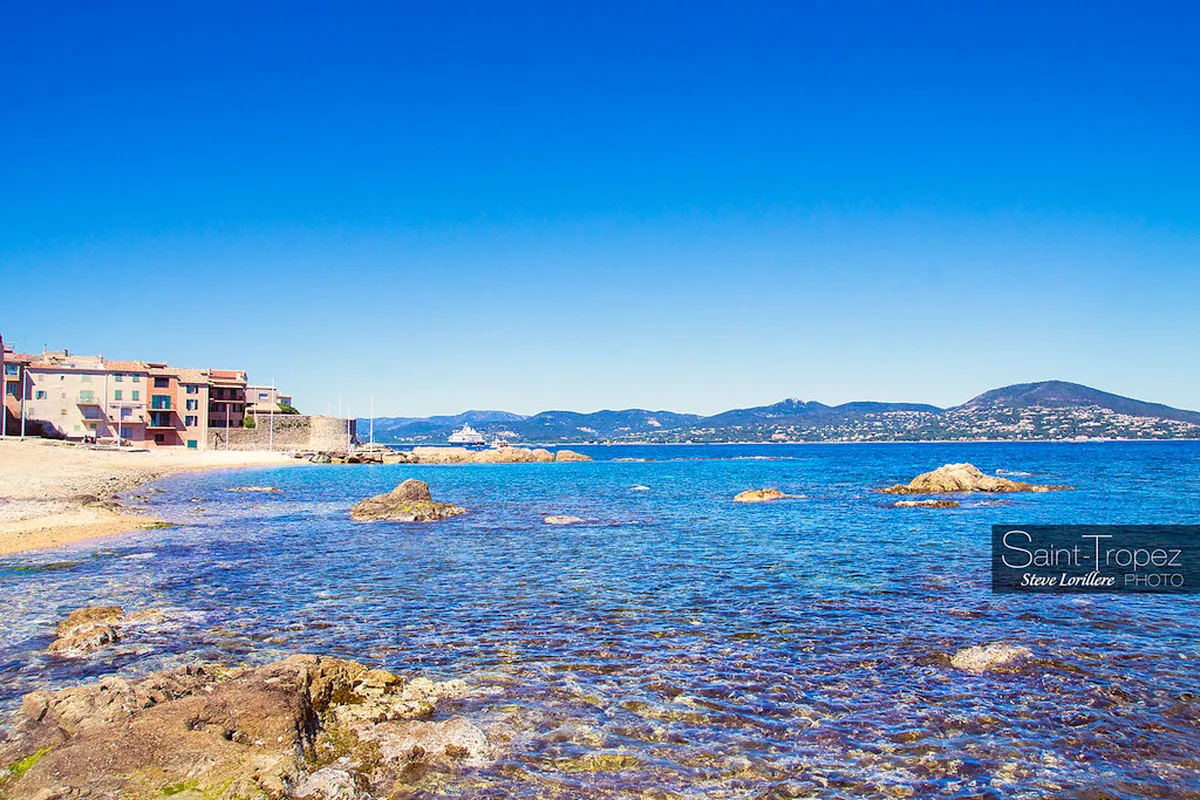
The best view of the district is from the water or the Portalet Tower. You can see the colorful houses and the famous bell tower from the shore. The small beach of La Ponche also offers a great perspective of the walls. It is a perfect spot for taking beautiful travel photographs.
La Ponche remains the most authentic part of St-Tropez for travelers visiting in 2025. The La Ponche historic district architecture provides a rare look into the town's past. Its narrow streets and colorful houses create a truly magical and timeless atmosphere today. Plan your visit soon to experience the quiet beauty of this ancient fisherman quarter.
Key Takeaways
- Explore the fisherman houses to see authentic Provencal maritime design.
- Visit the Portalet Tower for the best historical and military insights.
- Wear comfortable shoes to navigate the narrow and stony pedestrian streets.
- Look for the iconic yellow and red bell tower for navigation.
Related reads: architecturebycity.com, architecture in st tropez, st tropez neo regionalism style.