
La Ponche Fisherman Houses Design: St-Tropez Guide
Discover the unique La Ponche fisherman houses design in St-Tropez. Learn about historic architecture and plan your 2025 trip today. Read our expert guide!
On this page
St-Tropez is famous for its luxury yachts and vibrant nightlife today. However, its heart remains in the iconic La Ponche fisherman houses design. This historic area tells a deep story of the Mediterranean sea. It reflects the humble beginnings of this world-class French destination.
The La Ponche historic district architecture offers a glimpse into the past. Narrow streets lead visitors toward the old fishing harbor and small beach. Each building showcases centuries of coastal history and Provencal charm. You can feel the authentic spirit of old St-Tropez in every corner.
Core Elements of La Ponche Fisherman Houses Design
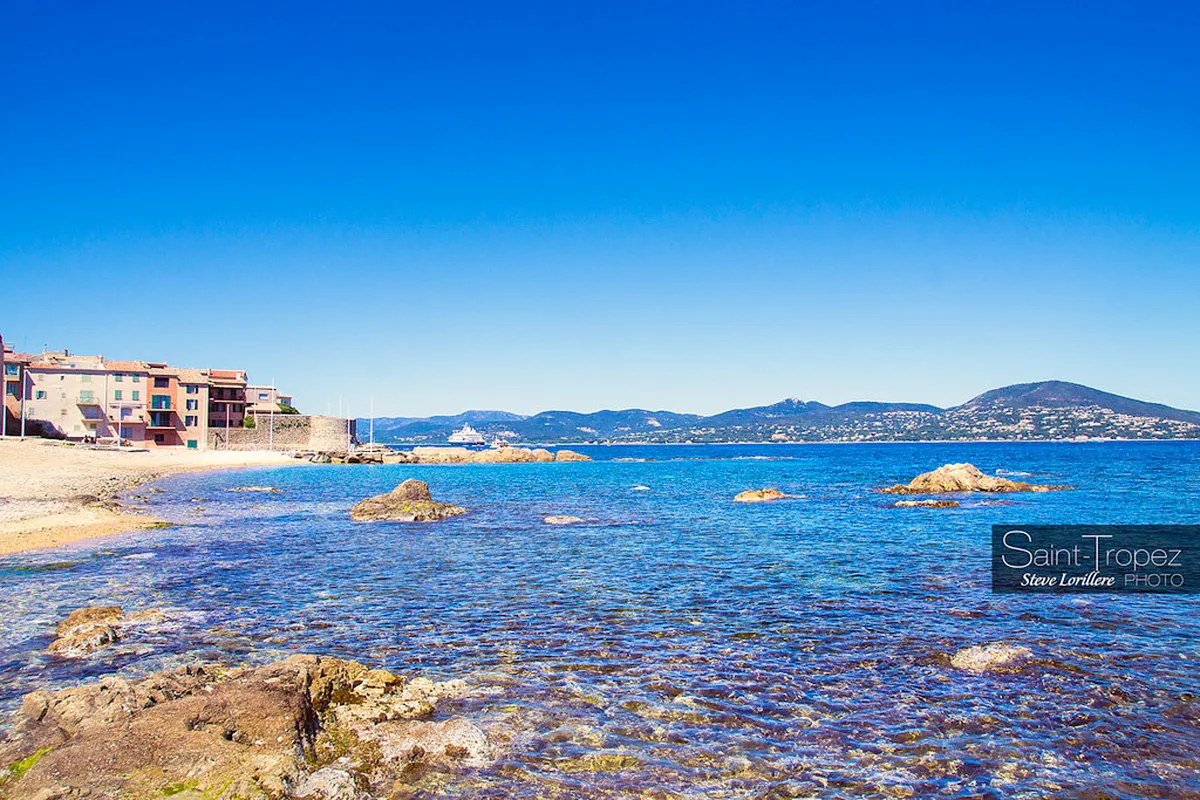
The La Ponche fisherman houses design features unique Provencal characteristics throughout the area. Most buildings use thick stone walls to stay cool during hot summers. These structures have stood for centuries against the salty sea air. You will see many shades of yellow and orange on the facades.
Windows in this district are typically small to keep the interior heat out. They often feature wooden shutters painted in soft blue or pale green. These shutters protect the glass from strong Mediterranean winds during the winter. This functional choice adds incredible visual charm to the local streetscape.
The roofs use traditional red clay tiles common across Southern France. These tiles help drain heavy rainwater quickly during seasonal autumn storms. Local builders still use these materials to maintain historical accuracy in 2025. This preservation ensures the district keeps its beautiful and timeless look.
Color palettes play a vital role in the overall aesthetic of the neighborhood. The warm ochre and terracotta tones glow beautifully during the sunset hours. Many residents maintain these colors to honor the traditional fishing village heritage. This consistency makes the district a favorite spot for artists and designers.
The Urban Layout of the La Ponche Historic District
The urban layout of La Ponche is characterized by extremely narrow, winding streets. These paths were designed to provide shade and protection from the elements. Walking through these alleys feels like stepping back into the eighteenth century. Every turn reveals a new perspective on the historic harbor.
Buildings are often tall and thin to maximize the limited coastal space. Most houses rise three or four stories above the cobblestone ground. This vertical design allowed families to live above their fishing gear storage. It created a dense and cozy atmosphere that remains today.
You can find several small squares where neighbors used to gather daily. These public spaces often feature old stone wells or decorative fountains. The architecture in St-Tropez is best experienced on foot in this area. No cars are allowed to enter these tiny, historic passages.
The proximity to the sea influenced every aspect of the town planning. Houses were built close together to break the force of the wind. Small balconies often overlook the water, offering views of the fishing boats. This connection to the Mediterranean defines the lifestyle of La Ponche.
Materials and Construction Techniques in St-Tropez
Local builders historically used limestone and river rocks for constructing these sturdy homes. These materials were easy to source from the surrounding Provencal hills. The masonry work is often visible beneath thin layers of traditional lime plaster. This creates a textured surface that catches the light beautifully.
Wooden beams made from local oak or pine support the heavy tile roofs. Inside, many homes still feature original terracotta floor tiles called tomettes. These tiles are durable and remain cool underfoot during the peak of summer. They are a signature element of high-quality French Mediterranean interior design.
Wrought iron is another common material found in the La Ponche fisherman houses design. You will see it used for decorative railings and sturdy window grilles. Local blacksmiths once crafted these items by hand for the village residents. Today, they serve as elegant reminders of the district's artisanal history.
Sustainable building practices were a necessity for early residents of the fishing port. Thick walls provided natural insulation without the need for modern technology. Small openings ensured privacy while allowing cross-ventilation from the sea breeze. These ancient techniques are still studied by modern architects in 2025.
Preservation of Traditional Style in 2025
In 2025, the village of St-Tropez maintains very strict rules for building renovations. Owners must follow specific guidelines to preserve the La Ponche fisherman houses design. You cannot change the facade color without official permission from the town hall. This keeps the historic district looking authentic for future generations.
Modern amenities are carefully hidden behind old stone walls and wooden doors. Air conditioning units and satellite dishes are rarely visible from the main streets. This attention to detail preserves the romantic atmosphere that tourists love. It requires significant investment from property owners to maintain these standards.
Many of these former fishing cottages are now luxury boutiques or boutique hotels. Designers work hard to balance modern comfort with original architectural features. You might see exposed stone walls paired with high-end contemporary furniture. This blend of old and new defines the current luxury market.
Visitors can take an architectural photography tour to see these details. These tours highlight the best-preserved examples of local craftsmanship in the area. Expert guides explain the history behind each unique door and window frame. It is the best way to appreciate the hidden beauty.
Practical Tips for Visiting La Ponche
The best time to explore La Ponche is early in the morning. The light is soft and the streets are quiet before the crowds arrive. You can watch the sun rise over the old stone towers. This is the perfect moment for taking clear photos of the architecture.
Comfortable walking shoes are essential for navigating the steep and uneven cobblestones. Avoid wearing high heels as they can easily get stuck in the gaps. Most of the district is accessible only by foot, so prepare for walking. The area is small enough to see in about two hours.
Visiting during the shoulder seasons like May or September is highly recommended. The weather is perfect for walking and the village is less crowded. You will find better prices for local tours and nearby cafes. In summer, the narrow streets can become quite hot and very busy.
- Wear flat, non-slip shoes for the cobblestone paths.
- Bring a camera with a wide-angle lens for narrow alleys.
- Respect the privacy of local residents living in the district.
- Visit the small beach at the end of the neighborhood.
Frequently Asked Questions
What defines the La Ponche fisherman houses design?
The design is defined by pastel ochre facades and small windows. It uses traditional materials like stone, lime plaster, and red clay tiles. The houses are typically tall and narrow to fit the dense street layout. Functional wooden shutters and wrought iron details are also key features.
Is it free to visit the La Ponche historic district?
Yes, it is completely free to walk through the public streets of La Ponche. You can enjoy the exterior architecture without paying any entrance fees. Some specific historic buildings or museums nearby may charge a small admission price. Most visitors simply enjoy the atmosphere of the winding alleys.
Where is the best place to see these houses?
The best examples are located between the Port of St-Tropez and the Citadel. Head toward the Place de la Ponche to find the most iconic views. This area contains the highest concentration of well-preserved fisherman cottages. It is located just a short walk from the main harbor.
The La Ponche fisherman houses design is a vital part of French coastal heritage. It offers a peaceful contrast to the modern glitz of the French Riviera. Exploring these streets allows you to connect with the authentic soul of St-Tropez. Plan your visit in 2025 to experience this architectural gem in person. Don't forget to book a local tour for more deep historical insights.
Key Takeaways
- La Ponche features warm pastel facades and traditional red tile roofs.
- The district's narrow streets were designed for shade and coastal protection.
- Strict preservation rules in 2025 maintain the area's authentic 18th-century look.
- Early morning is the ideal time for photography and quiet exploration.
Related reads: architecturebycity.com, provencal narrow street urban layout.