
Provencal Narrow Street Urban Layout in St-Tropez
Discover the Provencal narrow street urban layout of St-Tropez today. Learn about La Ponche architecture and plan your 2025 visit to France now!
On this page
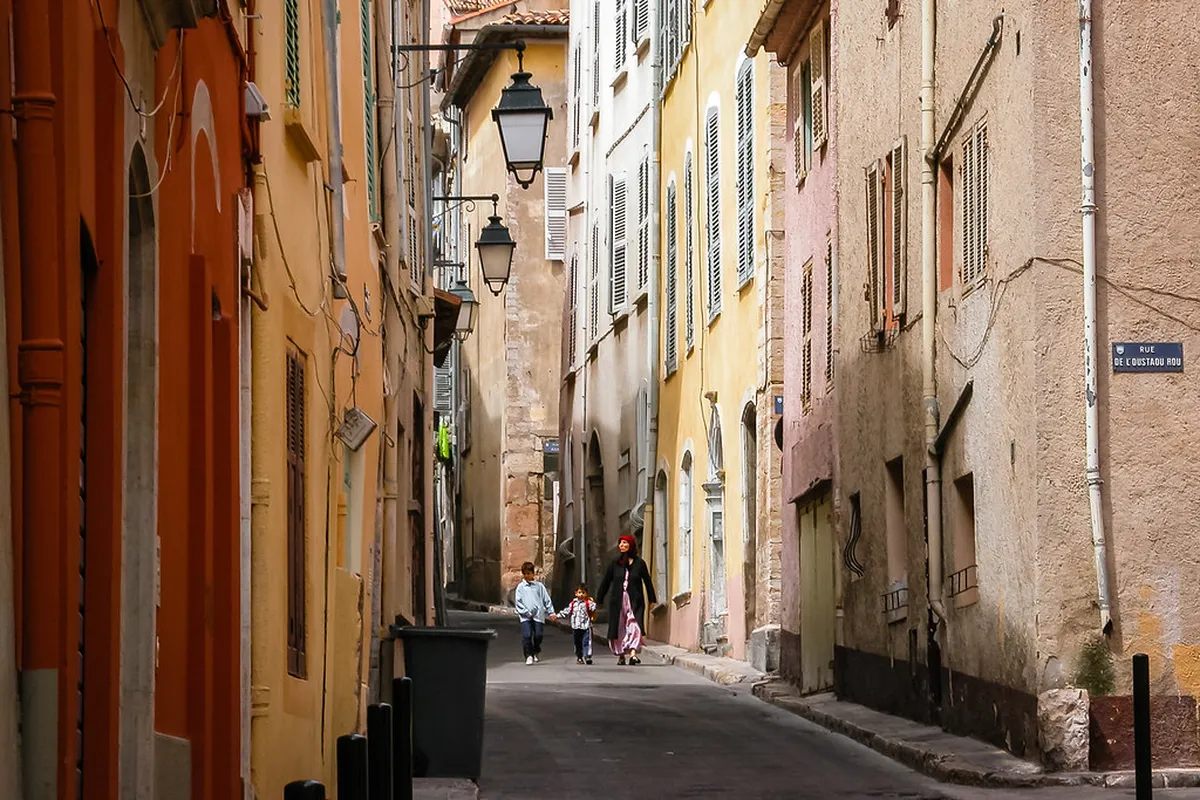
Saint-Tropez is globally famous for its stunning Provencal narrow street urban layout and coastal charm. This historic core remains a masterclass in traditional Mediterranean urban planning and functional design. Visitors in 2025 can still experience the ancient maritime spirit of this beautiful French village. The La Ponche historic district architecture serves as the primary cultural soul of the region.
Walking through these ancient alleys offers a unique glimpse into the survival of traditional Provencal life. The dense network of pathways was designed to protect inhabitants from both weather and enemies. Every stone in the pavement tells a story of centuries spent by the Mediterranean Sea. This analysis explores how the urban plan continues to define the character of Saint-Tropez today.
Origins of the Historic Urban Plan
Fishermen built the very first homes in this small and cozy coastal village many centuries ago. They designed the streets to follow the natural rocky coastline of the beautiful Mediterranean Sea. Most pathways lead directly toward the turquoise waters to allow for quick access to boats. These routes were originally meant for transporting the heavy daily catches of fresh local fish.
The layout creates a dense network of winding alleys that confuse many modern day visitors. Every corner reveals a hidden courtyard or a small fountain bubbling with cool fresh water. Buildings stand close together to maximize the limited land space available near the harbor area. This density reflects the town's medieval defensive needs during a very turbulent period of history.
Tall houses provide constant shade for those walking in the corridors below the red roofs. This architectural choice helps regulate the intense summer heat within the dense village center today. Narrow gaps between buildings also channel cooling sea breezes through the entire historic district area. You can see this clever design throughout the village center during your 2025 summer trip.
Preservation laws protect this unique urban environment for the future of the local French community. Many residents still live in these historic family homes located in the heart of town. They offer a physical map of the medieval era for travelers exploring the quiet streets. These pathways remain largely unchanged for tourists seeking an authentic Provencal experience this coming year.
Climatic Benefits of the Narrow Streets
The narrow streets serve a vital environmental purpose for residents in the heart of Provence. The proximity of the tall buildings creates deep shadows during the hot and sunny afternoons. This natural cooling system reduces the need for modern air conditioning within the old homes. Local residents have used this clever architectural technique for many hundreds of years in France.
Airflow is carefully managed through the specific orientation of these alleys toward the sea shore. Breezes are funneled through the tight gaps between the thick and sturdy stone walls today. This movement creates a gentle wind that cools the entire neighborhood during the summer months. It makes the Mediterranean heat much more bearable for everyone exploring the historic village center.
The height of the buildings is proportional to the street width for maximum cooling effect. This specific ratio ensures that the ground stays cool and dark throughout the daytime hours. It prevents the pavement from absorbing too much solar heat during the peak of summer. Such planning shows deep knowledge of the local Mediterranean climate by the original master builders.
Windows are often small to keep the interior spaces quite cool for the local families. They are strategically placed to catch cross-breezes from the nearby harbor and the sea. Thick stone walls provide excellent insulation against both the summer heat and the winter cold. This sustainable approach is a hallmark of regional Provencal design found in many coastal towns.
Defensive Architecture in the Old Quarter
Security was a primary concern for the original builders of the early St-Tropez village center. The Provencal narrow street urban layout acted as a natural defensive barrier against foreign invaders. Strategic gaps between the houses allowed lookouts to monitor the harbor for any incoming threats. The history of the Portalet Tower shows this military connection to the district urban design.
Secret passages allowed residents to move between houses without being seen by any potential enemies. These hidden routes provided vital escape paths during times of coastal conflict and regional wars. Many of these passages still exist as private residential entrances for the locals living there. They add an air of mystery to the old town atmosphere for modern day explorers.
The layout forced attackers into narrow bottlenecks where they were very vulnerable to local defense. This tactical advantage was crucial for a small fishing village located in the heart of Provence. Defensive planning and residential life were completely integrated into one single and effective urban design. Every stone and alley served a specific purpose for the survival of the coastal community.
Lookout points were built into the upper floors of corner buildings near the harbor wall. These windows offered clear views of the sea and the surrounding green hills of France. Guards could signal the village quickly if they spotted any suspicious ships on the horizon. This vigilance was part of daily life for generations of families living in La Ponche.
Color and Material Selection in St-Tropez
The visual appeal of La Ponche comes from its use of traditional and natural materials. Local limestone provides the structural foundation for almost every historic building in the old town. This stone is extremely durable and handles the harsh coastal weather and salty air well. The architecture in St-Tropez celebrates these organic and earthy textures found throughout the city.
Ochre-based plasters give the facades their famous warm and glowing colors during the golden hour. These shades range from soft terracotta to deep burnt orange hues across the village walls. They reflect the sunlight in a way that feels welcoming and bright to every visitor. This color palette is a defining feature of the traditional Provencal style in France.
Terracotta tiles cover the roofs to provide excellent protection from the heavy autumn rain storms. Their curved shape allows for natural ventilation under the roof surface to keep homes dry. These red tiles create a beautiful pattern when viewed from the high Citadel lookout point. They are a traditional staple of Mediterranean coastal housing designs used for several centuries now.
Wrought iron balconies often decorate the second and third floor levels of these historic houses. These metal features add a touch of elegance to the rustic and thick stone walls. They provide a space for residents to grow colorful flowers and climbing green vines today. Green plants create a stunning contrast against the warm plaster colors of the old town.
Preserving the Heritage for Future Travelers
Maintaining this historic district requires a dedicated and continuous effort from the local French government. Strict rules govern any changes made to the exterior of the ancient buildings in La Ponche. These regulations ensure that the Provencal character remains intact for many future decades to come. Future generations will be able to enjoy the same timeless beauty of the narrow streets.
Restoration projects in 2025 focus on using traditional building techniques and local regional materials. Experts use lime-based mortars to repair the aging stone walls and the colorful plaster facades. This approach allows the buildings to breathe and prevents long-term moisture damage from sea air. It is a slow but necessary process for the preservation of this unique architectural heritage.
Tourism is managed carefully to prevent overcrowding in the narrowest of the alleys and paths. Signage helps direct visitors to the most significant architectural landmarks and the best sea views. This strategy protects the daily life of the residents living in the heart of town. It creates a sustainable balance between local living and global travel for the modern era.
Educational tours offer deep insights into the long history of the coastal urban layout today. Guides explain the significance of the various architectural styles found in the old fishing village. Visitors learn to appreciate the hidden details that they might otherwise miss during their walks. Knowledge enriches the travel experience for every person who visits the heart of St-Tropez.
Frequently Asked Questions
Why are the streets in the La Ponche district so narrow and winding?
The narrow design provides constant shade and channels cooling wind through the hot village streets. It also helped defend the town from ancient pirate raids during the long medieval era. These tight paths made it difficult for invaders to navigate the town quickly.
What is the best way to explore the Provencal narrow street urban layout?
Walking is the only effective way to experience the charm of the historic old town. Wear comfortable shoes with good grip for the steep and often uneven stone pathways. Most alleys in La Ponche are too narrow for cars or modern scooters today.
Are the colorful buildings in the old town protected by any heritage laws?
Yes, strict preservation laws protect the facades and the overall urban layout of the district. Owners must use specific traditional colors and materials for any repairs or restoration work. This ensures the historic Provencal character of St-Tropez remains unchanged for future visitors.
Can travelers visit the historic district of La Ponche for free in 2025?
The district is a public residential neighborhood and is completely free for everyone to explore. You can walk through the streets at any time to enjoy the unique coastal architecture. Always remember to respect the privacy of the local residents living in these historic homes.
The Provencal narrow street urban layout defines the authentic Saint-Tropez experience for every modern traveler. This historic district remains a treasure of French coastal design and traditional Mediterranean planning. Plan your 2025 visit to walk these timeless stone paths and discover hidden coastal secrets. You will find a peaceful world far beyond the luxury yachts of the modern harbor.
Key Takeaways
- The layout provides natural cooling through shade and sea breeze channels.
- Winding streets served a vital defensive role against historical maritime invaders.
- Traditional ochre plasters and terracotta roofs define the visual identity of La Ponche.
Related reads: architecturebycity.com, la ponche fisherman houses design, st tropez neo regionalism style.