
Citadelle de Saint-Tropez Military Architecture Guide
Discover the Citadelle de Saint-Tropez military architecture. Explore this 17th-century fortress and its maritime museum. Plan your visit for 2025 today!
On this page
The Citadelle de Saint-Tropez military architecture remains a stunning example of early modern coastal defense systems. This massive stone fortress overlooks the sparkling blue Mediterranean Sea from its high vantage point today. It stands as a powerful symbol of French military power and strategic planning along the coast. Visitors traveling to the French Riviera in 2025 will find this historic site absolutely fascinating.
The site offers a deep look into the local maritime history of this famous resort town. It reflects the strategic importance of the region during times of war and sea trade expansion. You can explore the thick walls and ancient towers during your next visit to southern France. This guide covers all the best architectural features of the fort for curious modern travelers today.
The Evolution of the Citadelle Structure
Construction of the famous citadel began during the early years of the seventeenth century in France. King Henri IV ordered this massive project to protect the vital coast from potential enemy invaders. Workers built the fort on the highest hill overlooking the busy port of Saint-Tropez itself. This specific location offered a perfectly clear view of any incoming ships from the Mediterranean Sea.
Engineers designed the entire fort to survive heavy naval artillery fire from the sea during battles. Its thick stone walls were built specifically to absorb massive shocks from incoming heavy cannon balls. The complex layout includes several powerful bastions and a very strong central defensive keep area. This impressive design showcases Vauban style fortifications in St-Tropez with great historical accuracy today.
The skilled masonry work is still in excellent condition for visitors to enjoy during 2025 trips. Local workers used sturdy stone to blend the structure naturally with the rocky coastal landscape surroundings. You can easily see the incredible precision in every corner of the massive outer fortress walls. It remains a true masterpiece of early modern military engineering within the southern region of France.
Dedicated restoration teams work very hard to preserve the site for future generations of world travelers. In 2025, you can walk safely along the top ramparts while enjoying the fresh sea air. These narrow paths were once used by brave soldiers on watch for any signs of danger. The ramparts are the perfect place to start your tour of this incredible historic military monument.
Architectural Features of the Hexagonal Tower
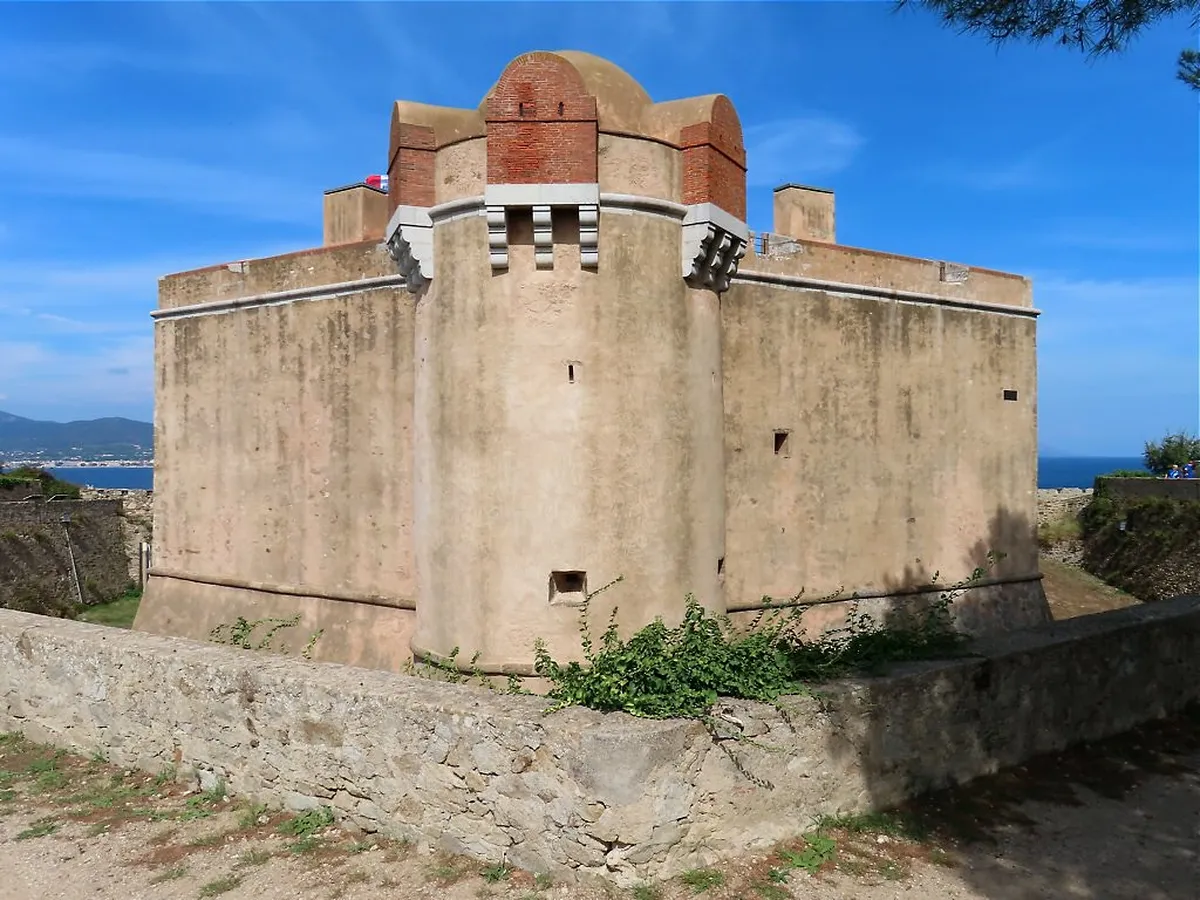
The central hexagonal tower is truly the heart and soul of the entire fortress complex today. This unique geometric shape allowed for defensive fire in all directions against any potential ground attackers. It was a core part of the hexagonal tower construction techniques used during that specific historical era. The tower remains the most recognizable feature of the skyline for anyone visiting the harbor area.
Inside the tower, the overall design is very functional and sparse for the resident military guards. Massive stone pillars support the heavy vaulted ceilings to ensure the structure remains standing for centuries. There are multiple levels designed for troop housing and essential equipment storage during long military sieges. Narrow stone stairs lead modern visitors through the historic interior spaces of this massive defensive tower.
Small defensive slits line the outer walls of the tower to protect the archers and soldiers. These openings were used for heavy muskets and crossbows to repel any enemies from the fort. They provided excellent protection while allowing soldiers to fire outward at any threats on the ground. It is a very clever detail of 17th-century military design that visitors can still see today.
The Museum of Maritime History Inside
The citadel now hosts a fantastic maritime history museum inside the main stone dungeon area today. This museum explores the deep and ancient connection between the town and the surrounding blue sea. It offers a cool escape from the hot summer sun for travelers exploring the fortress walls. Visitors will find a large collection of artifacts that tell the story of the local people.
Modern exhibits blend very well with the ancient stone surroundings of the old military storage rooms. The architecture of the maritime museum cleverly uses glass and soft light to highlight history. This creates a striking visual look inside the dark and heavy fortress walls for all visitors. It helps bring the local naval history to life through careful design and modern museum technology.
You will see many interesting artifacts from local fishing boats used throughout the long history here. The museum also features incredible stories of famous explorers who sailed from this small French port. Interactive screens make the learning experience fun and engaging for visitors of all ages in 2025. It is a very educational way to spend an afternoon learning about the rich local culture.
Strategic Defensive Layout and Bastions
The bastions are wide stone sections that stick out from the main walls of the fort. They allowed soldiers to shoot along the fortress base to defend against any climbing enemy troops. This design prevented enemies from hiding near the wall during a long and difficult military siege. It was a standard feature of many Mediterranean defense systems built during the seventeenth century period.
Large iron cannons sit along the upper stone platforms to protect the harbor from naval attacks. These heavy weapons could hit enemy targets far out at sea with great power and accuracy. They are beautiful examples of historic military technology that have been preserved for the public today. Many visitors stop at these cannons to take dramatic landscape photos of the sea and sky.
A deep dry moat circles the entire base of the citadel to slow down any invaders. It served as a major barrier for any ground attackers trying to reach the main walls. This forced invaders to become easy targets for the guards stationed in the towers and bastions. The natural terrain was used perfectly to enhance the defensive strength of this massive coastal fort.
Planning Your Visit in 2025
Walking up to the citadel is a great way to get some light exercise during vacation. The winding path takes you through the beautiful La Ponche historic district architecture area first. You will see many charming old buildings and very narrow streets as you climb the hill. The climb up the hill is quite scenic and offers many great views of the town.
Try to visit early in the morning for the best light and much cooler outdoor temperatures. The citadel can get very busy and crowded during the peak afternoon hours in the summer. Morning visits also offer much quieter paths for walking around the ancient stone walls and towers. This site is one of the top St-Tropez architecture photography spots for travelers today.
General admission costs around four euros for adults visiting the site during the 2025 travel season. Children under a certain age often enter for free when they are with a paying adult. Check with the local tourist office for any special group discounts or combined city tour tickets. It is a very budget-friendly activity for most travelers who want to see French history firsthand.
Frequently Asked Questions
Why is Citadelle de Saint-Tropez military architecture important?
It defended the French coast from invaders for many centuries since the early seventeenth century period. The fort represents a key shift in defensive engineering styles used by the French military forces.
What are the opening hours for the citadel in 2025?
The site usually opens at ten in the morning every single day of the week here. It closes at six-thirty in the evening during the busy summer months for all museum visitors.
Is there parking available near the citadel?
There is no parking directly at the fortress entrance for cars or any other motor vehicles. Most visitors park their cars in the harbor area and walk up the hill to enter.
Can I buy tickets for the museum online?
Yes, you can often buy your entry tickets on the official website before you arrive there. This helps you skip the long lines during the very busy peak travel season in France.
The Citadelle de Saint-Tropez is a must-see destination for any history lovers visiting the French coast. Its impressive military architecture tells a long story of local power and defensive strength through time. You will leave the site with a new appreciation for this beautiful and historic resort town. Plan your visit to this historic military monument in 2025 for an unforgettable travel experience.
Key Takeaways
- Visit early in the morning to avoid the heat and the largest crowds.
- Wear comfortable walking shoes for the steep climb from the harbor area.
- Allow at least two hours to explore both the ramparts and museum.