
Architecture of Port Grimaud: Guide to the French Venice
Explore the unique architecture of Port Grimaud in 2025. Learn about the canal-side homes and organic urbanism in this St-Tropez neighborhood guide. Visit now!
On this page
Port Grimaud offers a unique blend of water and stone. This charming neighborhood sits near the famous town of St-Tropez. Many people call it the Venice of Provence for its canals. In 2025, the architecture of Port Grimaud remains a top global attraction.
Architect Francois Spoerry created this masterpiece starting in 1966. He wanted to build a village that felt old and natural. The village features winding canals and beautiful bridges. Every corner of this neighborhood tells a story of creative design. It is a peaceful place where boats replace cars on the water.
Visitors can enjoy the colorful facades and unique layouts today. This guide will help you understand why the buildings look so special. You will discover the secrets of Francois Spoerry’s organic urbanism throughout the area. Prepare to see a place like no other in the world.
The Visionary Design of Francois Spoerry
Francois Spoerry was the brilliant architect who designed this entire seaside village. He wanted to move away from rigid modern blocks. Instead, he embraced soft and human-centered curves for every street. This design philosophy is often called organic urbanism because it mimics natural growth. Every building was carefully placed to feel like an old fishing village.
Spoerry avoided the use of straight lines as much as possible. This choice makes the neighborhood feel cozy and welcoming to guests. He also used traditional materials like Roman tiles and wood. These materials help the new buildings look like they are centuries old. You can see his passion for the sea in every detail.
The architect actually lived in Port Grimaud until his death. He even designed his own house with a private boat mooring. His tomb is located inside the village church he also built. This shows how much he loved the community he created. Visitors in 2025 can still feel his presence in the streets.
The project was originally built on marshy land near the coast. Spoerry transformed this swamp into a luxury residential paradise. He proved that modern architecture could still be beautiful and functional. Today, the village is a protected heritage site in France. It serves as a model for water-based urban planning everywhere.
Unique Port Grimaud Canal-Side House Styles
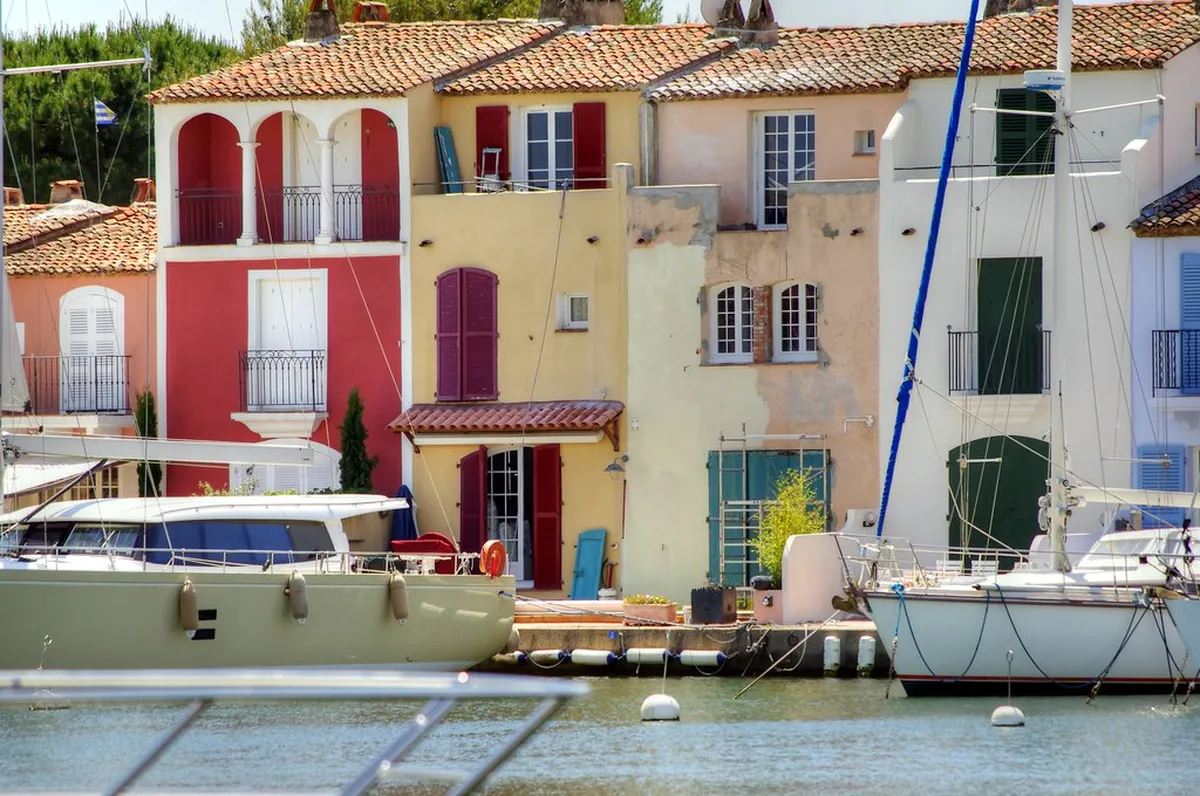
The Port Grimaud canal-side house styles are very diverse and colorful. No two houses in the village are exactly the same. Spoerry insisted on using different heights and widths for every facade. He also used a palette of warm Mediterranean colors like ochre. This variety creates a vibrant and cheerful atmosphere for residents.
Many houses feature traditional Provencal details on their exterior walls. You will see wrought iron balconies and shutters made of wood. Some homes have decorative sundials or small stone carvings. These small touches add a sense of history to the buildings. They make the neighborhood feel like a real lived-in village.
- Individual boat moorings are attached to almost every single home.
- Terracotta roof tiles provide a classic look across the entire skyline.
- Private gardens and patios offer quiet spaces away from the canals.
- Winding staircases and narrow alleys connect the different island sections.
Each house was designed to provide a direct view of the water. This connection to the sea is a central part of the design. Residents can step from their living room directly onto their boats. This lifestyle is a dream for many sailors and travelers. The architecture facilitates this unique way of living perfectly.
Construction costs for these homes remain high due to their unique location. Maintaining the wooden pilings under the water requires constant care and attention. However, the value of these properties continues to grow every year. People from all over the world want to own a piece of history. The architecture of Port Grimaud makes these homes very desirable.
The Layout of the Venice of Provence
The Venice of Provence architectural plan is truly a marvel of engineering. The village is spread across several small islands connected by bridges. There are over seven kilometers of navigable canals within the neighborhood walls. This layout ensures that water is always within your sight. It creates a sense of peace that is hard to find elsewhere.
The bridges are designed with high arches to allow boats to pass. They are built using local stone and traditional masonry techniques. Walking across these bridges offers the best views of the neighborhood. You can see the reflection of the colorful houses in the water. It is a perfect spot for taking travel photos.
Cars are mostly banned from the inner parts of the village. This makes the area very safe and quiet for walking. Residents park their vehicles in designated lots on the outskirts. Then they walk or use small electric boats to reach home. This design promotes a slower and more relaxed pace of life.
The streets are narrow and paved with traditional cobblestones. They wind around the canals in a way that feels very natural. You will never find a boring or straight street in this village. Every turn reveals a new view or a hidden garden. The layout encourages exploration and discovery at every single corner.
Iconic Architecture and Public Landmarks
The Church of Saint Francis of Assisi is a major landmark. Spoerry designed this church to be the heart of the community. It features a simple but elegant tower that rises above the village. The stained glass windows inside were designed by the artist Victor Vasarely. They create a beautiful play of light during the sunny afternoons.
Place du Marche is another important public space in the neighborhood. This square hosts local markets where you can buy fresh French produce. The surrounding buildings feature large arches and shaded walkways for shoppers. It is a great place to sit and watch the world go by. The architecture here encourages social interaction among the local residents.
You should also look for the many public fountains in the squares. These fountains are decorated with shells and local marine motifs. They provide a cool spot to rest during the hot summer months. The sound of running water adds to the relaxing village atmosphere. Every fountain is a small work of art in itself.
The entrance to the port is marked by two large towers. These structures act as a gateway for boats entering from the sea. They were inspired by the ancient towers found in older French ports. Their massive stone walls provide a sense of security and history. They are a great example of the architecture in St-Tropez and its surrounding areas.
Photography Tips for the Neighborhood
Capturing the beauty of this place requires a bit of planning. The morning light is perfect for seeing the true house colors. Reflections in the water are calmest before the boat traffic begins. You can find many St-Tropez architecture photography spots within the village limits. Every bridge offers a new perspective for your camera lens.
Try to focus on the small architectural details like door knockers. These tiny elements show the craftsmanship that went into the village. Using a wide-angle lens helps capture the narrow canal views. You can also take a boat tour for unique low-angle shots. The water level provides a great vantage point for building photos.
Sunset is another magical time to explore with your camera. The warm light makes the ochre walls glow with a deep orange. The lamps along the canals begin to flicker on as night falls. This creates a romantic and cozy mood for your travel gallery. It is the best time to capture the village spirit.
Be sure to respect the privacy of the local residents while filming. Most of the houses are private homes where people live and work. Stay on the public paths and bridges for your main shots. Most residents are friendly but appreciate a bit of quiet distance. Your photos will be a great memory of your French trip.
Frequently Asked Questions
Is Port Grimaud free to visit in 2025?
Yes, you can walk through the public streets and squares for free. Some areas near the houses are private for residents only. You will need to pay for parking if you arrive by car. Boat tours and rentals also have an additional cost.
Can I drive my car into Port Grimaud?
Cars are generally not allowed inside the residential islands of the village. Visitors must use the large parking lots located at the main entrances. This keeps the streets quiet and safe for everyone to walk. Residents have special permits for limited access to their homes.
What is the best way to see the architecture?
The best way is to take a small electric boat tour. This allows you to see the houses from the water level. You can also walk across the many bridges for high views. Walking and boating combined give you the full architectural experience.
Who designed the architecture of Port Grimaud?
The village was designed by the French architect Francois Spoerry. He started the project in 1966 and worked on it for decades. His goal was to create a modern village with a traditional feel. He is now buried in the village church he created.
The architecture of Port Grimaud is a true gem of the French Riviera. It proves that new designs can still honor old traditions and nature. Visitors in 2025 will find a peaceful and beautiful escape here. Plan your visit today to see this water-based wonder for yourself. Do not forget to bring your camera to capture the colors.
Key Takeaways
- Francois Spoerry designed the village using organic urbanism principles.
- Every canal-side house features a unique color and individual boat mooring.
- The layout is car-free and uses bridges to connect several small islands.
- The Church of Saint Francis of Assisi is the architectural heart of the village.
- Early morning and sunset provide the best light for photography in 2025.
Related reads: architecturebycity.com.