
Citadelle de Besançon Architectural Layout Guide
Explore the Citadelle de Besançon architectural layout in 2025. Learn about Vauban fortifications and military design in France. Plan your visit today!
On this page
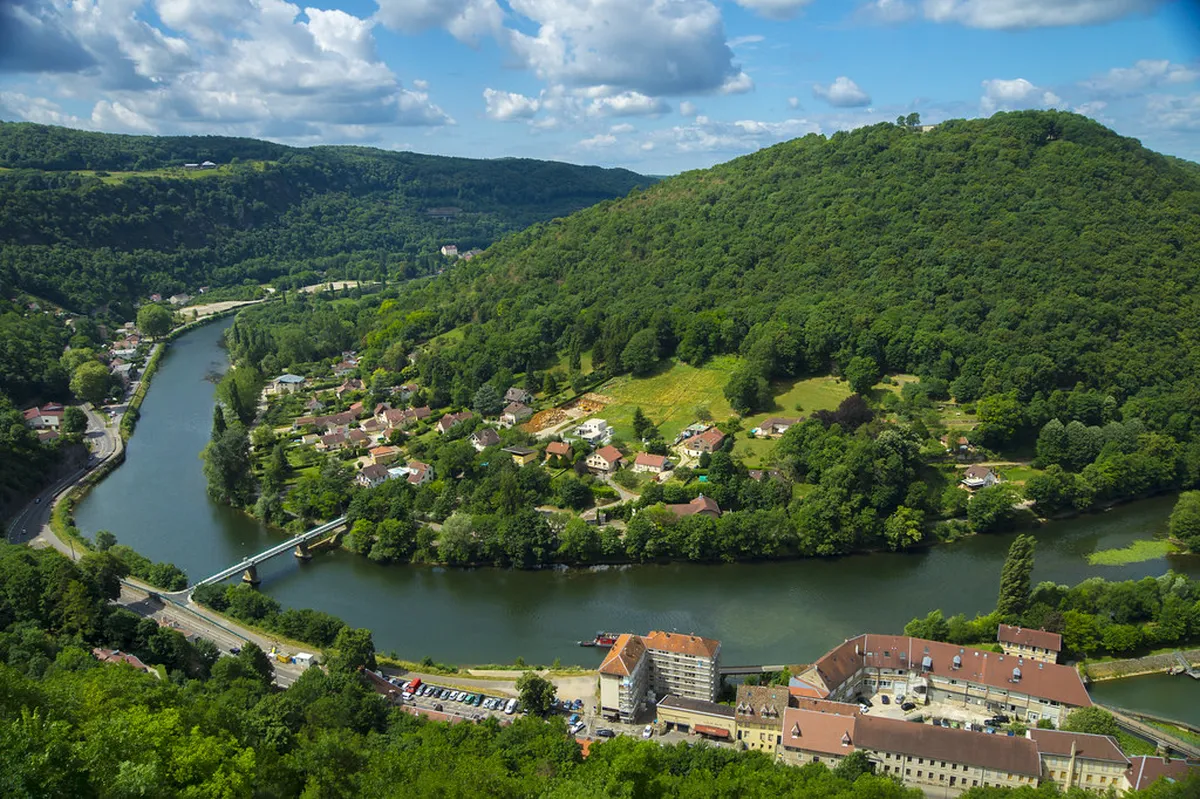
The Citadelle de Besançon architectural layout is a masterpiece of military engineering. It sits high above the Doubs River loop in eastern France. This site remains a UNESCO World Heritage treasure today. Visitors in 2025 can explore its complex defensive layers easily.
The design reflects the genius of Sebastien Le Prestre de Vauban. He was the primary engineer for King Louis XIV. This guide provides a deep technical analysis of the site. We will examine the gates, ramparts, and interior structures.
Understanding the layout helps reveal its historical importance in Europe. Each wall and bastion tells a story of military strategy. This fortress served as a model for many other defensive works. It remains one of the best-preserved examples of 17th-century architecture.
The Strategic Bastions and Curtain Walls
The bastions form the backbone of the Citadelle de Besançon architectural layout. Vauban designed these structures to eliminate blind spots for defenders. Every angle serves a specific defensive purpose against siege tactics. The design allowed soldiers to fire upon attackers from multiple directions.
Curtain walls connect the bastions to form a continuous defensive line. These thick masonry walls could withstand heavy artillery fire from invaders. The height of the walls provided a clear view of the valley. Soldiers could monitor enemy movements from a great distance away.
Builders used local limestone for the entire fortification project. This stone provided both durability and a striking visual appearance. You can still see the original masonry techniques used in 1668. The craftsmanship remains impressive even after several hundred years.
The layout includes advanced flanking positions for infantry. These positions allowed soldiers to cover the base of the ramparts. This design made scaling the walls nearly impossible for enemies. It created a lethal environment for anyone attempting a direct assault.
Technical Analysis of the Three Fronts
The fortress layout features three distinct defensive fronts for protection. The Front Saint-Etienne serves as the first line of land defense. It protects the narrowest part of the rocky peninsula effectively. This area was the most vulnerable to ground-based attacks.
The Front Royal and Front de Secours follow in a tiered system. This depth in defense allowed for a phased retreat if needed. Each level sits higher than the previous one for tactical advantage. Defenders could fire over the heads of their own comrades safely.
Deep dry moats separate these three main defensive lines from each other. These ditches prevented enemies from using battering rams on the main gates. The scale of these excavations remains impressive to modern visitors. It required moving massive amounts of earth and rock.
You can learn more about Vauban fortifications in Besançon at the local museum. This exhibition details the geometric precision of the three fronts. It highlights why this layout was revolutionary for the era. The mathematical accuracy of the design is truly remarkable.
The Inner Courtyard and Garrison Buildings
The central part of the layout houses essential garrison buildings. The King's Lieutenant's House stands as a prominent administrative structure. It reflects the hierarchy of military life in the 17th century. High-ranking officers lived and worked within these secure stone walls.
Barracks provide housing for hundreds of soldiers within the protected walls. These buildings utilized efficient space-saving designs for the time. Large windows allowed for natural light in the living quarters. Each room was designed to facilitate quick deployment during alarms.
The chapel serves as a focal point for the inner courtyard. Vauban ensured that religious needs were met for the resident troops. Its simple facade contrasts with the heavy military ramparts nearby. It provided a place of peace within the active fortress.
Modern visitors can explore these buildings during Besançon historic monuments tours. Many structures now host museums and cultural exhibitions. They provide a glimpse into daily life behind the walls. You can see how the military community functioned internally.
Water Management and Underground Systems
Water security was critical during long sieges at the fortress. The Citadelle de Besançon architectural layout includes a massive well. This well reaches a depth of 132 meters to tap groundwater. It ensured the garrison never ran out of drinking water.
A large treadwheel once powered the bucket system for water retrieval. This mechanical feat allowed the garrison to survive without outside supply. The well remains a highlight of technical tours today. It demonstrates the engineering prowess of the 17th-century builders.
Underground tunnels connect various parts of the defensive network. These passages allowed for the safe movement of troops and ammunition. They also served as storage for gunpowder in dry conditions. Many of these tunnels remain accessible to guided tour groups.
Rainwater harvesting systems integrated with the roof designs of barracks. This secondary water source ensured the fortress remained self-sufficient. Engineers planned every detail to withstand prolonged military pressure. No resource was wasted in the quest for total autonomy.
The Legacy of Military Design in 2025
The Citadelle remains a prime example of late 17th-century design. Its layout influenced military architecture across Europe for decades. The geometric perfection continues to attract students of urban planning. It is a textbook example of bastion-style fortification.
Preservation efforts in 2025 focus on maintaining the structural integrity. Regular inspections ensure the limestone walls remain safe for public access. Heritage experts use traditional methods for all necessary repairs. They want to keep the site as authentic as possible.
The site now serves as a major cultural hub for France. It hosts a zoo, several museums, and educational centers. This shift from defense to education preserves its historical value. It brings a new purpose to the ancient stone structures.
You can find other examples of this style at Fort Griffon history and design locations. Both sites showcase the extensive network created by Vauban. They represent the peak of French military engineering. These sites are essential for any architecture enthusiast.
Frequently Asked Questions
Why is the Citadelle de Besançon architectural layout famous?
It is famous for its tiered defensive system. Vauban used three successive fronts to create an impregnable fortress. The layout perfectly utilizes the natural landscape for defense. This design influenced military architecture for over a century.
How deep is the well at the Citadelle?
The well is 132 meters deep. It was essential for providing water during military sieges. A massive treadwheel was used to bring water up. This was a significant engineering feat in the 1600s.
Is the Citadelle a UNESCO World Heritage site?
Yes, it joined the list in 2008. It is part of the Vauban fortifications network. This recognition highlights its global architectural importance. It is one of twelve such sites in France.
Exploring the Citadelle de Besançon architectural layout is a unique experience. This site offers a deep look into historical military strategy. It remains a must-visit destination in France for 2025. Plan your trip soon to see these incredible fortifications.
The views of the city from the ramparts are truly breathtaking. Discover the genius of Vauban for yourself today. This site bridges the gap between history and modern design. It is a highlight of any visit to the region.
Key Takeaways
- The layout features three distinct defensive fronts for maximum security.
- A 132-meter deep well provided water security during historical sieges.
- The site is a UNESCO World Heritage monument reflecting Vauban's genius.
- Local limestone was used to build the entire fortification network.
- The Citadelle now functions as a major cultural and educational center.
Related reads: architecturebycity.com, architecture in besancon.