
Vauban Fortifications in Besançon: 2025 Historic Guide
Explore the Vauban fortifications in Besançon. Learn about this UNESCO site, military history, and travel tips for your 2025 visit. Discover French heritage now!
On this page
Besançon is a historic gem nestled within a tight loop of the Doubs River in eastern France. The city is globally famous for the massive Vauban fortifications in Besançon which define the local landscape today. These defensive structures showcase the incredible military genius of Sébastien Le Prestre de Vauban during the seventeenth century. Visitors in 2025 will discover a perfectly preserved example of classical military engineering and French architectural heritage.
King Louis XIV ordered the construction of these walls to protect the strategic borders of his growing kingdom. The engineering remains a primary reason why this location earned a spot on the UNESCO World Heritage list. You can see how the thick limestone walls blend naturally with the rugged cliffs of the Jura mountains. This deep dive explores the history and design of the most impressive architecture in Besançon found along the ramparts.
The Citadelle de Besançon Architectural Design
The Citadelle stands as the crown jewel of the defensive system overlooking the entire historic city center. It sits one hundred meters above the river on a narrow rocky ridge known as Mount Saint-Etienne. Vauban spent over thirty years perfecting the layout of this massive fortress between 1668 and 1711. The site covers eleven hectares and features three successive lines of defense to stop any potential enemy. You can explore the complex Citadelle de Besançon architectural layout during a guided walking tour of the grounds.
Inside the walls, the fortress contains barracks, a chapel, and several large storage wells for water and food. The King's Lieutenant lived in a grand residence located near the main entrance of the inner fort. Soldiers trained daily on the wide parade grounds that now house diverse museums for modern visitors to enjoy. The thickness of the stone walls often reaches six meters to withstand the heavy impact of iron cannonballs. Massive bastions project outward from the main walls to provide defensive firing lines across all potential approach angles.
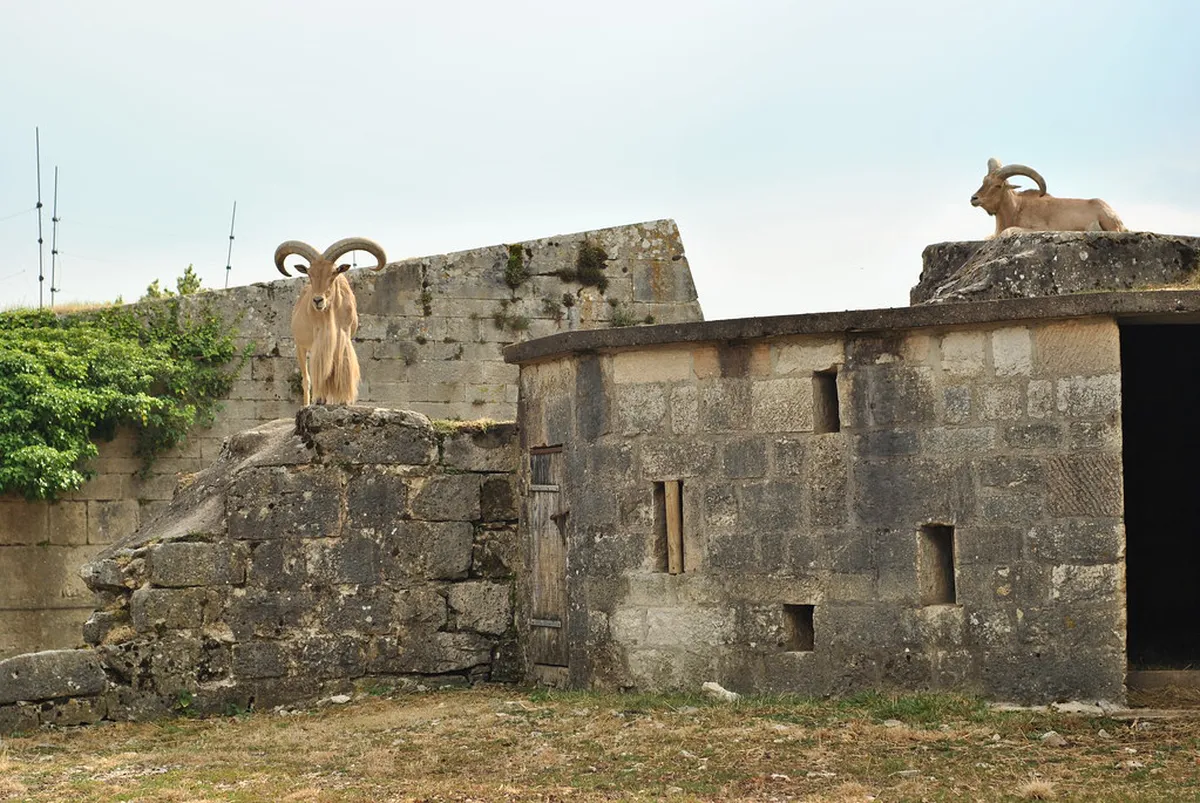
The Citadelle currently serves as a vibrant cultural hub that hosts three separate museums and a local zoo. Families enjoy visiting the Natural History Museum which focuses on regional biodiversity and endangered species from around the world. The Resistance and Depatortation Museum offers a somber look at French history during the Second World War years. Ticket prices for adults usually cost around 15 euros and include access to all the museum collections onsite. Visitors should allow at least four hours to fully experience the expansive grounds and the scenic mountain views.
Walking along the top of the ramparts provides the best views of the Doubs River and the rooftops below. You can see how the fortifications follow the natural contours of the steep limestone cliffs on both sides. Vauban used local stone to ensure the fortress felt like a natural extension of the rugged French landscape. The strategic placement allowed the garrison to monitor all traffic entering or leaving the city by land or water. Modern safety railings ensure that visitors can safely explore these high walkways during their scheduled tours in 2025.
Fort Griffon and the Secondary Defenses
Fort Griffon serves as the second major component of the defensive system located on the Battant hill area. Vauban designed this smaller fort to protect the city from attacks coming from the northern plains and hills. It represents a rare example of a mountain fort built with a double line of bastioned defenses. The site offers a peaceful atmosphere today with beautiful gardens that contrast with its violent military past. Learning about the Fort Griffon history and design helps travelers understand the total defensive strategy of the city.
The fort features a unique central courtyard surrounded by thick walls and deep dry moats carved into rock. Vauban included a large underground cistern to ensure the soldiers had enough water during a long enemy siege. The architecture here is more functional and less decorative than the grand buildings found inside the main Citadelle. You can see the original vaulted ceilings in the barracks where hundreds of soldiers once lived and slept. The stone masonry remains in excellent condition because of careful restoration work performed by the local heritage department.
Entry to the outer gardens of Fort Griffon is typically free for the public during standard daylight hours. This location provides an excellent spot for photographers looking to capture the Citadelle across the historic city rooftops. You can easily walk here from the city center by crossing the bridge into the old Battant district. The fort now houses a regional teacher training institute which keeps the historic buildings active and well maintained. It stands as a testament to how old military sites can find new life in the modern era.
The surrounding neighborhood of Battant was once home to many local winemakers and traditional watchmaking craftsmen for centuries. Vauban integrated the existing city walls of this district into his wider plan for a total defensive enclosure. He added new bastions and towers to ensure there were no weak points in the northern perimeter of Besançon. These secondary defenses were crucial for preventing an army from establishing a base on the overlooking hillsides. Today the area is a charming mix of narrow streets, stone stairs, and impressive seventeenth-century military masonry.
Strategic Design of the Doubs River Loop
Besançon is uniquely positioned within an oxbow loop of the Doubs River that provides natural protection on three sides. Vauban recognized the incredible defensive potential of this geographic feature when he first surveyed the Franche-Comté region. He decided to turn the entire urban area into a massive fortified island through a series of engineering projects. The river acted as a wide moat that made a direct assault on the city almost impossible for enemies. This natural barrier saved the French treasury a significant amount of money during the expensive construction phase.
To complete the circle of defense, Vauban built a massive wall across the narrow neck of the river peninsula. This wall connected the Citadelle on the hill to the riverbanks on either side of the urban center. He also constructed several water gates that allowed the military to control all boat traffic on the river. These gates could be closed with heavy iron chains to block enemy vessels from entering the city limits. The combination of water and stone created one of the most difficult cities to capture in all of Europe.
The engineering of the urban walls required sophisticated 18th-century urban planning to manage water flow and city expansion. Vauban had to ensure that his walls did not cause flooding in the residential areas during the spring rains. He designed a system of canals and sluice gates to regulate the water levels within the city moats. This careful planning allowed the city to grow safely while maintaining its status as a top-tier military fortress. Even today the urban layout follows the lines established by the military engineers hundreds of years ago.
Visiting the river banks today allows you to see the base of the massive bastions from the water level. Many local tour companies offer boat trips that circle the entire historic center of the city in an hour. These boat tours provide a unique perspective on the height and scale of the Vauban fortifications in Besançon. You can see how the stone foundations are anchored directly into the solid rock of the river bed. This viewpoint highlights the sheer physical effort required to build such massive structures without modern machinery or tools.
UNESCO Status and Military Significance
The fortifications were officially recognized as a UNESCO World Heritage site in 2008 for their outstanding universal value. This designation includes twelve different sites designed by Vauban across the various borders of the French nation. The Besançon complex is often considered the most complete and best-preserved example among all these historic locations. It demonstrates how military architecture evolved to meet the challenges of gunpowder and heavy artillery in the seventeenth century. Visitors can learn more about other UNESCO military architecture sites in Doubs to expand their regional knowledge.
The design of the bastions was a revolutionary response to the increasing power of cannons during that specific era. Vauban replaced tall thin walls with low thick ramparts that could absorb the impact of heavy artillery fire. He used earth and stone together to create flexible defenses that were difficult to shatter with standard explosives. The geometric shapes of the forts allowed soldiers to fire at attackers from multiple angles at the same time. These innovations changed the face of warfare across the European continent for the next two hundred years.
Besançon served as a vital shield for the French kingdom against the Holy Roman Empire and Spanish interests. The city was a key piece in the grand strategy of Louis XIV to expand and secure his borders. It remained an active military garrison for centuries after Vauban passed away in the early eighteenth century. Even during the Napoleonic wars, the fortifications played a role in the defense of the French eastern frontier. The historical layers of the site offer a deep look into the changing political landscape of central Europe.
Today the UNESCO status ensures that the site receives international funding and expert care for its long-term preservation. Restoration teams work year-round to maintain the stone walls and prevent damage from vegetation and the changing weather. You will see active conservation projects taking place if you visit the ramparts during the summer months of 2025. These efforts help to keep the history alive for future generations of travelers and military history enthusiasts. The commitment to preservation makes Besançon a top destination for those interested in world-class heritage and architecture.
Practical Guide for Visiting in 2025
Planning a trip to see the Vauban fortifications in Besançon requires some basic knowledge about local transport and timing. The city is easily accessible by high-speed TGV train from Paris in just under two and a half hours. Once you arrive at the station, a modern tram system connects the suburbs to the historic city center. Most of the major fortification sites are located within walking distance of the central hotels and local shops. Comfortable walking shoes are essential because the paths up to the Citadelle are quite steep and uneven.
The best time to visit is during the late spring or early autumn when the weather is mild. Summer can be quite hot on the stone ramparts which offer very little shade for the passing tourists. Winter visits offer a different atmosphere with fewer crowds but some outdoor paths may be slippery due to ice. Most museums at the Citadelle are open daily from 9:00 AM until 6:00 PM during the peak season. Always check the official website for current opening times before you start your walk up the big hill.
You can purchase a city pass which offers discounted entry to the Citadelle and other major historic monuments. This pass also includes free use of the local bus and tram network for twenty-four or forty-eight hours. Many visitors choose to pack a picnic to enjoy on the grass near the ramparts of Fort Griffon. There are also several small cafes located inside the Citadelle that serve traditional French snacks and cold drinks. Be sure to carry a water bottle as the climb to the top can be physically demanding.
Guided tours are available in multiple languages including English, German, and Spanish throughout the busy summer months of 2025. These tours offer deep insights into the life of the soldiers who once lived within these massive stone walls. You can hear stories about the construction process and the various sieges the city faced over the years. Private tours can be booked in advance for those who want a more personalized historical experience. Learning the local history through an expert guide adds significant value to your overall travel experience.
Frequently Asked Questions
How long does it take to walk up to the Citadelle?
The walk from the city center to the Citadelle takes about twenty to thirty minutes. It is a steep climb but the path is well paved for most of the way. You can also take the local Ginko shuttle bus if you prefer to save your energy. The bus runs frequently from the Rivotte area during the high tourist season.
Are the Vauban fortifications in Besançon suitable for children?
Yes, children often love exploring the wide ramparts and the zoo located inside the main Citadelle walls. The site offers plenty of open space for kids to move around safely under parental supervision. Educational workshops are frequently available during the school holiday periods for younger visitors to enjoy. The mix of animals and history makes it a great family destination in 2025.
Can I see the fortifications for free in Besançon?
Many parts of the city walls and the gardens at Fort Griffon are free to enter. You only need to pay a fee to enter the inner areas of the Citadelle and its museums. Walking along the river banks provides a great view of the bastions without spending any money at all. This makes the city a very affordable destination for history buffs on a tight budget.
The Vauban fortifications in Besançon remain a shining example of military brilliance and French cultural heritage. They offer a unique window into the seventeenth century for every traveler who visits this beautiful river city. Whether you enjoy hiking, history, or photography, the ramparts provide an unforgettable experience for everyone in 2025. Plan your trip today to see why this site deserves its place on the UNESCO world heritage list. You will leave with a deep appreciation for the stone walls that have protected this city for centuries.
Key Takeaways
- The Citadelle is the primary highlight of the Vauban defensive system in Besançon.
- Besançon became a UNESCO World Heritage site in 2008 due to its military design.
- Fort Griffon offers a peaceful garden setting and excellent views of the old city.
- The Doubs River provides a natural moat that Vauban used to enhance the city defenses.
- A city pass is a great way to save money on transport and museum entries.
Related reads: architecturebycity.com, besancon roman ruins and monuments, renaissance palaces of besancon.