
Explore Besançon Roman Ruins and Monuments in 2025
Discover the best Besançon Roman ruins and monuments. Explore the Porte Noire and Square Castan in 2025 with our expert guide for history lovers.
On this page
Besançon is a historic city located in eastern France. It sits inside a beautiful loop of the Doubs River. The Romans once called this strategic location Vesontio. Today, you can explore many Besançon Roman ruins and monuments here. These ancient sites tell a story of Roman power and art. Visitors in 2025 will find these landmarks very well preserved. This guide helps you find the most impressive ancient structures. You can learn about the local history while walking through the city center.
The city has a rich military and architectural history. Roman engineers built impressive roads and buildings in this area. Julius Caesar even mentioned the city in his famous writings. He saw it as a vital site for the Roman army. Now, the modern streets blend with these ancient remains. You will see columns and arches near shops and cafes. This unique mix makes the city very special for tourists. It is a perfect place for those who love Besançon architecture and history.
The Porte Noire Triumphal Arch
The Porte Noire is the most famous Roman site in the city. It was built during the second century under Marcus Aurelius. This arch served as a symbol of Roman imperial power. You can find it at the end of the Grande Rue. It stands nearly sixteen meters tall above the modern street level. The stone has turned dark over the many centuries. This natural aging gives the monument its unique name today. It is a must-see for every visitor in the region.
You can see very detailed carvings on the arch surfaces. These reliefs show scenes from ancient Greek and Roman myths. They also celebrate the military victories of the Roman Empire. Some carvings depict gods and goddesses in classical poses. Time and weather have worn down some of the finer details. However, the overall structure remains very impressive to see. For more technical info, check the Porte Noire triumphal arch details online. This arch acts as a gateway to the historic cathedral nearby.
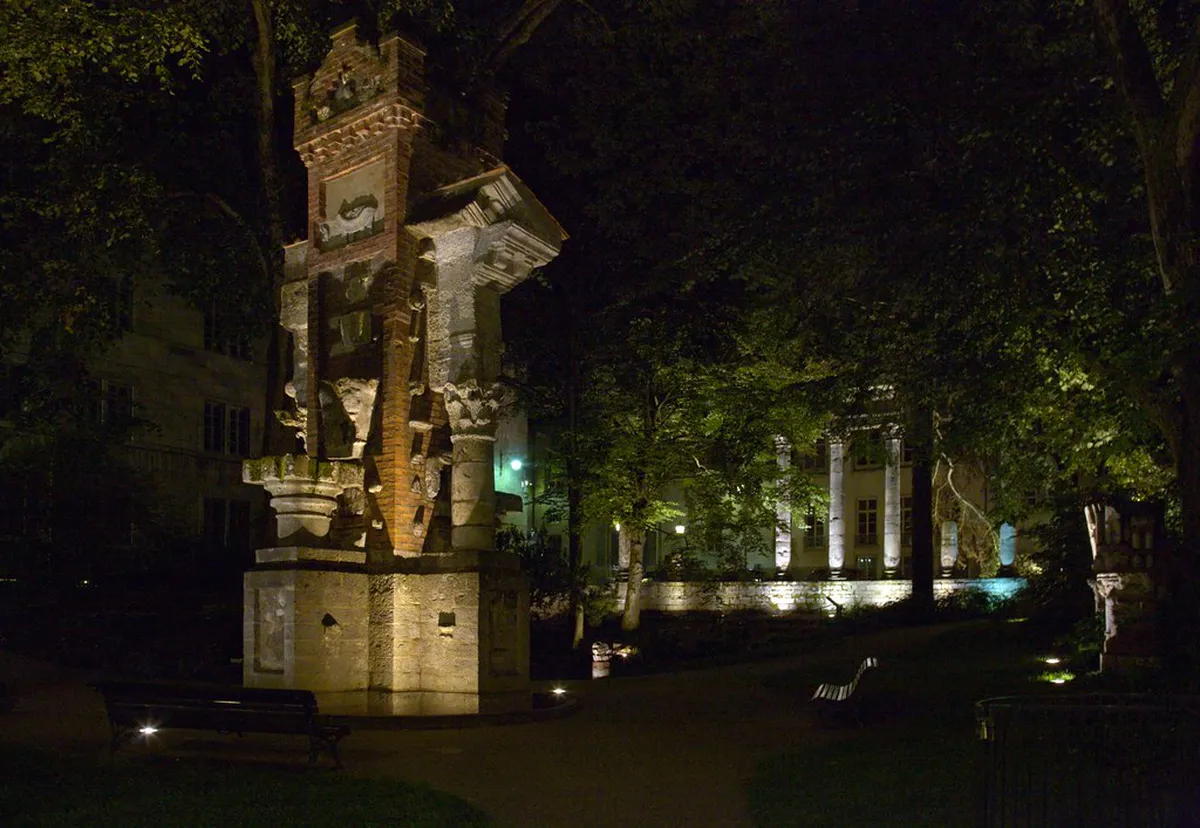
Restoration teams worked hard to preserve this monument for 2025. They used specialized tools to clean the fragile limestone blocks. This process helps prevent further damage from air pollution. Visitors can now see the carvings more clearly than before. The arch is free to visit at any time. It looks especially beautiful when lit up at night. You can take great photos from the nearby square. Standing under the arch makes you feel very small indeed.
The location of the arch was once a busy Roman intersection. It marked the entrance to the sacred area of Vesontio. Most travelers pass through it on their way to the Citadel. The Porte Noire is a true architectural masterpiece. It has survived wars, fires, and the passage of time. Few cities in France have such a complete Roman arch. Make sure to look up when you walk through it. You will see intricate patterns on the interior ceiling stones.
Exploring Square Castan Archaeological Park
Square Castan sits just a few steps from the Porte Noire. This peaceful park contains the remains of a semi-circular building. Historians believe it was once a nymphaeum or a theater. Eight beautiful Corinthian columns still stand in the garden today. They were discovered in the nineteenth century by Auguste Castan. He was a local librarian and a passionate archaeologist. The park is named in his honor to celebrate his work. It provides a quiet escape from the busy city streets.
The columns are topped with very ornate stone capitals. These capitals feature acanthus leaf designs typical of Roman style. You can also see the remains of an ancient water basin. This basin likely collected water from a nearby Roman aqueduct. The Square Castan archaeological park is open to the public daily. It is a popular spot for sketching and photography. Many local students come here to study the ancient ruins. The park is surrounded by elegant houses from later periods.
Walking through the square feels like stepping back in time. You can walk right up to the stone foundations. The grass is well-kept and the trees provide plenty of shade. This makes it a great spot for a summer picnic. There is no entrance fee to explore this historic site. You can read information boards that explain the site history. They are available in both French and English for tourists. The park highlights the daily life of ancient Romans.
In 2025, the park will host several small cultural events. These include outdoor theater performances and historical talks for kids. The ruins provide a dramatic backdrop for these local gatherings. You can check the local tourism office for event schedules. Most events are held during the warm spring and summer months. The columns look striking against the bright blue sky. It is one of the most romantic spots in Besançon. Make sure to bring your camera for this visit.
The Ancient City Layout and Theater
The Romans designed the city with a very logical grid. They used the natural bend of the river for protection. This layout is still visible in the modern street plan. The main Roman road ran exactly where Grande Rue is now. You can see how the ancient city layout shaped the current urban center. Many modern buildings sit on top of Roman foundations. Architects must be careful when digging new basements in town. They often find ancient coins or pieces of pottery.
Besançon also had a massive Roman theater in the past. It was located on the lower slopes of the Citadel hill. This theater could hold thousands of eager spectators at once. They came to watch plays and religious ceremonies regularly. Today, only small sections of the theater walls remain visible. Some parts are hidden inside the gardens of private homes. You can see remnants of the seating area near the street. These stones show the scale of the original ancient structure.
Roman engineers also built a long aqueduct for the city. It brought fresh water from the Arcier springs miles away. This water supplied the public baths and private city fountains. You can still see fragments of the aqueduct outside the city. It was a marvel of engineering for its time. Water was essential for the growth of the Roman colony. The city planning of Vesontio was highly advanced. This infrastructure supported a large and thriving urban population.
You can follow a guided tour to learn more details. Expert guides explain how the city functioned two thousand years ago. They point out hidden stones that most tourists usually miss. These tours are available through the local tourism office. You can book them online or in person during 2025. The walks take about two hours through the old town. They are a great way to see all the monuments. Wear comfortable shoes as some streets are quite steep.
Roman Treasures in Local Museums
The Museum of Fine Arts and Archaeology is very famous. It is the oldest public museum in all of France. The building houses a massive collection of Roman artifacts. You can see beautiful floor mosaics found in local villas. These mosaics show scenes of nature and daily Roman life. They are made of thousands of tiny colored stone pieces. The craftsmanship is truly incredible for such an old era. It is located in a grand building on Place de la Révolution.
The museum also displays bronze statues and ancient jewelry items. These objects show the wealth of the people in Vesontio. You can see tools used by Roman doctors and builders. There are also many tombstones with Latin inscriptions on them. These stones tell us the names of the ancient residents. Reading them makes the history feel very personal and real. The museum is a great place to visit on rainy days. It offers a deep dive into the historic monuments guide of the region.
Admission to the museum is affordable for most budget travelers. It costs about 8 Euros for a standard adult ticket. Students and seniors can often get a discounted entry price. The museum is closed on Tuesdays and certain public holidays. You should check the official website for current opening hours. The galleries are modern and easy to navigate for visitors. The Roman collection is the highlight of the museum. Plan to spend at least two hours inside the building.
In 2025, there will be a special Roman exhibition. This temporary show focuses on the life of Marcus Aurelius. It features borrowed items from other major museums in Europe. You can see rare coins and marble busts of the emperor. This is a unique chance for history fans in France. The exhibition includes interactive screens for children to use. It makes learning about the past fun and very engaging. Do not miss this event if you visit this year.
Frequently Asked Questions
Where can I see the best Roman ruins in Besançon?
The best ruins are at the Porte Noire and Square Castan. You can also see mosaics at the local archaeology museum. These sites are located in the heart of the city. Most landmarks are within easy walking distance of each other.
Is there a fee to see the Porte Noire?
The Porte Noire is completely free to visit at any time. It stands on a public street near the city cathedral. You do not need a ticket to take photos there. It is one of the top free things to do in Besançon.
Can I take a guided tour of the Roman sites?
Yes, the local tourism office offers guided historical walking tours. These tours cover the major Roman ruins and medieval buildings. You can find more information in our Besançon architecture guides. Booking in advance is recommended during the summer months.
What was the Roman name for the city of Besançon?
The Romans called the city Vesontio during the ancient era. It was the capital of the Sequani people in Gaul. The name changed over many centuries to become Besançon today. You will see the name Vesontio on many historical signs.
Besançon is a wonderful destination for fans of Roman history. The city offers a unique glimpse into the ancient past of France. You can explore grand arches and beautiful columns in 2025. These monuments are well preserved and easy to find on foot. The mix of Roman ruins and modern life is truly charming. Make sure to visit the museum for more ancient treasures. The Besançon Roman ruins and monuments are waiting for you. Start planning your trip to this historic French city today.
Key Takeaways
- Visit the Porte Noire to see detailed second-century carvings.
- Explore the eight Corinthian columns at Square Castan for free.
- See world-class Roman mosaics at the Museum of Fine Arts.
- Walk the Grande Rue to follow the original Roman road layout.
- Check the 2025 schedule for special Roman history exhibitions.
Related reads: architecturebycity.com.