
Bouchayer-Viallet Industrial Repurposing: A Guide
Learn about Bouchayer-Viallet industrial repurposing in Grenoble. Discover history, music, and art in this unique urban space for your 2025 trip. Plan today!
On this page
Bouchayer-Viallet represents a major shift in urban design for Grenoble. This district showcases the success of Bouchayer-Viallet industrial repurposing in 2025. You will find a blend of historic metal works and modern creative energy here. The area now serves as a central hub for culture and technology.
Visiting this neighborhood provides a deep look into the spirit of the French Alps. The site once powered the region through heavy industry and innovation. Today, it offers a look at how cities can breathe new life into old shells. Learn more about the diverse architecture in Grenoble by starting your journey in this district.
The transformation of these massive halls into public spaces is truly impressive. It honors the past while looking forward to a sustainable urban future. Travelers enjoy the unique mix of rough textures and sleek contemporary finishes. This guide covers everything you need to know about this revitalized corner of the city.
The Rich History of Industrial Power
The site began as a metal factory in the late nineteenth century. The Bouchayer and Viallet families founded this massive industrial complex. They specialized in creating large pipes for hydroelectric power plants. This work helped the region lead the world in white coal technology.
The factories remained active for many decades and employed thousands of local workers. These buildings were the heartbeat of the western part of the city. Huge steel beams and high ceilings defined the workspace. You can still see these structural elements in the current neighborhood layout.
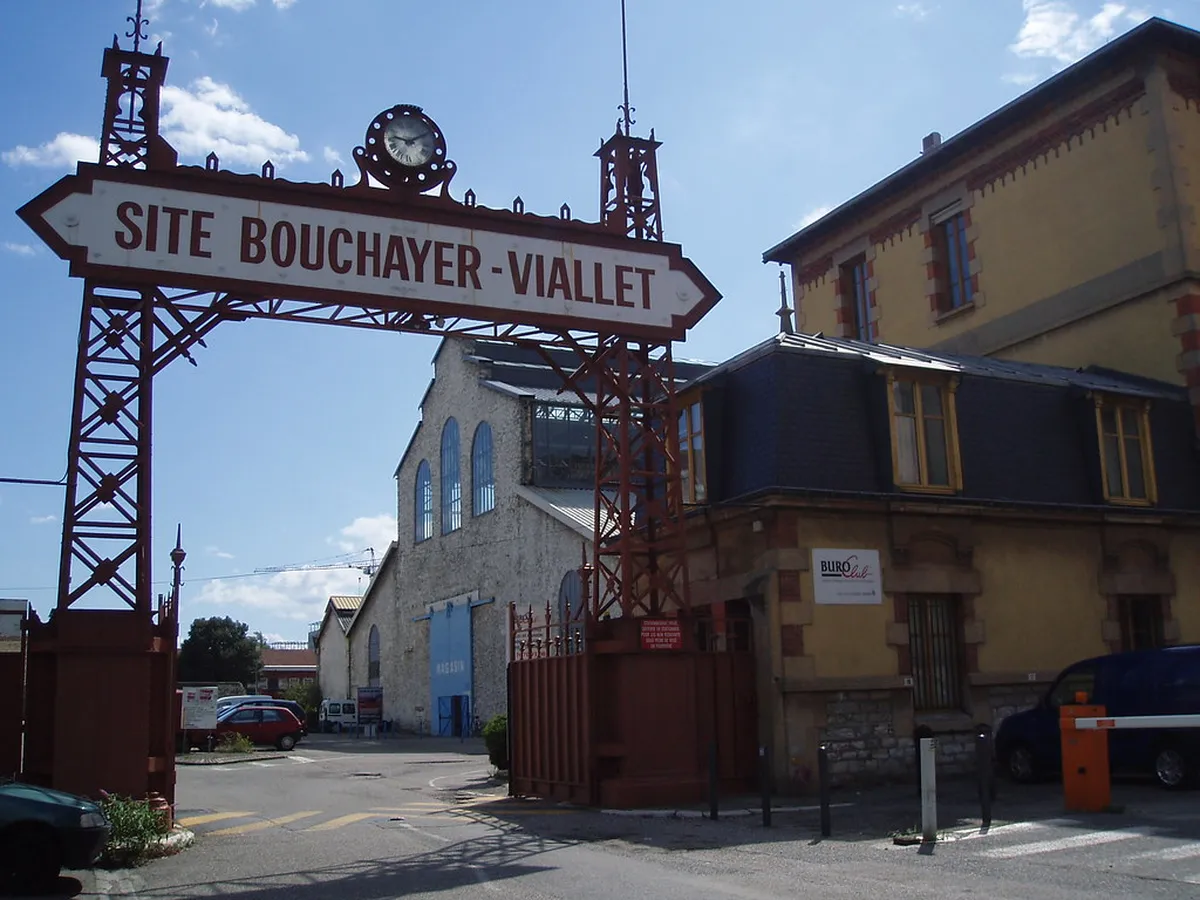
By the late 1900s, the industrial era began to fade in this area. Many buildings stood empty as production moved to other modern locations. The city faced a choice between demolition or creative reuse. They chose to preserve the heritage through industrial repurposing projects.
This history makes the district a key stop for history enthusiasts. You can feel the weight of the past inside the giant brick halls. It is a reminder of Grenoble's role in the global industrial revolution. The preservation efforts have kept these stories alive for new generations.
Architectural Transformation and Design
The architecture of the district combines industrial grit with modern elegance. Designers kept the original steel skeletons of the old factory buildings. They added glass and wood to create light and open spaces. This style creates a contrast between heavy metal and airy interiors.
Many projects here follow the same principles as the De Bonne eco-district. Both areas focus on sustainability and reusing existing city resources. Bouchayer-Viallet uses natural light to reduce energy costs in its large buildings. This approach makes the neighborhood a leader in green urban design.
Walking through the district allows you to see unique structural details. Look up to see the original overhead cranes that once moved heavy pipes. These features serve as permanent art installations within the new offices. The blend of old and new makes it one of the most interesting spots in France.
Modern materials like polished concrete and recycled timber are very common here. These choices complement the red brick facades found throughout the site. The result is a scannable landscape that attracts many urban explorers. Designers have truly mastered the art of adaptive reuse in this location.
The Role of Le Magasin-CNAC
Le Magasin-CNAC is a centerpiece of the neighborhood's cultural life. It sits inside a massive glass hall designed by Gustave Eiffel's workshop. This contemporary art center hosts rotating exhibitions from international artists. The space itself is just as famous as the art it contains.
Admission costs are very affordable for travelers on a budget in 2025. Adults usually pay 5 Euros, while students and seniors receive discounts. The center is open from Wednesday to Sunday, starting at 11:00 AM. Check their website for specific holiday hours before you visit.
Inside, you will find high ceilings that allow for massive art installations. The industrial background provides a neutral but powerful setting for creative works. It is a place where industrial history and modern art meet perfectly. Many visitors spend hours exploring the different galleries and the bookstore.
The address is 8 Esplanade Andry Farcy, 38000 Grenoble. It is easy to find because of its iconic glass roof. This venue highlights how culture can lead the way in urban renewal. It remains a top destination for those interested in the creative side of the city.
Music and Nightlife at La Belle Electrique
La Belle Électrique is a modern concert hall located in the heart of the district. It features a unique wooden exterior that stands out among the metal buildings. This venue hosts a wide range of musical genres including electronic and rock. The acoustics are designed to provide a world-class experience for every guest.
The venue also includes a popular bar and restaurant for local residents. It is a great place to grab a drink before a show starts. Prices for concert tickets usually range from 15 to 30 Euros. This makes it an accessible spot for evening entertainment in Grenoble.
The building represents the cutting edge of Bouchayer-Viallet industrial repurposing. It was built from scratch but fits the industrial aesthetic of the neighborhood. The design uses light and sound in innovative ways to engage the public. It has quickly become a landmark for the local music scene.
You can find this venue at 12 Esplanade Andry Farcy. It is well-connected by the city tram system for easy access. Nightlife here is vibrant and attracts a young, energetic crowd. Visiting this spot gives you a taste of modern life in the Alps.
Photography and Urban Exploration
The neighborhood is a paradise for people who love architecture photography. The interplay of light and shadow on the old brick walls is stunning. You can capture wide shots of the massive halls or close-ups of rusty details. The area ranks among the best architecture photography spots in the region.
Early morning or late afternoon provides the best light for your photos. The sun hits the glass roofs and creates beautiful reflections on the ground. You will find many interesting angles near the old railway tracks. These tracks once connected the factories to the main rail lines.
Some sections of the neighborhood feature a rugged brutalist architecture style. These concrete elements add another layer to the visual diversity of the site. Photographers enjoy the mix of smooth glass, rough brick, and raw concrete. Every corner offers a new perspective on urban transformation.
Please respect the private office spaces while you are taking your photos. Most public areas are open for photography throughout the day and night. The contrast between the mountains and the industrial shapes is very photogenic. Bring a wide-angle lens to capture the scale of the buildings.
Planning Your Visit to Bouchayer-Viallet
Getting to this district is very simple using public transportation. Take Tram Line A to the Berriat-Le Magasin stop for direct access. You can also walk from the city center in about twenty minutes. The route follows the main streets and is very safe for tourists.
A self-guided architecture walking tour is the best way to see the sites. Start at the main square and loop around the large factory halls. You can see the whole area in about two or three hours. Wear comfortable shoes as you will be walking on some uneven surfaces.
Most of the public spaces in the district are free to enter. You only need to pay for specific museum entries or concert tickets. There are several small cafes where you can rest and enjoy the atmosphere. It is a very walkable and visitor-friendly part of the city.
The best time to visit is during a weekday to see the offices in action. However, weekends are better if you want to visit the art galleries. The area is quite peaceful on Sunday mornings before the crowds arrive. This flexibility makes it easy to fit into any travel schedule.
Frequently Asked Questions
What is the history of Bouchayer-Viallet industrial repurposing?
The district was once a hub for metal production and hydroelectric equipment. After the factories closed, the city turned the site into a creative neighborhood. This process preserved the historic architecture while adding modern uses for the public.
Are there restaurants in the Bouchayer-Viallet district?
Yes, there are several dining options including the restaurant at La Belle Électrique. You can find cafes and small eateries that serve local French cuisine. These spots are popular with both office workers and tourists visiting the art museum.
Is Bouchayer-Viallet safe to visit at night?
The neighborhood is generally safe at night due to the presence of the music venue. Well-lit paths and regular tram service help keep the area accessible and secure. It is always wise to stay aware of your surroundings in any urban area.
Bouchayer-Viallet industrial repurposing has turned an old factory site into a vibrant gem. This district offers a unique blend of history, culture, and modern design for 2025. Whether you love art, music, or architecture, you will find something special here. Make sure to include this innovative neighborhood in your next trip to Grenoble.
Key Takeaways
- Visit Le Magasin-CNAC for world-class contemporary art in an iconic building.
- Take Tram Line A for the easiest access to the heart of the district.
- Explore the mix of industrial heritage and sustainable modern design.
- Check the concert schedule at La Belle Électrique for evening entertainment.
- Bring a camera to capture the unique textures and mountain views.
Related reads: architecturebycity.com.