
Musée de Grenoble Contemporary Architecture Guide
Explore the Musée de Grenoble contemporary architecture in 2025. Learn about its design, history, and stunning art collection in this detailed guide.
On this page
The Musée de Grenoble contemporary architecture draws thousands of curious visitors to the city every year. This stunning building serves as a home for one of the finest art collections in France. The design reflects a deep respect for both modern aesthetics and the local alpine environment. In 2025, the museum remains a top destination for those who love art and structural design.
The museum sits on the edge of the historic center near the beautiful river Isère. Architects designed the museum to look like a bridge between the old and the new. Large panes of glass allow the interior to feel open to the surrounding public park. The white concrete walls create a neutral background for the vibrant paintings stored inside.
Museum staff offer guided tours to explain the unique history of the whole museum site. You can find the main entrance located at 5 Place de Lavalette in central Grenoble. Entry to the permanent collection is free on the first Sunday of every month. The building features over 18,000 square meters of space for art and public use.
Planning a trip to this cultural landmark requires some knowledge of its unique architectural history. This guide will cover everything you need to know about the building and its features. You will discover how the architects transformed a historic space into a modern art masterpiece. Let us begin our journey through this iconic piece of French contemporary design.
The Vision Behind the Modern Design
The architects from Groupe 6 designed this iconic building with a very clear vision in mind. They completed the massive construction project in 1994 after years of careful and detailed planning. The building remains a key part of architecture in Grenoble today. Its sleek lines define the modern skyline of the city and attract many global visitors.
The design team wanted to create a space that felt both monumental and very inviting. They used a horizontal layout to ensure the building did not overwhelm the nearby historic structures. This approach allows the museum to sit gracefully within the existing urban fabric of Grenoble. The architects balanced heavy stone elements with light steel and glass to create visual interest.
The construction phase involved local workers and materials to support the regional economy of the area. This project was a major investment for the city during the early years of the nineties. It showed a commitment to making Grenoble a center for modern culture and fine art. The result is a structure that looks as fresh today as it did when opening.
Visitors often comment on the simple beauty of the exterior walls and the wide entrances. The building does not use unnecessary decorations to impress the people who walk past it. Instead, it relies on high quality materials and perfect proportions to make a strong statement. This minimalist style helps the museum stand out as a leader in French design.
The museum layout makes it easy for guests to navigate through the many different art galleries. Wide corridors and clear signage ensure that every visitor can find their way with ease. The architects prioritized the user experience when they drew the original plans for the building. This focus on the visitor makes the museum a very pleasant place to spend time.
Structural Materials and Modern Innovation
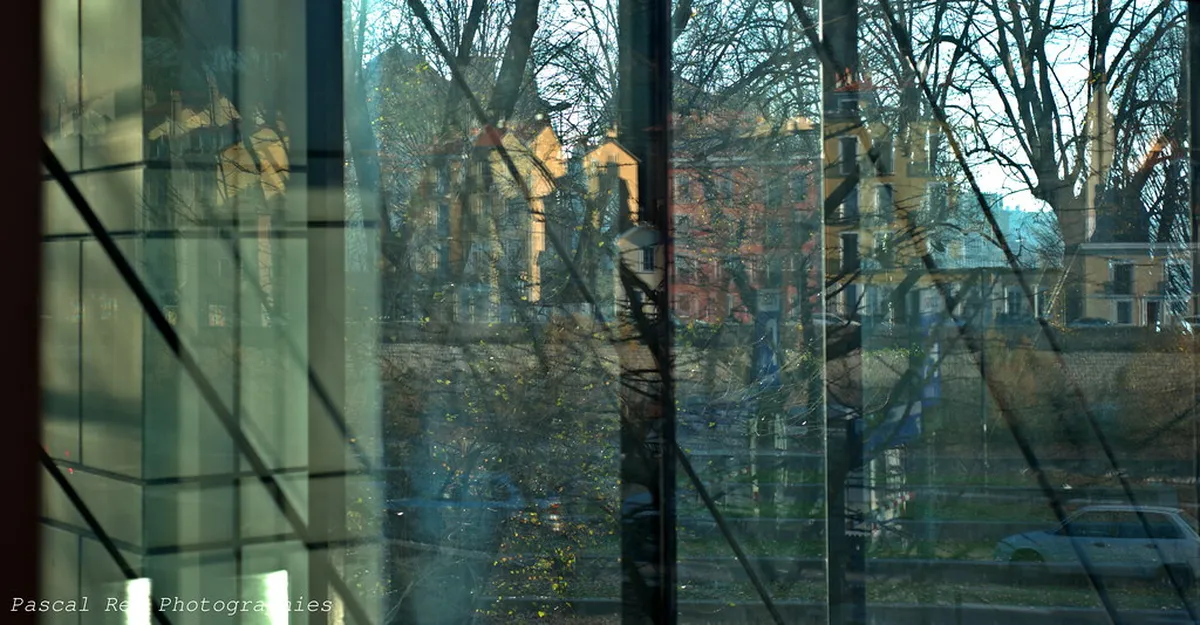
Construction teams used high quality steel, clear glass, and smooth concrete to build the structure. These materials provide a clean and industrial look to the museum exterior and the interior. The glass walls allow people to see the mountains from many points inside the museum. This constant connection to nature is a vital part of the overall architectural design.
The steel frames support the large roof sections without the need for many heavy internal columns. This creates wide open spaces that are perfect for displaying large pieces of modern art. The concrete provides a sense of weight and permanence to the building in the city. Using these materials together creates a balanced and harmonious environment for all the museum guests.
Innovative insulation techniques were used to keep the art safe from changes in the local weather. The thick walls help maintain a constant temperature inside the galleries throughout the whole year. This is very important for the preservation of delicate paintings and historic paper sketches. The building acts as a protective shell for some of the world's most valuable art.
Modern lighting systems were integrated into the ceiling to complement the natural light from the sky. These systems use sensors to adjust the brightness based on the time of the day. This reduces energy costs while ensuring that the art is always shown in the best light. The museum represents a perfect marriage between engineering and creative architectural design in 2025.
Engineers also focused on the acoustics of the large gallery spaces during the building process. They used special materials on the ceilings to reduce the echo from visitors walking through. This creates a quiet and peaceful atmosphere that is ideal for looking at beautiful art. You can enjoy the collection without being distracted by the noise of other people nearby.
How Natural Light Enhances the Art
Natural light plays a huge role in the gallery spaces within this modern building. Large windows and skylights bring the sun's rays deep into the heart of the structure. This lighting helps preserve the art while creating a pleasant atmosphere for the museum guests. Many consider this the best architecture photography spot in the whole city.
The architects designed the roof to capture light from the north to avoid direct glare. This soft light is perfect for seeing the true colors of the famous oil paintings. Shadows are minimized to ensure that the art remains the main focus of the room. The changing light throughout the day creates a dynamic experience for the frequent museum visitors.
In the sculpture garden, the light interacts with the metal and stone figures in unique ways. As the sun moves across the sky, the shadows of the sculptures change their long shapes. This creates a living art gallery that feels different every time you decide to visit. The connection between the light and the art is a core theme of the design.
Inner courtyards allow light to reach the rooms that are located in the center of the building. These small outdoor spaces also provide a place for visitors to rest and reflect in peace. The use of glass in these areas makes the building feel light and very airy. It prevents the museum from feeling like a dark and closed off storage space.
The relationship between the sun and the museum walls is studied by many young architecture students. They come to Grenoble to see how light can be used as a building material itself. The museum serves as a giant classroom for those interested in the power of natural illumination. It is a true masterpiece of light and space in the French Alps.
Merging History with Modern Elements
The modern building sits very near the old city walls and historic center of Grenoble. This placement creates a sharp contrast between the architectural past and the vibrant modern present. You can see how the new steel structures touch the old stone masonry with care. This site highlights the evolution of old town Grenoble historic facades located nearby.
The architects respected the history of the site while building something completely new and very bold. They incorporated parts of the 14th century walls into the design of the museum gardens. This allows visitors to walk through history as they approach the modern entrance of the building. It is a rare example of successful integration between two very different eras of design.
Inside the museum, some galleries are located in older structures that were carefully renovated for use. These spaces provide a cozy and intimate setting for the smaller pieces of the collection. The transition between the old and new sections is seamless and very easy to follow. Visitors can feel the layers of time as they move from room to room today.
The museum also features a library and an auditorium that serve the local community every week. These spaces were designed to host modern events in a setting that honors the past. The building acts as a community hub that brings people together through the power of art. It is a symbol of how a city can grow while keeping its soul.
Preservation experts worked alongside the architects to ensure the old walls were not damaged during construction. They used special tools to monitor the vibrations from the heavy machines on the site. This careful approach saved a piece of history for the future generations of Grenoble residents. It shows that progress does not have to come at the cost of heritage.
The Museum Landscape and Urban Context
The museum faces the Isère river and the surrounding mountain ranges of the French Alps. Its low profile ensures it does not block the views of the mountains for the neighbors. The building feels like a part of the natural landscape rather than a human barrier. It is a highlight of any self-guided Grenoble architecture walking tour.
The surrounding park is filled with modern sculptures that complement the lines of the building design. People often use this green space for walking, reading, or simply enjoying the fresh mountain air. The park connects the museum to the rest of the city in a very natural way. It serves as an outdoor gallery that is free for everyone to enjoy every day.
The museum's location was chosen to help revitalize the northern part of the city center. Since its completion, many new shops and cafes have opened in the streets located nearby. The building acted as a catalyst for urban growth and positive social change in Grenoble. It is now one of the most popular neighborhoods for locals and tourists alike.
Pedestrian paths lead directly from the river bank to the main doors of the museum building. This makes it easy for people to visit without needing to use a car. The city has invested in better public transport to serve the museum and the surrounding area. This focus on sustainability reflects the modern values of the people living in Grenoble.
The reflection of the museum in the water of the river is a beautiful sight. During the night, the building is lit up to create a stunning glow on the water. This lighting design makes the museum a landmark that is visible from far across the city. It truly is a jewel of modern urban planning in the heart of France.
Exploring the Musée de Grenoble Contemporary Architecture
Visiting the Musée de Grenoble contemporary architecture in 2025 is a very rewarding experience for any traveler. The museum is open to the public daily from 10 am until 6:30 pm every day. Please remember that the museum is always closed on Tuesdays and some major public holidays. You should check the official website for updated Grenoble architecture tours.
Standard adult tickets cost 8 Euros, but there are many discounts available for students and seniors. The museum also offers free entry for children under the age of eighteen years old. You can buy your tickets online in advance to avoid waiting in the long lines. This is especially helpful during the busy summer months and holiday seasons in France.
The museum shop offers a great selection of books about the building and the art collection. You can find unique gifts and postcards to remember your visit to this amazing site. There is also a small cafe where you can enjoy a coffee and a snack. The cafe offers great views of the sculpture garden and the nearby river bank.
Audioguides are available in several languages to help you understand the history of the museum. These guides provide interesting stories about the architects and the most famous paintings in the galleries. Taking the time to listen to the guide will enhance your appreciation of the design. It is a great way to learn while you explore at your own pace.
We recommend spending at least three hours to see the whole building and the art collection. The museum is large, so wearing comfortable shoes is a very good idea for all guests. Take your time to sit in the different galleries and soak in the modern atmosphere. The Musée de Grenoble is a place that rewards those who look closely at everything.
Frequently Asked Questions
Who was the architect of the Musée de Grenoble?
The museum was designed by the architectural firm known as Groupe 6. They completed the modern building in 1994. The project was led by architects Olivier Félix-Faure, Antoine Félix-Faure, and Philippe Macary. They won the commission through a design competition held by the city.
Is the Musée de Grenoble accessible for disabled visitors?
Yes, the museum is fully accessible for visitors with limited mobility. There are ramps at the entrance and elevators to reach every floor of the building. Wheelchairs are available for free at the reception desk for those who need them. The wide corridors make it easy to navigate through the galleries.
Can I take photos inside the museum building?
Photography is generally allowed in the permanent collection galleries for personal use only. You must turn off your flash to protect the delicate artwork from light damage. Some temporary exhibitions may have different rules about taking photos or recording videos. Always look for the signs in each room before you take your camera out.
What is the best time of day to visit?
Morning is the best time to visit to avoid the largest groups of tourists. The soft light during the early hours creates a beautiful atmosphere inside the glass galleries. You can enjoy a quiet experience before the museum gets busy in the afternoon. Check the 2025 schedule for any special morning events or tours.
The Musée de Grenoble contemporary architecture is a true triumph of modern design and cultural vision. It successfully bridges the gap between the city's rich history and its bright future. Visiting this landmark allows you to experience world-class art in a stunning and unique setting. Make sure to add this museum to your travel itinerary for your next trip to France.
Key Takeaways
- The building was designed by Groupe 6 and completed in 1994.
- It features a perfect blend of modern materials like glass and steel.
- Natural light is used strategically to enhance the viewing of the art.
- The museum is built near historic 14th-century city walls.
- Entry is free on the first Sunday of every month in 2025.
Related reads: architecturebycity.com, brutalist architecture in grenoble, bastille fortress architectural history.